


You eat a decent breakfast, power through a few meetings, then the slide starts. Your focus gets fuzzy. You want something quick, but a random snack usually buys you an hour at best. The same thing happens after workouts or long days. You eat, but you still don’t feel recovered.
A lot of people treat protein and greens as separate jobs. Protein is for the gym. Greens are for “being healthy.” In real life, they work better as a pair. Put them together, and you get a meal pattern that supports steadier energy, better appetite control, and easier recovery without making food complicated.
That matters whether you’re trying to manage weight, feel less drained by mid-afternoon, or build meals that leave you satisfied instead of rummaging through the pantry an hour later.
Why Protein and Greens Are a Modern Powerhouse
Modern eating habits often split into extremes. Some meals are heavy on refined carbs and leave you hungry soon after. Others chase protein but forget the plants that help the whole meal feel balanced and easier to digest.
The combination of protein and greens fixes that in a simple way. Protein helps maintain and repair body tissue. Greens add volume, fiber, and a wide mix of micronutrients that support day-to-day function. Together, they create meals that feel lighter than fast food but more satisfying than a plain salad.

Why this pairing fits real life
The basic protein target isn’t mysterious. The National Academy of Medicine recommends adults consume about 7 grams of protein for every 20 pounds of body weight, which comes to 56 grams daily for a 160-pound adult, according to this nutrition overview on protein-packed vegetables. That same source notes that greens can help more than many people expect. One cup of cooked green peas provides 8 grams of protein, and collard greens offer 5.1 grams.
That doesn’t mean greens replace your main protein source in every meal. It means they pull more weight nutritionally than people give them credit for.
Here’s where readers often get confused. They hear “greens” and think garnish. A lettuce leaf on a sandwich isn’t the same as building meals around spinach, collards, peas, mustard greens, broccoli, herbs, and blended green powders. The first is decoration. The second is a strategy.
What makes it powerful
A strong protein-and-greens meal can help with:
- Smoother energy: Protein slows the rush that comes from eating mostly refined carbs, while greens make meals feel steadier and more substantial.
- Weight support: Meals with structure tend to reduce the urge to keep snacking.
- Recovery: If you train, walk a lot, or just feel run down, your body needs raw materials and supportive nutrients at the same time.
Protein gives a meal staying power. Greens give it depth.
If you want a practical example of how nutrient-dense plants can fit into daily routines, this Moringa NZ Growing And Health Guide is a useful read. It helps connect the idea of “eat more greens” to an actual plant people can learn about and use more intentionally.
Featured Product
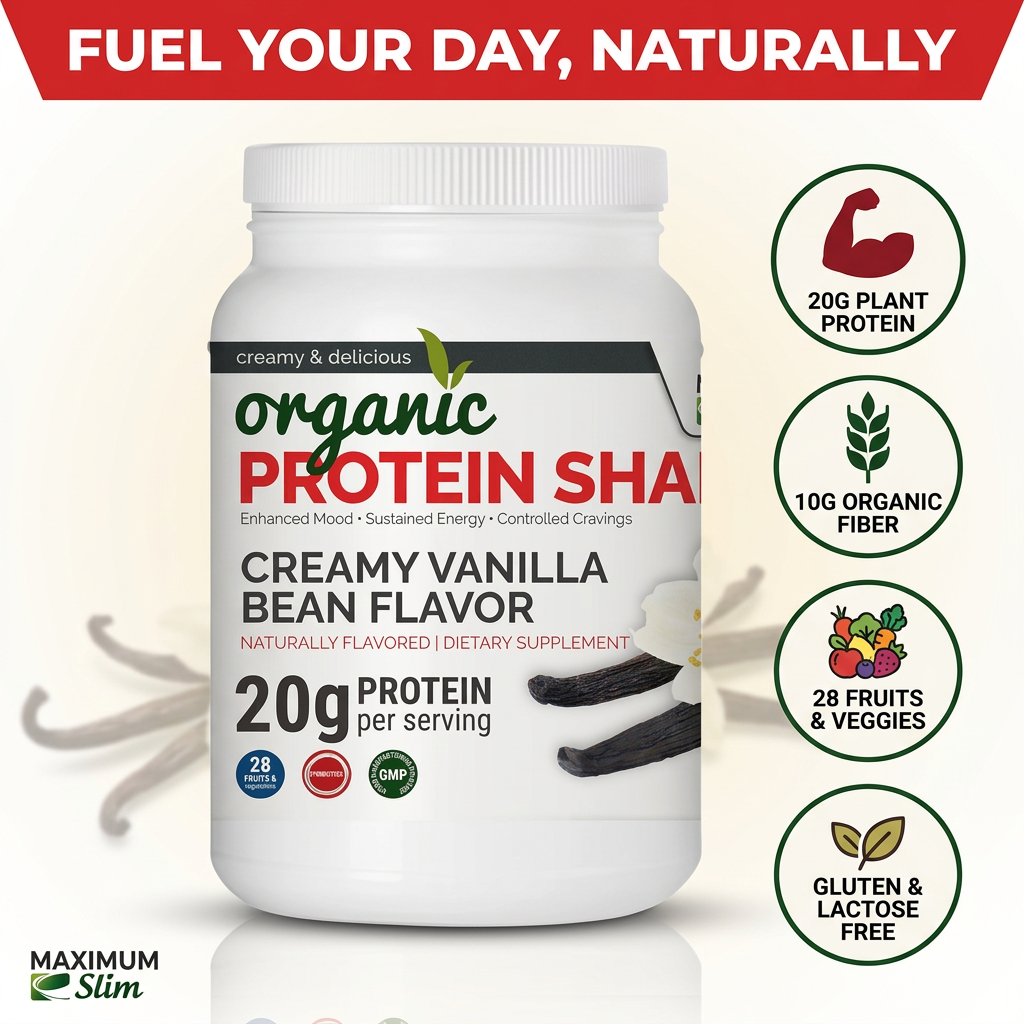
Organic Protein Shake - Maximum Slim | Nutrient Rich Drink for Muscle Recovery
This formula includes a blend of 28 fruits and vegetables and is made to fit a variety of dietary needs.
Shop Now →How Protein and Greens Work Better Together
Think of protein as the bricks for repair and maintenance. Your body uses amino acids to build and rebuild muscle tissue, enzymes, and other structures that keep you functioning well. Greens are the workers and tools on the job site. They bring the vitamins, minerals, antioxidants, and plant compounds that help the whole process run more smoothly.
When people only focus on protein, meals can become dry, repetitive, or oddly incomplete. When they only focus on greens, meals may look healthy but leave them unsatisfied. The synergy comes from giving your body both the building material and the support crew.

Protein builds while greens help the work happen
A useful example comes from green leaves themselves. Green leaf protein, primarily Rubisco, constitutes up to 50% of soluble leaf protein and offers a superior essential amino acid profile, according to this review on green leaf biomass and protein potential. The same review notes that this is linked with reduced allergenicity and better digestibility, which supports muscle repair and sustained energy. It also points out that chlorella contains 40-60% protein content.
That’s a good reminder that greens aren’t nutritionally empty. Some of them contribute protein directly, and others support the use of the protein you eat from foods like eggs, fish, tofu, chicken, yogurt, beans, or pea protein.
Why digestion and energy feel different
People often say a meal “sits better” when it includes both protein and greens. In plain language, here’s why that can happen:
- Protein adds staying power: It helps meals feel complete, which can reduce the urge to graze soon after eating.
- Greens add fiber and volume: That often makes a plate more satisfying without needing a lot of extra calories.
- Micronutrients matter: Greens bring compounds that support normal body processes involved in energy production and recovery.
- Texture changes appetite: A smoothie, salad bowl, soup, stir-fry, or omelet with greens usually feels more like a real meal than protein alone.
A simple meal analogy
Think about building a wall.
- The bricks are protein. Without enough bricks, there isn’t much to build with.
- The mortar and crew are the greens. Without them, the job is harder to finish well.
- The finished wall is how you feel. Stable energy, less random hunger, and better bounce-back after activity.
Practical rule: If a meal gives you protein but no color, add greens. If it gives you greens but no staying power, add protein.
A grilled salmon fillet with broccoli, a tofu stir-fry with bok choy, eggs with spinach, or a protein smoothie blended with kale all use the same principle. The details can change. The logic stays the same.
Powders vs Whole Foods Which Is Right for You
This doesn’t need to be a food fight. Protein and greens powders and whole foods solve different problems. One isn’t morally better. One may fit your moment better.
If you’re rushing from a workout to work, a shake is useful. If you want a dinner that keeps you full and satisfied for hours, whole foods usually do a better job. It is often more effective to stop treating this as an either-or decision.
Where powders shine
A quality powder is mostly about speed and consistency. Clean-label protein and greens powders typically provide 20-21g of complete protein per serving, and they may include the equivalent of 15 spinach leaves and 2 broccoli florets, along with 1.5 billion CFU probiotics and 13 non-GMO enzymes, according to Orgain’s product details for protein and greens powder.
That makes powders helpful when you need a reliable option and don’t have time to cook, chop, or clean up.
A few situations where powders make sense:
- Post-workout: Fast, portable, easy to digest for many people.
- Busy mornings: Better than skipping breakfast or grabbing something sugary.
- Travel days: Easier than trying to find a balanced meal on the go.
- Appetite is low: A shake can be easier than chewing a full plate.
For readers comparing options, this guide to the best green powder for daily nutrition habits can help you think through ingredient quality and everyday use.
Where whole foods win
Whole foods offer things powders can’t fully replicate. You chew them. They take up space on the plate. They create a stronger feeling of “I ate a meal.” That matters for satiety and long-term consistency.
Whole-food combinations also give you more variety. Chicken and spinach today. Lentils and kale tomorrow. Greek yogurt with berries and a side of greens in an omelet the next day. That variety helps prevent burnout.
Protein and Greens Sources Compared
| Attribute | Protein & Greens Powder | Whole Foods (e.g., Chicken & Spinach) |
|---|---|---|
| Convenience | Very quick to mix and carry | Takes more prep, cooking, or assembly |
| Portion consistency | Easy to repeat daily | Varies more by recipe and serving size |
| Best use case | Busy mornings, travel, post-workout | Lunches, dinners, family meals |
| Fullness | Good, especially in a thicker shake | Usually stronger because of chewing and meal volume |
| Flexibility | Smoothies, shakes, oats, recipes | Bowls, salads, wraps, stir-fries, soups |
| Ingredient awareness | Requires label reading | Easier to recognize ingredients at a glance |
| Routine value | Useful backup or anchor habit | Strong foundation for long-term eating patterns |
The best choice is usually both
Use powders as a tool, not a replacement for all meals. Use whole foods as a foundation, not a burden you have to perfect.
A shake is a smart meal when it solves a real problem. A plate is a smart meal when you have time to enjoy it.
If you frame the choice that way, you’ll stop asking “Which is best?” and start asking “Which fits this situation?”
Easy Protein and Greens Recipes for Any Time of Day
Many individuals don’t need more recipes. They need simple formulas they can remember when they’re tired, rushed, or staring into the fridge with no plan.
A good protein-and-greens routine works because it’s repeatable. Pick a protein. Add greens. Add one or two supporting ingredients for flavor and texture. That’s enough to build meals that feel fresh without requiring chef-level effort.

Morning smoothie formula
Start with a blender formula instead of a strict recipe:
- Protein base: one scoop protein powder, Greek yogurt, or silken tofu
- Greens: a handful of spinach, kale, or mixed greens
- Fruit: banana, berries, or mango for taste
- Liquid: water or unsweetened milk alternative
- Optional extras: nut butter, chia, cinnamon, or ice
This works well when mornings are chaotic. The point isn’t perfection. The point is that you begin the day with something that has structure.
If you’re looking at powders for smoothies, this guide to the best clean protein powder for everyday use is a practical place to compare clean-label options.
Lunch bowl formula
Lunch is where many people lose momentum. They either under-eat and snack all afternoon or grab something fast that doesn’t hold them.
Use this bowl pattern:
- Choose your protein: chicken, tofu, salmon, eggs, beans, tempeh, or tuna.
- Add a green base: spinach, arugula, kale, chopped romaine, steamed broccoli, or sautéed greens.
- Include a satisfying extra: avocado, roasted vegetables, quinoa, or seeds.
- Finish with flavor: olive oil, lemon, tahini, yogurt dressing, or vinaigrette.
A lunch bowl works because it’s flexible. The formula stays the same even when the ingredients change.
Dinner plate formula
Dinner doesn’t need to be complicated either. Use the “one pan, one green, one protein” rule.
Examples:
- Salmon with broccoli and herbs
- Turkey meatballs over sautéed spinach
- Tofu with bok choy and mushrooms
- Eggs with collards and roasted vegetables
After a while, you stop needing recipes. You just build plates.
Here’s a cooking demo if you like seeing meal ideas in action before trying them yourself:
Snack and backup options
Keep a few low-effort combinations ready for the days when plans fall apart:
- Quick wrap: sliced turkey or hummus with leafy greens in a wrap
- Mini plate: boiled eggs with cucumber and a side salad
- Fast shake: protein powder blended with greens and fruit
- Simple bowl: cottage cheese or yogurt with a savory greens side
The best recipe is the one you’ll actually make on a Wednesday when you’re tired.
When to Eat Protein and Greens for Best Results
Timing isn’t everything, but it does shape how useful a meal feels. The same smoothie can serve different purposes depending on when you drink it. The same bowl of protein and greens can either rescue your afternoon or help you recover after training.
The key is matching the meal to the outcome you want.

After exercise
This is one of the best times to use the pairing intentionally. According to this article on high-protein vegetables and pairing guidance, pairing 20-30g of plant protein with greens can enhance amino acid uptake by 15-20% via natural enzymes. The same source adds an important caution. Excess fiber above 40g per meal can hinder protein digestion.
That explains why some post-workout smoothies feel great and others feel too heavy. People sometimes cram in greens, seeds, oats, nut butter, fruit, and extras until the shake turns into a digestive project. After training, balance beats overload.
A practical post-workout version is usually simple:
- a moderate serving of protein
- one manageable portion of greens
- liquid
- optional fruit for taste and convenience
If you want meal inspiration beyond shakes, this perfect post-workout meal recipe offers useful ideas for building a recovery plate without overcomplicating it.
Mid-afternoon for steadier energy
This is the meal window many adults underestimate. If lunch was mostly refined carbs or too small, the afternoon slump hits hard. A protein-and-greens snack or mini-meal can help smooth that out.
Good choices include:
- a shake with protein and spinach
- boiled eggs with a green side salad
- Greek yogurt plus a savory greens wrap
- leftover salmon or tofu over greens
These work because they don’t rely on sugar for a quick lift.
Spread through the day
Individuals often feel better when they stop putting all their nutrition pressure on dinner. Spreading protein and greens across the day usually works better than trying to “catch up” at night.
A simple rhythm looks like this:
| Time | Useful approach | Why it helps |
|---|---|---|
| Morning | Smoothie or eggs with greens | Starts the day with structure |
| Lunch | Bowl, salad, or wrap with protein | Supports focus and fullness |
| Afternoon | Small protein-and-greens snack | Helps reduce cravings |
| Evening | Balanced plate with cooked greens | Supports recovery and satiety |
For a deeper look at workout fueling and repair, this guide on post-workout recovery nutrition strategies can help you match timing to training demands.
Making Protein and Greens a Daily Habit
The strongest nutrition habits are usually boring in the best way. They’re easy enough to repeat, flexible enough to survive busy weeks, and useful enough that you feel the difference when you skip them.
Protein and greens works like that. It isn’t a cleanse. It isn’t a challenge. It’s a dependable structure for meals that support energy, appetite control, and recovery.
Keep the habit small enough to stick
Start with one anchor point, not a full life overhaul.
- Breakfast anchor: Add greens to a smoothie or omelet.
- Lunch anchor: Build your plate around a protein plus a green vegetable.
- Backup anchor: Keep one powder option for rushed days.
- Dinner anchor: Make sure at least one green is present before the meal is “done.”
That’s enough to create momentum.
Make friction your main target
People rarely fail because they don’t understand nutrition. They fail because the better choice is less convenient in the moment. Wash greens ahead of time. Keep frozen spinach in the freezer. Have a go-to protein ready. Pre-decide two or three meals you can make half-asleep.
Consistency usually comes from setup, not motivation.
Once the habit is in place, you can refine details. But first, make it easy enough to happen.
Common Questions About Protein and Greens
Can greens alone cover all my protein needs
Usually, no. Greens can contribute meaningful protein, but a primary protein source is typically still desired, such as beans, tofu, eggs, fish, dairy, poultry, or a protein powder. Think of greens as contributors and enhancers, not your only source.
Why do some protein-and-greens shakes make me feel bloated
The usual reason is too much at once, too fast, or too many add-ins. A large amount of fiber, several powders, fruit, seeds, and sweeteners in one shake can be harder to tolerate than a simpler blend. Start basic and build gradually.
Is plant protein really worth prioritizing
Yes. Research summarized by the Physicians Committee for Responsible Medicine protein guide reports that replacing 3% of daily calories from animal protein with plant protein lowers all-cause mortality risk by 5%. The same source notes that protein deficiency is rare in the U.S., affecting less than 1% of the population.
That’s an important mindset shift. For many adults, the issue isn’t severe lack. It’s improving the overall quality and balance of what they already eat.
Are powders necessary
No. They’re convenient, not mandatory. If you can consistently eat balanced meals built from whole foods, that’s excellent. Powders help on the days when time, appetite, or logistics get in the way.
What’s the easiest place to start
Pick one meal you already eat often. Upgrade that meal with one protein source and one green. Repeat it until it feels automatic.
If you want a clean-label way to make this habit easier, explore Maximum Health Products. Their wellness lineup includes SuperGreens powders and Organic Protein options designed to support daily energy, metabolism, recovery, and balanced nutrition without the usual fillers.

