


Choosing the best soy free protein powder often involves selecting clean, effective alternatives like pea, hemp, or brown rice protein. These sources are excellent for anyone looking to avoid soy due to allergies, digestive issues, or personal dietary choices, providing a powerful way to fuel your body without compromise.
Why Go Soy Free With Your Protein Powder
Selecting a protein powder is like choosing the right fuel for your body. While soy has long been a staple in the plant-based protein market, a growing number of people are now seeking soy-free alternatives. This isn't about demonizing soy, but rather personalizing your nutrition to find what truly helps you feel and perform your best.
The reasons for this shift are varied, often boiling down to a few key factors that impact daily comfort and long-term wellness. Understanding these motivations is the first step toward finding a protein powder that genuinely supports your health goals.
Common Reasons to Skip Soy
For many, the choice is clear. Soy is a major food allergen, and even a mild sensitivity can cause uncomfortable reactions ranging from digestive upset to more noticeable issues. Many people who don't have a true allergy still find that soy causes bloating and gas, making a soy-free option an easy switch for better digestive health.
Beyond allergies, there is an ongoing discussion around phytoestrogens. These are natural plant compounds in soy that can mimic the effects of estrogen in the body. While research is still exploring their full impact, some individuals prefer to avoid them to help maintain their body's natural hormonal balance. This is particularly true for those with specific health considerations.
The search for a soy-free supplement is about empowerment. It’s about listening to your body and choosing clean ingredients that help you achieve your goals without causing digestive distress or introducing compounds you'd rather avoid.
The Rise of Powerful Alternatives
This growing demand has spurred incredible innovation in plant-based nutrition. In the booming vegan protein market, soy-free options like pea protein isolate have surged in popularity. These alternatives are projected to capture over 45% of plant-based protein powder sales in major markets like the US and UK by 2026, driven by consumer concerns over allergens and phytoestrogens. You can discover more insights about this plant-based protein trend on Healthline.
This shift opens up a world of high-quality, effective protein sources. Options such as pea, hemp, and brown rice protein are no longer just alternatives; they are powerful, nutrient-dense choices in their own right. Each offers a unique profile of amino acids and benefits, perfectly suited for building lean muscle, managing weight, and enhancing recovery.
A Guide to Soy Free Protein Sources
Deciding to use a soy-free protein powder means navigating a wide field of plant- and animal-based alternatives. To find the best soy free protein powder for your goals, it’s crucial to understand the distinct nutritional profile and characteristics each source offers.
Let's examine the most common options to see how they compare in terms of protein content, amino acid profiles, and overall function.
Pea Protein
Pea protein has rapidly become a leading choice in the soy-free category, and for good reason. Extracted from yellow split peas, it is typically refined into a protein isolate, a process that removes most carbohydrates and fats to deliver a more concentrated protein.
Its primary strength lies in its impressive amino acid profile. Pea protein is notably rich in Branched-Chain Amino Acids (BCAAs)—leucine, isoleucine, and valine—which are vital for stimulating muscle protein synthesis. This makes it an excellent option for post-workout recovery. Many users also prefer its smoother texture, which blends easily into liquids.
Hemp Protein
Hemp protein is a less-processed alternative, created by grinding whole hemp seeds into a fine powder. This whole-seed approach means it retains more of its natural nutrients, providing a significant amount of dietary fiber and healthy fats, including omega-3 and omega-6 fatty acids.
The trade-off for this nutrient density is a lower protein concentration, typically around 15 grams per serving compared to the 20-25 grams found in isolates. Its distinct nutty, earthy flavor is a favorite for many, particularly when added to oatmeal or nutrient-rich smoothies. It’s an ideal choice for those prioritizing overall wellness over pure muscle hypertrophy.
Choosing a protein source is a personal decision based on individual goals. Pea protein is a high-impact choice for muscle repair, while hemp offers a more holistic, fiber-rich option for daily health.
The infographic below shows the main reasons people switch to soy-free protein powders, from managing allergies to improving digestive comfort.

As this visual highlights, the move away from soy is often a direct response to physical feedback, including allergic reactions, bloating, or concerns about hormonal effects.
Brown Rice Protein
Brown rice protein is another well-established soy-free staple. It's produced by treating brown rice with enzymes that separate the protein from the carbohydrates. The resulting powder is highly hypoallergenic, making it a reliable choice for individuals with multiple food sensitivities to dairy, soy, or nuts.
By itself, brown rice protein is low in the essential amino acid lysine, making it an incomplete protein. However, it is frequently combined with pea protein to create a complete amino acid profile that is comparable to whey. While early versions were known for a gritty mouthfeel, modern processing techniques have significantly improved its solubility. For more on how plant proteins compare, see our guide on the best plant protein powder.
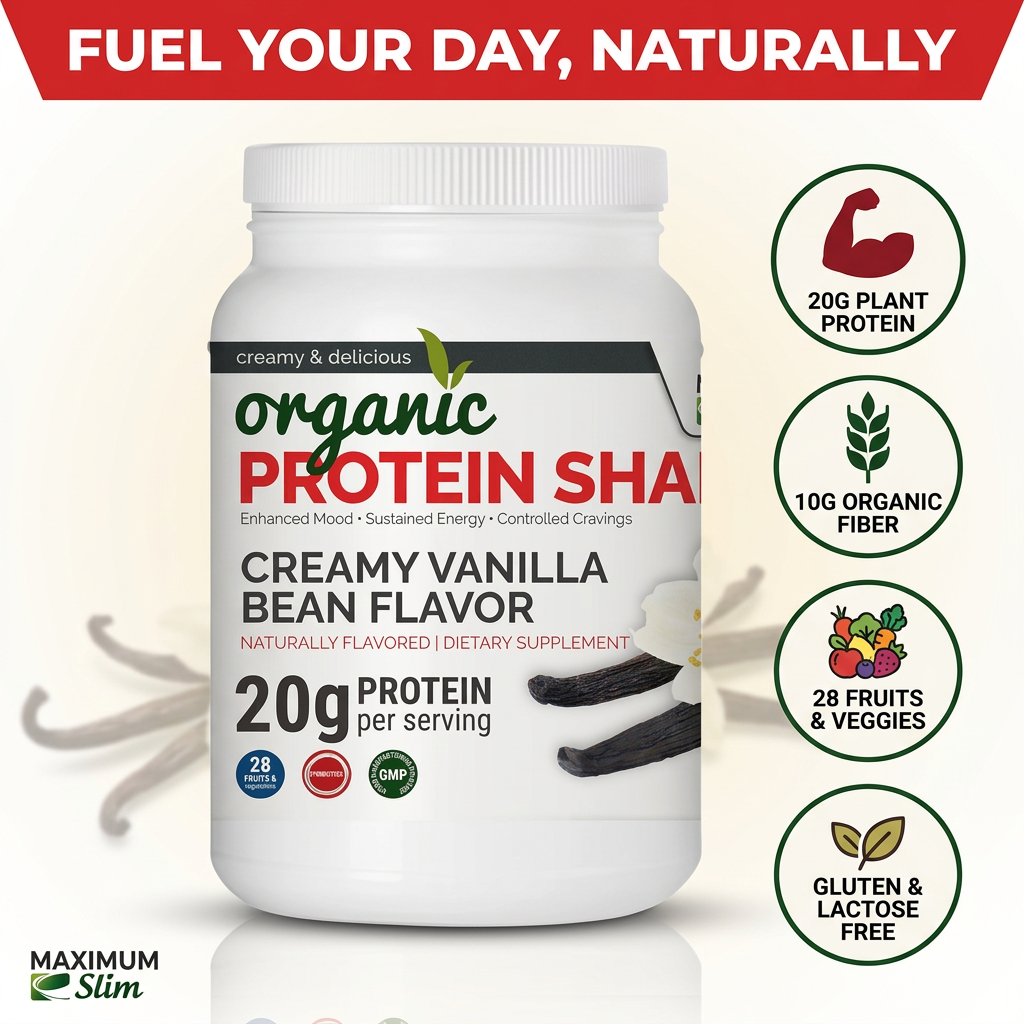
Featured Product
Organic Protein Shake - Maximum Slim | Nutrient Rich Drink for Muscle Recovery
This formula includes a blend of 28 fruits and vegetables and is made to fit a variety of dietary needs.
Shop Now →Whey Protein
For non-vegans seeking to avoid soy, whey protein remains a powerful and effective choice. As a byproduct of cheesemaking, whey is a complete protein known for its rapid absorption rate, which has made it a long-standing favorite among athletes for muscle recovery. It also contains the highest concentration of BCAAs among these common sources.
Because it is a dairy derivative, whey is not suitable for anyone with a lactose intolerance or milk allergy. For those who can tolerate dairy, however, it is one of the most bioavailable and effective protein sources available.
To help you compare these options directly, the table below outlines their key differences.
Soy Free Protein Source Comparison
| Protein Source | Avg. Protein Per 30g | Key Benefit | Best For |
|---|---|---|---|
| Pea Protein | 22-25g | Rich in BCAAs & smooth texture | Muscle growth & post-workout shakes |
| Hemp Protein | 15-18g | High in fiber & healthy fats | Overall wellness & smoothie boosts |
| Brown Rice Protein | 20-24g | Hypoallergenic & easy to digest | Sensitive stomachs & blending with pea |
| Whey Protein | 24-27g | Highest bioavailability & BCAAs | Rapid muscle repair (non-vegan) |
Ultimately, the right soy-free protein is one that aligns with your dietary needs, fitness objectives, and personal preferences. Whether you require the high-performance profile of pea and whey or the balanced nutrition of hemp, an effective option is available.
How to Read a Protein Powder Label

Finding a tub that says “soy-free” on the front is a good start, but it’s just step one. To find the best soy free protein powder, you have to become a bit of a label detective. The real story—the true quality and purity of what you're about to drink—is always on the back.
Think of the front of the package as the book cover; it’s designed to catch your eye. The back label, however, is where the actual content is. Once you learn to decode it, you can be sure you're getting a high-performance product, not just clever marketing.
Spotting Unwanted Ingredients
Your first mission is to scan the ingredients list for red flags. A truly clean protein powder will have a short, easy-to-read list, led by the protein source itself. Be wary of powders loaded with extras that don’t add anything to your health.
Common culprits to watch out for include:
- Artificial Sweeteners: Things like sucralose, aspartame, and acesulfame potassium (Ace-K) can cause digestive issues for some people. Look for powders sweetened naturally with stevia or monk fruit, or just go with an unsweetened option.
- Fillers and Gums: Thickeners like xanthan gum, carrageenan, or guar gum are often added to improve texture, but they can cause bloating and digestive upset if you’re sensitive.
- Artificial Flavors and Colors: These synthetic additives have zero nutritional value and are completely unnecessary in a quality product.
A shorter ingredients list is almost always a sign of a cleaner, more focused supplement. For a deeper dive into what makes a product truly pure, our guide on the best clean protein powder has you covered.
The Power of Third-Party Certifications
So, how can you be sure a company’s claims are legit? Look for seals from independent, third-party organizations. These certifications are like a stamp of approval, confirming that the product meets specific standards for quality, safety, and sourcing.
When you see a third-party seal, it means an unbiased organization has verified the product's integrity. It’s one of the most reliable ways to build trust in a brand and ensure you're getting what you pay for.
Key certifications to look for include:
- USDA Organic: This seal guarantees that the ingredients were grown and processed without synthetic pesticides, herbicides, or GMOs. It’s a strong signal of a clean, natural product.
- Non-GMO Project Verified: This verification ensures the product is free from genetically modified organisms, a common concern with ingredients like corn and, of course, soy.
- Informed-Sport or NSF Certified for Sport: These are crucial for athletes. They test products for banned substances to ensure they are safe for competition.
These seals give you peace of mind and make the decision-making process much faster, letting you quickly spot the high-caliber options on the shelf.
Checking for Heavy Metal Testing
For plant-based proteins, one of the most critical safety checks is for heavy metals. Plants naturally absorb minerals from the soil they grow in, which can unfortunately include things like lead, arsenic, and cadmium. While tiny amounts are unavoidable, reputable brands take the extra step of testing their final products to ensure levels are well within safe limits.
Consumer safety reports really drive home the importance of this. A recent study that tested over 150 protein powders found that 47% of plant-based products exceeded safe lead thresholds by 200%. In stark contrast, soy-free whey and clean pea protein options consistently tested low, which is fueling a projected 35% sales increase for certified clean proteins. You can see the full findings in the Clean Label Project's 2023 Protein Study 2.0.
When a brand is transparent about its heavy metal testing, it shows a real commitment to your safety and the purity of their product. Look for this info on their website or the label itself. If it’s not there, you have every right to ask what they might be hiding.
Matching Soy Free Protein to Your Health Goals
Picking the right soy-free protein powder is a great first step, but how you use it is what truly drives results. A quality protein is a powerful tool in your health toolkit, but its real value comes from fitting it into your daily routine in a way that aligns with your specific goals.
Think of it like a specialized ingredient. Just as a chef uses different spices to create different flavors, you can use your protein powder to target weight management, muscle recovery, or simply to boost your overall wellness. Let’s look at how to make your protein choice work for you.
Protein for Weight Management
If weight management is your goal, protein is one of your strongest allies. Its greatest benefit comes down to satiety—that feeling of fullness you get after a meal. Protein is the most filling of all the macronutrients, so a protein-rich shake can help you feel satisfied for hours, naturally reducing your urge to snack between meals.
Protein also has a higher Thermic Effect of Food (TEF) compared to fats and carbohydrates. This simply means your body burns more calories just digesting and processing it, giving your metabolism a small but consistent boost throughout the day.
Here are a few effective ways to use it:
- Morning Boost: A protein shake first thing in the morning can help manage hunger until lunchtime.
- Afternoon Slump Buster: When the 3 p.m. energy dip hits, a small protein shake can stabilize your energy levels far better than a sugary snack.
- Meal Replacement: On busy days, a well-balanced protein shake can serve as a quick, low-calorie meal.
The global protein supplement market is projected to reach $28 billion by 2025, with soy-free options becoming increasingly popular. For instance, user trials on some pea protein shakes showed participants lost an average of 5-7% body fat over a 12-week period, which explains why so many people turn to them for metabolic support. To dial in your intake for specific fitness targets, a macro calculator for weight loss can be an incredibly useful tool.
Fueling Muscle Growth and Recovery
For anyone focused on building lean muscle or speeding up workout recovery, the amino acid profile of your protein is what matters most. After exercise, your muscles are primed for repair and are crying out for the building blocks needed to grow back stronger. This is where Branched-Chain Amino Acids (BCAAs) become critical.
Pea protein is a fantastic soy-free option because it’s packed with leucine, isoleucine, and valine. These three BCAAs are particularly good at signaling the body to start muscle protein synthesis. Having a protein shake within an hour of your workout is the best way to kickstart this recovery process.
Key Takeaway: Your post-workout shake isn't just a quick drink. It's a direct signal to your body to repair and rebuild muscle tissue, helping turn your hard work into real strength and growth.
For the best results, aim for a shake with 20-30 grams of high-quality protein right after you train. This ensures your muscles get the fuel they need, right when they're most receptive. To learn more about fine-tuning your post-exercise habits, be sure to read our guide on using protein powder for recovery.
Supporting Everyday Wellness and Energy
You don't need to be an athlete to benefit from a soy-free protein powder. Simply adding a clean protein source to your diet is an easy way to improve your overall wellness and keep your energy levels steady.
That classic afternoon fatigue is often caused by a blood sugar crash, usually after a carb-heavy lunch. Adding protein to your meals helps slow down how quickly sugar enters your bloodstream, preventing those sharp energy spikes and the inevitable crashes that follow.
A few practical tips for daily use:
- Mix a scoop of unflavored protein into your morning oatmeal or yogurt.
- Blend protein powder into a smoothie with fruit and leafy greens for a nutrient-packed start to your day.
- Incorporate protein powder into baking recipes for healthier, protein-rich pancakes or muffins.
By making a clean, soy-free protein a regular part of your diet, you give your body a steady source of fuel. This doesn’t just support your physical energy but also your mental clarity, helping you feel focused and productive all day long.
Practical Ways to Use Your Protein Powder

Finding a protein powder you love is the first step. The next is making it a regular, enjoyable part of your routine. Think of it less like a supplement and more like a high-protein ingredient that can elevate your meals and support your health goals.
We’ve all been there—a clumpy, gritty shake that’s a chore to finish. The fix is surprisingly simple, and it starts with your mixing technique. Pouring your liquid in first prevents that frustrating layer of powder from cementing to the bottom of your shaker.
Simple Tips for a Perfect Shake
To get that smooth, creamy texture you’re after, a few small tweaks can make all the difference.
- Order Matters: Always add your liquid (water, almond milk, etc.) to the shaker or blender before the powder. This is the single most effective way to prevent clumps.
- Use a Mixing Ball: The wire or plastic ball in a shaker cup isn't just for show. It actively breaks up powder clusters for a much smoother drink.
- Blend for Creaminess: For a truly decadent texture, use a blender. A scoop of protein, a frozen banana, and a healthy fat like avocado or nut butter creates a rich, satisfying shake that feels like a treat.
More Than Just a Shake
While a quick shake is great for convenience, your protein powder can do so much more. Working it into everyday foods is a fantastic way to boost your intake without getting bored. For athletes, this can be a crucial part of an effective recovery plan, as detailed in these evidence-based post-workout recovery tips.
Integrating protein into meals you already love is the easiest way to make it a sustainable habit. Think of it as a nutritional upgrade to your favorite foods.
Unflavored or vanilla protein powders are especially flexible. Stir a scoop into your morning oatmeal or Greek yogurt for an instant protein boost that will keep you feeling full until lunch. You can even add it to pancake or waffle batter to create a high-protein breakfast that kickstarts your day.
How Much Protein Should You Use?
The ideal amount of protein really depends on your goals. For muscle repair and growth after a workout, a serving of 20-30 grams (typically one scoop) is the standard recommendation.
If you’re just looking for a nutritional boost or want to make a meal more filling, a half-scoop might be all you need. The key is to listen to your body and adjust your intake based on your activity level and overall diet.
Frequently Asked Questions About Soy-Free Protein
When considering a switch to soy-free protein, several common questions often arise. We've addressed the most frequent inquiries below to provide clarity and help you select the best soy-free protein powder with confidence.
Is Soy-Free Protein Powder Better for Weight Loss?
Yes, many soy-free protein powders can be a valuable tool for weight management. Protein sources like pea and brown rice are known to enhance satiety, helping you feel fuller for longer, which can naturally decrease overall calorie consumption.
Furthermore, for individuals with a sensitivity to soy, avoiding it can help prevent the bloating and digestive discomfort that might otherwise hinder a feeling of leanness. A clean, unsweetened protein formula supports your metabolic health directly, making it an excellent component of a weight loss strategy.
Can I Build Muscle Without Soy or Whey Protein?
Building muscle effectively without soy or whey is entirely achievable. High-quality plant-based proteins are more than capable of supporting muscle growth and repair. Pea protein, for instance, is a complete protein that provides all nine essential amino acids.
It's particularly rich in Branched-Chain Amino Acids (BCAAs), especially leucine—the key amino acid responsible for initiating muscle protein synthesis. Research indicates that pea protein can be just as effective as whey for promoting muscle gains when combined with consistent resistance training. The critical factor is choosing a high-quality powder that provides over 20 grams of protein per serving.
How Do I Avoid a Gritty Texture in My Shake?
That undesirable gritty texture is often a sign of lower-quality or coarsely milled plant proteins. To achieve a smoother consistency, consider these tips:
- Choose a high-grade powder, such as a pea protein isolate, which has been processed to create a finer, more soluble texture.
- Pour the liquid first. Always add your water or plant-based milk to the shaker cup before adding the protein powder. This simple step helps prevent powder from clumping at the bottom.
- Use a blender. For an exceptionally creamy shake, blend your protein with a source of healthy fat, like a spoonful of almond butter or a small piece of avocado.
What Is the Healthiest Soy-Free Protein Powder?
The healthiest soy-free protein powders are those with a "clean label." This signifies a product made from high-quality, organic ingredients that is also free from artificial sweeteners, gums, fillers, and heavy metals.
Always look for powders that undergo third-party testing to verify their purity and potency. A blend of multiple plant sources—like pea, hemp, and pumpkin seed—can offer a more comprehensive amino acid profile and a wider range of micronutrients, making it a superior choice for supporting your overall health.
Ready to find a clean, soy-free protein that delivers on both taste and quality? Maximum Health Products offers a certified organic protein that is smooth, delicious, and completely free of unwanted additives.
Explore our Organic Protein and support your health journey today.

