


The usual advice is simple: if you want to lose weight, start working out harder. For many people, that advice is incomplete at best and discouraging at worst.
A busy parent, a desk-bound professional, someone recovering from injury, or anyone who does not enjoy the gym can still lose weight. The key is understanding what drives fat loss in daily life. Formal exercise helps health in many ways, but it is not the only path to a lower body weight.
A practical system works better than a punishment mindset. When people learn how to lose weight without exercise, the most successful approach combines calorie control, filling meals, more everyday movement, better sleep, and consistent self-monitoring. That is what makes results more realistic and more durable.
The Unspoken Truth About Weight Loss and Exercise
The biggest myth in weight loss is that hard workouts are required before the scale can move.
They are not. Food intake is the strongest lever for many individuals, especially at the start. The landmark CALERIE trial found that a calorie-restricted diet alone led to -8.3 kg in 6 months, and that result was statistically identical to the group that combined diet with exercise (PMC).

That does not mean exercise is useless. It improves fitness, mood, blood sugar handling, mobility, and long-term health. But if the goal is initial fat loss, trying to out-train an overeating pattern is inefficient.
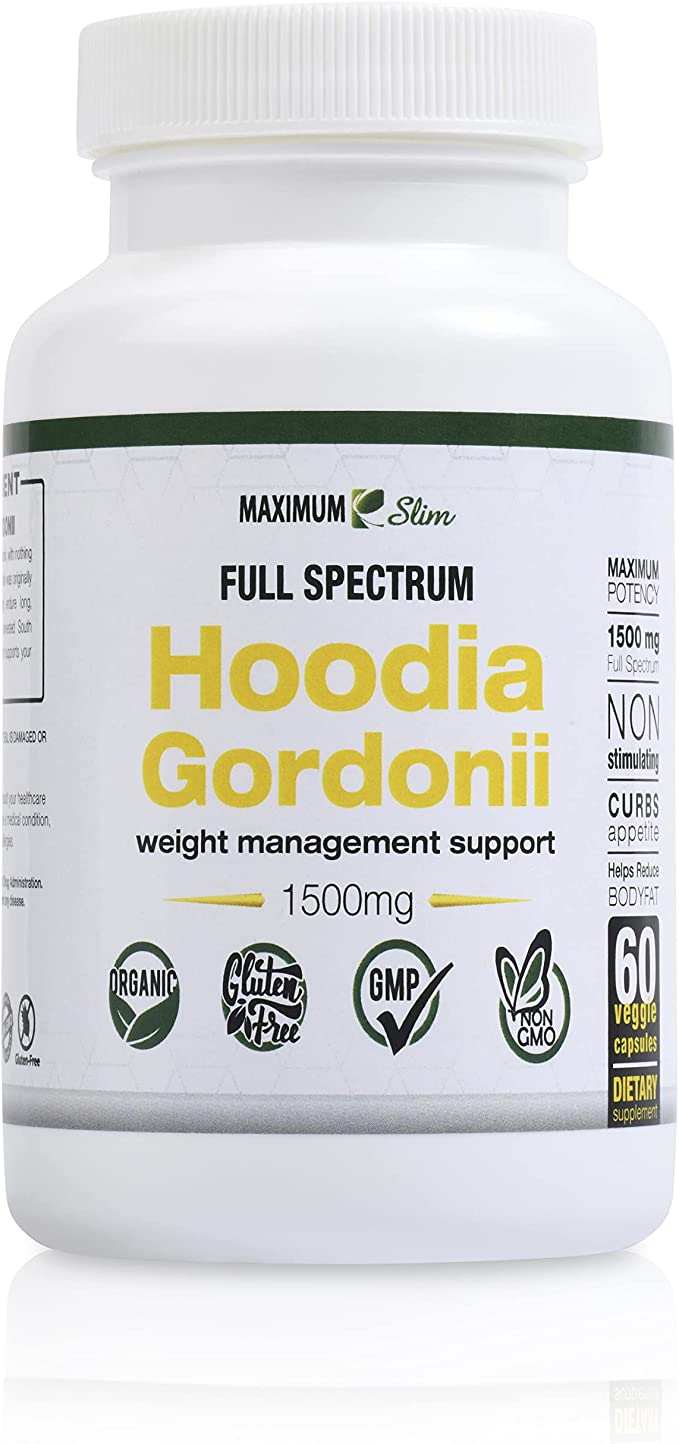
Featured Product
Maximum Slim Hoodia Gordonii Full Spectrum | Daily Wellness Support Supplement
Support your daily wellness routine with Maximum Slim Hoodia Gordonii Full Spectrum. Made with high-quality botanical extract, it helps promote balance and overall well-being as part of a healthy lifestyle.
Shop Now →Why exercise gets overrated for fat loss
A workout takes time, planning, energy, clothing, and recovery. Eating a smaller lunch, skipping a liquid calorie, or changing your evening snack takes less effort.
This is why I tell clients to stop asking, “What workout burns this off?” and start asking, “What habit made this too easy to overeat?” That question leads to change.
A useful framework is this:
- Exercise supports weight loss: It can help preserve routine, mood, and body composition.
- Diet drives weight loss: Your eating pattern determines whether a calorie deficit exists.
- Daily habits decide whether it lasts: Sleep, appetite control, stress, and routine matter more than bursts of motivation.
What busy people need to hear
If your schedule leaves no room for classes, long walks, or regular gym visits, you are not disqualified from making progress. You need a system that fits your real life.
One helpful overview of how to lose weight without exercise lays out the same core idea from a practical angle: weight loss can happen without formal workouts when the fundamentals are handled well.
Key takeaway: You do not need to “earn” weight loss through suffering. You need consistent habits that lower calorie intake and make those habits easier to repeat.
The rest of the work is not glamorous. It is smaller portions that still satisfy you. Protein that keeps you full. Less distracted eating. More standing, pacing, and walking during ordinary life. Better sleep so your hunger signals stop fighting you.
That is the fundamental driver.
The Calorie Deficit A Non-Negotiable Starting Point
No matter which eating style you prefer, fat loss requires a calorie deficit. That means your body uses more energy than you take in.
That sentence sounds clinical, but the day-to-day version is simple. You need to eat a little less than you currently eat, and you need to do it consistently enough for your body to draw on stored energy.
What a calorie deficit looks like in practice
You do not need obsessive tracking to understand the concept. You do need honesty about portions, snacks, drinks, and weekend eating.
The first signs of excess intake are not always obvious junk-food binges. They are things like:
- Liquid calories: Coffee add-ins, juice, alcohol, smoothies, and sweet drinks.
- Portion drift: A healthy dinner becomes a large healthy dinner.
- Convenience eating: Grabbing food because you are rushed, not because you are hungry.
- Reward eating: Using food to decompress at night.
A calorie deficit can come from smaller portions, smarter food swaps, fewer extras, or a mix of all three. It does not have to come from misery.
A realistic way to start
The most practical target is a modest reduction that you can keep. The verified guidance in your source set supports starting with a 200 to 300 daily calorie cut through nutrient-dense foods rather than extreme restriction.
That is enough to create progress without turning every day into a battle. Aggressive deficits often backfire because hunger rises, routines break, and rebound eating follows.
Practical rule: If your plan makes you think about food all day, it is probably too aggressive.
How to create a deficit without counting everything
Some people enjoy logging meals. Many do not. Both can work.
Try this non-obsessive checklist for two weeks:
- Use one plate for meals No grazing from packages, no second plate by default.
- Cut obvious extras first Sauces, sugary drinks, random office snacks, and dessert out of habit matter more than the main meal.
- Build meals around foods that slow you down Protein, fiber, and minimally processed foods make it easier to stop eating at the right point.
- Keep meal timing steady Long gaps can leave you overeating later, especially at night.
The easiest calories to trim
A moderate exercise session can be canceled out quickly by one indulgent drink or snack. That is why changing intake works faster than trying to burn the same amount off.
Here is a simple comparison:
| Choice | Likely effect |
|---|---|
| Skip a calorie-dense drink | Lowers intake with almost no time cost |
| Eat the same meal on a smaller plate | Reduces passive overeating |
| Add a workout but keep eating unchanged | May help health, but often does not create a large enough deficit |
The point is not to eat less forever. The point is to remove the calories you do not value much, while protecting the foods that keep you full and sane.
What does not work well
Several approaches look disciplined but fail in real life:
- Skipping meals and then overeating later
- Eating “healthy” foods in oversized portions
- Trying to burn off every indulgence
- Using weekdays to restrict and weekends to undo it
A good deficit feels controlled, not chaotic. You should still be able to work, think, sleep, and function.
If you want to know how to lose weight without exercise, start here. Not with a detox. Not with a punishment plan. With a repeatable calorie deficit that your normal life can support.
Building Your Plate for Satiety and Metabolism
A calorie deficit matters, but food quality decides how hard that deficit feels.
Two people can eat the same calories and have very different days. One feels hungry, distracted, and snacky by midmorning. The other feels stable, clear-headed, and in control. That difference often comes down to protein and fiber.
Why protein changes the game
Higher protein intake helps in two important ways. It can increase fullness, and it helps protect lean mass while you are eating less.
Verified data supports a target of 1.6 to 2.2 g per kilogram of body weight daily, which can contribute to 5 to 10% body weight reduction over 12 to 16 weeks in this context, and a 30 g protein breakfast can raise calorie burning by 20 to 30% for several hours (Evergreen Life).

That does not mean every meal needs to look like a bodybuilding plan. It means you stop treating protein like an afterthought.
A stronger breakfast might be Greek yogurt, eggs, or a clean protein shake instead of a pastry. Lunch might center on chicken, tofu, fish, or lentils instead of mostly bread. Dinner might start with the protein choice and vegetables first, then add the starch you want.
Fiber makes eating less feel easier
Fiber helps with fullness because it adds volume and slows digestion. It also improves meal quality automatically, since high-fiber foods are less hyper-palatable than refined snack foods.
Useful choices include:
- Beans and lentils
- Vegetables you can eat in large volume
- Berries, apples, and pears
- Oats and other whole grains
- Seeds and higher-fiber add-ins
The best meals for weight loss without exercise are rarely tiny. They are usually large in volume, strong in protein, and rich in fiber.
How to build a plate that holds you
A simple plate pattern works well:
| Plate component | What it does |
|---|---|
| Protein-rich food | Helps satiety and lean mass retention |
| High-fiber vegetables or legumes | Adds bulk and slows eating |
| A moderate starch or grain | Supports energy and satisfaction |
| Flavor from simple fats or seasonings | Makes the meal feel complete |
That structure beats the common mistake of eating a small, low-protein meal and then hunting for snacks an hour later.
Better swaps for busy days
You do not need perfect meals. You need better defaults.
- Instead of a muffin breakfast: Greek yogurt with fruit, eggs on toast, or a protein shake.
- Instead of a salad that leaves you hungry: Add chicken, tuna, tofu, lentils, or beans.
- Instead of crackers for an afternoon slump: Pair fruit with protein.
- Instead of takeout built around refined carbs: Choose a meal with a clear protein source and vegetables first.
For readers who want help turning those principles into meals, this guide to https://maximumhealthproducts.com/blogs/nutrition/weight-loss-meal-planning can help you think in templates instead of random recipes.
What people get wrong about “healthy eating”
Many foods marketed as healthy still make overeating easy. Smoothie bowls, granola, trail mix, nut butter, and restaurant salads can all be energy-dense.
This is why satiety matters more than labels. A “clean” snack that leaves you hungry is still a weak choice for fat loss.
A better test than “Is this healthy?” is “Will this keep me full for the next few hours?”
If the answer is no, the food may still fit your life. It just should not be the backbone of your plan.
A sample day built for fullness
This is not a rigid menu. It is a pattern.
- Breakfast: Eggs and fruit, or a protein shake with something chewable on the side
- Lunch: Large salad with protein, beans, and a moderate portion of grains
- Snack if needed: Yogurt, cottage cheese, fruit, or another protein-forward option
- Dinner: Protein, vegetables, and a satisfying but measured carb source
People who master this tend to feel less desperate around food. That matters. The best weight-loss plate is not the one that looks impressive online. It is the one that keeps you from raiding the kitchen later.
Leveraging NEAT Your Secret Weight Loss Weapon
Many believe movement only counts if it looks like exercise.
That belief leaves a lot of useful calorie burn on the table. NEAT, or non-exercise activity thermogenesis, includes the energy you use standing, pacing, tidying, carrying groceries, walking during calls, climbing stairs, and moving around your day.

Verified data shows that NEAT can account for an extra 200 to 500 calories burned daily, with differences of up to 2,000 calories per day between people with high and low NEAT, and a standing desk can add 50 calories per hour compared with sitting (FCCMG).
That is a major reason some people maintain a healthier weight without formal workouts. They move more throughout the day.
Why NEAT works so well for busy adults
NEAT does not require a change of identity. You do not need gym clothes, a trainer, or a free hour.
You need friction in the right direction.
A person who sits for most of the day can build more movement into the same schedule by changing how they work, commute, and handle routine tasks.
Examples include:
- Standing during calls
- Walking while listening to voice notes or meetings
- Taking stairs when practical
- Parking farther away
- Doing quick house tasks instead of scrolling between work blocks
- Using a standing desk for part of the day
NEAT habits that stick
The best NEAT strategies are almost boring. That is why they work.
Anchor movement to tasks you already do
Stand when you answer the phone. Pace during meetings that do not require a screen. Walk while waiting for food to heat up.
These tiny pairings turn movement into background behavior rather than another job on your list.
Change your environment
Put the printer farther away. Keep water in a different room. Leave your charger somewhere that forces you to stand up.
Environment beats intention often.
A quick visual can help make NEAT feel more concrete:
Treat sitting as the default to interrupt
Long periods of sitting make low movement feel normal. Break that pattern on purpose.
A simple rule: every time you finish a task, stand up before you start the next one.
That one rule can lead to dozens of extra transitions in a day.
What NEAT is not
NEAT is not a loophole that replaces food awareness. You cannot outwalk chronic overeating with a few extra chores.
What it does do is increase daily energy use in a way that feels far more manageable than formal exercise for many people. It also helps people feel less stagnant, which often improves adherence to better eating habits.
If you want to know how to lose weight without exercise, NEAT deserves a permanent place in the plan. It is not a trick. It is one of the most realistic forms of movement available.
The Supporting Cast Sleep Stress and Hydration
A lot of stalled weight loss has less to do with willpower than people think.
When sleep is poor, stress runs high, and hydration is inconsistent, appetite regulation gets messier. People assumed they need more discipline when what they need is better recovery and a calmer routine.
Sleep changes your hunger signals
Poor sleep does not leave you tired. It can push you toward foods that are easy to overeat.
Verified data shows that getting less than 7 to 9 hours of sleep per night can disrupt hunger hormones and lead to an unconscious 20 to 30% increase in calorie intake, often from sugary and high-fat foods (Women’s Health).
That helps explain a pattern many busy adults know well. After a bad night, they crave quick energy, feel less patient, and make weaker food decisions by late afternoon.
Better sleep makes weight loss easier
Sleep hygiene need not be elaborate. It needs to be repeatable.
A few high-value habits:
- Keep a regular bedtime and wake time
- Dim screens and bright overhead light later in the evening
- Avoid turning late-night snacking into a second dinner
- Build a wind-down routine that signals the day is over
If sleep is a recurring problem, this guide on https://maximumhealthproducts.com/blogs/lifestyle/how-to-improve-sleep-quality offers practical ways to tighten your routine.
Stress changes eating behavior
Stress does not affect everyone the same way. Some people lose appetite briefly. Many more start reaching for foods that feel rewarding, fast, or comforting.
The problem is not only the extra calories. Stress also reduces the mental space needed for planning meals, noticing fullness, and interrupting emotional eating.
Here is where a thorough approach matters. A person can know exactly what to eat and still struggle if every evening feels like damage control.
Hydration supports the whole system
Hydration is treated like background advice, but it matters because thirst, fatigue, and appetite overlap. People who are underhydrated feel flat, snacky, or mentally foggy.
A few simple practices help:
| Situation | Better hydration move |
|---|---|
| Start of the day | Drink water before coffee or breakfast |
| Desk work | Keep water visible, not packed away |
| Afternoon slump | Drink first, then decide if you are hungry |
| Meals away from home | Order water automatically |
The useful way to think about these factors
Sleep, stress, and hydration are not side notes. They influence whether your nutrition plan feels manageable or exhausting.
When cravings feel relentless, check your sleep and stress before assuming your diet has failed.
That shift in thinking helps people stop moralizing normal physiology. If you slept poorly, rushed through the day, drank little water, and ended up overeating at night, the fix is not self-criticism. The fix is tightening the conditions that shape appetite.
The scale responds to calories, but your daily choices respond to your state. That is why weight loss without exercise works best as a system, not just a meal plan.
Strategic Tools Supplements and Self-Monitoring
Most weight-loss tools get judged in the wrong category. People either expect them to do everything or dismiss them entirely.
A better view is this: supplements and tracking tools are support acts. They help you stick to the behaviors that matter. They do not replace them.

Where supplements can help
The useful role of a supplement is narrow but meaningful.
For example, a clean protein shake can make a high-protein breakfast or lunch easier on a rushed day. Appetite-support products may help some people reduce the friction of sticking to a calorie deficit, especially when evening snacking is a chronic issue.
That is different from treating supplements like magic fat burners. If a product promises effortless loss without habit change, be skeptical.
For a grounded overview of categories and ingredients, https://maximumhealthproducts.com/blogs/nutrition/natural-weight-loss-supplements is a reasonable starting point.
Self-monitoring is the missing behavior
People know more about nutrition than they think. What they lack is feedback.
Self-monitoring gives that feedback. It can be simple:
- A weekly weigh-in under similar conditions
- A food log used occasionally, not obsessively
- A note on hunger patterns or late-night eating
- A waist measurement or how clothes fit
- A step count or movement trend
These tools make patterns visible. That matters because memory is unreliable, during stressful weeks.
What to track and what to ignore
Not everything deserves equal attention.
| Track this | Why it helps |
|---|---|
| Weight trend over time | Shows direction, not just one noisy day |
| Meal consistency | Reveals where routines break |
| Protein intake pattern | Helps identify meals that leave you hungry |
| Night eating episodes | Often where extra intake hides |
| Ignore this | Why it misleads |
|---|---|
| Hour-to-hour scale changes | Mostly noise |
| “Good” versus “bad” food labels | Creates guilt, not insight |
| Perfect logging streaks | Encourages all-or-nothing thinking |
For readers interested in body data tools, this article on how smart scales are changing the game in weight management is useful because it frames tracking as a decision tool rather than a vanity metric.
Use tools to reduce guesswork
A good tool answers a practical question.
Am I eating enough protein early in the day? Do weekends erase my weekday deficit? Am I moving less than I assumed? Is stress pushing my night eating?
Those answers let you adjust with precision instead of randomly cutting more food.
The best tracking method is the one you can tolerate long enough to learn from.
That may be a notebook, an app, a scale, photos, or a mix. The point is awareness. Once the pattern is clear, action gets simpler.
Your Questions Answered and a Safe Path Forward
Weight loss without exercise is possible, but it works best when you stop looking for one heroic fix.
The strongest results come from ordinary behaviors repeated with less drama. Eat in a calorie deficit. Build meals around fullness. Increase daily movement that does not feel like a workout. Protect sleep. Track enough to stay honest. Then keep going long enough for the body to respond.
Mindful eating deserves a place here too. Verified data shows that chewing more slowly can reduce mealtime calorie intake by 10 to 15%, and combining that with portion-control plates can lead to 2 to 5% body weight reduction over 12 weeks (Healthline). Simple habits count.
FAQ on how to lose weight without exercise
Will I lose muscle if I do not exercise
You can lose some lean mass during weight loss, especially if protein intake is low.
That is one reason higher-protein eating matters so much in a no-workout plan. You are trying to lose body fat while giving your body a reason to hold onto as much lean tissue as possible.
How quickly will I see results
Some people notice early scale changes within a short period, especially after reducing highly processed foods, restaurant meals, or excess sodium. Others move more slowly.
The better question is whether your routine is workable. Fast results are less useful if the method collapses in two weeks.
What should I do if my weight plateaus
First, do not panic.
Check the obvious pressure points:
- Portions may have crept up
- Weekend eating may be wiping out progress
- Liquid calories may have returned
- Sleep or stress may be driving hunger
- Daily movement may have dropped
A plateau is often a behavior audit problem, not a metabolism mystery.
Do I need to count calories forever
No. Many people use tracking temporarily to calibrate their eye and then shift to a simpler system.
A useful long-term approach is structured meals, consistent portions, and occasional check-ins when progress stalls or old habits return.
Is it okay if I cannot do formal workouts at all
Yes. You can still make meaningful progress through nutrition, NEAT, sleep, and better meal control.
If your capacity changes later, adding resistance training or walking can be helpful. But you do not need to delay fat loss until life becomes perfect.
A safe path forward
Before starting a weight-loss plan, speak with a clinician if you are pregnant, breastfeeding, managing an eating disorder, taking medications that affect appetite or blood sugar, or living with a medical condition that changes your nutritional needs.
That matters even more if weight changes have been unexplained, rapid, or difficult to manage in the past. Good care should make your plan safer and more specific.
The simplest version to remember
If you want a practical formula, use this:
- Create a modest calorie deficit
- Center meals on protein and fiber
- Move more through daily life
- Protect sleep and reduce stress where possible
- Monitor patterns so you can adjust
That is how to lose weight without exercise in a way that respects real schedules and real human behavior. Not with punishment. With systems.
If you want clean-label support for that system, Maximum Health Products offers targeted options for weight management, protein, sleep support, and daily wellness. Their range includes Organic Protein shakes, Hoodia Gordonii appetite support, teas, coffees, and other supplements designed for people who want a simple routine without artificial colors, flavors, fillers, soy, or gluten.

