


Picking the right prenatal vitamin is easily one of the most important things you'll do for a healthy pregnancy. The best prenatal vitamins for pregnancy are built on science-backed ingredients like methylated folate, gentle iron, and choline, all in a clean formula without needless fillers. This guide will help you confidently choose a high-quality prenatal that supports your health and your baby's development from the very beginning.
Why a Standard Multivitamin Is Not Enough

During pregnancy, your body’s nutritional needs skyrocket to a level a standard multivitamin just can't handle. Even if you stick to a perfectly healthy diet, getting enough of certain key nutrients for fetal growth is incredibly difficult. That’s where prenatal vitamins come in—they’re specifically formulated to fill these nutritional gaps.
In fact, understanding the role of a good prenatal is a cornerstone of any ultimate pregnancy preparation checklist. While a regular multi offers basic support, a prenatal formula is designed with the unique demands of pregnancy in mind, containing much higher concentrations of the vitamins and minerals needed to support you both.
Key Differences in Formulation
The biggest distinction is in the amount and type of certain nutrients. Prenatals are packed with higher levels of ingredients essential for your baby's development—nutrients that are often found in much lower doses, or are completely missing, from a regular multivitamin.
The American College of Obstetricians and Gynecologists (ACOG) recommends specific, increased dosages for nutrients like folic acid and iron during pregnancy. Only a dedicated prenatal formula is designed to meet these higher requirements.
This targeted nutritional support is absolutely crucial for preventing certain birth defects and giving your baby the strongest possible start. Let's look at a direct comparison.
| Nutrient | Standard Multivitamin | Prenatal Vitamin | Why the Difference Matters |
|---|---|---|---|
| Folic Acid/Folate | Typically ~400 mcg | 600-1,000 mcg | This is vital for preventing neural tube defects in the baby's brain and spine, which form in the very first weeks of pregnancy. |
| Iron | Often low or iron-free | ~27 mg | Your blood volume increases by nearly 50% during pregnancy. This much iron is needed to support that and to prevent anemia, which is linked to preterm birth and low birth weight. |
| Choline | Frequently omitted | 450-550 mg | Choline is critical for your baby’s brain and spinal cord development, yet many formulas still don't include the full recommended amount. |
| DHA (Omega-3) | Rarely included | 200-300 mg | Think of this as a primary building block for the fetal brain, eyes, and nervous system. It's especially important during the third trimester. |
At the end of the day, a prenatal vitamin is more than just a supplement; it’s an essential insurance policy for a healthy pregnancy. Choosing a high-quality one ensures that both you and your growing baby get the specific, elevated nutrition required during this incredible time.
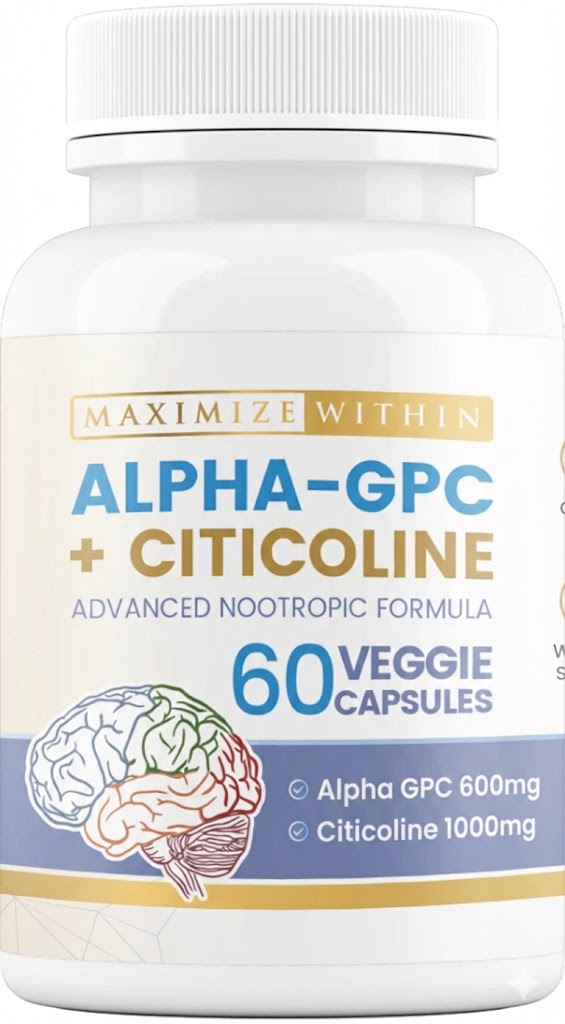
Featured Product
Maximize Within Alpha-GPC + Citicoline | Advanced Nootropic Brain Support Formula
A premium nootropic blend designed to support focus, memory, and mental clarity with the powerful combination of Alpha-GPC and Citicoline.
Shop Now →The Science Behind Prenatal Supplementation
Pregnancy places an extraordinary demand on your body, requiring a massive uptick in specific vitamins and minerals to build a new life. Even with a well-planned, nutrient-rich diet, it can be incredibly challenging to meet these heightened requirements through food alone.
This is where a high-quality prenatal vitamin comes in. Think of it not as a substitute for a healthy diet, but as a crucial safety net, ensuring both you and your developing baby get the consistent, targeted nutrition needed every single day for optimal health.
Why Your Nutrient Needs Skyrocket
During pregnancy, your body undergoes profound changes to support fetal growth. For instance, your blood volume can expand by nearly 50%, which requires a significant increase in iron to produce enough hemoglobin for both you and the baby. This is just one of many physiological shifts driving the need for more nutrients.
Certain micronutrients become the absolute building blocks for your baby's development:
- Folate is vital for closing the neural tube, which later forms the brain and spinal cord. This crucial development happens within the first 28 days of pregnancy, often before a woman is even aware she's expecting.
- Iron is essential for creating new red blood cells to transport oxygen. An iron deficiency can lead to maternal anemia and is linked to a higher risk of preterm birth and low birth weight.
- Iodine plays a central role in producing thyroid hormones, which are the master regulators of the fetal brain and nervous system development.
Falling short on these and other key nutrients can significantly increase the risk of serious birth defects and developmental complications.
Modern Diets and Nutrient Gaps
Even if you're eating conscientiously, our modern food system can make it difficult to get everything you need. Intensive agricultural practices have led to soil depletion, meaning today's fruits and vegetables may not be as mineral-rich as they once were.
Furthermore, the convenience of processed foods often comes at a nutritional cost, as they are typically stripped of their natural vitamins and minerals. These factors combine to create subtle yet important nutritional gaps that can be difficult to fill with diet alone. This growing understanding is why prenatal supplementation has become a standard of care.
The global market for prenatal supplements is expanding rapidly, a direct reflection of the medical community's consensus on their importance. This growth underscores the crucial role these vitamins play in preventing deficiencies that can affect both maternal and infant health.
This trend isn't just about market demand; it's a direct public health response to scientific evidence. Gynecologists increasingly recommend prenatal vitamins as a primary tool for supporting a healthy pregnancy. You can discover more insights about this growing market and its impact on maternal health.
The science is clear: the best prenatal vitamins for pregnancy are not just an optional add-on. They are a fundamental component of modern prenatal care, providing a reliable buffer that closes the gap between what your diet provides and what your baby requires to thrive.
Decoding the Label: A Nutrient-By-Nutrient Comparison
Walking down the supplement aisle can feel overwhelming, especially when you're trying to choose the right prenatal vitamin. It's not just about what's in the bottle, but the specific form of each nutrient. How your body absorbs and utilizes these ingredients can vary dramatically, which is why learning to read a label is one of the most important skills you can develop.
This comparison will break down the most critical nutrients, giving you the clarity to select a prenatal vitamin that works with your body, not against it. The goal is to bridge any nutritional gaps, reduce health risks, and support your baby's healthy development.

As you can see, targeted supplementation acts as a vital insurance policy for both you and your growing baby.
Folate vs. Folic Acid: The Critical Difference
Folate is one of the most discussed prenatal nutrients, and for very good reason—it’s absolutely essential for preventing neural tube defects in a developing fetus. But the form you find on the label, whether it's synthetic folic acid or a natural folate, makes all the difference.
-
Folic Acid: This is the synthetic version found in many fortified foods and lower-cost supplements. Your body can't use it as-is. It must first be converted through a complex metabolic process.
-
Methylated Folate: Often listed as L-5-MTHF or 5-methyltetrahydrofolate, this is the bioactive form of folate. It’s essentially "pre-converted," so your body can absorb and use it immediately.
A significant portion of the population has an MTHFR gene variation that limits their ability to effectively convert folic acid into its usable form. For anyone with this common genetic trait, taking methylated folate is non-negotiable to ensure the baby gets what it needs for healthy brain and spinal cord development.
Iron: The Gentle Absorption Factor
Your body's demand for iron skyrockets during pregnancy, jumping to 27 mg per day to support a nearly 50% increase in blood volume. The problem? Traditional iron supplements are infamous for causing constipation, nausea, and stomach upset. This is where the specific form of iron becomes so important.
The most common form, ferrous sulfate, is inexpensive but notoriously harsh on the digestive system. A far better alternative is iron bisglycinate, a "chelated" form where the iron is bound to an amino acid. This makes it significantly easier for your body to absorb and much gentler on your stomach.
If you have a sensitive digestive system or have struggled with iron supplements in the past, a prenatal with iron bisglycinate is the smartest choice. It provides the iron you need without the unpleasant side effects. Of course, once your baby arrives, their nutritional needs will continue to evolve. For more on that, you can check out our guide on the best vitamins for kids.
DHA: Algal vs. Fish Oil
DHA is an omega-3 fatty acid that is a primary building block for the brain, retina, and skin. During pregnancy, it's a key nutrient for your baby's cognitive and visual development, with most experts recommending at least 200 mg daily. The source matters, both for purity and personal preference.
Fish oil has long been the standard source, but it comes with a risk of contamination from ocean-borne heavy metals like mercury. If you go this route, it's crucial to choose a brand that is third-party tested for purity. Some people also dislike the "fishy burps" that can accompany it.
A cleaner, more sustainable option is algal oil. This is a plant-based, vegan source derived directly from algae, which is where fish get their omega-3s in the first place. It's naturally free from ocean contaminants and an excellent choice for vegans or anyone concerned about purity.
To help you make sense of these choices, here's a quick comparison of the most important nutrient forms.
Key Nutrient Comparison Folate Iron And Dha Forms
This table compares common forms of essential prenatal nutrients to help you choose the most effective and gentle option for your body.
| Nutrient | Common Form (e.g., Synthetic) | Superior Form (e.g., Bioactive) | Why It Matters | Best For |
|---|---|---|---|---|
| Folate | Folic Acid (Synthetic) | Methylated Folate (L-5-MTHF) | Up to half the population can't properly convert folic acid. The methylated form is universally bioavailable. | Everyone, but especially those with an MTHFR gene variation. |
| Iron | Ferrous Sulfate | Iron Bisglycinate (Chelated) | Ferrous sulfate is harsh on the stomach. Bisglycinate is highly absorbable and gentle, preventing constipation. | Anyone with a sensitive stomach or who has had issues with iron supplements before. |
| DHA | Fish Oil | Algal Oil | Algal oil is a vegan, sustainable source free from heavy metals like mercury, which can be found in fish oil. | Vegans, vegetarians, and anyone concerned about purity and sustainability. |
Choosing the superior forms of these key nutrients ensures your body can actually use what you're taking.
Other Important Nutrient Forms
The thoughtful choices don't stop there. Here are a couple of other key nutrients where the form makes a big impact on effectiveness.
Vitamin D: This vitamin is crucial for calcium absorption and fetal bone development. Look for Vitamin D3 (cholecalciferol), which is the form your body makes from sun exposure. It is significantly more effective at raising and maintaining blood levels than the plant-derived Vitamin D2 (ergocalciferol).
Choline: Often missing from prenatal formulas, choline is a brain-building powerhouse. It supports cognitive function and helps prevent certain birth defects. The recommended intake is 450 mg daily during pregnancy, so look for a formula that includes a meaningful dose.
By understanding these key differences, you can move beyond marketing claims and confidently choose a prenatal that contains the most effective, gentle, and bioavailable forms of every essential nutrient.
What to Look for in a Clean Formula

When you’re choosing the best prenatal vitamins for pregnancy, the active ingredients like folate and iron are only half the story. The real measure of a quality formula often lies in what’s not in it.
A truly clean prenatal is defined by its purity. That means you need to become a label detective and look past the front of the bottle to the "Other Ingredients" section. This is where you’ll find out if a brand uses unnecessary additives, fillers, or binders to cut costs or simply make the pill look a certain way.
Identifying and Avoiding Unwanted Additives
Always flip the bottle over and scrutinize the ingredient list. The best formulas use minimal, clean excipients—the non-active ingredients needed to make the pill or capsule. Anything else is just noise.
Here’s what to look out for and avoid:
-
Artificial Colors and Dyes: Ingredients like FD&C Red No. 40 or Blue No. 2 are purely for cosmetic purposes. They have no place in a prenatal supplement.
-
Synthetic Fillers and Binders: Watch for things like magnesium stearate, silicon dioxide, and titanium dioxide. While not always harmful in tiny amounts, their presence often signals a lower-quality manufacturing process.
-
Common Allergens: If you have dietary sensitivities, make sure the label explicitly states it's free from gluten, soy, and dairy. Our line of women's health products is built on this principle, prioritizing clean, allergen-free formulas.
The Importance of Third-Party Certifications
So, how do you know if a brand’s claims are true? The supplement industry isn't as tightly regulated as many people think, which makes independent verification essential for your peace of mind.
This is where third-party certifications come in. These seals of approval are your proof of quality, purity, and potency. When you see a certification logo on the packaging, it means a neutral organization has tested the product to ensure it’s safe and accurate.
A third-party certification from a reputable organization like NSF International, U.S. Pharmacopeia (USP), or the Clean Label Project confirms that the product contains the ingredients it claims and is free from harmful levels of contaminants.
Don't just take a brand’s word for it—look for the proof. This kind of verification is a non-negotiable when choosing a prenatal. It’s the only way to be certain you're getting a high-quality supplement without hidden contaminants or incorrect doses.
Choosing the Right Delivery Format
The form your prenatal comes in—capsule, gummy, or liquid—also affects its quality and effectiveness. Each option has its own trade-offs, and the best one for you comes down to your personal needs and what you can stick with.
Capsules vs. Gummies A Quality Comparison
| Delivery Format | Pros | Cons to Consider |
|---|---|---|
| Capsules | Typically contain more nutrients, are free from added sugars, and can include iron. | Can be difficult for some people to swallow, especially with morning sickness. |
| Gummies | Easy and often pleasant to take, which helps with consistency. | Usually contain added sugars, gelatin, and artificial flavors. They almost never have iron and often have lower nutrient levels. |
| Liquids/Powders | Easy for the body to absorb and great for anyone who has trouble with pills. | Might need refrigeration, can have a strong taste, and may contain preservatives to keep them stable. |
Gummies can be tempting, but they come with compromises. The manufacturing process often involves high heat that can degrade fragile nutrients, and they almost always contain added sugar. Capsules generally allow for a more potent, cleaner, and comprehensive formula.
Ultimately, the best format is the one you’ll actually take every single day. If you can handle capsules, they are usually the superior choice for a clean, effective formula. But if you struggle with pills, a high-quality powder or liquid is a far better option than a sugary gummy.
Here is the rewritten section, following the specified human writing style and formatting guidelines.
What's Next in Prenatal Nutrition for 2026
The field of prenatal nutrition is always moving forward, thanks to new research and a growing expectation from parents for better, more transparent products. Looking ahead to 2026, a few important trends are changing our understanding of what makes a good prenatal vitamin. This isn't just about meeting basic needs anymore; it's about a more complete, science-backed approach.
Knowing about these changes helps you see the real value in premium supplements. It allows you to pick a product that aligns with the latest thinking in maternal and fetal health, giving you and your baby the most up-to-date nutritional support available.
The Demand for Full Transparency and Clean Formulas
Expecting parents today are incredibly savvy. They’re no longer willing to accept vague "proprietary blends" or ingredient lists filled with synthetic fillers. This has sparked a significant shift toward clean-label supplements, where every ingredient is clearly identified and has a specific job to do.
Brands are facing a higher level of scrutiny, with a clear focus on removing:
- Unnecessary binding agents and fillers.
- Artificial colors, flavors, or sweeteners.
- Common allergens such as gluten, soy, and dairy.
This movement is all about building trust. People want to see bioactive, food-sourced ingredients and are happy to invest in formulas that put purity and effectiveness first, rather than just looking good or being cheap.
New Focus on Essential but Overlooked Nutrients
While folate and iron have always been the mainstays of prenatal care, recent science is highlighting other nutrients that are just as vital. The most important of these is choline, a crucial nutrient for a baby's brain development, cognitive function, and the prevention of neural tube defects.
Experts now recommend pregnant women get at least 450 mg of choline every day. Yet, a surprising number of prenatal vitamins either leave it out completely or include a dose that falls well short of this target, creating a major nutritional gap for many.
Other nutrients are also getting more attention, like Vitamin K2, which helps with calcium absorption and bone development, along with various trace minerals that support a mother’s overall health. The most advanced brands are already adding these well-researched nutrients into their formulas.
The Move Toward Personalized and Subscription Plans
The idea of a single prenatal vitamin for everyone is quickly becoming a thing of the past. We're now seeing more brands offer personalized options, like trimester-specific packs that change nutrient levels to match the different stages of pregnancy. For example, your body’s need for iron and DHA is highest in the third trimester, and a tailored supplement will reflect that.
This trend is a major reason why the global market for prenatal vitamin supplements is projected to jump from USD 0.7 billion in 2026 to USD 1.3 billion by 2036. The growth is directly connected to filling nutritional gaps, especially with the U.S. preterm birth rate holding at a concerning 10.4%. You can learn more about how market trends are shaping prenatal care.
Subscription services have also become very popular, mainly because they’re so convenient and ensure you never run out. These services often deliver fresh, high-quality supplements right to your door, taking one more worry off your plate during pregnancy. This combination of personalization and convenience is setting the new standard for prenatal health.
Common Questions About Prenatal Vitamins
As you prepare for pregnancy, it’s completely normal for questions to pop up, especially when it comes to supplements. Getting clear, straightforward answers is the best way to feel confident about the choices you're making for yourself and your growing baby. Let's walk through some of the most common questions we hear about prenatal vitamins.
When Should I Start Taking Prenatal Vitamins?
Ideally, you’ll want to start taking a prenatal vitamin at least one to three months before you begin trying to conceive. This gives your body time to build up crucial nutrient stores, especially folate.
Folate is absolutely essential for preventing neural tube defects in the earliest weeks of pregnancy—often before you even have a positive test. If your pregnancy wasn't planned, don't worry. Just start taking a quality prenatal as soon as you find out.
Are Gummy Prenatal Vitamins As Effective As Pills?
Gummy vitamins can be a real lifesaver if you have a hard time swallowing pills or are struggling with morning sickness. However, you have to be a savvy label-reader. Many gummies don't contain iron because it can affect the taste, and they often come with a dose of added sugar.
If you opt for gummies, double-check that they have adequate folate and DHA. It’s also a good idea to talk with your doctor about whether you'll need a separate iron supplement to cover that common nutritional gap.
Can I Get All My Nutrients From Food Instead?
A healthy, nutrient-rich diet is the cornerstone of a healthy pregnancy, but it's incredibly difficult to meet the increased nutrient demands from food alone. Key nutrients like folate, iron, and choline are needed in amounts that are tough to get consistently, day in and day out.
Think of the best prenatal vitamins for pregnancy as your nutritional insurance policy. They work to fill in any gaps, ensuring your baby has everything needed for healthy development.
Of course, prenatal nutrition is just one piece of the puzzle. Many women also look for ways to manage common pregnancy discomforts. For example, finding natural remedies for hemorrhoids during pregnancy is a frequent concern that’s part of your overall well-being. For more answers to your wellness questions, take a look at our detailed FAQs section.

