


For anyone who loves the ritual of a morning coffee but dreads the heartburn that can follow, finding a gentler alternative is key. The best coffee alternative for acid reflux is a drink that either has lower acidity or ditches the caffeine altogether. Some people find relief with a low-acid coffee blend or cold brew, while others feel better cutting out caffeine with options like roasted chicory root, dandelion tea, or functional mushroom blends that still offer a rich, satisfying flavor.
Finding Your Reflux-Friendly Morning Ritual

Does your morning start with a tough choice between the coffee you love and the discomfort that often comes with it? You're not alone. Many people with digestive issues are looking for a better way to start their day.
This guide will walk you through your options, from simple swaps that keep the coffee flavor you enjoy to new discoveries that come with their own unique benefits. The right choice really depends on what you're trying to achieve:
- Reducing acidity while still enjoying your daily cup.
- Eliminating caffeine to explore new, gut-friendly flavors.
- Adapting your routine with smarter choices, not sacrifices.
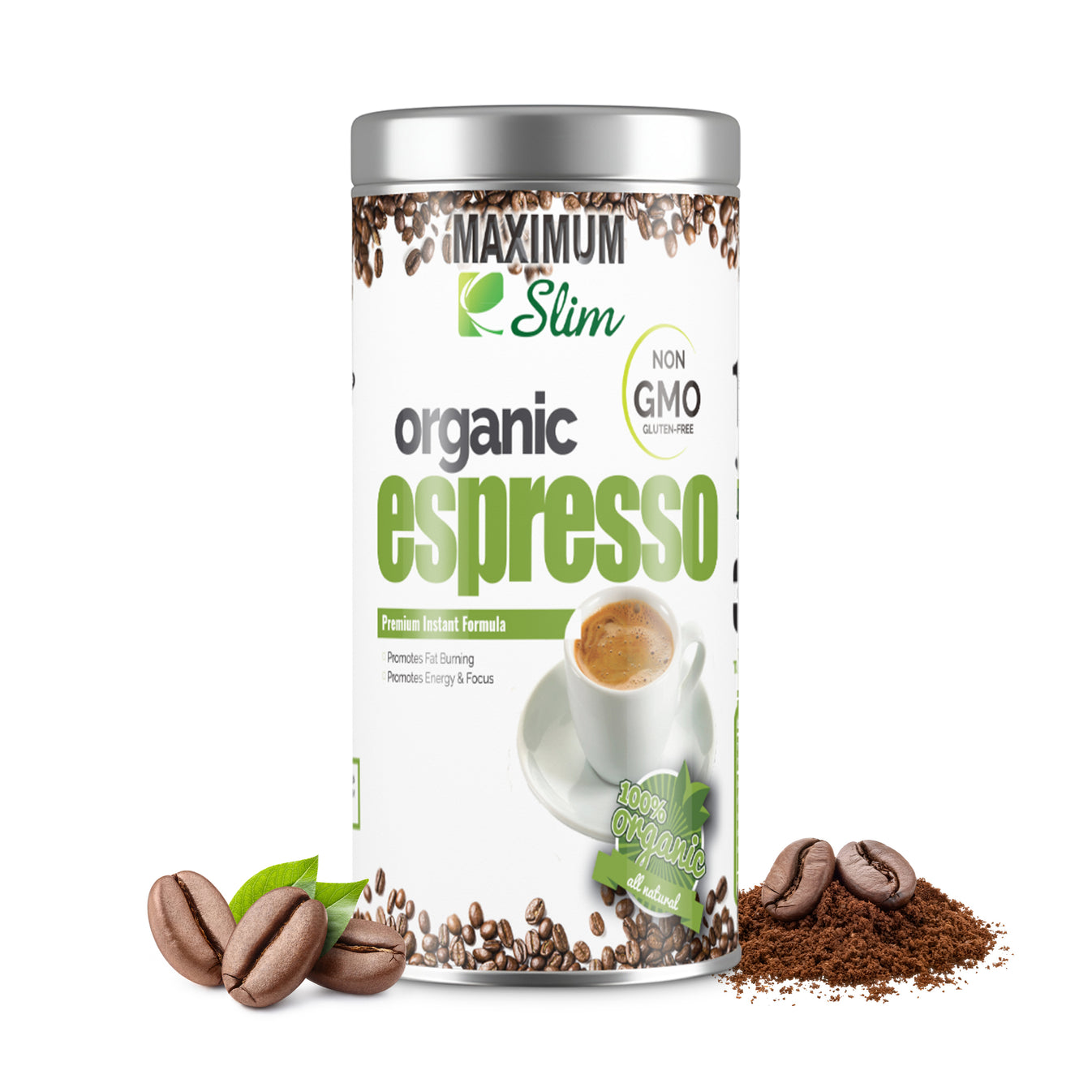
Featured Product
Maximum Slim Organic Espresso | Rich & Smooth Coffee | Natural Energy Boost
Organic espresso with a rich, smooth taste crafted to support natural energy and daily focus. Clean, high-quality blend for your everyday coffee routine.
Shop Now →Why You Are Not Alone
If you feel like your daily coffee has turned on you, market trends show you’re in good company. In fact, nearly 30% of regular coffee drinkers report experiencing acid-related discomfort. This has fueled a fast-growing market for gentler options, with the low-acid coffee sector projected to climb to USD 1,225 million by 2032. This shift highlights a broader awareness of digestive health and a demand for better-for-you beverages. You can discover more insights about this growing market on intelmarketresearch.com.
This isn’t about giving up a beloved routine; it's about upgrading it for better wellness. By exploring the world of low-acid coffees, roasted chicory root, and functional mushroom blends, you can reclaim your morning ritual.
A satisfying and reflux-friendly morning is entirely possible. Making small changes can lead to big improvements in how you feel, especially when you pair your new morning drink with the right foods. For more ideas, you might be interested in our guide on creating a healthy breakfast for energy.
Why Your Morning Brew Causes Heartburn
If your daily cup of coffee is followed by that familiar, uncomfortable burn, it's important to understand the underlying causes to find a real solution. Think of the valve between your esophagus and stomach—the lower esophageal sphincter (LES)—as a gate designed to keep stomach contents securely in place. Certain compounds in coffee can cause this gate to relax, allowing stomach acid to flow upward and create the sensation we know as heartburn.
Two main culprits in your coffee are often responsible for this digestive distress, and they frequently work in tandem.
This decision tree illustrates how both caffeine and acidity can trigger heartburn and points toward different solutions for each.

Understanding whether your discomfort stems from caffeine, acidity, or both is the key to choosing a better alternative, whether that's decaf, a low-acid blend, or a coffee-free option.
The Role of Caffeine
Caffeine is a powerful stimulant, but its impact extends beyond just providing a mental boost. First, caffeine signals your stomach to produce more gastric acid. An increase in stomach acid raises the likelihood of reflux, particularly if the LES is already compromised.
At the same time, caffeine itself can directly relax the lower esophageal sphincter (LES). When this muscular valve doesn't close tightly, it creates an opening for that excess stomach acid to splash back into the esophagus, leading to irritation and pain. This two-pronged effect makes caffeine a primary trigger for many people.
The Impact of Natural Acids
Even if you switch to decaf, coffee is naturally acidic. It contains a variety of organic compounds, like chlorogenic and quinic acids, which contribute to its complex flavor but can also directly irritate a sensitive stomach lining.
The acidity of any substance is measured on the pH scale, where lower numbers mean higher acidity. Regular coffee usually has a pH of around 5.0. While your stomach is far more acidic (pH 1.5 to 3.5), the added acids from coffee can worsen irritation and increase the volume of acidic fluid that can cause reflux.
Fortunately, a coffee's acidity isn't set in stone. Factors like the roast level and brewing method can make a significant difference. Darker roasts and cold brewing, for example, are known to produce a cup with lower acidity. This knowledge empowers you to make smarter choices for your morning ritual that support your digestive health instead of working against it.
Low-Acid Coffee: A Gentler Way to Enjoy Your Cup

If the thought of eliminating coffee from your daily routine feels impossible, you have other options. Low-acid coffee provides a way to enjoy that rich, familiar taste you love, but it’s specifically processed to be gentler on your digestive system.
It's important to understand that "low-acid" does not mean "acid-free." These coffees are designed to reduce the specific acidic compounds known to trigger heartburn, making them an excellent starting point for anyone looking for a coffee alternative for acid reflux without giving up their favorite drink.
How Roasters Reduce Acidity
Creating a stomach-friendly brew is a craft that begins long before the coffee gets to your kitchen. Roasters employ several techniques to lower the final acidity.
- Bean Selection: Coffee beans grown at lower altitudes, particularly in regions like Brazil or Sumatra, are naturally less acidic than beans from high-altitude environments.
- Roasting Process: A longer, slower roast—especially a dark roast—is effective at breaking down the chlorogenic acids that often contribute to stomach irritation.
- Special Treatments: Some brands utilize unique methods, like steam or water-processing treatments before roasting, to remove a large portion of the bean’s acidic compounds and its waxy outer layer.
This growing interest in gentler coffee isn't just a niche trend. With up to 30% of drinkers experiencing issues with acidity, the global low-acid coffee market was valued at over USD 746 million and is projected to grow. As digestive wellness becomes a greater priority, more people are seeking out these options. You can explore more data on this global pivot on wiseguyreports.com.
The goal of low-acid coffee is to let you enjoy the ritual and taste of a great cup of coffee, just without the painful aftermath. It’s an adjustment, not a compromise.
Use this quick comparison to find the best low-acid coffee option for your morning routine.
Comparing Your Low-Acid Coffee Choices
| Option | How It Reduces Acidity | Taste Profile | Best For |
|---|---|---|---|
| Dark Roasts | The longer roasting process breaks down more acidic compounds like chlorogenic acid. | Bold, robust, and often smoky or chocolatey notes. Less bright than light roasts. | Those who already enjoy a strong, full-bodied cup of coffee. |
| Low-Altitude Beans | Beans grown in regions like Brazil or Sumatra have a naturally lower acid content. | Earthy, smooth, and full-bodied, with muted fruitiness. | Drinkers who prefer a consistently smooth and less tangy flavor. |
| Cold Brew | Steeping in cold water for an extended period extracts fewer acids than hot brewing. | Exceptionally smooth, sweet, and low in bitterness. | DIY enthusiasts and anyone who enjoys iced coffee with a mellow flavor. |
Each of these choices offers a pathway to a more comfortable coffee experience, allowing you to select the method and taste that best suits your preferences.
The Cold Brew Advantage
One of the most accessible ways to enjoy a less acidic coffee is to simply change your brewing method. Cold brewing involves steeping coarse coffee grounds in cold or room-temperature water for 12 to 24 hours.
This slow, heat-free extraction creates a coffee concentrate that is significantly less acidic and bitter. In fact, studies show it can be up to 67% less acidic than its hot-brewed counterpart. The result is a smoother, sweeter flavor profile that many find easier on the stomach. For those who want to stick with their favorite beans, this method is an excellent DIY solution.
If you're ready to explore high-quality beans, check out our collection of premium organic coffee perfect for any brewing style.
Exploring Delicious Caffeine-Free Alternatives

Ready to leave caffeine behind? Good news—stepping away from coffee doesn’t mean giving up your warm, comforting morning ritual. There's a whole world of satisfying, caffeine-free drinks that offer complex flavors without the acid reflux blowback.
These aren't just your standard teas. Many are roasted, ground, and brewed just like coffee, giving you that same familiar experience. Best of all, they're naturally gentle on your digestive system.
Chicory Root: Your Gut-Friendly Brew
Chicory root is easily one of the most popular coffee substitutes out there, and for good reason. When you roast and grind it, the root develops a robust, slightly nutty flavor that beautifully mimics coffee’s bitterness. It has a long and storied history, especially in New Orleans, as a go-to coffee replacement.
But chicory offers more than just great taste. It’s also a fantastic source of inulin, a type of prebiotic fiber. This fiber acts as food for the good bacteria in your gut, promoting a healthy digestive system and keeping you regular. So, you’re not just avoiding a reflux trigger—you’re actively supporting your gut health.
This move away from traditional coffee doesn’t mean sacrificing quality or flavor. Herbal coffee substitutes now command a 60% market share, proving they are the top choice for people dealing with acid reflux. The global market for these alternatives is set to reach an impressive USD 17.88 billion by 2033, with chicory-based drinks leading the charge.
Dandelion Root and Carob
Two other wonderful options to explore are dandelion root and carob. They each bring something unique to the table.
- Dandelion Root: Much like chicory, roasted dandelion root has a deep, earthy flavor profile. It's also been traditionally used to gently support liver health, which adds a nice wellness boost to your morning cup.
- Carob: If you lean toward sweeter, less bitter flavors, carob is a perfect fit. It has a naturally sweet, almost chocolate-like taste, making it a delicious and soothing alternative that's completely free of caffeine and acid.
Functional Mushroom Blends
A new and exciting category of coffee alternatives comes from functional mushroom blends. These drinks typically combine adaptogenic mushrooms like Lion's Mane and Chaga with other herbs and roots to create a balanced, energizing brew.
Instead of a sharp caffeine jolt, these blends provide a more sustained, calm sense of focus. Lion's Mane, in particular, is well-regarded for its ability to support cognitive function, helping you feel alert without any jitters or the risk of an afternoon crash.
Many of these blends also include chicory or carob to create a more coffee-like taste. If you're looking for other gentle morning drinks, you might enjoy our Organic Herbal Tea Matcha Rooibos Blend, which offers a smooth, antioxidant-rich start to your day. As another soothing option, you could look into the best aloe vera juice for acid reflux.
Here is the rewritten section, crafted to sound completely human-written and natural, following all provided instructions and style examples.
Simple Preparation Tips to Minimize Acid Reflux
How you put together your morning cup can be just as crucial as what you choose to put in it. Even a carefully selected coffee alternative for acid reflux might cause issues if it isn't prepared with your digestive comfort in mind.
A few simple adjustments can make a world of difference. It often starts with creating a protective layer in your stomach and ends with being thoughtful about what you add to your drink.
One of the easiest and most effective rules is to never drink on an empty stomach. A little bit of food—especially something with fiber like oatmeal or a piece of whole-grain toast—acts as a buffer, helping to absorb some of the acid and prevent irritation.
Choose Your Add-Ins Wisely
What you stir into your mug truly matters. Many common additions can unknowingly increase acidity and cause discomfort, but some smart swaps can actually help soothe your system.
- Switch Your Milk: Dairy, especially whole milk, has fat that can relax the lower esophageal sphincter, making reflux worse. Try gentler, less acidic plant-based milks like almond, soy, or oat milk instead.
- Balance the pH: If you're drinking a beverage that still has some acidity, like low-acid coffee, a tiny pinch of baking soda can be a game-changer. As an alkaline substance, it helps neutralize acid without really changing the flavor.
- Skip the Sugar: For many people, sugary syrups and sweeteners can ferment in the gut and lead to digestive upset. For flavor, a dash of cinnamon or a drop of pure vanilla extract is a much better choice.
The goal is to build a soothing, enjoyable beverage from the ground up. By making conscious choices about what you add to your cup, you can significantly reduce the risk of triggering reflux symptoms.
Quick Recipes for a Gentler Morning
It's easy to put these ideas into practice. Here are two simple recipes to help you start a more comfortable morning routine tomorrow.
Ultra-Smooth Cold Brew Concentrate
- Combine: In a large jar, mix one part coarse-ground coffee with four parts cold, filtered water.
- Steep: Cover the jar and let it steep for 12-18 hours. You can leave it on the counter or put it in the fridge.
- Strain: Gently pour the mixture through a fine-mesh sieve or a layer of cheesecloth to filter out the grounds.
- Serve: This is a concentrate, so dilute it to your liking. A 1:1 ratio with water or your favorite non-dairy milk is a great place to start. Serve over ice.
Creamy Chicory Latte
- Brew: Make a strong cup of roasted chicory root "coffee" using the directions on the package.
- Heat & Froth: Warm up one cup of oat or almond milk, either on the stove or in the microwave. If you have a milk frother, use it to create a light foam.
- Combine: Pour the warm, frothed milk into your brewed chicory. Finish with a dash of cinnamon on top for a comforting, reflux-friendly latte.
When to Talk to a Doctor About Your Symptoms
While finding the right coffee alternative can be a game-changer for your daily comfort, it’s important to remember that these changes are a way to manage symptoms, not a cure for underlying conditions like GERD (gastroesophageal reflux disease). Think of it this way: adjusting your morning brew is an incredible first step, but it works best when paired with professional medical advice, especially when symptoms stick around.
It's all about listening to what your body is telling you. If you’ve made significant changes to your diet but are still struggling, that's a clear signal it’s time to consult a healthcare professional. They can provide a proper diagnosis and help you build a more comprehensive treatment plan.
Key Signs It's Time to See a Doctor
Pay close attention to your body. If you're experiencing any of the following, it might be a sign of a more significant issue that needs a medical eye:
- Frequent Heartburn: You’re reaching for relief from heartburn or other reflux symptoms more than twice a week.
- Difficulty Swallowing: You feel a sensation of food being stuck in your throat or chest when you eat.
- Unexplained Weight Loss: The numbers on the scale are dropping, but you haven't been trying to lose weight.
- Persistent Symptoms: Your discomfort just won’t quit, even after your best efforts to change your diet and lifestyle.
Taking that next step to talk with a doctor is about getting to the root cause of your symptoms, not just putting a bandage on them. This proactive approach helps rule out more serious conditions and lets you build a wellness plan that is both safe and truly effective for your long-term health.
Answering Your Top Questions About Coffee and Acid Reflux
Even after sorting through the options, you probably still have a few questions rattling around. Let's tackle some of the most common ones so you can feel confident about what you’re pouring into your mug each morning.
Is Decaf Coffee Okay for Acid Reflux?
While decaf coffee has much less caffeine—a known reflux trigger for many people—it’s not a completely acid-free solution. The natural acids found in coffee beans are still present after the decaffeination process, and they can absolutely irritate a sensitive stomach.
If you’ve noticed that caffeine is your main problem, switching to decaf might be all you need to do. But if your symptoms don't go away, the coffee's acidity is the likely culprit. In that case, a truly acid-free coffee alternative for acid reflux is probably your best bet.
Can I Just Add Milk to My Coffee to Reduce Acidity?
Adding a splash of milk to tone down coffee's acidity seems like an easy fix, but it can be a double-edged sword. Milk might slightly increase the overall pH of your drink, but dairy—especially full-fat milk—contains fat that can relax the lower esophageal sphincter (LES).
When the LES relaxes, it's easier for stomach acid to creep back up into your esophagus, which could make your reflux worse, not better. A smarter choice is to use low-fat, non-acidic plant-based milks like almond or oat milk.
Are Herbal Teas Always a Safe Bet?
For the most part, herbal teas are a fantastic, caffeine-free choice. Teas like chamomile and ginger are well-known for their soothing, anti-inflammatory effects that can help calm the digestive system. However, not all herbal teas are created equal when it comes to acid reflux.
A notable exception is peppermint tea. Many people looking to manage their reflux through diet often wonder if peppermint tea for acid reflux is a helpful remedy or a painful mistake. While refreshing, peppermint has been shown to relax the LES, which can increase the likelihood of heartburn.
Does the Time of Day I Drink Matter?
Yes, timing can make a huge difference. Drinking any beverage, even a low-acid one, on a completely empty stomach can be more irritating. It's always a good idea to have a little food in your system first to act as a buffer.
Also, try to avoid drinking coffee or its alternatives within three hours of going to bed. Lying down makes it much easier for stomach acid to travel upward, so giving your stomach plenty of time to empty can help prevent those disruptive nighttime reflux symptoms.
At Maximum Health Products, we believe in empowering you with science-backed nutrition to feel your best every day. Explore our collections of clean-label coffee, teas, and functional supplements to build a wellness routine that supports your energy, digestion, and confidence. Discover your perfect match at https://maximumhealthproducts.com.

