


If you've found that the weight loss methods that worked in your 20s and 30s are falling flat now, you're not imagining things. It truly is harder to lose weight after 40, and the reason lies in significant biological shifts happening inside your body. These changes include a slowing metabolism, hormonal fluctuations that favor fat storage, and a natural loss of calorie-burning muscle.
The Post-40 Weight Loss Puzzle
Hitting your 40s can feel like your body suddenly started playing by a different set of rules. The scale, which once responded predictably to a week of clean eating or a few extra workouts, might now seem stubbornly stuck. This is an incredibly common experience, and it’s rooted in real physiological changes—not a sudden decline in willpower.
Think of it less like your body is "broken" and more like it's operating under a new internal system. Understanding this shift is the key to cracking the code. To help clarify these changes, here is a breakdown of the primary factors at play.
Key Reasons Weight Management Changes After 40
| Factor | Impact on Your Body | What It Means for Weight Loss |
|---|---|---|
| Slowing Metabolism | Your resting metabolic rate (RMR), the number of calories you burn at rest, naturally declines with age. | You burn fewer calories throughout the day, so the same diet that once worked may no longer create a calorie deficit. |
| Hormonal Shifts | Changes in estrogen, testosterone, and cortisol can alter how and where your body stores fat, often favoring the midsection. | Hormones can make your body more prone to storing fat and can also impact your energy levels and mood, affecting workout consistency. |
| Muscle Loss (Sarcopenia) | You begin to lose metabolically active muscle mass. This process, known as sarcopenia, accelerates in your 40s. | Less muscle means a lower daily calorie burn, making it easier to gain weight even if your diet hasn't changed. |
| Lifestyle Factors | Demanding careers, family duties, and increased stress often lead to less sleep, more sedentary time, and stress-related eating. | High stress and poor sleep can raise cortisol levels, which is directly linked to increased appetite and abdominal fat storage. |
Each of these factors is interconnected, creating a new biological reality that requires a smarter, more targeted strategy for effective and sustainable weight management.

The Science of the "Middle-Age Spread"
This isn't just an anecdotal observation; it's a well-documented biological process. Starting around age 30, women can lose 3–8% of their muscle mass per decade. This gradual loss is a primary contributor to the typical 10-25 pound weight gain many people notice between their 20s and 40s as their resting metabolic rate (RMR) drops.
As a result, you might need 200-300 fewer calories per day just to maintain your current weight. This metabolic slowdown is a game-changer. For a deeper dive into how your body’s needs change, check out the helpful insights on WholeHealthPartners.com.
The bottom line is that your body's innate calorie-burning capacity naturally diminishes over time. The same strategies that once created a calorie deficit are now less effective, demanding a more intelligent approach to both nutrition and exercise.
By understanding these fundamental shifts, you can trade frustration for empowerment. You'll be armed with the knowledge you need to work with your body in this new chapter, not against it.
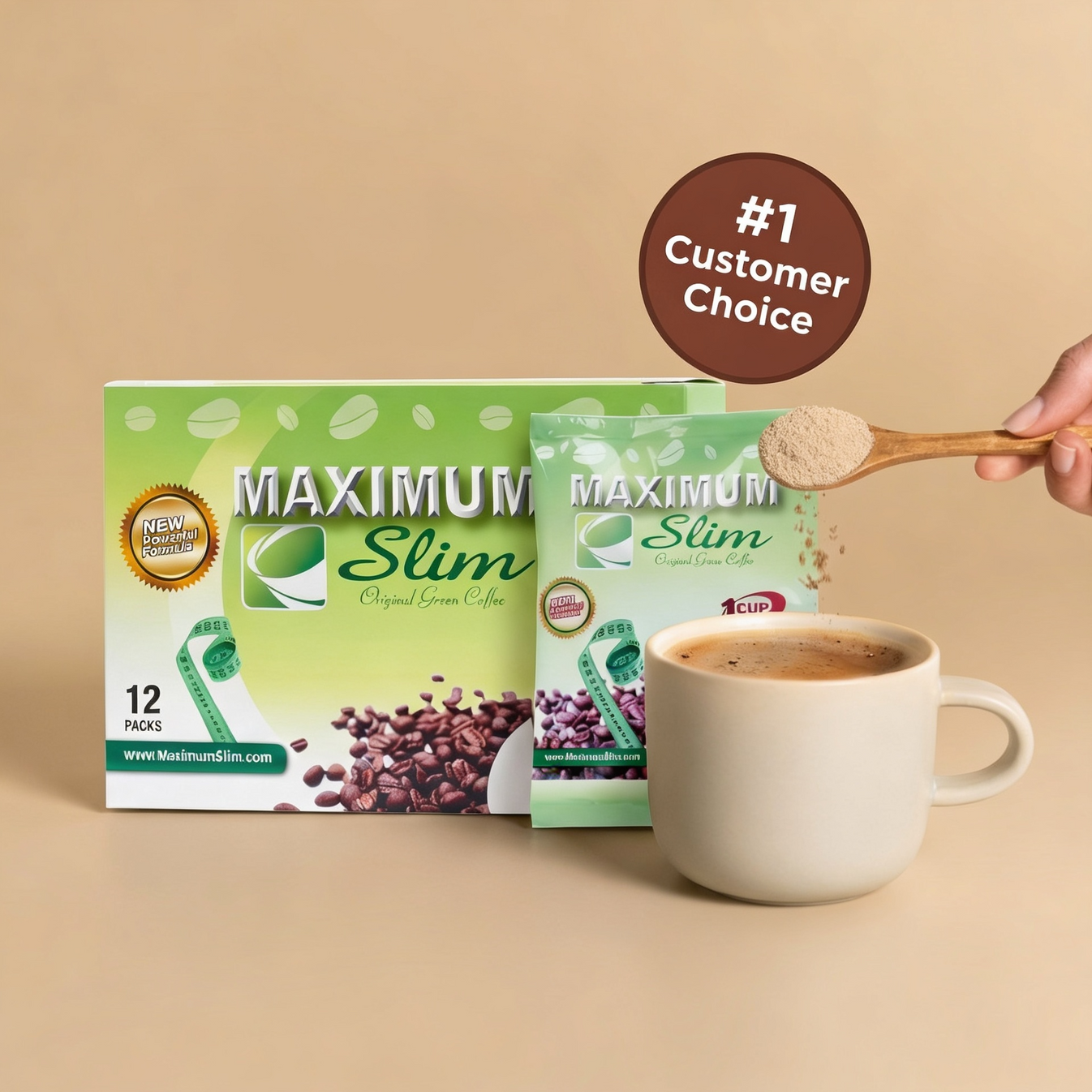
Featured Product
Maximum Slim Original Green Coffee | Premium Unroasted Arabica Blend (12 Ct)
Discover a delicious daily coffee crafted to complement your wellness routine. Enjoy one cup a day as part of a balanced lifestyle.
Shop Now →Understanding Your Metabolic Engine After 40
It’s a common frustration: the same habits that kept you lean in your 30s suddenly seem to betray you after 40. Many people come to believe their metabolism is "broken," making weight loss feel like an impossible uphill battle. The reality is far more empowering. Your metabolism isn't broken; it's simply changing, and you have more control over it than you might think.
The best way to understand this change is to think of your muscle mass as your body's metabolic engine. Just like a big, powerful car engine burns fuel even when it's idling at a stoplight, your muscles burn calories around the clock—even when you're just resting. This is your Resting Metabolic Rate (RMR), and it’s responsible for most of the calories you burn every single day.
After 40, that metabolic engine often starts to shrink. We naturally begin to lose muscle mass in a process called sarcopenia. With less active muscle tissue, your RMR naturally declines, which means your body simply needs fewer calories to operate. This is the heart of why it is hard to lose weight after 40; the amount of food that maintained your weight a decade ago can now slowly lead to weight gain.
The Science Behind a Slower Metabolism
It's important to realize your metabolism isn't just slowing down for no reason. It's directly responding to the loss of its most metabolically active tissue—your muscle. As we get older, our bodies become a bit less efficient at building and maintaining muscle, a process that speeds up if we lead a more sedentary life.
This isn't a dramatic overnight event. Research shows that from our 30s onward, many of us have been losing about half a pound of muscle each year. While that might not sound like a lot, it adds up significantly over a decade. The good news? It's not inevitable. Studies show we can offset up to 50% of this age-related metabolic decline with the right strategies. Experts consistently point to a combination of resistance training and getting 20-30g of protein per meal to protect this vital lean mass.
As our bodies change, it's also important to be smart about our approach. Factors like a potential metabolic slowdown become critical considerations, especially when thinking about extreme dieting and the questionable safety of very low-calorie plans.
The most powerful secret to managing your weight after 40 isn't about eating less—it's about preserving the calorie-burning muscle you already have.
How to Keep Your Metabolic Engine Running Strong
If muscle loss is the main culprit behind a sluggish metabolism, then the solution becomes beautifully clear. We need to shift our focus from endless cardio and drastic calorie cuts—which can actually accelerate muscle loss—and instead work on building and maintaining muscle.
There are two non-negotiable strategies for protecting your metabolic engine:
-
Resistance Training: This is the most direct way to tell your body to build and keep muscle. Lifting weights, using resistance bands, or doing bodyweight exercises are all fantastic ways to do this. Aim for at least two to three sessions a week.
-
Sufficient Protein Intake: Protein provides the essential building blocks (amino acids) your body requires to repair and grow muscle, especially after a workout. Without enough protein, your hard work in the gym simply won't deliver the results you're after.
This one-two punch of strength training and proper protein intake is the foundation for keeping your metabolism firing on all cylinders. Not only will you find it easier to manage your weight, but you'll also feel stronger and more energetic. For more ideas on how to get started, check out our guide on how to boost your metabolism.
The Role of Protein in Your Forties and Beyond
Getting enough protein becomes even more critical as you get older. Our bodies become slightly less responsive to the muscle-building signals from protein, a phenomenon known as "anabolic resistance." This just means you might need a bit more of it to get the same muscle-preserving benefit you did in your younger years.
Your Daily Protein Goal
| Body Weight | Recommended Daily Protein (grams) | Example Protein Sources |
|---|---|---|
| 140 lbs | 84g - 112g | 4 oz chicken breast (35g), 1 cup Greek yogurt (20g), 1 scoop protein powder (25g), 1/2 cup lentils (9g) |
| 160 lbs | 96g - 128g | 4 oz salmon (23g), 2 eggs (12g), 1 scoop protein powder (25g), 1 cup quinoa (8g), 4 oz steak (30g) |
| 180 lbs | 108g - 144g | 5 oz turkey breast (40g), 1 cup cottage cheese (25g), 1 scoop protein powder (25g), 1 oz almonds (6g), 1/2 block tofu (20g) |
It's also best to spread your protein intake evenly throughout the day, aiming for about 20-30 grams per meal. This ensures a steady supply of amino acids for your muscles to use for maintenance and repair.
Let's be realistic—hitting these protein targets with whole foods alone can be tough, especially with a busy schedule. This is where a high-quality, clean-label protein supplement can be an incredibly practical tool. It offers a simple and convenient way to make sure your muscles are getting the fuel they need, helping you fight back against metabolic slowdown and manage your weight effectively after 40.
How Hormonal Shifts Influence Your Waistline
If you feel like your body is playing by a new set of rules after 40, you’re not imagining things. A huge part of the story comes down to hormones—the powerful chemical signals that run the show behind the scenes, managing everything from your mood to how your body uses energy.
Think of your hormones as the diligent managers of your body’s energy budget. In your 20s and 30s, they were quick to spend calories on building muscle or fueling your day. But as we get older, these managers get new directives. They start prioritizing saving energy, often by storing it as fat, especially around the middle. This is a normal, predictable biological shift, not a personal failure.
These changes happen to everyone, though they play out a bit differently for men and women. For many, this invisible internal shift is the main reason the number on the scale starts to creep up, even when nothing about your diet or exercise routine has changed.
For Women: Estrogen and Perimenopause
For women, the hormonal story of the 40s is all about perimenopause, that transitional runway leading to menopause. During this time, estrogen—a key player in regulating body weight and fat distribution—begins to fluctuate unpredictably before taking a nosedive.
This drop in estrogen is a real game-changer. It effectively rewires your body’s fat-storage patterns, encouraging it to store less fat on the hips and thighs and more in the abdominal area. This is why so many women notice a frustrating increase in stubborn belly fat during this phase. In fact, research shows that women can start gaining an average of 1.5 pounds per year in their mid-40s, and these hormonal shifts are a primary driver.
For Men: Testosterone and Muscle Mass
Men aren't exempt from hormonal changes, though the process is usually more gradual. Starting around age 30 or 40, testosterone levels tend to decline by about 1–2% each year. That might not sound like much, but over a decade, the cumulative effect really adds up.
Testosterone is critical for maintaining muscle mass, which is a major engine for your metabolism. As levels dip, it becomes much harder to build and hang onto lean muscle. This directly contributes to age-related muscle loss and, as a result, a slower metabolism. On top of that, lower testosterone can sap your energy and motivation, making it that much harder to stick with your workouts.
The Universal Impact of Cortisol
Beyond the sex hormones, there's another major player that impacts all of us, especially in our high-stress modern world: cortisol. Known as the "stress hormone," cortisol is your body's built-in alarm system, released in response to any perceived threat—whether it's a genuine emergency or just a sleepless night worrying about a work deadline.

When stress isn't a brief event but a chronic state—a common reality for adults juggling careers, families, and finances—your cortisol levels can get stuck on "high." This has a double-whammy effect on your waistline:
- It cranks up cravings: High cortisol is directly linked to intense cravings for high-sugar, high-fat "comfort" foods. It's a physiological drive, not just a lack of willpower.
- It promotes belly fat: Cortisol signals fat cells in your abdomen to go into storage mode, contributing directly to an accumulation of deep, visceral belly fat.
These hormonal changes—declining estrogen and testosterone, and rising cortisol—create a perfect storm for weight gain after 40. They slow your metabolism, change where you store fat, and increase your cravings, making weight management a far greater challenge than it was in your younger years.
Lifestyle Creep: The Hidden Saboteur of Weight Loss After 40

While your metabolism and hormones are major players, they often have a quiet partner in crime: lifestyle creep. It's not one big decision, but a slow, nearly invisible drip of small habit changes that can seriously derail your weight management efforts after 40.
Think back to your 20s. Maybe you walked everywhere on campus, had an active job, or spent weekends on your feet. Fast forward to your 40s, and life probably looks quite different. Demanding careers, longer commutes, and family responsibilities often mean sedentary habits quietly take over.
These changes are so gradual you hardly notice them. You take the elevator instead of the stairs. You drive to a store that's only a 15-minute walk away. You work an extra hour at your desk instead of going for a walk. Each choice seems tiny on its own.
But over months and years, the cumulative effect is huge. This slow decline in daily activity quietly lowers your daily calorie burn, even if your diet hasn't changed at all.
The Rise of Sedentary Habits
As life gets fuller, our default setting often switches from "active" to "seated." Look at how these common scenarios can stack up, creating a more sedentary life without you even realizing it.
- Career Demands: Promotions and bigger responsibilities often mean more time in a chair. This tanks your non-exercise activity thermogenesis (NEAT), which is all the calories you burn from small, daily movements.
- Family Life: Your free time might now be spent driving kids to practice or helping with homework instead of going for a bike ride, completely changing how you use your evenings and weekends.
- Daily Commutes: An hour or more in a car or on a train each day is time that could have been spent moving.
This slow-motion shift means your body's energy output drops while your eating habits stay the same—a perfect recipe for the slow, steady weight gain that leaves so many people feeling confused and frustrated.
The Vicious Cycle of Stress and Sleep
Lifestyle creep isn't just about how much you move; it's also deeply tied to your mental state. The mounting pressures of midlife often forge a destructive partnership between chronic stress and poor sleep, both of which directly sabotage weight loss.
When you're constantly stressed, your body churns out cortisol. As we've covered, high cortisol can crank up cravings for sugary, high-fat foods and tells your body to store fat right around your middle.
This is where sleep—or a lack of it—pours fuel on the fire. Stress is a primary cause of sleep problems, and poor sleep, in turn, makes your stress response even worse. It’s a vicious cycle that throws your hunger hormones into total chaos.
Insufficient sleep is like a hormonal sledgehammer to your weight loss goals. It disrupts the delicate dance of hormones that control your appetite, making you feel hungrier and less satisfied by the food you do eat.
How Poor Sleep Hijacks Your Hunger Hormones
When you don't get enough quality sleep, two key hormones that regulate your appetite go completely haywire.
- Ghrelin (The "Go" Hormone): This is your hunger hormone. Sleep deprivation causes ghrelin to spike, sending powerful "EAT NOW" signals to your brain.
- Leptin (The "Stop" Hormone): This is your satiety hormone that tells your brain you're full. When you're sleep-deprived, leptin levels plummet. The "I'm full" signal never arrives.
This hormonal storm makes overeating almost inevitable. You feel hungrier, the food you eat isn't as satisfying, and your tired brain has less willpower to fight off cravings. Studies even show that poor sleep in midlife can lead to eating an extra 200–500 calories per day.
By recognizing these patterns, you can start to push back. Understanding the powerful link between your daily habits, stress, and sleep is the first step toward reclaiming control. For actionable tips on this crucial topic, our guide on how to improve sleep quality is a great place to start.
Your Sustainable Action Plan for Results After 40
Understanding the biological shifts that make weight loss challenging after 40 is one thing. Turning that knowledge into a practical, sustainable plan is the real key to success.
This isn't about revisiting the crash diets of your 20s. Those quick fixes often backfire, leading to muscle loss and a slower metabolism—the very things you're trying to combat.
Instead, we need a modern strategy built for your body as it is today. This approach is founded on four pillars: strategic nutrition, intelligent movement, restorative sleep, and proactive stress management. When these elements work in harmony, you're able to partner with your body's new reality, not fight against it.
Pillar 1: Strategic Nutrition That Works for You
Forget about restrictive, punishing diets. The most effective nutritional strategy after 40 focuses on what you add to your plate, not just what you take away. Your two most powerful tools are protein and fiber, which are essential for managing hunger, preserving muscle, and stabilizing your energy.
-
Prioritize Protein: Aim for 25-30 grams of protein at each meal. This helps signal your body to hold onto its metabolically active muscle mass. Excellent sources include lean meats, fish, eggs, Greek yogurt, lentils, and high-quality, clean-label protein powders.
-
Fill Up on Fiber: Fiber from fruits, vegetables, and whole grains promotes a feeling of fullness, which helps you naturally manage your calorie intake. It also feeds the healthy bacteria in your gut, which is vital for overall metabolic health.
Severe calorie restriction is especially counterproductive after 40. Data shows a staggering 70% of adults over 40 find it harder to manage their weight, often due to a less active lifestyle. Trying to solve this by drastically cutting calories typically results in losing valuable muscle instead of fat, making future weight regain almost inevitable.
Pillar 2: Intelligent Movement and Strength
If your workout routine is still dominated by long, slow cardio sessions, it’s time for an update. While cardio is fantastic for your heart, resistance training is non-negotiable for fighting age-related muscle loss and keeping your metabolism fired up.
Think of it this way: cardio burns calories during the session. Strength training builds muscle that burns extra calories all day long—even when you're resting.
Your goal is not to become a bodybuilder. It's to build and maintain enough functional strength to keep your metabolic engine running strong and support a lean, healthy physique.
A balanced weekly routine could look like this:
- 2-3 Days of Strength Training: Focus on compound exercises like squats, lunges, push-ups, and rows that engage multiple muscle groups simultaneously.
- 2-3 Days of Cardio: Choose activities you genuinely enjoy, like brisk walking, cycling, or swimming. Try adding short bursts of higher intensity (intervals) to amplify the benefits.
- Daily Movement: Make activity a part of your daily life. Even a simple 20-minute walk after dinner makes a difference.
Pillar 3: Restorative Sleep for Hormonal Harmony
You can follow a perfect diet and exercise plan, but you'll be fighting an uphill battle if your sleep is poor. Sleep is when your body performs its most critical repair work, including regulating the hormones that control appetite and manage stress.
Commit to getting 7-9 hours of quality sleep each night. To set yourself up for success, establish a relaxing pre-bed routine. This might involve turning off screens an hour before bed, taking a warm bath, or reading a book. Protecting your sleep is one of the most powerful moves you can make to control cravings and support your goals.
Pillar 4: Simple Stress Management
Chronic stress elevates cortisol, a hormone that directly signals your body to store fat around the abdomen and triggers cravings for high-sugar, high-fat foods. You don’t need an elaborate meditation practice to see real benefits.
Start with simple, accessible techniques:
- Mindful Moments: Take three slow, deep breaths before you start a meal or anytime you feel overwhelmed.
- Short Walks: A quick 10-minute walk outdoors can do wonders for lowering cortisol levels.
- Time for Hobbies: Scheduling even a few hours a week for an activity you love is a potent form of stress relief.
Here is an example of how you can structure your week to incorporate these principles.
Your Weekly Template for Post-40 Wellness
This table provides a balanced weekly guide to nutrition, exercise, and wellness designed for sustainable, long-term results. Think of it as a flexible template you can adapt to your own schedule and preferences.
| Day of Week | Nutrition Focus (Example Meal) | Movement Goal | Wellness Practice |
|---|---|---|---|
| Monday | Protein-Rich Breakfast (Scrambled eggs with spinach) | 30-min Full-Body Strength Training | 5-min mindful breathing before bed |
| Tuesday | Fiber-Focused Lunch (Large salad with grilled chicken & beans) | 45-min Brisk Walk or Cycling | Turn off screens 1 hour before sleep |
| Wednesday | Hydration & Whole Foods (Aim for 2L of water) | 30-min Full-Body Strength Training | 15-min hobby time (reading, music) |
| Thursday | Plant-Based Dinner (Lentil soup with whole-grain bread) | 45-min activity of choice (swim, yoga, dance) | Gentle stretching before bed |
| Friday | Healthy Fats (Avocado toast, salmon salad) | 30-min Full-Body Strength Training | Connect with a friend or loved one |
| Saturday | Mindful Indulgence (Enjoy a planned treat without guilt) | Long Walk or Hike (60+ minutes) | Spend time in nature |
| Sunday | Meal Prep & Planning (Prepare veggies, cook grains for the week) | Active Recovery (Light stretching, gentle walk) | Plan the week ahead to reduce stress |
By integrating these four pillars, you're creating a comprehensive system for lasting success. You can build on this foundation with our guide on creating a personalized weight loss meal plan. For a deeper dive into personalized strategies, you can also explore new approaches on how to lose weight in your 40s.
Frequently Asked Questions

It's completely normal for questions to pop up as you navigate health and wellness after 40. This section tackles some of the most common ones we hear, giving you straightforward answers to help you move forward with confidence.
How Much Protein Do I Really Need to Lose Weight After 40?
Think of protein as your most valuable player in preserving muscle mass after 40. A solid target is 1.2 to 1.6 grams of protein per kilogram of body weight (or about 0.5 to 0.7 grams per pound).
For someone weighing 150 pounds, that works out to between 75 and 105 grams of protein each day. But here’s the key: don't try to get it all in one meal. The goal is to spread your intake evenly throughout the day.
Try to include 20-30 grams of protein with each meal. This provides a steady stream of amino acids your body needs to repair and build muscle. A protein-forward breakfast is especially effective for promoting fullness and helping you sidestep those afternoon cravings that can throw your goals off track.
Consistently hitting your protein target can be a real challenge. If you're struggling to get enough from whole foods, a clean-label protein supplement is an excellent tool. It offers a simple, effective way to meet your needs without the unwanted sugars or artificial fillers.
Can Supplements Really Help Boost My Metabolism?
While no supplement is a magic bullet that can replace a healthy diet and regular exercise, certain ingredients can offer powerful metabolic support. It's helpful to see them not as a fix, but as an amplifier for the healthy habits you're already building.
For example, compounds like the chlorogenic acid found in green coffee extract have been studied for their ability to support healthy glucose metabolism. These ingredients work best when they complement a solid foundation of whole-food nutrition and consistent physical activity.
When choosing a supplement, always look for clean-label formulas. This ensures you're helping your body manage the natural metabolic slowdown that comes with age, without adding unnecessary or counterproductive ingredients into the mix.
Should I Get a Medical Check-Up Before Trying to Lose Weight?
Absolutely, yes. Before starting any new weight loss plan after 40, scheduling a visit with your doctor is non-negotiable. This is a critical step for a few key reasons.
A check-up can uncover underlying health issues that might be quietly sabotaging your efforts. Common roadblocks that can make weight loss more difficult include:
- An underactive thyroid (hypothyroidism)
- Insulin resistance or pre-diabetes
- Deficiencies in key vitamins, like Vitamin D or B12
This is also the perfect time to discuss hormonal shifts with your doctor, particularly for women nearing or in perimenopause. A physician can establish a healthy baseline, confirm your new plan is safe and appropriate, and help you set realistic, achievable goals.
Taking this simple step turns guesswork into a targeted, medically informed strategy for long-term success. It's one of the smartest moves you can make on your health journey.
At Maximum Health Products, we believe in providing clean, science-backed nutrition to support your wellness goals at every stage of life. Our targeted formulas are designed to help you build a simple, effective daily routine you can feel good about. Discover our full range of clean-label supplements and wellness guides at Maximum Health Products.

