


You want a plan that feels organized, not obsessive. You want workouts that fit into a real week, food that supports your energy instead of wrecking it, and a structure you can follow even when work runs long or sleep wasn't perfect.
That's where a 5 day a week workout plan works well. It gives you enough training frequency to build momentum, enough flexibility to spread the work out, and enough structure that you stop guessing what to do every time you walk into the gym. A common mistake is treating five days like a badge of honor. It's not. It's a scheduling tool, and when it's built correctly, it can support muscle gain, fat loss, better energy, and more consistent habits.
Why a 5 Day Workout Plan Delivers Consistent Results
A more extreme routine isn't generally required. What matters is a routine one can repeat.
A good 5 day plan solves a common problem. Three days can work, but sessions often get crowded. Six days can also work, but recovery and schedule pressure start to beat people up fast. Five days often lands in the middle. You can train hard, keep sessions manageable, and still leave room for work, family, errands, and sleep.

It creates rhythm, not chaos
The biggest win is often psychological. When Monday through Friday already has a training slot, decision fatigue drops. You're not renegotiating with yourself every day. You know what session is next, what muscles you're training, and when you'll rest.
That matters more than people think. A plan that removes friction usually outperforms a “perfect” program that falls apart by week two.
Practical rule: The best split is the one you can still follow during a busy month, not just during a motivated week.
It spreads volume across the week
A 5-day plan isn't powerful because the number itself is magical. It works because it helps organize enough quality training into a repeatable weekly structure. Training guides commonly note that many hypertrophy plans aim for roughly 10 to 20 hard sets per muscle group per week, and a five-day schedule makes that easier to distribute without turning every workout into a marathon session, as outlined in this 5-day split guide from Zing Coach.
That same source also notes that a 2018 meta-analysis found better strength gains with training five days per week compared with training twice per week, which helps explain why frequency often matters when it allows more productive work across the week.
It fits adults who need energy left for life
If you train before work, on lunch break, or after a long day, session length matters. Five shorter sessions are often easier to recover from than fewer oversized sessions. You can also match your training to your daily energy. A strong session on Monday, a lower body focus on Tuesday, a more targeted push day later in the week. That's easier to manage than trying to cram everything into a couple of giant workouts.
If low energy is what usually knocks you off plan, fixing the week outside the gym matters too. A smart training schedule works even better when paired with better sleep habits, meal timing, and strategies to boost energy naturally.
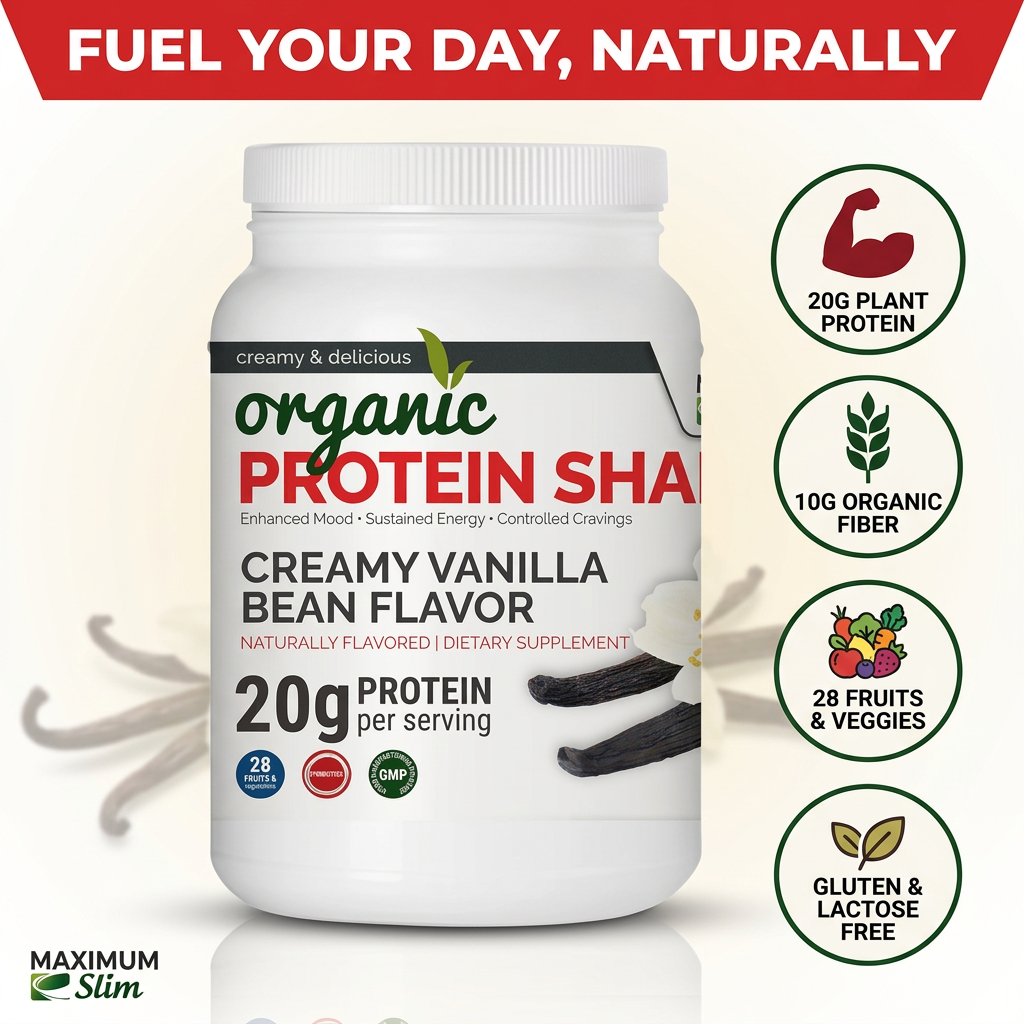
Featured Product
Organic Protein Shake - Maximum Slim | Nutrient Rich Drink for Muscle Recovery
This formula includes a blend of 28 fruits and vegetables and is made to fit a variety of dietary needs.
Shop Now →Your Weekly Workout Split Structure
The weekly layout matters as much as the exercises. Random hard workouts don't add up well. A smart split does.
For this plan, I like an Upper, Lower, Push, Pull, Legs structure run across Monday to Friday, with the weekend off. That pattern is common because it's practical. It lets you train often, recover locally, and keep each session focused. A mainstream example of this kind of setup appears in this 5-day gym routine from Anytime Fitness, which also notes that 3 to 5 days of strength training weekly is a common muscle-gain range.
Why this split works
Upper and Lower at the start of the week give you broad coverage. You hit the major movement patterns early while you're freshest.
Then Push, Pull, and Legs let you come back through the body with more targeted work. That creates two useful effects:
- Muscles get repeated exposure across the week without being smashed in one sitting
- Recovery stays local, because chest and shoulders can recover while you train legs, and your lower body can recover while you train upper-body patterns
This is one reason the split suits intermediate lifters well. It gives enough room for quality work without forcing every day to feel maximal.
The weekly flow
Here's the structure:
| Day | Training Focus | Main Goal |
|---|---|---|
| Monday | Upper | Compound pressing and pulling |
| Tuesday | Lower | Squat, hinge, and foundational leg work |
| Wednesday | Push | Chest, shoulders, triceps |
| Thursday | Pull | Back, rear delts, biceps |
| Friday | Legs | Quad, glute, hamstring finish |
| Saturday | Rest | Walking, mobility, light recovery |
| Sunday | Rest | Full recovery or easy cardio |
A good split should leave you feeling trained, not wrecked. If Wednesday feels like you're still paying for Monday and Tuesday, the plan is too aggressive for your current recovery.
What not to do with a 5-day split
A lot of people ruin a good structure in one of three ways:
- They chase fatigue instead of progress. Sweating more isn't the same as training better.
- They stack too many “bonus” exercises. The split already has enough work built in.
- They ignore their schedule. If you can't reliably train five days, a 4-day plan is better than a 5-day fantasy.
This is why I prefer a plan that leaves some margin. Real adults miss sessions, sleep badly, travel, and deal with stress. Your split should survive that.
Your Daily Workout Routine and Exercises
A good 5-day plan has to work on a normal adult schedule. That means sessions you can finish in about an hour, exercise choices you can recover from, and enough structure to make progress even when work, sleep, or family life is not perfect.
The goal here is muscle gain, strength you can use, and training quality you can repeat next week. For hypertrophy work, the American College of Sports Medicine position stand on progression models in resistance training supports moderate rep ranges and planned rest periods, which fits this setup well. In practice, use controlled reps, leave a little room before form breaks down, and rest long enough to make the next set productive. Heavy compound lifts usually need more rest than raises, curls, and pressdowns.
Weekly training table
| Day | Focus | Exercise | Sets x Reps | Rest (seconds) |
|---|---|---|---|---|
| Monday | Upper | Barbell or Dumbbell Bench Press | 4 x 8-10 | 90-180 |
| Monday | Upper | Chest-Supported Row or Seated Cable Row | 4 x 8-10 | 90-180 |
| Monday | Upper | Incline Dumbbell Press | 3 x 8-12 | 60-90 |
| Monday | Upper | Lat Pulldown or Pull-Up | 3 x 8-12 | 60-90 |
| Monday | Upper | Dumbbell Lateral Raise | 3 x 12-15 | 60-90 |
| Monday | Upper | Cable Triceps Pressdown | 2 x 10-12 | 60-90 |
| Monday | Upper | Dumbbell Curl | 2 x 10-12 | 60-90 |
| Tuesday | Lower | Back Squat or Goblet Squat | 4 x 8-10 | 90-180 |
| Tuesday | Lower | Romanian Deadlift | 4 x 8-10 | 90-180 |
| Tuesday | Lower | Walking Lunge or Split Squat | 3 x 10-12 each side | 60-90 |
| Tuesday | Lower | Leg Curl | 3 x 10-12 | 60-90 |
| Tuesday | Lower | Standing Calf Raise | 3 x 12-15 | 60-90 |
| Wednesday | Push | Overhead Press | 4 x 8-10 | 90-180 |
| Wednesday | Push | Incline Press Machine or Dumbbell Press | 3 x 8-12 | 60-90 |
| Wednesday | Push | Push-Up or Dip Variation | 3 x 8-12 | 60-90 |
| Wednesday | Push | Cable Fly | 3 x 12-15 | 60-90 |
| Wednesday | Push | Lateral Raise | 3 x 12-15 | 60-90 |
| Wednesday | Push | Overhead Triceps Extension | 3 x 10-12 | 60-90 |
| Thursday | Pull | Barbell Row or Machine Row | 4 x 8-10 | 90-180 |
| Thursday | Pull | Pull-Up or Neutral-Grip Pulldown | 4 x 8-10 | 90-180 |
| Thursday | Pull | Single-Arm Dumbbell Row | 3 x 8-12 each side | 60-90 |
| Thursday | Pull | Face Pull | 3 x 12-15 | 60-90 |
| Thursday | Pull | Rear Delt Fly | 3 x 12-15 | 60-90 |
| Thursday | Pull | EZ-Bar Curl or Cable Curl | 3 x 10-12 | 60-90 |
| Friday | Legs | Leg Press or Front Squat | 4 x 8-12 | 90-180 |
| Friday | Legs | Hip Thrust or Glute Bridge | 4 x 8-12 | 90-180 |
| Friday | Legs | Bulgarian Split Squat | 3 x 8-10 each side | 60-90 |
| Friday | Legs | Leg Extension | 3 x 12-15 | 60-90 |
| Friday | Legs | Seated or Lying Leg Curl | 3 x 12-15 | 60-90 |
| Friday | Legs | Seated Calf Raise | 3 x 12-15 | 60-90 |
How to get more from each workout
Run the main lifts with intent. A simple tempo like 2-0-1-0 works well for most exercises. Lower the weight under control, reverse without bouncing, and lift hard while keeping position.
That matters more than adding fancy techniques too early.
If you are busy, recovery matters as much as exercise order. Five training days can work very well, but only if food, hydration, and sleep support the workload. I see better results when people pair this kind of split with steady protein intake, mostly whole-food meals, and a few clean supplements they use consistently, such as whey protein, creatine monohydrate, or an electrolyte product around hard sessions. The program is only half the job. The other half is showing up fueled enough to perform.
Smart substitutions and constraints that come up in real life
Equipment, joint history, and time all change how a plan looks on paper versus in the gym. Adjust the movement, not the training goal.
- Training at home: swap leg press for goblet squats, front squats, or split squats
- Machine work feels rough on your joints: use dumbbells or cables and keep the same movement pattern
- Dips bother your shoulders: use push-ups, a neutral-grip press, or another pain-free chest press
- Pull-ups are too advanced right now: use a pulldown and progress load or reps over time
- Your hips or shoulders feel stiff before lifting: spend a few minutes on mobility drills that also help improve senior movement and flexibility
The best exercise is the one you can train hard, recover from, and repeat next week.
What to cut first on busy days
Short on time does not mean the session is lost. Keep the lifts that give the highest return and trim the low-priority work.
A simple order works well:
- Main compound lift
- Secondary compound or stable machine pattern
- Single-leg or single-arm support work
- Isolation finishers
If you only have 35 to 40 minutes, get the first three done well and leave. That is still a productive workout.
For soreness, use simple recovery habits before you start adding random extras. Light walking, enough fluids, a solid post-workout meal, and better sleep usually do more than another supplement stack. If soreness tends to derail your week, these practical ways to reduce post-workout soreness can help you stay on schedule.
A coach's note on progress
Do not swap exercises every week just because you are bored. Keep the main patterns long enough to improve them. Add weight when reps are solid, add reps when load stalls, and change an exercise when your joints dislike it or your progress has clearly flattened.
Consistency beats novelty here. Clean training, clean nutrition, and manageable recovery will build more over three months than five perfect workouts followed by two missed weeks.
How to Warm Up and Cool Down for Peak Performance
Many individuals either skip warm-ups or turn them into a workout before the workout. Both are mistakes.
You need a warm-up that raises body temperature, wakes up the joints you're about to use, and gets you mentally ready to train. Then you need a cool-down that helps you shift out of training mode and restore some movement quality before the next session.

Warm up with purpose
Start with light cardio to raise your heart rate, then move into dynamic mobility that matches the day's training.
A simple warm-up sequence:
- Light cardio first for a few minutes on a bike, treadmill, rower, or brisk walk
- Dynamic upper-body prep like arm circles, band pull-aparts, and shoulder rolls before upper sessions
- Dynamic lower-body prep like leg swings, glute bridges, and bodyweight squats before leg sessions
- Movement rehearsal by doing lighter ramp-up sets of your first main lift
If mobility is a weak point, especially in hips, thoracic spine, or shoulders, it helps to keep a short list of drills you repeat often. Some of the same movement patterns used to improve senior movement and flexibility are also useful for active adults who sit a lot and feel stiff before training.
For a visual walkthrough, this quick mobility flow is worth using before sessions:
Cool down without overthinking it
Your cool-down doesn't need to be complicated. It needs to be consistent.
After training:
- Walk for a few minutes to bring breathing down gradually
- Stretch the muscles you just trained using calm, static holds
- Focus on positions you lose during the workday, especially hip flexors, chest, calves, and upper back
- Use foam rolling if it helps you relax, not because you think it's mandatory
A practical cool-down usually includes a handful of static stretches held briefly, plus easy breathing. Keep it simple enough that you'll do it.
Recovery work should lower tension, not become another performance test.
If soreness is what usually makes your week collapse, it helps to build better post-workout habits and use strategies that reduce soreness after training.
Fuel Your Body for Energy and Recovery
Most workout plans stop at sets and reps. That's where real life usually starts causing problems.
A five-day schedule asks something from your body almost every weekday. If you under-eat, skip protein, train dehydrated, and sleep poorly, the plan feels much harder than it should. If you fuel well, recovery improves, workouts feel steadier, and your energy stops crashing midweek.

A key point often missed in training content is that frequency alone isn't the driver. As discussed in this split workout schedule overview from Healthline, many people benefit more from using a 5-day setup as a framework for habits like protein timing and recovery support than from the number of training days itself.
What to eat around training
Pre-workout meals don't need to be fancy. They need to digest well and give you usable energy.
Good options include:
- Oats with fruit and protein
- Rice with lean protein
- Greek-style dairy alternative or yogurt-style option with berries and granola
- Toast with nut butter and a banana
If you train early and can't handle a full meal, go smaller. A light carb source and something easy on the stomach usually works better than forcing a heavy breakfast.
After training, keep the goal simple. Eat a meal with protein, carbohydrate, and fluids. That could be chicken and rice, eggs and potatoes, a protein shake with oats, or a balanced whole-food meal later if your workout ended close to lunch or dinner.
Clean nutrition makes adherence easier
Busy adults do better when food choices are repeatable. You don't need “perfect eating.” You need meals you can prepare, digest, and repeat without a lot of stress.
A practical framework:
| Priority | What it looks like |
|---|---|
| Protein | Include a solid source at each main meal |
| Carbs | Use oats, rice, potatoes, fruit, or other easy staples around workouts |
| Fats | Add healthy fats away from training if heavier meals slow you down |
| Hydration | Drink through the day, not just during workouts |
| Sleep support | Keep evening meals and habits consistent enough to protect recovery |
If your diet is too narrow, recovery can suffer unnoticed. A useful place to improve meal quality is adding more top micronutrient foods so your plan supports performance, not just calories and protein.
Supplements should support, not replace, basics
Supplements can help, but they work best when the foundation is already there.
Useful categories include:
- Protein powder when whole-food intake falls short
- Simple pre-workout support like caffeine when timing and tolerance make sense
- Electrolyte support if you sweat heavily or train in hot conditions
- Recovery-focused nutrition when your post-workout meal is delayed
If you want a deeper look at what to eat after training, this guide to post-workout recovery nutrition is a practical next step.
How to Ensure Long-Term Progress and Avoid Plateaus
By week six or seven, busy adults typically find themselves facing challenges. Work gets hectic, sleep slips, meals get less consistent, and training starts to feel heavier even if the program looks fine on paper. Plateaus are rarely just a lifting problem. They usually show up when training stress, food quality, recovery, and daily life stop matching.
A 5 day a week workout plan keeps producing results when you treat progress as a system, not a test of willpower. The goal is to give your body a clear reason to adapt, then recover well enough to repeat that effort next week.
Progressive overload is still the backbone. In practice, that means asking a muscle or movement pattern to do slightly more over time while keeping technique clean. More weight is one option. More reps with the same load, better control, cleaner range of motion, or shorter rest periods can all count when they fit the exercise.
For most main lifts, a simple rep range works well. Keep the weight steady until you can hit the top of your target range across all working sets with strong form. Then increase the load a small amount and build back up. The National Strength and Conditioning Association explains the logic behind progressing training stress over time in this progressive overload overview.
Progression rules that hold up in real life
Use a method you can follow even during a busy month:
- Choose a rep range, such as 6 to 8 or 8 to 10
- Keep the same load until all sets reach the top of that range with good form
- Add a small amount of weight
- Drop back to the lower end of the range and repeat
- Log your training so you can see trends instead of guessing
That last point matters more than many people realize.
If you train five days per week, your log helps you separate a real plateau from a rough week caused by poor sleep, missed meals, travel, or extra stress. I would rather see someone make slow, repeatable progress for four months than force aggressive jumps for two weeks and then spend a month dealing with sore joints and inconsistent sessions.
Know when to pull back
Deloads are part of long-term progress. They help manage fatigue before fatigue starts managing your workouts.
Consider reducing training stress for a week if you notice:
- Joint irritation that keeps hanging around
- Flat motivation for several workouts in a row
- Performance dropping across multiple lifts
- Weights that usually move well suddenly feeling slow and unstable
- Recovery getting worse even though nutrition and sleep are still decent
A deload can be simple. Cut a few sets, reduce the load, or stop each set further from failure. Keep the habit of training, but lower the demand enough that your body can recover.
Track more than scale weight
Scale changes can be useful, but they miss a lot. Strength trends, waist measurements, progress photos, gym performance, sleep quality, and daily energy often give a clearer view of whether the plan is working.
If body composition is one of your goals, measurement method matters. This guide to ultimate body fat accuracy explains what different body fat tools can and cannot tell you, which helps you judge progress without overreacting to normal fluctuations.
Long-term results come from staying honest about recovery. If your lifts are stalled, look at the full picture. Are you eating enough protein and carbs to support five training days? Are your supplements helping with energy and recovery, or are you using them to cover up poor sleep and rushed meals? Clean support products can help a busy schedule, but they work best when the basics are already in place.
A strong 5 day a week workout plan should leave you stronger, better recovered, and easier to coach after a few months. That is how sustainable progress looks.

