


Most gym ab routines fail for one reason. People train abs like a punishment, not like a muscle group.
They finish a workout with random crunches, feel a burn, and assume that means progress. Then weeks pass, sometimes months, and nothing changes except boredom. If your ab workouts at the gym feel repetitive and your results are stuck, the missing piece usually isn't effort. It's structure.
Why Your Current Ab Workouts Are Not Working
The popular advice is still wrong. "Just do more crunches" doesn't hold up in real training.
The biggest problem with ab workouts at the gym isn't a lack of exercise options. It's that most routines never explain how to make those exercises harder over time. Even mainstream fitness coverage has pointed out that ab training advice often overemphasizes exercise lists while giving very little practical direction on progressive overload, which is why lifters hit plateaus despite staying consistent, as noted in this discussion of best ab exercises and programming gaps.
The real issue is lack of progression
If you train chest, you eventually add load to presses or improve reps with the same weight. If you train legs, you track squat depth, sets, and effort. But with abs, many people stay in the same place forever. Same mat. Same bodyweight crunches. Same rushed finishers.
That approach builds fatigue better than it builds abs.
Practical rule: If your ab work looks exactly the same as it did a month ago, your body has no reason to adapt.
A better standard is simple:
- Add resistance when bodyweight movements stop being challenging
- Add reps within a useful range before jumping to sloppy heavier work
- Increase control by slowing the lowering phase or removing momentum
- Track total work so your core training has a direction, not just a burn
There's also a second frustration that needs honesty. Visible abs aren't just about ab exercises. If your real goal is a leaner waistline, training matters, but so do recovery, nutrition, and daily habits. If that piece is a priority for you, this guide on how to reduce belly fat naturally helps connect gym work to the bigger picture.
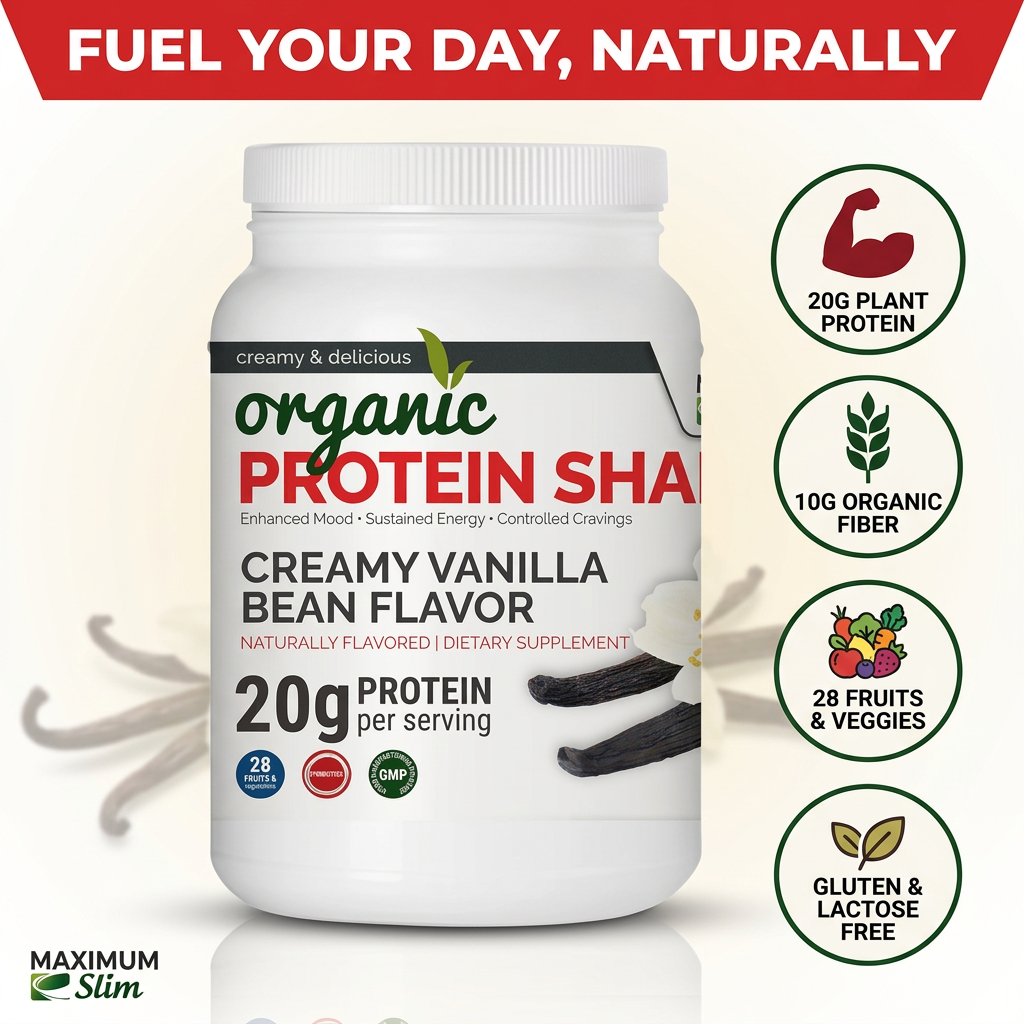
Featured Product
Organic Protein Shake - Maximum Slim | Nutrient Rich Drink for Muscle Recovery
This formula includes a blend of 28 fruits and vegetables and is made to fit a variety of dietary needs.
Shop Now →What works instead
Strong, defined abs usually come from treating them like any other muscle group. That means planned exercise selection, repeatable sessions, and measurable progression. Not novelty for novelty's sake.
Once you start viewing ab training that way, the gym gives you far better tools than the floor at home ever could.
Understanding Your Core Anatomy for Better Results
Your core isn't one muscle, and that's why one exercise never covers everything.
A lot of people think "abs" means only the front wall of the stomach. In practice, better ab workouts at the gym come from understanding which part of the core you're trying to challenge and what job that muscle is doing.

Rectus abdominis
This is the muscle commonly referred to as the "six-pack." Its main visible role in training is trunk flexion, which is the curling action in movements like crunches and cable crunches.
It also helps control pelvic position. That's why a reverse crunch done correctly feels very different from swinging your legs.
Obliques
Your obliques sit along the sides of your torso. They help with rotation, resisting rotation, and side bending. In the gym, these matter when you do woodchoppers, carries, single-arm loading, or any movement where your body wants to twist and you stop it.
Well-trained obliques don't just add shape to the midsection. They improve how force transfers during presses, rows, squats, and carries.
Good core training isn't only about making the torso bend. It's also about teaching it not to move when load tries to pull it out of position.
Transverse abdominis and deep stability
The transverse abdominis is the deep layer. You won't see it in the mirror the way you see the rectus abdominis, but you feel its role when you brace properly before a rep.
It acts as an internal support wrap. It helps create tension around the trunk so your spine stays more stable while the hips and shoulders do their work.
For people who also deal with recurring stiffness or postural discomfort, it's useful to understand how the abdominal wall and back musculature work together. This overview of evidence-based back pain relief gives helpful context on the muscles that support trunk control and why balance matters.
Why this changes your exercise choices
If your routine only includes crunches, you're missing a lot. A complete gym core plan usually needs a mix of:
- Flexion work for the rectus abdominis
- Rotational or anti-rotational work for the obliques
- Stability-focused work that teaches bracing and position
- Pelvic control work so lower-body-dominant movements don't turn into hip-flexor swings
Here's the practical test. If you can't explain what an ab exercise is supposed to train, you probably can't load it well either.
The Most Effective Ab Exercises at the Gym
Gym ab training gets better when you stop chasing variety and start choosing movements that do something specific.
A useful historical benchmark came from an ACE-sponsored university study summarized by Runner's World. In that testing, the bicycle crunch produced the highest rectus abdominis activity, followed by the captain's chair and exercise-ball crunch, while the traditional crunch ranked 11th of 13 and the ab rocker ranked 13th, with EMG used to measure muscle activation in the tested exercises, according to this review of the best and worst abdominal exercises. The practical lesson still holds. Dynamic movements that require stabilization usually beat mindless floor reps.
Here are the gym movements I keep coming back to.

Captain's chair knee or leg raise
This one earns its place because it blends trunk control with lower-body movement. It also tends to be easier to perform strictly than hanging leg raises for many lifters.
How to do it well
- Set your forearms on the pads and press your upper back into the support.
- Start with your pelvis tucked slightly, not your lower back arched.
- Raise your knees or legs by curling the pelvis upward, not by swinging.
- Lower under control until you can repeat without losing position.
What you should feel
You should feel the front of the abdomen shorten hard at the top. If you mostly feel your hip flexors, you're likely lifting the legs without finishing the pelvic curl.
Common mistake
People rush the bottom half and turn the rep into a pendulum. If the legs swing, the abs lose tension.
Cable crunch
If I had to pick one loaded gym ab movement for many individuals, this would be near the top. It gives you a clear way to apply progressive overload.
Setup
- Use a rope on a high pulley
- Kneel far enough away that the cable keeps tension
- Keep the hands fixed near the head
- Move through the spine, not by folding only at the hips
Key cue
Think "rib cage toward pelvis," not "elbows to floor."
Why it works
You can increase resistance in a small, controlled way. That's exactly what many ab routines are missing. For people who want more trunk-focused options that also support posture and spinal control, these core strengthening exercises are a useful complement to loaded flexion work.
A short demo can help if you've never done the movement well:
Cable woodchopper
This is one of the best gym tools for teaching rotation with control. It also exposes whether you're moving through the torso or just waving the arms across your body.
Do this
Stand tall, brace, and rotate through the trunk while keeping the movement smooth. Use a load you can own. If the weight pulls you off line, it's too heavy.
Don't do this
Don't yank the handle and let your feet dance around. That's not rotational strength. That's just surviving the stack.
Decline crunch or exercise-ball crunch
These work well when done with intent. The extra range of motion can make them more productive than a flat floor crunch for many people.
Better form cues
- Exhale as you curl
- Keep the neck neutral
- Stop before the hip flexors take over
- Control the lowering phase
Ab rollout
This one is less about visible "burn" and more about brutal trunk control. It challenges the core through a long lever, which makes small form errors obvious.
Coaching note: Ab rollouts are excellent when you can keep the ribs down and the lower back from sagging. If you can't, regress first. Harder isn't better if the target muscle loses the job.
How to Program Ab Workouts for Real Progress
Exercise selection matters, but programming is where many individuals finally get unstuck.
The abs respond to the same basic training principles as other muscle groups. A recent hypertrophy review notes that abdominal muscles respond well to 30% to 85% of 1RM, often landing in roughly 5 to 30 reps taken near failure. The same review recommends 2 to 5 different ab exercises per week, with many lifters recovering from 3 to 6 ab sessions weekly, as explained in this ab hypertrophy training guide.
Start with frequency you can recover from
More isn't automatically better. If your abs stay sore enough that your squats, deadlifts, or bracing quality suffer, your programming is off.
A practical rule for most busy lifters is to train abs a few times across the week rather than smashing them daily. Keep the work repeatable. Keep form high.
Use three progression levers
It's common to only think about adding weight. That's useful, but it's not the only tool.
- Load progression. Add weight to cable crunches, machine crunches, or weighted decline crunches when you can complete your target reps cleanly.
- Rep progression. Stay with the same load and build reps until you're at the top of your intended range.
- Difficulty progression. Move from bent-knee raises to straight-leg raises, from short rollouts to longer rollouts, or from stable positions to more demanding lever lengths.
If you want a broader look at the mindset behind this process, this breakdown of progressive strength progression is useful because it applies the same logic you'd use for any other body part.
Keep the structure simple
Here's a framework that works well in real gyms:
| Piece | What to do |
|---|---|
| Movement mix | Pick a few exercises that cover flexion, pelvic control, and rotation or anti-rotation |
| Effort | Finish sets close to failure without turning reps sloppy |
| Tracking | Write down load, reps, and how clean the set felt |
| Progression | Improve one variable at a time, not all at once |
That last point matters. If you add weight, add reps, and shorten rest at the same time, you won't know what drove progress or what wrecked form.
Know when to stop adding
Progressive overload doesn't mean forcing a heavier stack every week. If the rib cage flares, the lower back arches, or the movement becomes mostly hip flexors, you haven't progressed. You've just changed the exercise badly.
Recovery matters here too. If you push hard enough to train abs productively, don't be surprised if they get tender. Managing that well can make your whole week smoother, especially if heavy compound lifts are on the calendar. This guide on how to reduce soreness fits well alongside harder core work.
Sample Gym Ab Workouts for Every Fitness Level
Good programming shouldn't leave you guessing what to do next time you walk into the gym. The simplest upgrade is to use the same movement slots each week and make the version fit your skill level.
A science-based session structure often uses 2 to 3 sets of 10 to 20 reps for flexion-focused moves like weighted crunches and reverse crunches, plus 10 to 15 reps per side for rotational work like woodchoppers. That same guidance also recommends doing lower-ab or pelvis-curling exercises early, when control and force output are strongest, based on this science-based six-pack ab workout guidance.
Sample Weekly Ab Workout Progression
| Level | Exercise 1 (Lower Ab Focus) | Exercise 2 (Upper Ab/Flexion) | Exercise 3 (Rotation/Obliques) |
|---|---|---|---|
| Beginner | Reverse crunch | Kneeling cable crunch with light load | Cable woodchopper |
| Intermediate | Captain's chair knee raise | Heavier cable crunch | Standing cable woodchopper |
| Advanced | Straight-leg raise or strict hanging raise | Weighted decline crunch or heavy cable crunch | Heavier woodchopper with stricter control |
How to use these workouts
For beginners, the target is control. The reverse crunch teaches pelvic movement. Light cable crunches teach loaded spinal flexion without needing a lot of coordination. Rotational cable work builds awareness of the torso, not just the arms.
For intermediate lifters, the challenge shifts. The movement patterns stay familiar, but the demand rises through load, lever length, and stricter execution.
For advanced lifters, the difference isn't random complexity. It's the ability to create more tension without losing position. That's why a strict hanging raise beats a sloppy one every time, even if the sloppier version looks harder.
Your workout level should reflect your ability to control the movement, not your willingness to choose the flashiest exercise in the gym.
If you like short, dense training blocks, you can also combine these movements into a compact rotation similar to circuit training with dumbbells, while keeping ab-specific form standards intact.
Common Ab Training Mistakes That Kill Your Gains
Most ab problems in the gym aren't about effort. They're about reps that look hard but don't train the target well.

Using momentum instead of muscle
You see this constantly on hanging raises and captain's chair work. The legs swing, the torso rocks, and the set turns into a timing drill.
Fix: Slow the lowering phase and pause before the next rep starts. If you can't stop the swing, regress the exercise.
Letting the hip flexors do everything
This shows up when the legs move but the pelvis never curls. The abs stay underloaded while the front of the hips does most of the work.
Fix: Think about rolling the pelvis up at the top. Shorten the distance if needed so you can feel the abs, not just the hips.
Going too heavy on cable work
A heavy stack feels impressive, but if you pull with your arms and fold at the hips, you've turned an ab exercise into a rope tug.
Fix: Drop the load and make the spine do the work. Your hands are there to hold the rope, not row it.
Breathing badly or not at all
Holding your breath randomly often makes people brace poorly, rush, and lose rhythm.
Fix: Exhale into the contraction, especially on flexion movements. That cue usually improves abdominal tension right away.
Frequently Asked Questions About Ab Training
Do I need to train abs every day
Usually not. Daily high-volume ab work often becomes junk volume fast.
Harvard Health recommends starting gradually and adding core sessions two to three times per week, which serves as a practical benchmark for those training consistently while still recovering well, according to this guidance on adding core exercise to your workout routine.
Are lower ab workouts real
Not in the way social media usually presents them.
The rectus abdominis is a single muscle sheet, so the idea of completely isolating the "lower abs" is mostly a misnomer. Still, exercises that involve lifting the legs and tilting the pelvis, like reverse crunches, can place more emphasis on the lower fibers, as explained in this discussion of lower ab workouts and what they really train.
How much does diet matter if I want visible abs
A lot. You can build strong abs in the gym and still not see sharp definition if body fat stays too high for your individual structure.
That's why good ab workouts at the gym and nutrition have to work together. Training builds the muscle. Leaner conditioning helps reveal it.
Should I use machines or free movements
Use both if they serve a purpose. Cable machines and ab stations make progression easier. Bodyweight and hanging movements build control that machines can't always teach.
The best choice is the one you can perform cleanly, load progressively, and repeat consistently.
If you're building a routine around better energy, recovery support, and sustainable body-composition habits, Maximum Health Products offers clean-label wellness products and nutrition support that can fit alongside a structured training plan.

