


You finish a hard lift, a long run, or even a return-to-gym session after a busy week. The workout felt productive. The next morning, your legs disagree. Stairs become a negotiation. Sitting down takes planning. You start wondering whether soreness means progress, whether you need more protein, or whether that tub of amino acids on your counter is effective.
That confusion is common because recovery advice usually gets reduced to one lazy sentence: “Just take BCAAs.” Real recovery is more personal than that. Your workout style matters. Your diet matters. Your schedule matters. A strength athlete, a weekend runner, and a busy professional doing short home workouts don’t all need the same amino acid strategy.
A smart plan for amino acids for muscle recovery starts with one simple idea. Your muscles don’t rebuild from motivation. They rebuild from raw materials, timing, and enough total recovery support to let that repair happen.
Why Your Muscles Hurt and How to Fix It
You probably know the pattern. Monday’s workout feels fine. Tuesday is stiff. Wednesday is worse. That ache is often delayed onset muscle soreness, or DOMS. It can show up after a new exercise, more volume, heavier loads, downhill running, or going harder than usual.
Soreness doesn’t always mean you had a perfect workout, and lack of soreness doesn’t mean nothing happened. But soreness often tells you your muscles are responding to stress and starting a repair job. Think of your training session as construction work on a road. The pavement gets torn up first. Then the repair crew shows up with tools and materials so the road comes back stronger.
That repair crew includes amino acids, the smaller units your body uses to rebuild muscle tissue after exercise. If the crew arrives late, or doesn’t bring enough of the right materials, recovery drags. You may still adapt, but you won’t feel or perform as well between sessions.
What actually helps
A practical recovery approach usually comes down to a few basics working together:
- Training stress: Harder or unfamiliar sessions create more repair demand.
- Nutrition support: Your body needs enough protein and key amino acids to rebuild.
- Hydration and sleep: Recovery slows when either one is poor.
- Workout fit: Strength training and endurance work create different recovery needs.
If your main goal is to feel better faster after training, it helps to combine amino acid strategy with basics that reduce soreness day to day. Maximum Health Products has a helpful guide on how to reduce soreness after workouts that pairs well with the nutrition side of recovery.
Recovery works best when you stop treating soreness as a mystery and start treating it as a repair problem.
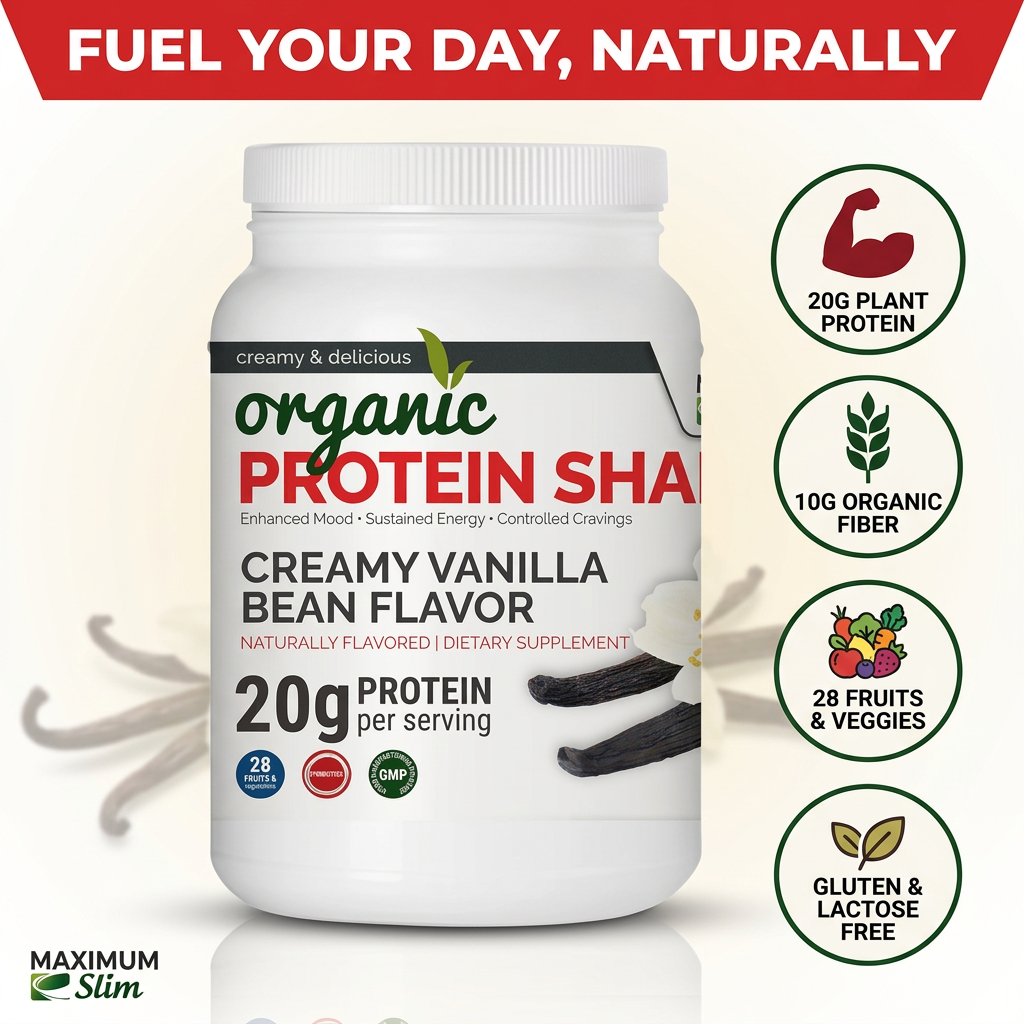
Featured Product
Organic Protein Shake - Maximum Slim | Nutrient Rich Drink for Muscle Recovery
This formula includes a blend of 28 fruits and vegetables and is made to fit a variety of dietary needs.
Shop Now →The Building Blocks of Muscle Recovery
Muscle recovery gets easier to understand when you stop thinking about “protein” as one thing. It’s more like a building project with layers.
At the top is muscle protein synthesis, often shortened to MPS. That’s the process of building and repairing muscle tissue. On the other side is protein breakdown, which rises with training stress. Your body is always balancing both. Recovery improves when synthesis outweighs breakdown.

Protein, amino acids, EAAs, and BCAAs
Use this simple hierarchy:
- Protein is the finished building.
- Amino acids are the individual bricks.
- Essential amino acids or EAAs are the bricks your body must get from food or supplements.
- Branched-chain amino acids or BCAAs are three specific EAAs: leucine, isoleucine, and valine.
Many individuals misunderstand this point. They hear BCAAs marketed everywhere and assume those three are the whole story. They aren’t. BCAAs matter, but your body still needs the full set of essential amino acids to complete the repair job.
Why EAAs matter so much
One of the clearest findings in sports nutrition came from a 2002 American Journal of Physiology study. It showed that 6 grams of EAAs taken after resistance exercise stimulated muscle protein synthesis 3.5-fold. That result helped establish that EAAs alone can strongly trigger muscle repair.
That matters because it shifts the question from “Do I need more random aminos?” to “Am I getting the essential ones my body needs for rebuilding?”
If you want a broader recovery routine beyond nutrition alone, this practical guide on how to speed up muscle recovery can help you connect training, soreness management, and day-to-day recovery habits.
| Layer | What it means for recovery |
|---|---|
| Protein | The full structure your body builds and repairs |
| Amino acids | The units used to make that repair possible |
| EAAs | The must-have amino acids your body can’t make on its own |
| BCAAs | Three key EAAs that help drive recovery, especially leucine |
Practical rule: If you only remember one thing from this section, remember this. Muscles don’t recover from “protein” in the abstract. They recover from enough of the right amino acids being available when repair starts.
How Amino Acids Activate Muscle Repair
Knowing that amino acids help is useful. Knowing how they help makes your choices much clearer. The star here is leucine.
Leucine is one of the three BCAAs, but it does more than just show up as raw material. It acts like a signal. You can think of it as the foreman on a construction site. The crew may already be standing around with bricks and tools, but nothing really starts until the foreman gives the order.

Leucine flips the repair switch
Leucine activates the mTOR pathway, which is a major control system for muscle protein synthesis. When enough leucine is available along with the other essential amino acids, your body gets a stronger “start rebuilding” signal after training.
That’s why leucine gets so much attention. It doesn’t work best in isolation, but it plays a major role in starting the repair process.
A summary published by Performance Medicine explains that a complete EAA profile including leucine is associated with stronger post-exercise muscle building signals, and it notes that combining EAA supplementation with resistance training can lead to a ~20% greater increase in muscle mass and strength compared with training alone (review summary).
Why BCAAs alone can feel incomplete
BCAAs are useful, especially for people training hard or wanting something easy to sip around workouts. But there’s a catch. Starting construction isn’t the same as finishing it.
Leucine can ring the bell, but if the rest of the essential amino acids aren’t available, the repair process can stall. It’s the difference between turning on the lights at a worksite and having all the materials to finish the job.
Here’s the practical takeaway:
- Leucine helps trigger the repair signal.
- The full EAA profile helps your body carry the repair through.
- Your workout type changes how valuable fast-absorbing amino acids may be.
What this means in real life
If you’re lifting for strength or muscle, that signaling role matters because you want a strong rebuilding response after training. If you’re doing endurance work, amino acids may matter less for “size” and more for preserving muscle, reducing excessive soreness, and staying ready for the next session.
The best amino acid plan isn’t just about turning muscle building on. It’s about making sure your body has enough pieces to finish the repair.
Meet the Key Amino Acids for Recovery
Not all amino acids do the same job. Some help trigger repair. Some support performance under fatigue. Others get attention in supplement labels even when their direct role in muscle recovery is less central than marketing makes it seem.
The core trio in BCAAs
Leucine is the signal amino acid. It helps start muscle protein synthesis and gets the most attention for good reason.
Isoleucine plays more of a support role. It contributes to recovery and energy use during training.
Valine also supports recovery and works with the other two rather than acting like a standalone hero.
Together, these three BCAAs make up about 40% of essential amino acids in muscle protein, according to the verified data provided for this article. That helps explain why they show up so often in sports nutrition conversations.
EAAs are the full team
If BCAAs are the headline players, EAAs are the full starting lineup. The body needs all nine essential amino acids to build and repair muscle tissue properly. That’s why many athletes do better thinking in terms of complete EAA intake, especially after strength sessions or during demanding training blocks.
Beta-alanine is different, but useful
Beta-alanine often gets grouped into amino acid discussions, but its role is a little different. It’s less about directly rebuilding damaged muscle and more about helping you tolerate high-intensity work by supporting muscle carnosine.
Research summarized by Relive Health reports that supplementing with beta-alanine at 4–6.4 g/day for 4–10 weeks can increase muscle carnosine by up to 100%, which helps delay fatigue during high-intensity exercise (beta-alanine summary). For someone doing repeated hard intervals, circuits, or high-volume lifting, that can indirectly support recovery by reducing how overwhelmed the muscles feel during tough sessions.
What about glutamine and arginine
You’ll often see glutamine and arginine in recovery products. They can be useful in broader nutrition contexts, and some people like them for digestive comfort or circulation support. But if your main goal is muscle repair after training, the strongest nutrition focus usually stays on enough total protein, a complete EAA profile, and targeted tools like beta-alanine when your training style fits.
That’s an important filter. Don’t let a long label distract you from the ingredients doing the heaviest lifting.
Key Amino Acids for Muscle Recovery
| Amino Acid | Primary Recovery Function | Rich Food Sources |
|---|---|---|
| Leucine | Helps trigger muscle protein synthesis | Eggs, dairy, chicken, fish, soy foods |
| Isoleucine | Supports recovery and exercise energy use | Meat, dairy, legumes, soy foods |
| Valine | Supports muscle repair alongside other BCAAs | Dairy, poultry, beans, soy foods |
| EAAs | Provide the full set needed for rebuilding muscle | Complete protein foods like eggs, dairy, meat, fish, soy |
| Beta-alanine | Supports fatigue resistance in high-intensity work | Found in animal foods, often used as a supplement |
A useful way to think about it is this:
- For strength athletes: prioritize complete EAAs and leucine-rich protein.
- For endurance athletes: prioritize staying fueled and preserving muscle across repeated sessions.
- For mixed training: combine a solid food base with targeted supplements only where they solve a real problem.
Whole Foods Versus Clean Supplements
Many individuals often seek a simple verdict. Food or supplements? The honest answer is that both can work, but they solve different problems.

Whole foods give you more than amino acids. Eggs, Greek yogurt, chicken, fish, tofu, tempeh, and soy milk also bring vitamins, minerals, and staying power. They digest more slowly, which can be an advantage when you want a meal that keeps you satisfied and supports recovery over several hours.
Supplements are different. They’re useful when you want convenience, speed, and precision. A powder or ready-to-mix formula is easier to use right after training, during travel, or when appetite is low. That matters for people who finish a workout and then head straight into meetings, childcare, or commuting.
When food works best
Choose whole foods when:
- You have time for a real meal: A balanced post-workout meal can cover both protein and energy needs.
- You prefer a food-first approach: Many people recover well without specialty supplements.
- You want broader nutrition support: Whole foods bring more than isolated amino acids.
Plant-based eaters can do this well too. Soy foods are especially practical because they provide a more complete amino acid profile than many other plant foods.
When supplements make sense
Supplements earn their place when your routine creates friction.
- Busy schedule: You train early, then rush to work.
- Low appetite after exercise: Drinking amino acids or protein feels easier than eating.
- Precision matters: You want a known dose around training.
- Diet restrictions: You need a clean-label option without common additives.
If you’re comparing the bigger post-workout picture, this article on post-workout recovery nutrition is a useful companion because amino acids work best inside a full recovery routine.
One practical option in that category is a clean protein product such as Maximum Slim Organic Protein Shake from Maximum Health Products, which fits a supplement-based approach for people who want a convenient protein source without common fillers or animal ingredients.
A short visual explainer can help if you like seeing the food-versus-supplement tradeoff in action:
The clean-label filter
Whatever you choose, read labels with the same seriousness you bring to training. A shorter ingredient list is often easier to trust and easier to tolerate. If a supplement gives you a precise amino acid or protein dose and fits your digestion, schedule, and values, it can be useful. If it’s loaded with extras you didn’t ask for, it solves one problem while creating another.
Food is the foundation. Supplements are tools. Use a tool when it makes the foundation easier to maintain.
Creating Your Amino Acid Strategy
A good amino acid plan should fit your training, not somebody else’s label copy. The easiest way to personalize it is to sort yourself by workout type and food preference.

If you do strength training
Strength training creates a clear rebuilding demand. Your main goal is to support repair and adaptation after lifting. In this case, a complete protein meal or an EAA-focused option soon after training makes sense.
If your appetite is solid, food can handle most of the work. Think eggs and toast after morning training, Greek yogurt and fruit after a gym session, or tofu with rice after evening lifting. If eating right away is hard, a supplement is often more realistic than waiting too long and then under-eating.
If you do endurance training
Runners, cyclists, and circuit athletes often need a different lens. The main challenge may be repeated sessions, lingering soreness, and preserving muscle while overall training volume stays high. In that setting, fast-absorbing amino acids can help around the workout itself.
A review hosted on PubMed Central notes that leucine-enriched EAAs absorb in about 15 to 30 minutes, and taking 3 to 6 grams pre- or intra-workout has been shown to reduce post-exercise soreness by 20 to 30% while helping preserve performance during high-volume training (LEAA review).
That doesn’t mean every runner needs a scoop during every easy jog. It means targeted use makes the most sense during harder blocks, long sessions, or periods when you’re struggling to bounce back between workouts.
If you train but live like a normal busy adult
A lot of people aren’t competitive lifters or endurance athletes. They’re just trying to stay strong, lean, and consistent while managing work and family. For that person, the smartest plan is usually the simplest one.
- Food-first days: Build meals around protein-rich foods.
- Supplement days: Use amino acids or protein when a meal isn’t practical.
- Hard-session days: Be more intentional about recovery timing.
- Easy-session days: Let regular meals do most of the work.
A simple decision guide
| Your situation | Best recovery emphasis |
|---|---|
| Heavy lifting or hypertrophy work | Complete protein or EAAs after training |
| Intervals, long endurance work, double sessions | Consider fast-absorbing LEAAs pre or during training |
| Plant-based eater | Prioritize complete protein combinations or EAA support |
| Busy schedule | Use convenient protein or amino acid supplements when meals are delayed |
If you’re still unsure how your overall protein intake fits this, Zing Coach has a definitive guide on protein for muscle that helps connect daily protein needs with muscle-focused training.
For a practical supplement angle, Maximum Health Products also has a guide to protein powder for recovery, which is useful if you’re deciding between a complete protein shake and a more targeted amino acid product.
Your recovery plan should feel easy to repeat. If it’s too complicated for your real life, it won’t last.
Safety and Final Recommendations
Amino acid supplements aren’t mandatory for everyone. That’s the first thing I’d tell any client. If you eat enough quality protein across the day and recover well between workouts, you may not need a separate amino acid product at all.
But “not necessary” isn’t the same as “not useful.” They can be useful when timing matters, appetite is low, training volume is high, or your food choices make it harder to get a complete amino acid profile around workouts. That’s especially true for people who train early, stack work on top of exercise, or prefer a plant-based approach and want a more precise recovery tool.
A few common-sense rules help:
- Choose reputable products: Look for clear labels and avoid formulas stuffed with unnecessary extras.
- Match the tool to the job: Use EAAs or leucine-focused support for muscle repair needs, and use beta-alanine when your training includes repeated high-intensity efforts.
- Stay food-first when possible: Meals still do most of the heavy lifting for long-term recovery.
- Check with your clinician if needed: That matters if you have a medical condition, take medications, or are recovering from injury or surgery.
The big takeaways are simple:
- Soreness is a repair signal, not a badge of honor.
- Leucine helps trigger muscle repair, but the full EAA profile matters.
- Strength and endurance training create different recovery demands.
- Whole foods are the foundation, supplements are the convenience tool.
- The best amino acid strategy is the one you can follow after real workouts in a real schedule.
If you want a clean-label option to support your recovery routine, Maximum Health Products offers protein and wellness products that can fit a food-first, practical approach to muscle recovery.

