


The most common advice about coffee with probiotics is also the weakest: stir a probiotic powder into your hot morning coffee and assume you've built a gut-friendly super drink.
That sounds tidy. The science is messier.
Probiotics are live microbes, and live microbes don't automatically survive heat, acidity, oxygen exposure, storage, and brewing habits. At the same time, coffee itself isn't just a neutral vehicle. It contains compounds that can influence the gut microbiome on their own. So when people say a probiotic coffee “helped digestion,” they may be crediting the added cultures when some of the effect could be coming from the coffee.
That's why coffee with probiotics deserves a more careful explanation than hype or dismissal. If you understand the survivability problem, you can make better choices. Sometimes that means separating your probiotic from your coffee. Sometimes it means choosing a specially formulated product. And sometimes it means realizing that the smartest move is simpler than the label suggests.
The Hot Problem with Probiotic Coffee
If the probiotic dies in the mug, it's not doing probiotic work in your gut.
That's the core issue. Many articles talk about digestive wellness in broad terms, but they skip the practical question that matters most: will the live organisms still be alive by the time you drink them? Coverage often overlooks the temperature limits and formulation science needed for probiotics to survive in coffee, even though that's the difference between a smart product and a dead-on-arrival one, as discussed in this report on probiotic coffee formulation challenges.
Why hot coffee is such a rough environment
Fresh coffee is harsh on delicate microbes for two basic reasons:
- Heat exposure: Most brewed coffee is served hot enough to stress or destroy sensitive live cultures.
- Acidity: Coffee's acidic environment adds another layer of pressure on strains that are already vulnerable.
That doesn't mean every probiotic is instantly useless near coffee. It means survival is not something you should assume.
Practical rule: “Contains probiotics” and “delivers live probiotics when consumed” are not the same claim.
Where readers get confused
People often blend three different ideas together:
- Coffee can support the gut microbiome
- Probiotics can support the gut microbiome
- A probiotic added to coffee will stay alive long enough to matter
The first two can be true. The third depends on formulation, temperature, timing, and strain choice.
That distinction matters because coffee may offer microbiome-related benefits even when the added probiotic isn't doing much. In other words, someone can feel better drinking a coffee product and still misunderstand why it helped.
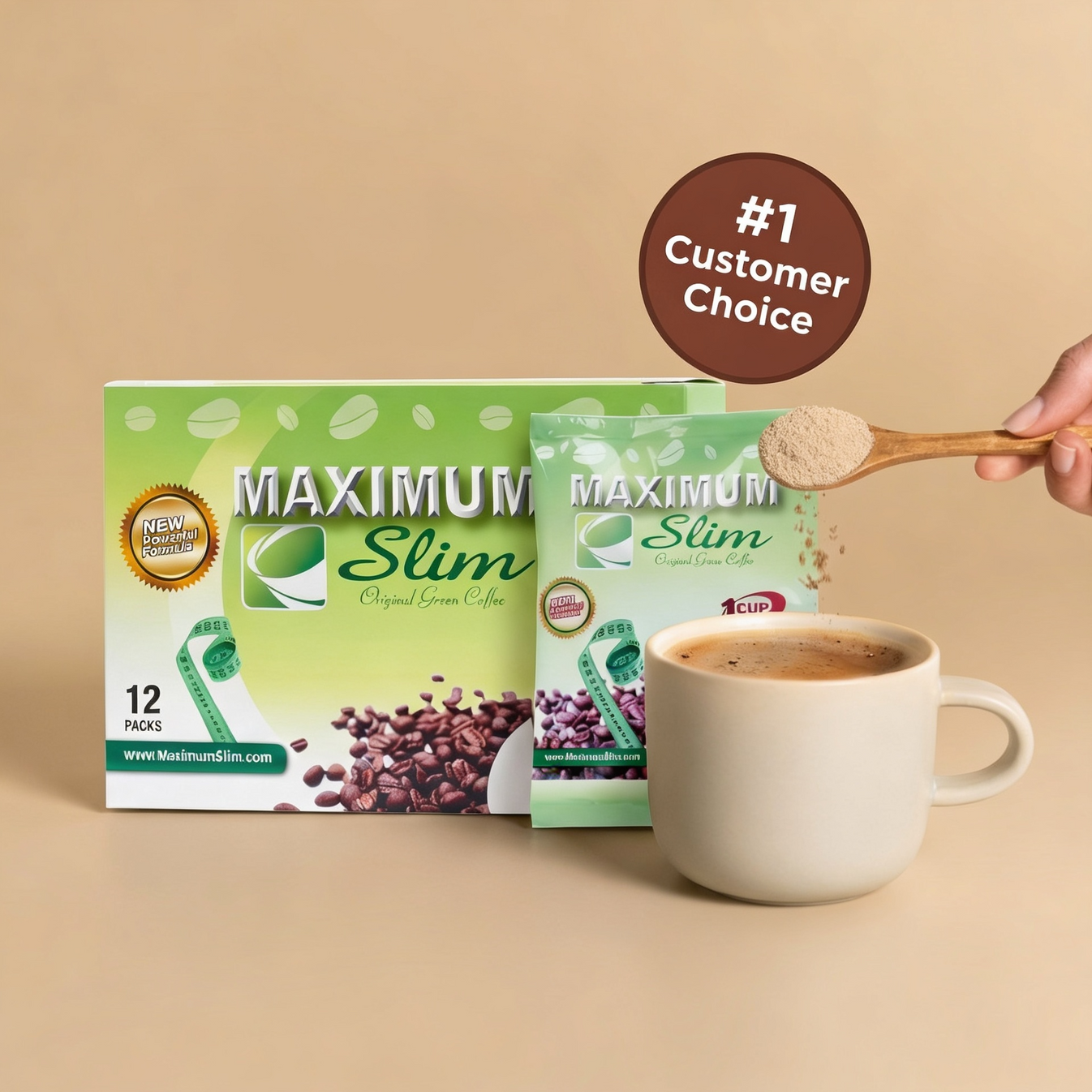
Featured Product
Maximum Slim Original Green Coffee | Premium Unroasted Arabica Blend (12 Ct)
Discover a delicious daily coffee crafted to complement your wellness routine. Enjoy one cup a day as part of a balanced lifestyle.
Shop Now →The better question to ask
Don't ask only, “Is coffee with probiotics good for me?”
Ask this instead: How was it made, when are the microbes added, and what protects them?
That shift changes everything. It moves you away from social media shortcuts and toward the actual variables that determine whether the product works as advertised.
Understanding the Coffee and Probiotic Connection
Probiotics and coffee have a tricky relationship. One is alive and fragile. The other is chemically active, often hot, and usually acidic. But coffee also brings something useful to the table: compounds that may help shape a gut environment that favors certain beneficial microbes.

What probiotics actually are
A probiotic isn't just an ingredient name on a package. It's a live microorganism that needs to survive manufacturing, storage, and your digestive tract.
That's why probiotics are more like fresh seeds than vitamins. If the seed is damaged before it's planted, the label may still list it, but the biological job may never happen.
Coffee complicates that job. Heat can injure the organisms before you drink them. Acidity can add more stress. And the exact strain matters because some microbes handle these conditions better than others.
Coffee is not only a carrier
Here's the more interesting part. Coffee may support beneficial microbes even without added probiotic organisms.
A 2024 review found that moderate coffee consumption, defined as fewer than 4 cups per day, was repeatedly associated with a healthier gut-microbiota profile, including higher relative abundance of Firmicutes, Actinobacteria, and Bifidobacterium in several studies. The same review also noted a human volunteer study in which drinking 3 cups of coffee daily for 3 weeks produced significant microbiota changes, including increased Actinobacteria and Bifidobacterium (2024 review of coffee and gut microbiota).
That's a useful reset. Coffee is not a probiotic. But it may act in a prebiotic-like way for some microbes because of its polyphenols and chlorogenic acids.
Coffee may help set the table for beneficial bacteria, even when it isn't supplying those bacteria directly.
Why this changes how you think about probiotic coffee
If coffee can already support some of the same microbial groups people hope to get from probiotics, then coffee with probiotics is not just a “delivery vehicle plus passenger” story. It's a formulation story.
That's why broad claims can mislead. A strong product needs to answer two different questions:
- Will the added microbes survive?
- Does the coffee matrix help or hinder the specific strains used?
If you're also working on digestion more broadly, this guide on how to improve digestion naturally at home fits well with the same practical mindset: support the gut environment, not just a single ingredient trend.
How to Combine Coffee and Probiotics Correctly
The easiest way to avoid wasting your probiotic is also the least glamorous: don't put it straight into steaming coffee.
If you want coffee with probiotics to make sense in real life, think in three buckets. Timing. Temperature. Formulation.
Start with timing
For many people, the cleanest option is to take the probiotic separately with water, then drink coffee later. That avoids turning your mug into a stress test for a delicate supplement.
This also keeps your routine simple. You don't need a blender, frother, or special recipe. You just stop asking one beverage to do two jobs at the same moment.
If your goal is probiotic survival, separation is often smarter than stacking everything into one cup.
Then control temperature
If you still want to combine them, let the coffee cool first. Warm is very different from piping hot.
I'm being deliberate here: you should think comfortably warm, not fresh-from-the-machine hot. If the cup feels aggressively hot to sip, it's probably not a friendly place for sensitive live cultures.
A lot of disappointment with probiotic coffee comes from this exact mistake. People buy a quality probiotic, add it to a high-heat drink, and assume the formula failed them when the method failed first.
Formulation matters more than people expect
The interaction between coffee and probiotic strains isn't one-size-fits-all. A controlled in vitro study found that coffee's prebiotic-like effect was highly specific. Medium-roasted arabica increased growth of Lactobacillus rhamnosus GG, L. acidophilus, and B. animalis by 0.5 to 1.8 log CFU/mL after 48 hours, while dark-roasted arabica increased B. animalis subsp. lactis BB-12 by 0.9 to 1.7 log CFU/mL in a dose-dependent manner. The same study reported that plain caffeine did not promote Bifidobacterium growth and could suppress Lactobacillus growth (controlled study on roasted coffee extract and probiotic growth).
That means product design matters. Roast profile matters. Strain choice matters. “Coffee plus probiotics” is not a single scientific category.
A practical checklist
Use this as a screen before you mix or buy anything.
| Do ✅ | Don't ❌ |
|---|---|
| Let coffee cool before adding a probiotic | Dump probiotics into very hot coffee |
| Take probiotics separately if convenience matters more than novelty | Assume any probiotic works the same in any coffee |
| Look for strain details on product labels | Trust products that hide the exact strains |
| Treat roast and formulation as meaningful variables | Assume caffeine is the main microbiome-active part |
| Use products designed for beverage delivery when possible | Expect a generic capsule opened into coffee to behave like a formulated drink |
What to shop for if you want less guesswork
When you browse supplements or functional beverages, look for specifics instead of slogans:
- Named strains: Products should identify the bacteria, not just say “probiotic blend.”
- Delivery design: Powders, capsules, and drink mixes behave differently.
- Clear usage directions: If a product says to add it to hot coffee with no caveats, that's a reason to read more carefully.
- A gut-health goal that fits the product: Some formulas are built for general digestion support rather than hot-beverage use.
For a broader look at products that support digestive wellness outside the coffee trend, this roundup of best supplements for digestive health can help you compare options more realistically.
Choosing the Best Commercial Probiotic Coffee
DIY probiotic coffee sounds appealing until you realize you're trying to do food science in your kitchen. Commercial products can solve that problem, but only if the company has solved it.

The label should answer basic survival questions
A serious product should tell you more than “supports gut health.” It should make you confident that the microbes were expected to survive the drink format.
Look for these signs:
- A viable dose in the finished beverage: Researchers at the National University of Singapore developed a fermented probiotic coffee with at least 1 billion live probiotics per cup, and the drink could be stored for at least 6 weeks. That shows viable probiotic coffee is possible, but it takes real formulation work (National University of Singapore probiotic coffee platform).
- Clarity about format: Ready-to-drink fermented coffee is different from a sachet that expects you to add cultures into a hot mug.
- Preparation instructions that respect the science: If a powder is meant for warm or cool liquids, the label should say so.
Marketing language to treat carefully
Words like “gut-friendly,” “microbiome support,” and “functional coffee” aren't meaningless, but they don't prove probiotic survival. Sometimes the product may still help because coffee itself contains useful bioactives. That's different from proving the added microbes are alive when you consume them.
A better question is: what was done to protect the organisms? If the answer is vague, the claim deserves skepticism.
Everyday clues that reflect thoughtful design
Sometimes good product judgment comes from small details. Packaging, storage, and intended use all matter. Brands that take beverage performance seriously usually think carefully about moisture, heat exposure, portability, and serving conditions.
That same mindset shows up in practical coffee logistics too. If you want a quick primer on packaging choices for drinks on the go, this guide to choosing takeaway coffee cups is useful because temperature handling and portability affect the drinking experience more than one might expect.
Real Benefits for Energy Digestion and Weight
Coffee with probiotics can be useful. It just helps to separate what likely comes from the coffee, what may come from the probiotics, and what still depends on the specific product.

Digestion is the most plausible target
If a probiotic coffee works as intended, digestion is the clearest reason to use it. That may mean support for regularity, comfort, or a healthier gut environment.
But even here, keep your expectations grounded. Some benefit may come from the coffee matrix and its polyphenols, not only the added organisms. That doesn't make the product worthless. It just means the mechanism may be mixed.
Energy and focus are usually coffee effects first
People often buy functional coffee for mental sharpness, mood, or smoother mornings. Those goals make sense, but the short-term lift is more likely to come from coffee itself than from the probiotic add-on.
Recent research from University College Cork reported that regular caffeinated and decaffeinated coffee consumption affected the gut microbiota-gut-brain axis, with lower perceived stress and depression scores in both groups. The same research found that improved learning and memory was linked to decaf, while reduced anxiety and improved vigilance were linked to caffeinated coffee (University College Cork research on coffee and the gut-brain axis).
That's an important reality check. If someone says their probiotic coffee helps focus, that may be true. But the reason may be the coffee's own compounds, not the probiotics.
Reality check: Use probiotic coffee for gut support first. Treat energy and focus as coffee benefits unless the product has stronger evidence.
What about weight support
Coffee with probiotics isn't a fat-loss shortcut. It may fit into a routine aimed at appetite awareness, digestion, and daily consistency, but it doesn't replace sleep, movement, protein intake, or overall calorie balance.
Still, the broader food pattern matters. Fermented foods and fiber-rich choices can complement a coffee routine better than chasing one “miracle” beverage. If you like practical examples of naturally fermented foods, this article on professional gut-friendly sourdough with DBakerAid is a nice reminder that gut-supportive eating doesn't have to start with supplements.
Simple Clean-Label Recipes and Tips
You don't need a complicated recipe to use coffee with probiotics more intelligently. You need a method that respects the biology.

The wait-and-sip method
This is the lowest-risk option.
Take your probiotic with water. Wait a bit. Then enjoy your coffee separately. It's not trendy, but it's practical, and it avoids exposing the microbes to a harsh mug.
A cooled coffee approach
Brew your coffee as usual, then let it cool until it's warm rather than steaming. After that, stir in a probiotic product only if the label indicates it can be used that way.
Keep the add-ins simple:
- Unsweetened milk or plant milk
- Cinnamon
- Ice, if you want to cool it quickly
- No need for sugary syrups or flavored creamers
If you prefer convenient coffee options with a cleaner ingredient profile, some readers also like exploring organic instant coffee options because they make temperature control easier than grabbing a boiling-hot café drink.
An easy iced latte idea
Use chilled brewed coffee or cold brew, add milk or a plain unsweetened dairy-free alternative, then mix in a probiotic only if the product is designed for cold beverage use.
That approach solves the biggest survivability issue immediately. No steam. Less thermal stress. Fewer surprises.
For a visual walkthrough, this quick video is worth a look:
Keep the label clean and the routine realistic
The best routine is one you'll repeat. If adding probiotics to coffee turns your morning into a chemistry project, separate them. If a ready-made product gives clear strain details and sensible directions, that may be the better choice.
Coffee with probiotics can work. But it works best when you stop treating it like a hack and start treating it like a formulation problem.
Maximum Health Products makes that practical approach easier with clean-label coffee, wellness beverages, and science-backed nutrition designed for daily energy, digestion, metabolism, and focus. If you want simple options without artificial colors, flavors, fillers, soy, gluten, or added sugars, explore Maximum Health Products.

