


You’re probably looking at a tub of protein powder right now, or scrolling through product pages that all sound healthy. One says grass-fed. Another says vegan. A third promises lean muscle, better recovery, fewer cravings, and clean ingredients. Then you flip the label over and see gums, sweeteners, “natural flavors,” and a list that raises more questions than answers.
That confusion is normal. Protein powder sits in a strange space between food and supplement. It can be useful, but it can also be overmarketed, under-tested, and harder to judge than it looks.
The good news is that different protein powders make more sense once you sort them by three things: source, digestion speed, and label quality. If you understand those, you can match a powder to your goal instead of buying whatever has the loudest packaging. That matters whether you want better workout recovery, fewer afternoon energy crashes, more filling meals, or a cleaner option for your family.
The Role of Protein Powder in Your Health Goals
Protein powder isn’t just for bodybuilders. It’s a convenient way to add protein when your day is too busy for a full meal, when breakfast was mostly carbs, or when you need something easy after a workout.
Think of protein as the raw material your body uses for repair and upkeep. After exercise, it helps rebuild muscle tissue. At meals, it can make food more satisfying, which helps with weight management. During packed workdays, it can turn a weak snack into something that holds you over.
Why people use it for very different reasons
Two people can use the same scoop for completely different goals.
- Muscle recovery: After training, protein gives your body amino acids to repair and adapt.
- Weight management: A higher-protein meal or snack often feels more filling than a carb-heavy one.
- Steady energy: Protein slows the “quick up, quick down” feeling many people get from low-protein meals.
- Convenience: A powder can help when cooking isn’t realistic.
That last point matters more than is often acknowledged. Nutrition advice often sounds perfect on paper. Real life looks more like a rushed morning, a skipped lunch, and a late workout.
Protein powder works best when you treat it like a tool, not a magic fix.
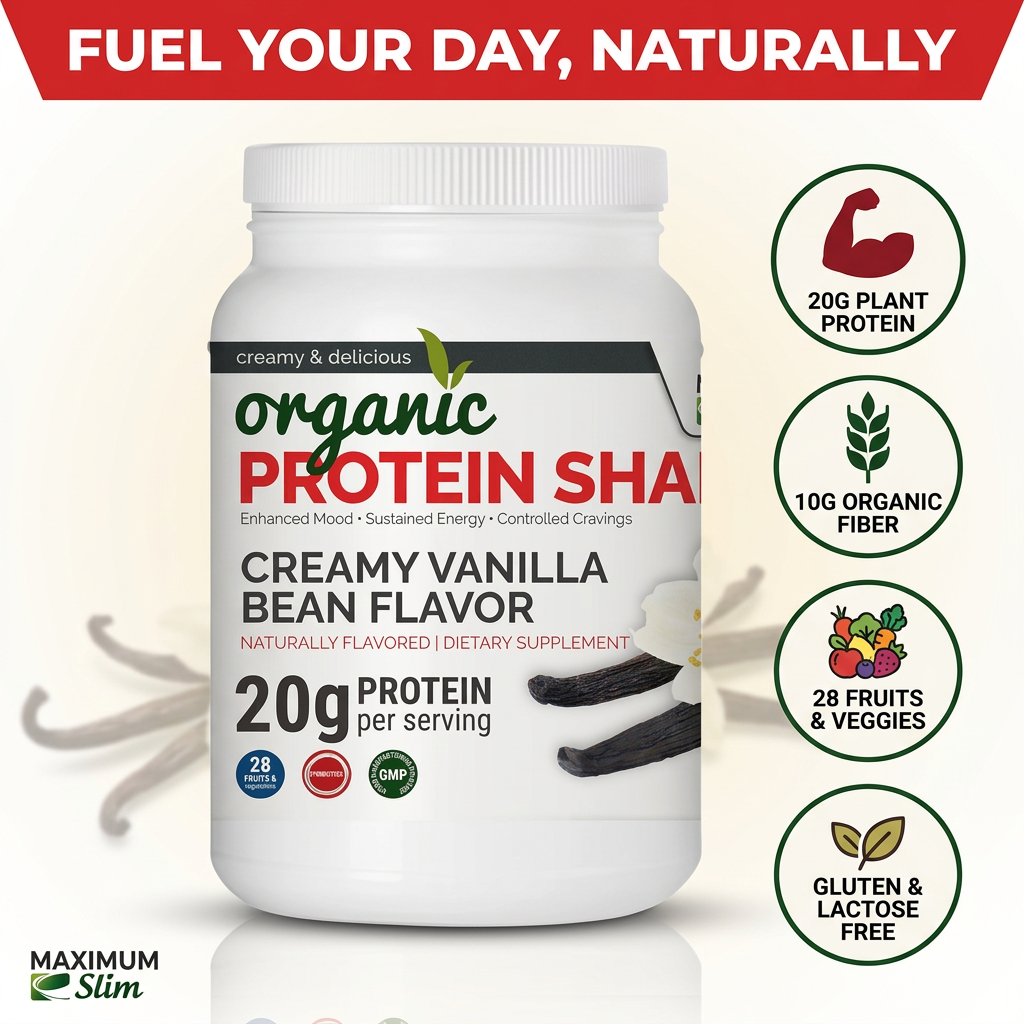
Featured Product
Organic Protein Shake - Maximum Slim | Nutrient Rich Drink for Muscle Recovery
This formula includes a blend of 28 fruits and vegetables and is made to fit a variety of dietary needs.
Shop Now →What protein powder can and can’t do
It can help you reach your daily protein intake more consistently. It can make breakfast stronger, improve the staying power of a smoothie, and support recovery when whole food isn’t practical right away.
It can’t erase a generally poor diet. And it doesn’t need to replace real food. Chicken, yogurt, eggs, beans, tofu, fish, lentils, and cottage cheese still matter. Powder is the backup singer, not the lead.
A simple way to think about it is this:
| Situation | How protein powder helps |
|---|---|
| You finish a workout and can’t eat soon | Gives you a quick, easy protein option |
| You’re hungry an hour after breakfast | Adds staying power to oatmeal or a smoothie |
| You want fewer random snacks | Helps build more filling meals |
| You have dietary restrictions | Offers a practical protein source that fits your needs |
If you’ve been overwhelmed by different protein powders, start with your goal before you start with the flavor. The right powder for muscle gain may not be the right powder for digestion, weight management, or ingredient simplicity.
A Deep Dive into Animal-Based Proteins
Animal-based powders are still the reference point many people use when comparing protein quality. The main categories are whey, casein, and egg white protein, and each behaves differently in the body.

Whey as the fast option
Whey comes from milk, and it’s the most common powder people reach for after exercise. I often describe it as the sprinter of the protein world. It digests quickly, gets amino acids into circulation fast, and fits well after training or anytime you want a lighter-feeling shake.
There are three common forms:
- Whey concentrate: Less processed, usually contains more lactose, fat, and carbs.
- Whey isolate: A more filtered version with higher protein purity and less lactose.
- Hydrolyzed whey: Pre-broken down into smaller peptides for faster absorption.
A useful detail for label readers is that whey protein isolates typically contain 90 to 95% protein by weight and absorb 20 to 30% faster than concentrates, with this faster absorption helping during the 30 to 60 minute post-exercise window, according to this whey protein breakdown. That’s one reason isolates are popular with people who want a cleaner macro profile and easier digestion.
Casein as the slow option
Casein also comes from milk, but it acts very differently. If whey is the sprinter, casein is the marathon runner. It digests more slowly and releases amino acids over a longer period.
That can be helpful when you want longer satiety or a more sustained trickle of protein, such as in the evening or during a long stretch between meals. Some people like casein before bed for exactly that reason.
The tradeoff is feel. Casein usually makes a thicker shake, and it doesn’t have the same quick post-workout reputation as whey.
Egg white protein in the middle
Egg white protein is often overlooked, but it can be useful for people who want an animal-based option without dairy. It’s generally lean, mixes fairly well, and sits somewhere between whey and casein in how people experience digestion.
It doesn’t get the same attention as whey, mostly because whey is so dominant in sports nutrition. But for someone who can’t tolerate dairy well, egg white protein can be a practical alternative.
This short video gives a helpful visual overview of how these forms differ in everyday use.
What matters most when choosing among them
If you’re deciding between these animal-based options, focus on the practical use case.
- Choose whey isolate if you want a high-protein, lower-lactose powder that’s often easier to digest.
- Choose casein if fullness and slower release matter more than speed.
- Choose egg white if you want dairy-free animal protein.
Practical rule: For many people, whey isolate is the most straightforward starting point because it balances convenience, protein density, and digestibility.
Processing matters here. A cleaner label often starts with a simpler protein base, especially if the powder doesn’t rely on lots of extras to improve taste or texture.
Exploring the Best Plant-Based Proteins
Plant-based powders have improved a lot. They’re no longer just the backup choice for people avoiding dairy. Many now work well for muscle recovery, meal support, and everyday nutrition, especially when digestion and allergens matter.

Pea protein as the standout
Pea protein is one of the most useful plant options because it checks several boxes at once. It’s typically well tolerated, free from dairy, and easy to build into a broader clean-label routine.
A key point is that pea protein, made from yellow split peas, contains all 9 essential amino acids and digests more slowly than whey, sustaining amino acid release over 3 to 4 hours, according to this explanation of pea protein. That slower release can be helpful for satiety, meal replacement use, and steady energy between meals.
Brown rice, soy, and hemp
Each plant source brings something different.
Brown rice protein is often used in blends because it complements other plant proteins well. On its own, people sometimes find it a bit chalky, but a good formula can improve that.
Soy protein has long been one of the more complete and effective plant proteins. Some people avoid it for personal reasons, but nutritionally it remains a strong option.
Hemp protein appeals to people who want a less processed feel. It usually has a more earthy taste and texture, and it may fit better in smoothies than in plain water.
Why blends often work best
Single-source plant proteins can be good, but blends are often easier to recommend. Combining pea, rice, and other plants can create a more balanced amino acid profile and a better texture.
That matters because readers often get hung up on the phrase “complete protein.” In plain language, think of amino acids like tools in a toolbox. A complete protein gives you the full set. Some plant proteins already do that, and blends are often designed to cover any weak spots while improving taste and function.
For a deeper look at options in this category, this guide to the best plant protein powder is a useful next read.
When plant protein makes the most sense
Plant-based powders often fit best when one or more of these apply:
- You’re lactose intolerant: Dairy-free options can be easier on your stomach.
- You want an allergen-aware routine: Pea and some blends avoid common triggers.
- You prefer slower digestion: This can support fullness and steadier appetite control.
- You follow a vegan diet: A well-formulated blend can cover your protein needs effectively.
A plant protein doesn’t need to imitate whey to be useful. It just needs to fit your body, your diet, and your goal.
The main caution is quality control. Plant sources can be excellent, but they vary more in taste, texture, and purity, so label reading matters even more.
Protein Powders Head-to-Head Comparison
Once you understand the categories, the question becomes simpler: which powder fits your goal best? The answer usually comes down to digestion speed, amino acid profile, and trustworthiness of the label.

Compare by how fast you want it to act
If your stomach is sensitive or you want a meal-like effect, slower can be better. If you’ve just trained and want something light, faster often feels better.
| Protein type | Digestion feel | Common fit |
|---|---|---|
| Whey isolate | Fast | Post-workout, quick snack |
| Whey concentrate | Moderately fast | General use if dairy is tolerated |
| Hydrolyzed whey | Very fast | Recovery-focused use |
| Casein | Slow | Evening, longer fullness |
| Egg white | Moderate | Dairy-free animal protein |
| Pea protein | Slow to moderate | Meal support, steady energy |
| Plant blend | Varies | Vegan all-purpose option |
Compare by amino acid quality
Whey has a strong reputation because it provides a complete amino acid profile and is especially popular for recovery. Plant proteins can still work very well, but they may depend more on formulation. A smart blend usually beats a weak single-source powder.
If you’re still trying to sort out the processing differences within dairy proteins, this breakdown of protein isolate vs whey is helpful because it explains why isolate and standard whey products can feel quite different in practice.
Compare by what the tub actually contains
This part gets less attention than it should. A powder can have the right source on the front label and still disappoint in the tub.
A laboratory analysis found that some commercial protein powders delivered as little as 7% of their stated protein content, which is why third-party testing matters so much, as noted in this commercial protein powder analysis. In other words, choosing between different protein powders isn’t only about whey versus pea. It’s also about whether the product reliably contains what it claims.
A simple decision framework
Use this if you want a fast shortcut:
- For muscle recovery: Whey isolate is often the cleanest starting point if dairy works for you.
- For longer fullness: Casein or pea protein can make more sense.
- For dairy-free but not vegan: Egg white protein is worth considering.
- For vegan use: A plant blend is usually more balanced than relying on a single source.
- For label simplicity: Fewer ingredients and third-party testing matter more than bold marketing terms.
The best powder is the one you’ll digest well, use consistently, and trust enough to buy again.
A practical example helps. Someone training hard at lunch and eating dinner soon may do well with whey isolate. A busy professional replacing breakfast may prefer pea or a plant blend because it feels more sustaining. A parent buying for a household may prioritize ingredient simplicity and testing over performance language.
Decoding the Label How to Find a Truly Clean Protein
Protein powder selection often begins with the front of the tub. That’s where brands put words like “lean,” “pure,” “natural,” and “premium.” The true quality check starts on the back label.

Start with the shortest useful ingredient list
A clean protein powder usually has a simple foundation. You want to recognize the main protein source first, not hunt through a long list of texture agents and sweeteners to find it.
Red flags often include:
- Long ingredient decks: These can signal heavy formulation instead of a straightforward protein product.
- Multiple sweeteners: Some powders lean hard on sweetness to hide poor taste or low-quality raw materials.
- Filler ingredients: If a tub reads more like a dessert mix than a protein supplement, pause.
- No testing language at all: A brand doesn’t need hype, but it should give you some reason to trust its quality control.
Don’t ignore contamination risk
This is the part many shoppers miss because the powder looks healthy. “Plant-based” and “clean” are not the same thing.
A 2024 Clean Label Project study found that some plant-based protein powders contained up to three times more lead than whey-based counterparts, and Consumer Reports’ 2025 testing found plant proteins averaged nine times higher lead levels than dairy proteins, according to the Clean Label Project white paper. That doesn’t mean all plant proteins are bad. It means sourcing, soil exposure, and testing matter more than marketing language.
Some of the healthiest-looking powders on the shelf can still raise purity concerns if the brand doesn’t test carefully.
What to actively look for
This is the checklist I’d want a client to use in a store aisle:
-
A clear protein source
Whey isolate, egg white, pea protein, or a defined blend should appear prominently. -
Third-party testing or certification
Look for language that shows the product has been checked by an outside program. -
A formula that matches your goal
If you want satiety, a slower-digesting option may fit. If you want post-workout simplicity, a leaner fast protein may fit better. -
Tolerance-friendly ingredients
If you know dairy, soy, or gums bother you, don’t assume a trendy label means it will sit well.
For readers prioritizing minimal ingredients and cleaner standards, this guide to the best clean protein powder offers a useful framework.
One example in this category is Maximum Health Products’ plant-based protein line, which the brand presents as free from preservatives, artificial colors or flavors, added sugars, soy, gluten, fillers, and animal products. That kind of label approach won’t replace independent testing, but it does show the sort of ingredient simplicity worth looking for.
Perfecting Your Protein Timing and Use
Protein timing matters less than consistency, but timing still has a practical role. The simplest rule is to place protein where your day is weakest.
If breakfast is low in protein, fix breakfast. If you train after work and dinner is delayed, use a shake then. If afternoons are when cravings hit, build protein into that part of the day instead of relying on willpower.
When to use it
- After workouts: A fast, easy option can help when you don’t want a full meal right away.
- At breakfast: This is one of the easiest places to improve fullness and energy.
- Between meals: Useful when your lunch and dinner are far apart.
- Before bed: Some people prefer a slower protein in the evening if they want longer satiety.
For a more workout-specific approach, this article on protein powder for recovery gives practical context.
Easy ways to use it beyond shakes
A lot of people quit protein powder because they get tired of shaker bottles. You don’t need to use it that way every time.
Try it in:
- Oatmeal: Stir in a scoop after cooking for a more filling breakfast.
- Greek yogurt or plant yogurt: Mix well and top with fruit or seeds.
- Smoothies: Blend with fruit, nut butter, and milk or a dairy-free option.
- Simple baking: Add some to pancake batter, muffins, or energy bites.
If a powder only tastes acceptable in ice-cold water, it probably won’t become part of your daily routine.
The best routine is the one that feels repeatable on ordinary days, not just on your most disciplined days.
Common Protein Powder Questions Answered
Are plant-based blends as effective as whey for muscle building
They can be. Recent research from 2025 to 2026 found that blended plant proteins can match whey’s muscle protein synthesis rates when they provide at least 2.5g of leucine per serving, and these blends can reduce bloating by 20 to 30% in lactose-intolerant users compared with whey, based on this review of whey alternatives. The key is the formula, not just the word “plant-based.”
Is protein powder safe if I don’t work out intensely
Yes, it can still be useful. Protein supports more than exercise recovery. It can help you build better meals, stay fuller longer, and make busy days easier to manage. You don’t need to lift heavy weights to benefit from more balanced nutrition.
How do I make my protein shake taste better and mix better
Start with less liquid if you want a creamier texture, or more liquid if you want it thinner. Blend instead of shaking when possible. Frozen fruit, cinnamon, cocoa powder, or nut butter can improve taste without making the drink feel overly artificial.
How do I choose among different protein powders without overthinking it
Use this order:
- First, your tolerance: dairy-free, vegan, soy-free, or low-lactose
- Second, your goal: recovery, fullness, meal support, or convenience
- Third, the label: simple ingredients and third-party testing
That usually narrows the choice quickly.
Maximum Health Products offers clean-label wellness products for people who want more than flashy packaging. If you’re looking for protein options that align with ingredient simplicity, daily energy, weight management, and a broader nutrition routine, you can explore the full collection at Maximum Health Products.

