


You know the routine. The first cup gets you moving, but by mid-morning your attention has slipped, your energy feels uneven, and another sweet coffee seems like a short-term fix. You start looking for something that can do more than deliver caffeine.
That search has helped functional coffee move beyond a niche wellness idea. One independent market report values the category at USD 4.48 billion in 2025, projects USD 4.98 billion in 2026, and estimates it could reach USD 8.48 billion by 2031, with an 11.23% CAGR. The same report says ready-to-drink products represented 68.88% of functional coffee sales in 2024, showing how strongly convenience shapes adoption (FoodNavigator market report).
The useful question isn't whether a coffee contains an added mushroom, oil, vitamin, or botanical. The better question is whether the drink delivers that ingredient in a form, dose, and preparation method your body can use.
The practical promise: functional coffee combines the familiar energy of coffee with an added purpose, such as focus, metabolic support, or a more convenient way to take selected nutrients.
This guide will help you understand the category without getting lost in wellness jargon. You'll learn how coffee compounds work, what common additions are intended to do, why roasting and brewing matter, how to compare labels, and how to build a routine that fits your day. For a broader foundation, explore this guide to functional nutrition.
Introduction to Functional Coffee and Why It Matters Now
The appeal is easy to understand. Coffee already belongs to a daily ritual, so adding a functional ingredient can feel simpler than introducing another capsule, powder, or complicated routine. A busy professional might choose a focus-oriented blend before desk work, while someone who prefers convenience might reach for a ready-to-drink bottle on the way to the gym.
That convenience helps explain the category's expansion. A second market estimate places functional coffee at USD 4.32 billion in 2025 and projects growth to USD 6.63 billion by 2031, which points in the same direction as the first estimate, continued category expansion rather than stagnation (FoodNavigator market report). For wellness beverage businesses, that creates room for premium products, differentiated ingredients, and formats that encourage repeat use.
The category still creates confusion. “Functional” can describe a carefully formulated coffee with clearly listed ingredients, or it can appear on packaging that provides little information about amounts, extraction methods, or testing. A label doesn't automatically mean a more effective drink.
The key idea is simple: functional coffee is a delivery system. Coffee carries caffeine and naturally occurring compounds, while added ingredients ride along in the same familiar beverage. Whether the combination is useful depends on the quality of the base coffee, the added ingredient, the amount provided, and how the drink is prepared.
Readers often focus on the ingredient name first. A better approach starts with the job you want the coffee to perform, then checks whether the product can plausibly deliver that function. That shift turns functional coffee from a trend-driven purchase into a practical nutrition decision.
What Functional Coffee Really Is and How It Works
Think of coffee as a familiar vehicle. Plain coffee already carries caffeine and naturally occurring compounds. A functional version uses that same vehicle to carry additional ingredients, such as botanical extracts, mushroom preparations, oils, vitamins, or amino acids, selected for a particular purpose.
The comparison helps separate functional coffee from nearby products:
- Flavored coffee changes taste, but flavor alone doesn't make a beverage functional.
- Instant coffee describes a preparation format. It may or may not contain added functional ingredients.
- A supplement usually delivers an ingredient independently of coffee, often as a capsule, powder, or tablet.
- Functional coffee combines the coffee experience with added nutritional or botanical components.

Start with the intended job
The first step is deciding what you want from the drink. “More energy” might mean greater morning alertness, steadier fuel during activity, or a coffee that feels less harsh on an empty stomach. “Focus” might mean support for a demanding work session rather than a stronger stimulant effect.
Next, inspect the formula. A product should identify each active ingredient clearly and show the amount per serving whenever possible. If the label hides several ingredients in a proprietary blend, you can't easily judge whether the formula contains a meaningful quantity or a token inclusion.
Then consider preparation. A ground coffee brewed with hot water, an instant powder, and a chilled ready-to-drink beverage may expose ingredients to different conditions. Heat, water contact, fat content, storage, and serving size can all influence the final drink.
Why the coffee base matters
Featured Product
Maximum Slim Original Green Coffee
Made with green coffee and carefully selected herbal ingredients such as green tea leaf and ginseng root, this unique blend is designed to complement a balanced lifestyle.
Shop Now →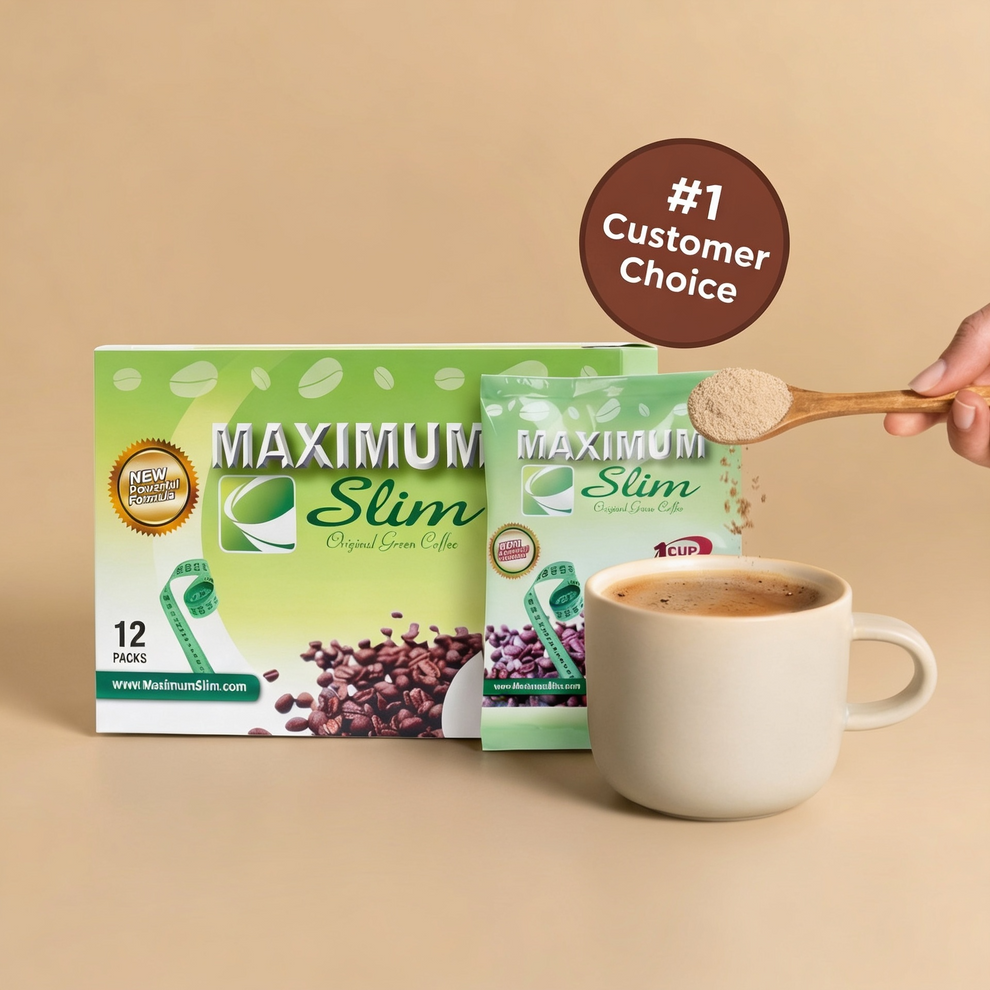
Coffee isn't an empty carrier. It contains over 1,000 chemically active compounds, including caffeine, chlorogenic acids, trigonelline, cafestol, kahweol, and melanoidins (Molecules review). Roasting changes the chemical profile, while brewing determines which compounds move into the cup.
That means the same added ingredient can behave differently in different products. A powdered extract mixed into a strong hot coffee isn't automatically equivalent to the same extract blended into a cold beverage. The label, formulation, and preparation need to be considered together.
For a practical look at how coffee may fit a concentration routine, see this resource on coffee for focus. The central lesson is that functional coffee isn't defined by a fashionable ingredient name. It earns that description by combining a clear purpose with a credible delivery method.
Key Functional Ingredients and What Each One Does
Functional ingredients make more sense when grouped by the job they're intended to perform. The categories below describe common positioning and practical fit, not guaranteed outcomes. Individual responses depend on the formula, serving size, dietary context, and personal sensitivity.

Focus and cognition
Lion's Mane is commonly included in cognitive-support formulas. It suits people who want a focus-oriented ritual without increasing the stimulant intensity, although product quality depends on the type and amount of extract.
L-theanine is an amino acid often paired with coffee in formulas designed to promote a calmer form of attention. Readers who already feel jittery from coffee may find this pairing more relevant than adding another stimulating compound.
Energy and vitality
MCT oil is used in coffee because it mixes naturally into creamy or blended drinks and is positioned as a convenient energy source. It can work well for people who prefer a richer morning beverage, but adding oil changes the drink's texture and nutritional profile.
B vitamins are often included because they participate in normal energy metabolism. Their presence doesn't turn coffee into a substitute for food, sleep, or a balanced diet. A label should still show which B vitamins are included and in what amounts.
Green coffee extract is made from coffee beans before the roasting process and is frequently used in products positioned around metabolism. If you're comparing coffee formats, an iced coffee caffeine guide can help you think about the beverage base separately from added ingredients.
Stress and balance
Ashwagandha and reishi are commonly chosen for formulas marketed around stress resilience and balance. They may appeal to people who want a less narrowly stimulant-focused coffee ritual, but botanical identity alone doesn't tell you whether the preparation is standardized or adequately described.
Rhodiola is another botanical used in energy and fatigue-oriented products. It may suit people seeking a plant-based addition, while those with medication concerns should check with a qualified healthcare professional before use.
For a deeper explanation of chlorogenic acid, review what chlorogenic acid is. The following comparison keeps the choices practical:
| Ingredient Group | Example Ingredients | Primary Goal |
|---|---|---|
| Focus and cognition | Lion's Mane, L-theanine | Attention and calm focus support |
| Energy and vitality | MCT oil, B vitamins | Energy-oriented daily use |
| Stress and balance | Ashwagandha, reishi, rhodiola | Stress resilience and balance |
| Metabolic support | Green coffee extract, chlorogenic-acid-rich coffee | Metabolism-focused positioning |
| Beauty and connective tissue | Collagen | Skin, joint, and protein-support positioning |
Use the table as a starting filter, not a promise. The right ingredient is the one that matches your goal and comes with enough label detail to evaluate the actual product.
Evidence Behind Energy Focus and Metabolism Benefits
Coffee's effects come from a combination of compounds, not one magic ingredient. Caffeine is the familiar alertness component, while chlorogenic acids, often called CGAs, contribute to the broader functional profile. Recent reviews identify caffeine and CGAs as key contributors to coffee's neuroprotective and metabolic effects (Molecules review).
The metabolism discussion becomes clearer when you think about a meal as a flow of materials through a processing line. Carbohydrate-digesting enzymes break food down, glucose enters circulation, and the liver helps regulate how that glucose is produced and stored. CGAs may influence several points in that process by reducing glucose absorption and inhibiting enzymes such as α-amylase and maltase (International Journal of Molecular Sciences review).
The same review-level evidence connects CGA-rich coffee with post-meal energy expenditure and fat utilization. Proposed mechanisms include AMPK signaling and suppression of hepatic glucose production, which helps explain why CGA-focused coffee appears in metabolic-support formulations. These mechanisms describe biological pathways, not a guarantee that a particular drink will produce a visible result.

Bioavailability changes the practical outcome
An ingredient must reach the body in a usable form before it can contribute to a function. CGAs have reported oral bioavailability of only about 3–5%, so their effect depends on factors such as roast level, brewing method, and delivered dose (Molecules review).
This is why bean origin alone doesn't settle the question. Roasting can alter the compounds present, and brewing determines which compounds enter the beverage. Two products can use similar coffee language while delivering different chemical profiles.
Caffeine may support alertness, but a stronger sensory effect isn't automatically a better result. Some people want a clear, steady work session, while others experience unwanted restlessness. For people who train, eat irregularly, or struggle with energy dips, broader planning matters too. A resource on real energy solutions for athletes can help place coffee within a wider routine that includes food, hydration, recovery, and sleep.
How to Choose Quality Functional Coffee Products
A useful label should answer three questions quickly: what is included, how much is included, and why is it there. If you can't answer those questions, the product may be relying more on impression than information.
Start with the serving panel. Look for the coffee quantity, caffeine disclosure when available, named extracts, and amounts per serving. A proprietary blend that lists several botanicals without individual quantities makes comparison difficult, even if the ingredient list sounds impressive.
Apply a label-reading filter
Use this checklist before buying:
- Named ingredients: Confirm that the product identifies the actual botanical, extract, oil, or nutrient rather than using broad language such as “proprietary wellness complex.”
- Visible amounts: Prefer labels that show the amount of each functional ingredient per serving.
- Preparation clarity: Check whether the product is ground, instant, powdered, or ready to drink, and follow the stated serving directions.
- Ingredient transparency: Look for sourcing details, extract specifications, and meaningful information about testing.
- Clean-label signals: If your priorities include avoiding preservatives, artificial colors, artificial flavors, added sugars, soy, gluten, fillers, or animal products, verify each claim on the label rather than assuming it.
- Allergen information: Review allergen statements, especially for products containing dairy-derived collagen, flavored creamers, or shared manufacturing facilities.
Match the format to your routine
Ready-to-drink coffee offers speed and portability, which helps explain why it represented 68.88% of functional coffee sales in 2024 (FoodNavigator market report). The trade-off is less control over sweetness, serving size, coffee strength, and the timing of added ingredients.
Ground coffee gives you more control over brewing and concentration. Instant powders simplify preparation and can make it easier to add a measured functional blend, but taste and mixing quality vary. A product that looks premium on the shelf still needs to fit your actual habits.
Consider one clear purpose at a time. If you buy a coffee containing caffeine, MCT oil, Lion's Mane, several adaptogens, and added vitamins, you may enjoy the formula, but it becomes harder to understand which component suits you. A simpler label often gives you a clearer starting point.
Simple Ways to Make and Use Functional Coffee Daily
Preparation should make the routine easier, not turn breakfast into a laboratory project. Start with the product's instructions, then adjust taste and texture gradually. Adding too many powders at once can create a gritty drink and make it difficult to identify which ingredient affects how you feel.
Try these formats:
- Hot focus coffee: Brew your usual coffee, let it cool slightly, then whisk in the labeled serving of a focus-oriented powder. L-theanine or Lion's Mane formulas are commonly chosen for this purpose.
- Creamy energy coffee: Blend coffee with a measured amount of MCT oil. Begin with the product's suggested serving, because oil can change both mouthfeel and digestion.
- Iced functional coffee: Prepare the coffee, combine it with ice and unsweetened milk or a suitable alternative, and add the functional ingredient before chilling. Stir thoroughly so the powder doesn't settle.
- Protein coffee shake: Blend cooled coffee with protein powder, ice, and milk or a milk alternative. This coffee protein shake guide offers another way to combine a coffee ritual with protein-focused nutrition.
Make timing work for you
Use a focus-oriented drink before a demanding work block if caffeine usually suits you. A metabolism-positioned coffee may fit before activity or alongside a meal, but it shouldn't replace adequate food or hydration.
If coffee affects your sleep, keep it earlier in the day. The right routine is the one you can repeat without creating an afternoon crash, evening restlessness, or digestive discomfort.
Brewing also deserves attention. Coffee compounds respond to heat and extraction conditions, so follow the product's preparation instructions rather than treating every functional powder like ordinary instant coffee. A short mixing test can help you find the best temperature, liquid volume, and blending method for taste.
Safety Tips Label Reading and Smart Next Steps
Functional coffee still contains coffee. If you're sensitive to caffeine, start with a smaller serving or choose a lower-caffeine option where the label provides that information. Pay attention to restlessness, rapid heartbeat, digestive upset, headaches, or disrupted sleep, and stop using the product if symptoms concern you.
Added botanicals and concentrated extracts deserve the same care as other supplements. Ask a healthcare professional about possible interactions if you take medication, manage a health condition, are pregnant, or are breastfeeding. “Natural” describes an origin, not a guarantee of suitability.
Read the Supplement Facts panel and allergen statement before opening the pouch. Check serving instructions, storage guidance, sweeteners, flavorings, and any warnings. Don't assume that a product with a long ingredient list is more effective than a simpler formula.
A sensible starting plan looks like this:
- Choose one product for one goal.
- Follow the labeled serving guidance.
- Use it consistently enough to notice your response.
- Track energy, focus, digestion, and sleep.
- Change only one variable at a time.
This approach keeps expectations realistic and makes the delivery-system idea useful in everyday life. Coffee quality, extraction, bioavailability, dose, and personal response all matter.
Maximum Health Products offers coffee and nutrition options that include green coffee-based drink mixes, along with products for energy, focus, metabolism support, protein, and daily wellness. Visit Maximum Health Products to compare formulas and choose a clean-label option that fits your routine.

