


You're standing in the supplement aisle, or scrolling through product pages, and every tub seems to promise the same thing: clean, lean, easy-to-digest protein. Then you flip the label and find a surprise. Whey in a “gentle” formula. Oats with no clear gluten testing note. A plant blend that sounds healthy but leaves you bloated, hungry, or stuck with a shaker bottle full of grit.
That frustration is common. Finding a gluten free dairy free protein isn't only about avoiding ingredients. It's about finding a formula that works for your body, tastes good enough to use consistently, and supports your goals without guesswork.
The good news is that once you understand why certain proteins are blended, how texture problems happen, and what label details matter most, shopping gets much easier. You stop chasing marketing language and start recognizing quality.
The Rise of Clean Allergen-Free Protein
For a protein powder to be dairy-free, it needs to exclude milk-derived ingredients such as whey, casein, and dairy-based additives. For it to be gluten-free, it has to avoid gluten-containing grains and also control for contamination during sourcing and processing. That second part is where many shoppers get tripped up. A formula can look clean on the front label and still create problems if the manufacturing standards are sloppy.
More people now look for both standards at once. Some are managing celiac disease, lactose intolerance, or food sensitivities. Others feel better with products that are easier to digest and more transparent in their ingredient design.
The gluten-free products market was valued at USD 7.23 billion in 2024 and is projected to reach USD 11.91 billion by 2032, according to Data Bridge Market Research's gluten-free products market report.

Why this combo matters beyond allergies
A lot of shoppers assume “gluten-free” and “dairy-free” are niche labels. They're not. In practice, they've become a shortcut for a broader standard: fewer common irritants, clearer sourcing, and more careful formulation.
That's one reason protein powders have changed. Brands no longer compete only on grams of protein. They compete on how that protein feels after you drink it. Does it sit heavy? Does it digest smoothly? Does it mix well? Does it fit a household where one person avoids dairy and another avoids gluten?
What people are really buying
Many buyers aren't looking for a medical diet. They're looking for fewer surprises.
They want:
- Cleaner labels that don't hide milk ingredients under technical names
- Better digestibility without lactose-related discomfort
- Flexible nutrition that works in smoothies, oats, baking, or travel
- Allergen awareness for shared kitchens and family use
If you've been comparing products and still feel unsure, it helps to start with a strong overview of what a clean formula should look like. This guide to best clean protein powder options is a useful companion when you want to see how ingredient standards translate into real-world product choices.
Practical rule: The best allergen-free protein isn't the one with the most impressive front label. It's the one whose ingredients, processing, and texture all make sense together.
Comparing the Top Dairy Free Protein Sources
A label that says gluten free dairy free protein doesn't tell you much by itself. The difference comes from the protein source. Each one behaves differently in your blender, in your stomach, and in your recovery routine.
Featured Product
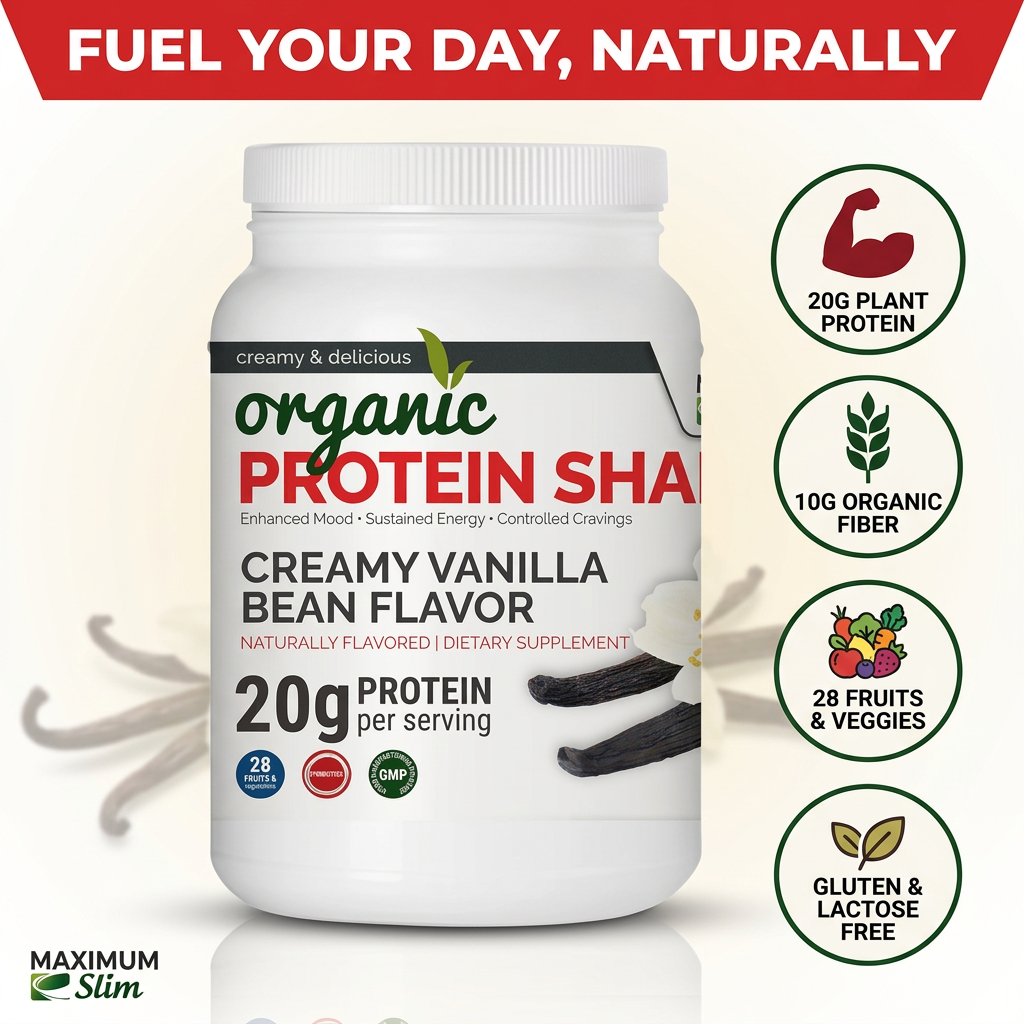
Organic Protein Shake - Maximum Slim | Nutrient Rich Drink for Muscle Recovery
This formula includes a blend of 28 fruits and vegetables and is made to fit a variety of dietary needs.
Shop Now →Gluten-Free and Dairy-Free Protein Source Comparison
| Protein Source | Protein per 30g | Amino Acid Profile | Best For | Common Texture |
|---|---|---|---|---|
| Pea protein | Qualitatively high, exact amount varies by brand | Strong base, but single-source plant proteins are often incomplete | Everyday smoothies, satiety, blended formulas | Thick, earthy, sometimes chalky |
| Rice protein | Qualitatively moderate to high, exact amount varies by brand | Helps complement pea in blended formulas | Lighter shakes, blending with pea | Dry, fine, sometimes sandy |
| Hemp protein | Qualitatively lower than many isolates, exact amount varies by brand | Broader food matrix, but not usually chosen for a complete profile alone | Whole-food style shakes, fiber-forward blends | Grainy, earthy |
| Egg white protein | Qualitatively high, exact amount varies by brand | Complete animal-based protein without dairy | Sensitive digestion, baking, lean recovery | Foamy, lighter mouthfeel |
Why pea and rice work better together
Single-source plant proteins often sound simpler, but simple isn't always better. According to the research reviewed in this study on gluten-free and dairy-free protein formulation, single-source plant proteins are often incomplete, and a pea plus rice blend is required to cover amino acid gaps, particularly for leucine, which is important for muscle protein synthesis.
That's the “why” behind so many quality blends. Pea protein brings strengths that rice protein doesn't fully cover, and rice helps fill in what pea lacks. When the two are paired well, the end result is nutritionally stronger than either one alone.
This also explains why some premium formulas don't chase a one-ingredient story. They're built to perform, not just to sound minimal.
If you want to compare more plant-forward options with that lens in mind, this review of the best plant protein powder choices can help you evaluate blends more intelligently.
Texture tells you something about formulation
Texture complaints aren't random. They often reveal how the powder was built.
The same study found that at 30% substitution levels, pea protein required 150% water absorption and rice protein required 115%, compared with 90% for a control formulation based on maize starch. By contrast, egg white protein required 85% water, and whey-free casein substitutes required 40% water in the tested context. That's why plant proteins so often feel thicker, drier, or grittier unless the formula includes enough liquid, emulsifiers, or supportive ingredients.
In plain language, plant proteins hold onto water differently. They don't create the same elastic structure you'd get from gluten or dairy proteins. So if your shake feels pasty or sandy, that doesn't always mean the protein is poor quality. It may need a different mixing strategy or a more balanced blend.
Which source fits which person
Pea protein works well for people who want a filling shake. Rice protein can lighten a blend and support a more balanced amino acid profile when paired correctly. Hemp tends to appeal to people who prioritize a less refined, more whole-food feel. Egg white protein suits people who want a dairy-free but non-vegan option with a cleaner digestibility profile.
Some shoppers also prefer practitioner-style formulas that use thoughtful blends instead of chasing trends. If you want an example of that approach, Dr. Matt's recommended SP Complete is worth reviewing because it shows how clinicians often think about protein beyond just grams on the label.
How to Choose the Right Protein for Your Goals
The best powder for your friend may be wrong for you. A good choice starts with one question: what do you need this protein to do in your day?

Weight management
If your goal is appetite control, choose a formula that feels satisfying and doesn't turn into dessert. Pea-forward blends often work well here because they tend to create a thicker shake and can feel more substantial than very light proteins.
Look for:
- A short ingredient list with no unnecessary sweetener pile-up
- Lower added sugar so the shake doesn't spike and crash your appetite
- A texture you enjoy because consistency matters more than perfection
Muscle gain and recovery
If you train regularly, the amino acid profile matters more than marketing buzzwords. Blends prove valuable for this reason. A well-designed pea and rice formula usually makes more sense than a single-source plant protein if you want a stronger amino acid pattern.
A practical shortcut is to prioritize products that explain their blend clearly instead of hiding behind “proprietary” language. If you're also trying to estimate how protein intake fits your broader body-composition goals, Weight Method's protein guide can help you think through the math in a more personalized way.
Overall wellness and energy
Some people just need an easy breakfast anchor or an afternoon option that doesn't upset digestion. In that case, the “best” protein is the one you'll use several times a week without dread.
That often means choosing:
- A flavor you can tolerate daily
- A formula without a long list of gums or fillers
- A source that matches your digestion, whether that's a plant blend, egg white, or another dairy-free option
Don't trust the front label alone
One of the biggest mistakes shoppers make is assuming dairy-free automatically means gluten-free. It doesn't. An independent study found that 15% of top-selling dairy-free plant protein powders tested positive for gluten levels between 5 and 20 ppm, often because of cross-contamination. That's why third-party gluten-free certification matters so much when you need both standards.
Choose products that make verification easy. If a brand is serious about allergen control, it won't make you hunt for the details.
A strong label check includes:
- Certified gluten-free status rather than vague language
- Clear dairy exclusion with no whey, casein, or caseinate ingredients
- Flavor transparency, especially if “natural flavors” appear in a formula
- Manufacturing clarity around shared equipment or allergen handling
Creative Ways to Use Your Protein Powder
If you only use protein powder in a rushed shaker bottle, it's easy to get bored with it. It's easier to stick with a routine longer when the powder works in meals they already enjoy.

Smoothies that don't taste like supplements
A plant-based powder usually needs more support than whey ever did. The easiest fix is to blend it with ingredients that add body and flavor naturally.
Try combinations like:
- Banana and cinnamon for earthy pea blends
- Frozen berries and dairy-free yogurt for sharper, brighter flavor
- Cocoa and nut butter when you want to cover grassy notes
- Extra liquid and ice to thin thick formulas before they gum up
A blender usually gives better texture than a shaker cup, especially with rice or hemp protein.
Breakfast upgrades that feel normal
Protein powder works best when it disappears into foods you already eat. Stir a scoop into warm oatmeal after cooking, blend it into pancake batter, or mix it into a dairy-free yogurt bowl with fruit and seeds.
The trick is not overheating delicate powders too aggressively or adding them to very dry batters without enough moisture. If the result turns dense, add more liquid or a mashed banana the next time.
For a quick visual demo, this recipe video shows a simple way to work protein into a practical routine:
Easy snack ideas
You don't need complicated recipes.
A few low-effort uses:
- Energy bites with nut or seed butter and gluten-free oats
- Protein chia pudding for make-ahead breakfasts
- Muffins where protein replaces a small portion of flour, not all of it
- Post-workout bowls with blended smoothie bases topped with fruit
A protein powder becomes more useful when it acts like an ingredient, not a separate health chore.
The more flexible the product is in your kitchen, the more value you'll get from it.
Troubleshooting Taste Texture and Digestion
A lot of people quit using gluten free dairy free protein for three reasons. It tastes earthy, it feels gritty, or it leaves them bloated. Those aren't signs that you failed to “get used to it.” They're formulation and usage issues, and most of them can be improved.
Fixing gritty or chalky texture
Plant proteins absorb water differently from dairy proteins. That's one reason they can feel dry or sandy in a quick shake.
Use these fixes:
- Blend longer instead of shaking harder. Extra blending helps hydrate the powder more evenly.
- Let it sit briefly after mixing. A short rest can soften the texture.
- Increase liquid if the shake turns pasty. Thick isn't always creamy.
- Add a fat source like almond butter or coconut milk for a smoother mouthfeel.
If you bake with plant proteins, don't swap them in one-for-one with flour. They need recipe adjustments, especially more moisture.
Managing earthy flavor
Pea, hemp, and some rice proteins have a natural flavor profile that can come across as grassy, nutty, or dusty. Vanilla can help, but pairings matter more.
Good matches include cocoa, espresso-style coffee flavors, cinnamon, berries, banana, and ginger. Water alone usually exposes off-notes. Unsweetened almond milk, coconut milk, or a blended smoothie base tends to round them out better.
Reducing digestive discomfort
Digestive complaints often come from one of three things: lactose exposure, highly processed isolates that don't agree with you, or added ingredients like gums and sugar alcohols.
According to this dairy-free protein guide, minimally processed sources like egg whites and almonds often offer superior digestibility compared with some highly processed plant isolates, and dairy-free certification also helps by ensuring the absence of lactose. If your stomach is sensitive, that's a useful clue. A simpler ingredient list may matter as much as the protein source itself.
Here's a smart troubleshooting sequence:
- Check the ingredient list for hidden extras before blaming the protein itself.
- Cut the serving size in half for a few days if your body needs time to adjust.
- Try a different source, such as egg white, if repeated bloating happens with plant isolates.
- Pair it with food rather than drinking it on an empty stomach.
If digestion has been a bigger pattern for you, not just a protein issue, these practical tips on how to improve digestion naturally at home can help you look at the bigger picture.
Some powders aren't “bad.” They're just a poor match for your body, your blender habits, or the way you're using them.
Your Path to Clean and Confident Nutrition
Choosing a good gluten free dairy free protein gets easier when you stop treating all powders as interchangeable. The source matters. The blend matters. The label details matter. The way the powder behaves in liquid matters too.
That's why a pea and rice blend often makes more sense than a single plant source. It's also why texture problems usually have a reason behind them, not just bad luck. Once you know what the formula is trying to do, you can make smarter choices and fix common problems faster.
Keep your decision simple. Start with your goal. Then check whether the protein source supports it, whether the label is transparent, and whether the formula fits your digestion and taste preferences. A powder that looks perfect on paper but sits untouched in your pantry isn't the right one.
You don't need to memorize every amino acid chart or ingredient term. You just need a reliable way to filter the noise. With that skill, you can shop with a lot more confidence and far less frustration.
Frequently Asked Questions
Will plant-based protein make me bloated
Not always. Some people do well with plant blends, while others react more to certain isolates, gums, or sweeteners than to the protein itself. If bloating happens, try a smaller serving, a simpler formula, or a different source such as egg white.
Do I need protein powder if I'm not a bodybuilder
No, but it can still be useful. Protein powder is just a convenience food. It helps when breakfast is rushed, when travel makes meals inconsistent, or when whole-food protein is hard to fit into your day.
Can I mix different protein powders together
Yes, and sometimes that's a smart move. Mixing proteins can improve taste, texture, or nutritional balance. A common example is combining plant sources so the blend performs better than a single source alone.
What should I watch for in natural flavors
“Natural flavors” doesn't automatically mean unsafe, but it does mean you may need more clarity from the brand. If you need both dairy-free and gluten-free assurance, look for products that also provide clear allergen statements and third-party certification.
Is egg white protein a good option if I can't tolerate dairy
For many people, yes. It's dairy-free, non-vegan, and often easier to digest than some heavily processed plant isolates. It can also work well in baking and tends to create a lighter texture than some thicker plant powders.
If you want clean-label options that fit a simpler wellness routine, explore Maximum Health Products for allergen-conscious nutrition, protein support, and everyday wellness formulas designed to make healthy choices easier to stick with.

