


You're probably in a familiar spot. You saw green coffee extract in a capsule, powder, or “metabolism support” blend, liked the idea of a more natural weight management aid, and then paused before clicking buy. That pause is smart.
At Maximum Health, we think supplement safety should be explained in plain English. Not with hype, and not with fear. Green coffee extract side effects are real, but they're also often misunderstood. Many people blame the ingredient itself when the bigger issue is usually caffeine exposure, inconsistent formulas, or poor product quality.
That matters because the safest decision isn't always “yes” or “no.” Sometimes it's choosing a better-tested product, taking it at a smarter time of day, or deciding that another option fits you better. If you're also reviewing broader options for weight support, it can help to compare evidence-backed weight support blends instead of focusing on one ingredient in isolation.
For a broader look at clean-label supplement standards, ingredient transparency, and practical wellness education, you can also review science-backed wellness products. That context makes it much easier to judge whether a product belongs in your routine.
Considering Green Coffee Extract Let's Talk About Safety
A lot of readers come to green coffee extract after doing “all the right things.” They're reading labels, trying to avoid extreme stimulants, and looking for a steady, manageable way to support appetite, energy, or body composition. Then they notice mixed reviews. One person says it felt gentle. Another says it made them shaky or kept them awake.
Both experiences can be true.
The reason is that green coffee extract isn't one simple, identical ingredient across every bottle. It comes from unroasted coffee beans, and depending on how it's processed, it may contain different amounts of caffeine. Some products are closer to a chlorogenic-acid focused supplement. Others act more like a mild stimulant. If two people take different products, or take the same product with very different caffeine tolerance, their side effects may look completely different.
Green coffee extract is best understood as a coffee-derived supplement with possible stimulant effects, not as a harmless “natural” shortcut.
That's the lens we use with clients. It lowers confusion right away. Instead of asking, “Is green coffee extract good or bad?” a better question is, “What in this product is most likely causing the effect I feel?”
For the majority of individuals, that answer starts with caffeine. But it doesn't end there. Stomach irritation, sleep disruption, anxiety sensitivity, and even quality-control problems can all shape the experience. Once you separate those factors, green coffee extract side effects become much easier to predict and avoid.
Understanding Green Coffee Extract and Chlorogenic Acid
Green coffee extract comes from raw, unroasted coffee beans. The beans are the same basic starting material used for regular coffee, but roasting changes their chemical profile. That's why green coffee extract and your morning brewed coffee aren't identical, even though they come from the same plant.

Why unroasted beans matter
The main reason green coffee extract gets attention is its chlorogenic acid content. Chlorogenic acids are naturally present in coffee beans, and they're often treated as the key active compounds in green coffee supplements.
A simple way to think about it is this. Raw and cooked foods often behave differently. A raw vegetable and a roasted vegetable start as the same food, but heat changes texture, taste, and some plant compounds. Coffee beans work in a similar way. Before roasting, the bean keeps more of the compounds associated with green coffee extract.
That doesn't mean chlorogenic acid is automatically the source of side effects. In fact, many of the day-to-day complaints people notice with green coffee extract side effects are better explained by the caffeine that remains in the extract.
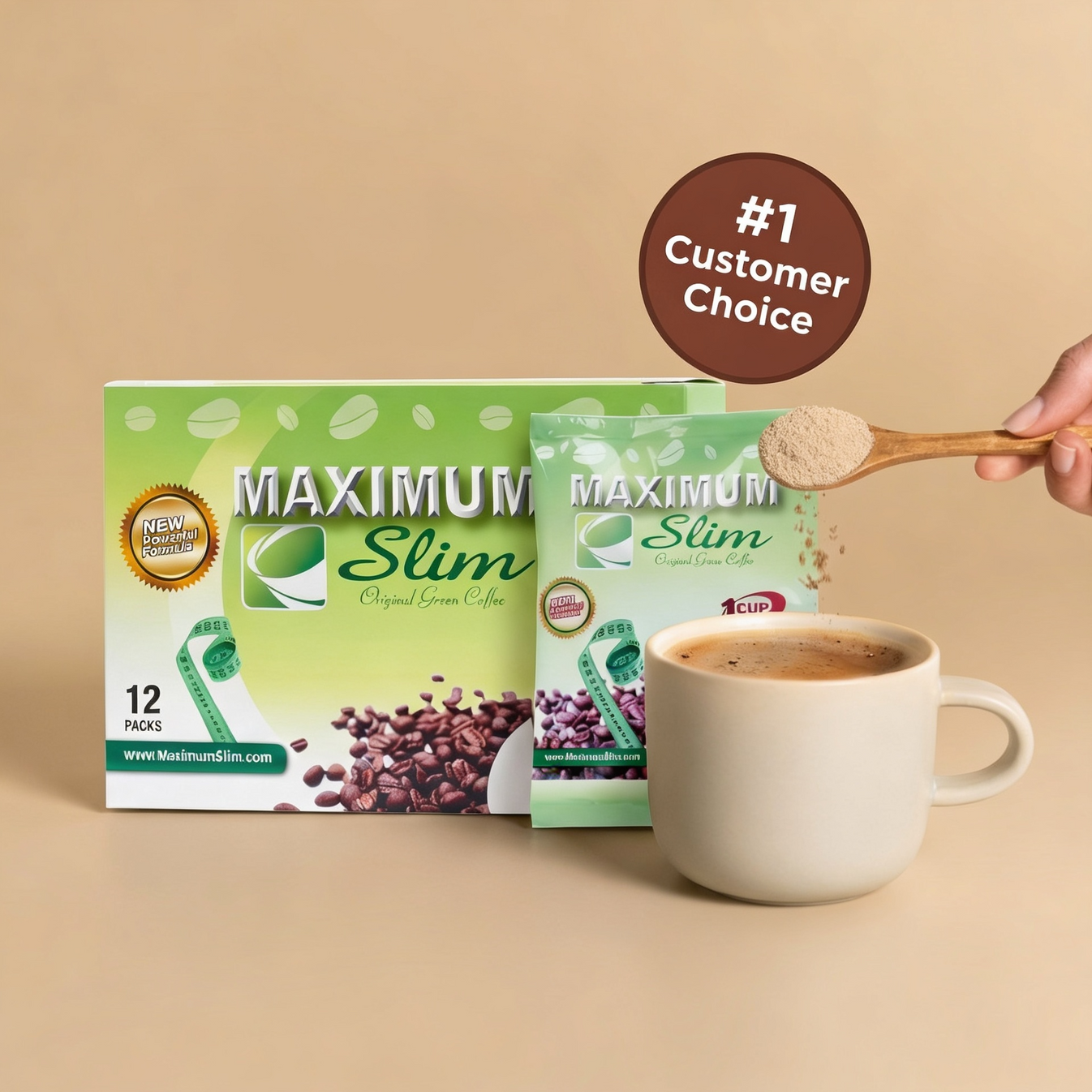
Featured Product
Maximum Slim Original Green Coffee | Premium Unroasted Arabica Blend (12 Ct)
Discover a delicious daily coffee crafted to complement your wellness routine. Enjoy one cup a day as part of a balanced lifestyle.
Shop Now →What chlorogenic acid does, and what it doesn't
People often assume chlorogenic acid is a stimulant. It isn't the main reason someone feels wired, restless, or unable to sleep. Those reactions are more consistent with caffeine.
Chlorogenic acid is usually discussed in relation to metabolism and glucose handling, which is why green coffee extract appears in many weight management formulas. But from a practical safety standpoint, it helps to separate the two:
- Chlorogenic acid is the reason many people seek out green coffee extract.
- Caffeine is the reason many people notice side effects.
- Manufacturing quality is the reason one bottle may not behave like another.
That distinction protects you from a common mistake. Someone takes a low-quality product, feels jittery, and concludes chlorogenic acid is “harsh.” What may be happening is that the product contains more caffeine than expected, or the label doesn't clearly standardize what's inside.
If you want a more detailed primer on how this ingredient is typically used, green coffee bean extract benefits can help fill in that background.
The Most Common Green Coffee Extract Side Effects
Most consumers look for green coffee extract side effects with one core question in mind. “What am I most likely to feel if this doesn't agree with me?”
The short answer is that the most common complaints look a lot like having too much caffeine. Major consumer-health sources consistently list symptoms such as nervousness, restlessness, upset stomach, trouble sleeping, and increased heart rate as the most common issues with green coffee extract, and they largely tie those reactions to caffeine exposure, as summarized by WebMD's green coffee overview.
Why caffeine explains so many side effects
If a supplement contains caffeine, your body doesn't care that the label says “green,” “plant-based,” or “metabolism support.” It still responds like it would to a stimulant.
That's why green coffee extract side effects are often dose-related. A small amount might feel fine. A little more, especially on an empty stomach or late in the day, can tip into restlessness or nausea. The effect is similar to turning up the volume on speakers. At one setting, it's comfortable. Push it higher, and what was manageable becomes irritating.
Here's a practical breakdown:
| Common Side Effects of Green Coffee Extract | Primary Cause | What it Feels Like |
|---|---|---|
| Nervousness or restlessness | Usually caffeine exposure | Feeling on edge, fidgety, overstimulated |
| Trouble sleeping | Usually caffeine exposure | Difficulty falling asleep or lighter sleep |
| Upset stomach or nausea | Caffeine and stomach sensitivity | Queasy stomach, discomfort after taking it |
| Increased heart rate | Stimulant effect from caffeine | Noticeable pounding or faster heartbeat |
| Frequent urination | Caffeine-related fluid loss effect | Needing to use the bathroom more often |
What readers often get wrong
Some people assume a “natural extract” should feel smoother than coffee. Sometimes it does. Sometimes it doesn't. The experience depends on your sensitivity, whether you've eaten, what else you've taken that day, and how accurately the product is labeled.
A few examples make this clearer:
- If you already drink coffee and add green coffee extract, you may feel more wired than expected because the stimulant load stacks up.
- If you take it late afternoon, sleep problems are more likely.
- If you have a sensitive stomach, even a moderate dose may feel rough without food.
Practical rule: If a side effect feels like something coffee has caused you before, caffeine is the first place to look.
Symptoms that are common, but still worth respecting
Most common reactions are not mysterious. They're warning signs that your current product, dose, timing, or total caffeine load doesn't fit you well.
Pay attention if you notice:
- Sleep disruption: Even “mild” insomnia can snowball into cravings, fatigue, and poorer recovery.
- Stomach irritation: Nausea or stomach upset is a sign to reassess timing and dose.
- Feeling jittery: That usually means the stimulant effect is stronger than your system comfortably handles.
- Racing heart sensation: Even if brief, it deserves caution, especially if you have any cardiovascular history.
These effects don't automatically mean green coffee extract is dangerous for everyone. They mean your body is giving feedback. Listening early is the safest move.
Uncommon Reactions and Potential Health Concerns
Most discussions stop at jitters and sleep issues. That's only part of the picture. Some concerns are less common but matter more, especially if you have a sensitive cardiovascular system, existing anxiety, or you're using a low-quality supplement.

Clinical safety versus real-world products
Controlled research and real-world supplement shopping are not the same thing.
A peer-reviewed toxicology paper reviewed in a public medical database reported that a standardized decaffeinated extract containing 50% chlorogenic acids showed no clinical signs of toxicity at a single oral dose of 2,000 mg/kg in rats, and repeated dosing up to 1,000 mg/kg/day for 90 days did not produce mortality or organ toxicity in that animal model. The same review also summarized human trials using chlorogenic-acid doses of at least 500 mg/day for up to 12 weeks, with no serious adverse events observed. But that same source also flagged contamination concerns and found that 33% of tested products contained less than 50% of the labeled chlorogenic-acid amount, according to this peer-reviewed review of green coffee extract safety and quality concerns.
That's the key distinction. A clean, standardized extract used in a study may be tolerated well. A random over-the-counter product may be inconsistent.
The concerns beyond simple caffeine symptoms
This is a point where caution becomes more personal.
Some people may be more vulnerable to:
- Blood pressure changes, especially if they're stimulant-sensitive
- Abnormal heart rhythm concerns, particularly at higher stimulant exposure
- Heightened anxiety, if their nervous system already runs “high alert”
- Exposure to contaminants, if the product hasn't been carefully tested
These are not reasons for panic. They are reasons to slow down and choose carefully.
Not every risk comes from the plant itself. Some of the biggest real-world risks come from what manufacturers fail to control.
That quality issue matters across wellness categories, not just weight support. For readers interested in a broader clinician-guided perspective on cautious, personalized care, Salus Natural Medicine for immune support offers an example of how individualized health decisions often work best when they're not reduced to one trendy ingredient.
What “uncommon” should mean to you
Uncommon doesn't mean impossible. It means you shouldn't assume your experience will match someone else's review.
If you notice stronger-than-expected stimulation, chest discomfort, pronounced anxiety, or symptoms that feel out of proportion to the label, stop using the product and speak with a clinician. When a supplement behaves unpredictably, the problem may not be your body alone. It may be the formulation.
Key Risk Factors and Medication Interactions
Some people can trial green coffee extract cautiously. Others should treat it much more carefully, or avoid it altogether.

Cleveland Clinic warns that green coffee bean extract still contains caffeine, and that supplement caffeine content can vary widely from batch to batch because supplements aren't tightly regulated the way many consumers assume. It also notes that its effects can be especially risky for people with anxiety, heart conditions, or sleep issues, and advises treating green coffee extract as a stimulant unless the label clearly verifies decaffeination, as explained in this Cleveland Clinic green coffee bean extract guide.
Who should be especially cautious
Some groups need a higher level of caution because the likely side effects hit systems that are already vulnerable.
-
People with anxiety or panic symptoms
Caffeine can amplify a racing mind, shakiness, and that “can't settle down” feeling. -
People with heart conditions or cardiovascular sensitivity
A stimulant-related increase in heart rate may not be appropriate if rhythm or pressure is already a concern. -
People with chronic insomnia or poor sleep quality
Even a modest stimulant effect can worsen sleep architecture and next-day fatigue. -
Pregnant or breastfeeding individuals
Safety data are limited, so avoiding nonessential stimulant supplements is the most conservative choice.
Medication questions that deserve a real conversation
Green coffee extract can be tricky when it overlaps with medications that affect blood sugar, blood pressure, clotting, or stimulation.
Watch for added caution if you use:
- Diabetes medications, because anything that may affect glucose handling deserves monitoring.
- Blood pressure or heart medications, because stimulant effects can complicate the picture.
- Blood thinners or medicines affecting clotting, where even a small interaction question should be taken seriously.
- Other stimulants, including pre-workouts, fat burners, or high-caffeine energy products.
This doesn't mean an interaction will definitely happen. It means self-experimenting is a poor strategy when medications are already doing important work.
A simple screening question
Before using green coffee extract, ask yourself: “If this acts more like a stimulant than I expect, what existing condition of mine would it aggravate first?”
That one question often gives the clearest answer.
If cardiovascular balance is already part of your health focus, resources on blood pressure support and cardiovascular health can help you think more broadly about what supports your system rather than stresses it.
A Practical Guide to Using Green Coffee Extract Safely
Safety doesn't come from good marketing. It comes from matching the product to the person, then using it in a way that respects how the body responds.

The habits that lower your risk
Start with behavior, not optimism.
- Start with the lowest labeled amount so you can assess tolerance before increasing anything.
- Take it earlier in the day if sleep has ever been an issue for you.
- Use it with food if your stomach is sensitive to reduce the chance of nausea or irritation.
- Don't stack it with other stimulants unless a clinician has already helped you review the total load.
These steps sound simple because they are. Simple is usually what works.
Product quality matters as much as the ingredient
A lot of readers focus on dosage and ignore sourcing. That's backwards.
A review summarized by Dr. Stanfield noted that short-term trials generally found green coffee extract well tolerated, but also highlighted contamination and label-accuracy concerns in commercial products. It cited an analysis showing one-third of tested products contained under 50% of the claimed chlorogenic acid, which is why Dr. Stanfield's review of green coffee bean extract forms, dosing, and side effects emphasizes third-party verification as a practical safety step.
When you shop, look for:
- Clear caffeine disclosure: If the label hides caffeine details, that's a problem.
- Standardized chlorogenic acid information: You should know what the product is trying to deliver.
- Third-party testing: This is one of the best signals that the company takes consistency seriously.
- A short, readable ingredient list: Less clutter usually means fewer surprises.
If you can't tell what's in the bottle, you can't predict how your body will respond.
If you're comparing options across the wider herbal category, it can also help to explore herbal weight management with the same lens: stimulant load, transparency, and whether the formula fits your needs.
The safest mindset
Green coffee extract side effects are often manageable when you stop treating the supplement like a mystery. Respect the caffeine. Respect your own sensitivity. Respect the difference between a well-made product and a poorly controlled one.
That approach won't make every supplement right for you. But it will make your decisions smarter, calmer, and much safer.
If you want clean-label wellness support built around transparency, practical nutrition, and everyday results, explore Maximum Health Products. Their educational resources and targeted formulas can help you build a simpler routine with more confidence.

