


Your coffee habit might already feel non-negotiable. You wake up, head straight to the kitchen, and make whatever gets caffeine into your system fast. For a lot of people, that means sweetened creamer, flavored syrup, a pastry on the side, or coffee so strong and empty-stomach harsh that it leaves them jittery by mid-morning.
That routine can subtly work against your goals.
The good news is that healthy coffee for weight loss doesn't mean forcing yourself to drink bitter coffee you hate. It means learning how coffee affects metabolism, which add-ins help or hurt, and when to drink it so it supports steady energy instead of rebound hunger. A few smart adjustments can turn your daily cup from a random habit into a more useful part of a balanced routine.
Rethinking Your Morning Ritual
A common pattern looks like this. You rush through the morning, skip breakfast, grab coffee first, and add enough sweetness to make it feel comforting. It tastes good, but a couple hours later you're hungry, distracted, and reaching for something quick.
That isn't a willpower problem. It's often a setup problem.

Coffee has a strange reputation in nutrition. Some people treat it like an unhealthy vice. Others treat it like a fat-loss miracle. The truth sits in the middle. Coffee isn't magic, but it can support weight management when you keep it simple and use it strategically.
One reason this topic deserves a second look is that a Harvard T.H. Chan School of Public Health study on four cups of coffee and body fat found that participants drinking four cups of coffee daily had a 4% reduction in body fat compared with a placebo group over 24 weeks. That's not a reason to chug coffee all day. It is a useful reminder that coffee can have real metabolic effects.
If you're trying to build a more healthy way to lose weight, coffee works best as a support tool. It won't override poor sleep, oversized portions, or a diet built around ultra-processed snacks. But it can fit well into a plan that includes protein, fiber, movement, and consistent meals.
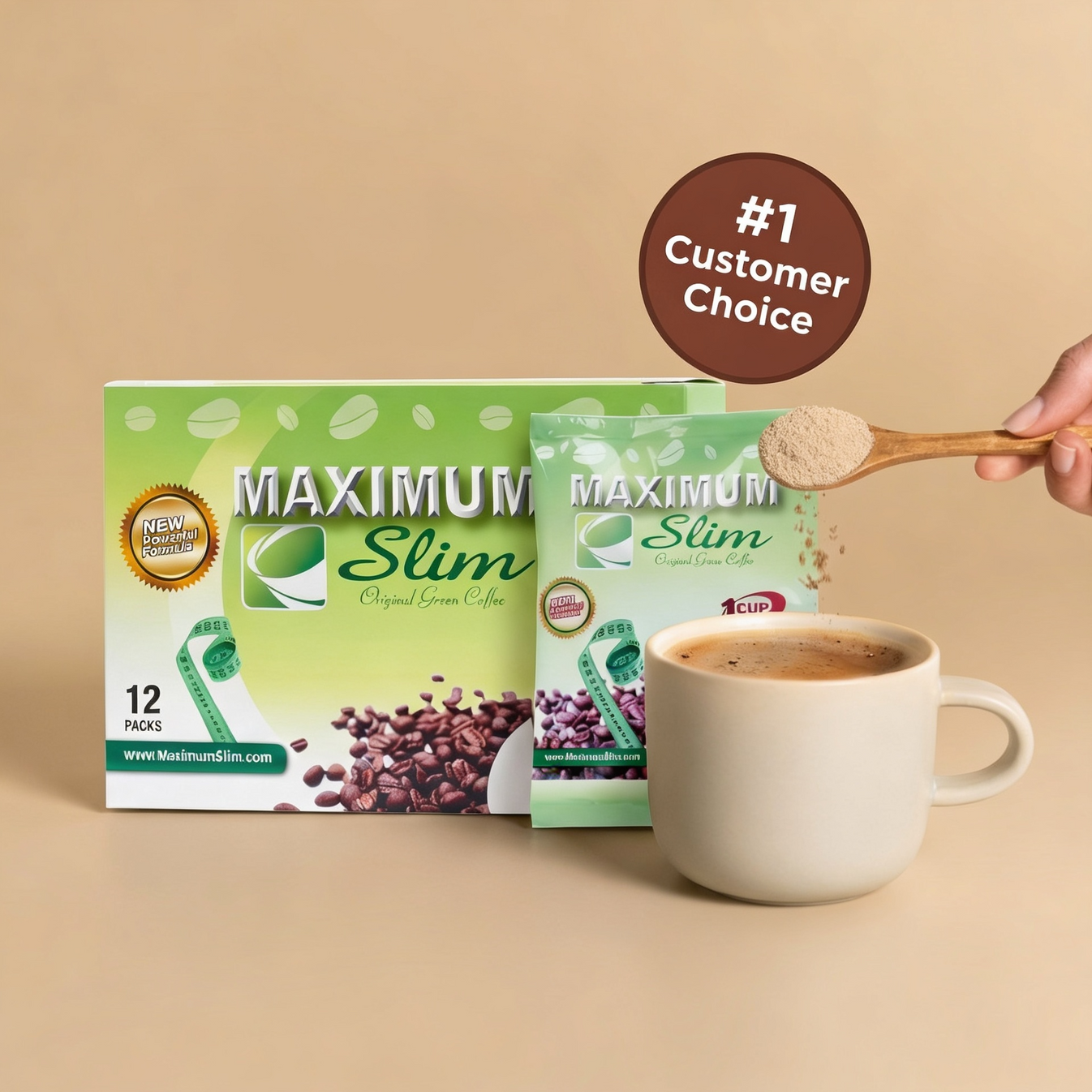
Featured Product
Maximum Slim Original Green Coffee | Premium Unroasted Arabica Blend (12 Ct)
Discover a delicious daily coffee crafted to complement your wellness routine. Enjoy one cup a day as part of a balanced lifestyle.
Shop Now →What changes first
The first shift isn't fancy ingredients. It's dropping the idea that any coffee counts as a health drink.
Start here:
- Keep the base simple: Black coffee or coffee with minimal, recognizable add-ins gives you more control.
- Watch the extras: Sugar, syrups, whipped toppings, and dessert-style creamers can change the whole purpose of the drink.
- Treat coffee like part of breakfast: Coffee tends to work better when it supports a meal, not replaces one.
Healthy coffee should make your morning steadier, not more chaotic.
When clients clean up their coffee routine, they usually notice the same thing first. Not dramatic weight loss overnight. Better appetite control, fewer random cravings, and more consistent energy through the morning. That's the foundation that lasts.
How Coffee Influences Your Metabolism
Coffee's main active player is caffeine, and caffeine does more than help you feel awake. It also changes how your body uses energy.

One of the clearest ways to think about this is to imagine your body has a background energy setting. Even when you're sitting at your desk, walking to the mailbox, or answering emails, you're burning calories to breathe, circulate blood, and keep basic systems running. That's your resting metabolic rate, or RMR.
According to this breakdown of coffee, caffeine, and weight loss mechanisms, caffeine can raise resting metabolic rate by 3% to 11% for several hours after consumption and increase daily calorie burn by up to 150 kcal. The same source explains that caffeine stimulates the nervous system to release catecholamines, which help mobilize fatty acids from stored fat so your body can use them as energy.
Thermogenesis in plain language
Thermogenesis sounds technical, but the idea is simple. Your body produces heat as it burns energy. Caffeine nudges that process upward.
It's like turning a dimmer switch slightly brighter. You're not transforming your metabolism into a furnace. You're raising output a little.
That matters because small, repeatable effects often work better than dramatic short-term tricks. If your coffee supports energy use, helps you train better, and keeps your routine consistent, it can contribute to weight loss without becoming the center of your life.
Lipolysis and fat use
Another term you'll hear is lipolysis. That just means breaking down stored fat into components your body can use for fuel.
Here's the simple version:
- You drink coffee
- Caffeine stimulates your nervous system
- Your body releases signals that free up fatty acids from fat stores
- Those fatty acids become available for energy use
This is one reason coffee often pairs well with exercise. If you drink it before a walk, workout, or active morning, you may feel more alert and physically ready to move.
Practical rule: Coffee can support metabolism, but it works best when it sits next to movement, regular meals, and decent sleep.
Coffee also contains compounds beyond caffeine. Chlorogenic acids, often discussed in relation to green coffee, are part of why some people look at whole-bean quality and processing, not just caffeine content. If you want a broader look at lifestyle habits that can support energy use, this article from Jeeves & Jericho on natural ways to boost metabolism is a useful companion read. For a brand-side overview that connects metabolism support with nutrition habits, you can also review Maximum Health Products' metabolism guide.
What coffee can and can't do
A lot of confusion comes from expecting too much from one beverage.
| Coffee can help with | Coffee can't do alone |
|---|---|
| Support alertness | Fix chronic overeating |
| Slightly increase energy expenditure | Replace balanced meals |
| Make workouts feel easier to start | Overcome poor sleep habits |
| Fit into a weight-loss routine | Cause lasting fat loss by itself |
If you remember one thing, remember this. Coffee is a lever, not a rescue plan.
Key Ingredients That Amplify Weight Loss Benefits
Some coffee add-ins help satiety and routine adherence. Others turn a useful drink into liquid dessert. The difference comes down to function.
A helpful starting point is the caffeine dose-response pattern. A meta-analysis summarized by GoodRx reported that for every doubling of caffeine intake, reductions in weight, BMI, and fat mass increased by 22%, 17%, and 28%, respectively. That doesn't mean more is always better. It does show that coffee's effects can be meaningful, and it raises a practical question: what should you pair with coffee to make those effects easier to use well?

Ingredients that support fullness
If coffee makes you feel wired but not fed, the problem may not be the coffee itself. It may be that the drink has no staying power.
Consider these add-ins:
- Protein powder: A clean, unsweetened or lightly sweetened protein can make coffee more satisfying and turn it into part of breakfast instead of a placeholder. This tends to work well for busy mornings when solid food feels hard to manage.
- Fiber: Some blends include soluble fiber, or people pair coffee with a fiber-rich meal. Fiber helps slow digestion and can make the morning feel less snack-driven.
- Collagen peptides: This can improve texture and increase the drink's substance, though it shouldn't replace a full protein source if you're relying on breakfast to keep you full.
Not every body responds the same way. Some people love protein coffee. Others do better having coffee next to eggs, yogurt, oats, or a smoothie.
Ingredients often used for metabolic support
Some additions are less about fullness and more about complementing coffee's metabolic role.
Green coffee extract
Green coffee comes from unroasted coffee beans and is often discussed because it retains compounds altered during roasting. In product form, it's usually used for metabolism and weight-management support rather than taste. If you want background on how it's typically used, this green coffee bean extract benefits article gives a straightforward overview.
One example in this category is Maximum Slim Original Green Coffee from Maximum Health Products, which uses unroasted Arabica beans for energy and metabolism support. That's one option among several on the market if you're specifically looking beyond standard brewed coffee.
MCT oil
MCT oil is popular because it can make coffee feel more substantial. People often use it when they're trying to reduce random snacking or when they prefer a richer drink without sugary creamers.
It isn't a free pass to ignore the rest of your diet. It's also not ideal for everyone, especially if richer fats upset your stomach. But in the right amount, it can help some people feel satisfied longer.
Cinnamon and similar flavor-forward add-ins
Cinnamon doesn't need to be marketed as a miracle to be useful. It adds flavor without sugar and makes healthy coffee for weight loss taste more like a treat. That's valuable because adherence matters. If you enjoy the drink, you're more likely to stick with the habit.
Add-ins that usually hurt more than help
Many "wellness coffees" go wrong in this regard.
| Better choices | Choices that often derail the drink |
|---|---|
| Plain coffee | Sugary syrups |
| Minimal-ingredient protein | Candy-like flavored creamers |
| Cinnamon or cocoa | Heavy sweetened toppings |
| Small amounts of healthy fat | Large dessert-style add-ons |
If an ingredient mainly makes coffee sweeter, creamier, and easier to overconsume, it's probably helping the drink taste indulgent more than helping your weight-loss goals.
The smartest healthy coffee for weight loss isn't the one with the longest ingredient list. It's the one that supports appetite control, tastes good enough to repeat, and doesn't load your cup with hidden extras.
The Right Way to Drink Coffee for Lasting Results
A lot of people assume the healthiest coffee habit is black coffee, first thing, empty stomach, every day. That advice sounds disciplined. It isn't always effective.

For some people, that pattern works fine. For others, it leads to shakiness, a stressy feeling, cravings later, or overeating by late morning. Timing matters more than most coffee advice admits.
A Nutrisense article on healthier iced coffee habits notes that drinking coffee on an empty stomach can impair blood sugar control and trigger cravings, while pairing coffee with breakfast or adding healthy fats can stabilize glucose levels and support better metabolic outcomes. That point matters because weight loss usually falls apart through appetite swings, not lack of motivation.
Why breakfast-first often works better
Coffee can blunt appetite temporarily. That's one reason people think skipping breakfast is efficient. But delayed hunger often comes back louder.
When you pair coffee with food, especially a breakfast that includes protein, you're more likely to get:
- Steadier energy: Less of the caffeinated high-then-crash pattern
- Better appetite control: Fewer urgent cravings for pastries, chips, or sweets
- A more durable routine: You aren't white-knuckling your way to lunch
A simple breakfast doesn't have to be elaborate. Greek yogurt with fruit, eggs and toast, a protein smoothie, or oatmeal with nuts can all work better than coffee alone if your body is sensitive to morning caffeine.
The best times to use coffee intentionally
Instead of asking, "How early can I drink it?" ask, "When does it help me most?"
Here are the most useful timing windows:
-
With breakfast
This is often the best default. It supports blood sugar stability and makes coffee part of a meal rather than a substitute for one.
-
Before activity
A coffee before a walk, strength session, or busy active morning can make movement feel easier to begin. That matters because consistency beats intensity.
- Earlier in the day
If caffeine affects your sleep, late coffee can disrupt weight-loss efforts by making recovery worse and hunger harder to manage the next day.
Coffee should support your rhythm. If it makes your mornings more erratic, the timing needs work.
A quick visual can help if you're trying to rethink your routine:
What to avoid putting in the cup
The most effective coffee for weight management is usually the least complicated.
Skip or reduce:
- Sugar-heavy syrups
- Artificial dessert creamers
- Large amounts of sweeteners that train your palate toward extra sweetness
- Coffee drinks that function like milkshakes
If you want a richer cup, use a small amount of milk, unsweetened protein, or a tolerated healthy fat. If you want flavor, try cinnamon or unsweetened cocoa. If your coffee upsets your stomach, experiment with having it after food instead of before food.
The "right way" isn't a rigid formula. It's the pattern that gives you stable energy, fewer cravings, and a coffee habit you can keep without fighting your body.
Simple Recipes for Your Healthy Coffee
Knowledge helps. A repeatable recipe helps more. These are simple enough for weekdays and flexible enough to adjust to your taste.
Metabolic morning coffee
This one works well when you want a straightforward, lightly creamy cup.
What you'll need
- Brewed coffee
- A small amount of MCT oil
- A pinch of cinnamon
How to make it
- Brew your coffee as usual.
- Add the MCT oil.
- Sprinkle in cinnamon.
- Blend or froth if you want a smoother texture.
Why it works
The coffee gives you the familiar metabolic lift. The MCT oil can make the drink more satisfying. The cinnamon adds flavor without pushing you toward syrup or sugar.
Protein coffee for busy mornings
This is useful when breakfast tends to get skipped.
What you'll need
- Brewed coffee, slightly cooled
- A clean protein powder
- Optional milk or unsweetened milk alternative
How to make it
- Mix the protein powder with a little cool liquid first to reduce clumping.
- Pour in the coffee gradually.
- Add milk if you want a creamier finish.
- Shake, stir, or blend until smooth.
Why it works
This version turns coffee into more of a meal partner. It can be especially helpful if plain coffee leaves you hungry an hour later.
A good recipe should solve a real problem. More fullness, better energy, or fewer cravings.
Green coffee cooler
For people who prefer something lighter or want a different routine from standard hot coffee.
What you'll need
- A green coffee product you tolerate well
- Cold water or ice
- Optional squeeze of citrus or a few mint leaves for flavor
How to make it
- Prepare the green coffee according to the product directions.
- Pour over ice.
- Add your flavor extras if desired.
- Drink it with or after a balanced breakfast.
Why it works
This gives you a clean, less dessert-like option and can fit well into warm weather or post-workout routines.
How to choose your go-to recipe
Use this quick match-up:
| If you need | Try |
|---|---|
| More fullness | Protein coffee |
| A richer cup without creamer | MCT and cinnamon coffee |
| A lighter, refreshing option | Green coffee cooler |
Keep your first version simple. If a recipe needs six powders and a blender cleanup you hate, you probably won't keep doing it.
How to Choose a Clean-Label Weight Loss Coffee
The front of the package will try to sell you a feeling. The ingredient list tells you what you're buying.
A clean-label coffee product usually has short, recognizable ingredients and avoids the things that make weight-loss support harder. That means fewer sweeteners, fewer fillers, and fewer "natural flavor" heavy formulas that taste more like a dessert drink than coffee.
What to look for on the label
These signs usually point in a better direction:
- Short ingredient list: You should recognize most of what you're reading.
- No added sugars: If the product is sweet, check what creates that sweetness.
- No artificial colors or flavors: These don't improve the coffee's weight-management function.
- No common filler ingredients: Extra bulking agents can make a formula look more impressive than it is.
- Coffee or functional ingredients listed clearly: You want to know what's doing the work.
If you're comparing formats, this guide to organic instant coffee can help you think through convenience versus ingredient quality.
Red flags that deserve a pause
Some labels look healthy until you slow down and read them.
Be cautious with:
- Dessert-style branding: If the product sounds like cake, cookie, or candy, it may be built for taste first.
- Long sweetener stacks: Multiple sweeteners in one formula can keep your palate hooked on very sweet drinks.
- Opaque blends: If you can't tell what you're getting, it's harder to judge whether it fits your goals.
Quality also starts with the coffee itself
Clean label isn't only about what gets added after processing. It also helps to think about the coffee bean and how it's handled before it reaches your cup. If you're curious about that side of quality, Stillwater Coffee Club's natural process guide offers a useful explanation of how processing affects flavor and character.
Read the ingredient panel before you read the marketing promises.
The best healthy coffee for weight loss isn't the flashiest bag on the shelf. It's the one you can identify, tolerate, and use consistently without turning your morning routine into a chemistry experiment.
Frequently Asked Questions
Can I still use healthy coffee for weight loss if I'm sensitive to caffeine
Yes, but your approach needs to be gentler. Start with a smaller serving, drink it with food, and pay attention to how you feel. If coffee makes you anxious, shaky, or disrupts sleep, those effects can undermine the very routine you're trying to improve.
How many cups should I drink
There isn't one perfect number for everyone. The body-fat result discussed earlier came from a specific study setup, not a universal prescription. In real life, the useful amount is the one that supports energy and appetite without causing jitters, stomach upset, or poor sleep.
Is black coffee always the best choice
Not always. Black coffee keeps calories low, but "best" depends on response. If black coffee on an empty stomach leads to cravings or a crash later, a coffee paired with breakfast or combined with a simple supportive ingredient may work better for your body.
Will I regain weight if I stop drinking it
Coffee isn't the foundation of fat loss, so stopping it doesn't automatically cause weight regain. Weight usually returns when the larger habits drift. If coffee has been helping you eat more regularly, move more, or avoid high-sugar drinks, you'll want another structure in place before removing it.
What's the simplest starting point
Use a plain coffee you enjoy, drink it with breakfast, and skip sugary extras. Stay there for a week or two before experimenting with protein, MCT oil, or green coffee products. Simple routines are easier to keep.
If you're looking for clean-label options to support a healthier coffee routine, Maximum Health Products offers coffee, protein, and weight-management products built around simple ingredient standards. A useful next step is to choose one realistic change for this week, such as pairing coffee with breakfast or replacing a sweetened creamer, then build from there.

