


You finish a workout, make a shake because you're trying to do the healthy thing, and within an hour your stomach feels stretched, noisy, and annoyed. Maybe it's bloating. Maybe gas. Maybe that heavy, sloshy feeling that makes you regret the whole idea.
If that sounds familiar, you're not doing anything wrong. Your body is giving you feedback. The trick is learning how to read it.
A lot of people assume protein powder is either “good” or “bad.” In practice, it's more personal than that. One powder may work beautifully for your training partner and wreck your afternoon. The protein source matters, but so do the sweeteners, the gums, the serving size, the speed you drink it, and even what you mix it with. If you have a sensitive stomach, those details matter more than the marketing on the tub.
Featured Product
Organic Protein Shake - Maximum Slim
Each serving provides 20g of organic plant-based protein and 10g of organic fiber, making it a convenient option for smoothies, shakes, and meal replacement support.
Shop Now →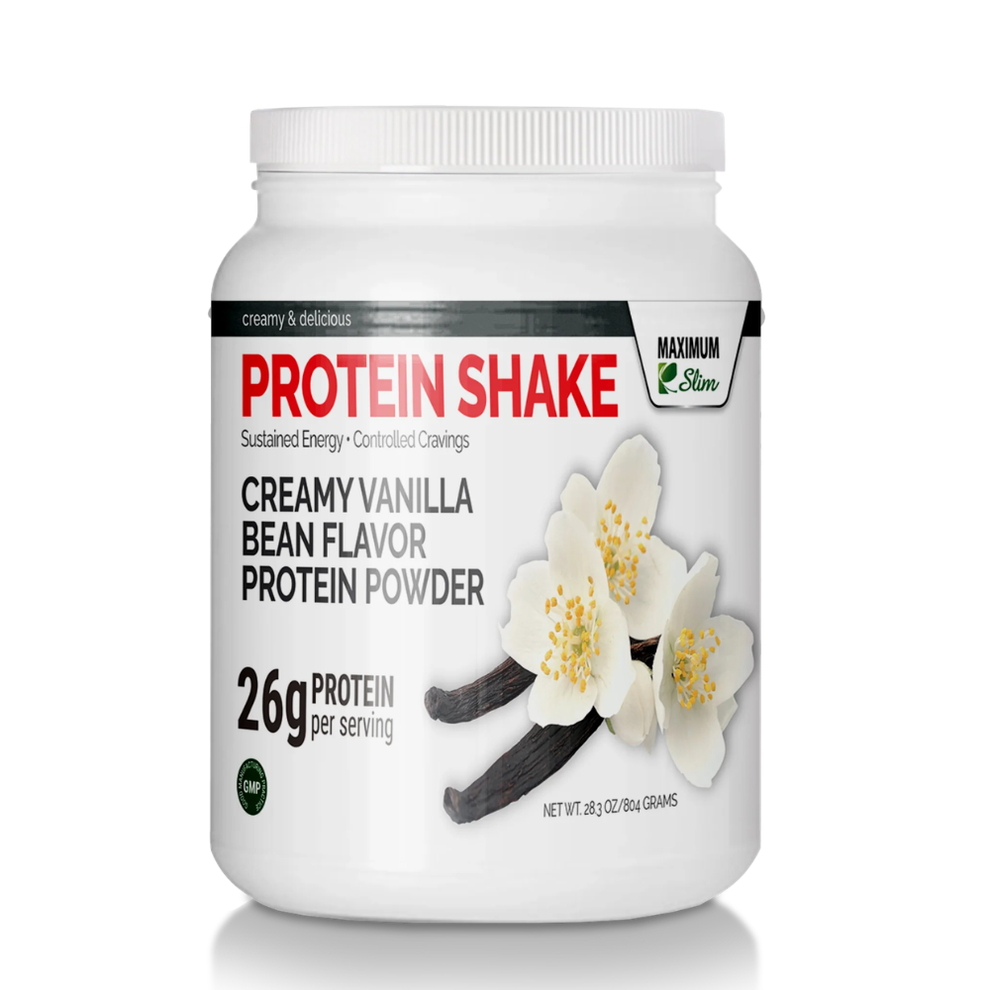
The Post-Shake Problem You Know Too Well
The common pattern goes like this. You want a quick recovery meal, something simple after the gym or easy between meetings, so you mix a scoop into water, almond milk, or whatever is in the fridge. It tastes fine. Then your stomach starts pushing back.
For some people, it's a puffed-up belly and trapped gas. For others, it's cramping, urgent bathroom trips, or a weird fullness that lingers for hours. That can be confusing because protein powder is supposed to help you feel stronger, not less comfortable.
If you've been blaming yourself, stop there. Sensitive digestion is real, and protein supplements are a common trigger for it. What makes this frustrating is that many powders look healthy on the front label while hiding true troublemakers in the ingredient list.
You don't need to give up on shakes. You need a shake that matches your digestion, plus a way of using it that your gut can actually handle.
A good protein powder for sensitive stomachs should feel boring in the best way. No drama after drinking it. No guessing whether the problem was dairy, gums, sweeteners, or just too much at once.
Two people can buy “clean” protein and have completely different results. One person might react to lactose. Another might do fine with dairy but bloat from xanthan gum. Someone with IBS might tolerate pea protein in one brand and react to another because of hidden fermentable ingredients.
That's why the smart approach is to think like a detective, not a shopper. Start with the symptoms, look at the protein source, check the additives, and then look at your habits. The answer often isn't just a new brand. Sometimes it's a smaller serving, slower sipping, or changing the liquid you mix with.
Why Some Protein Powders Cause Stomach Issues
Protein powder can create what I call a digestive traffic jam. Your stomach and small intestine are built to break food down in stages. When a shake contains a hard-to-digest protein, plus irritating additives, plus a large serving swallowed quickly, traffic backs up. That backup can feel like gas, bloating, cramping, or loose stools.
According to a 2025 survey on protein supplement digestive triggers, digestive issues from protein supplements affect up to 30% of users globally, with lactose, artificial sweeteners, and certain thickeners listed as the most common triggers.
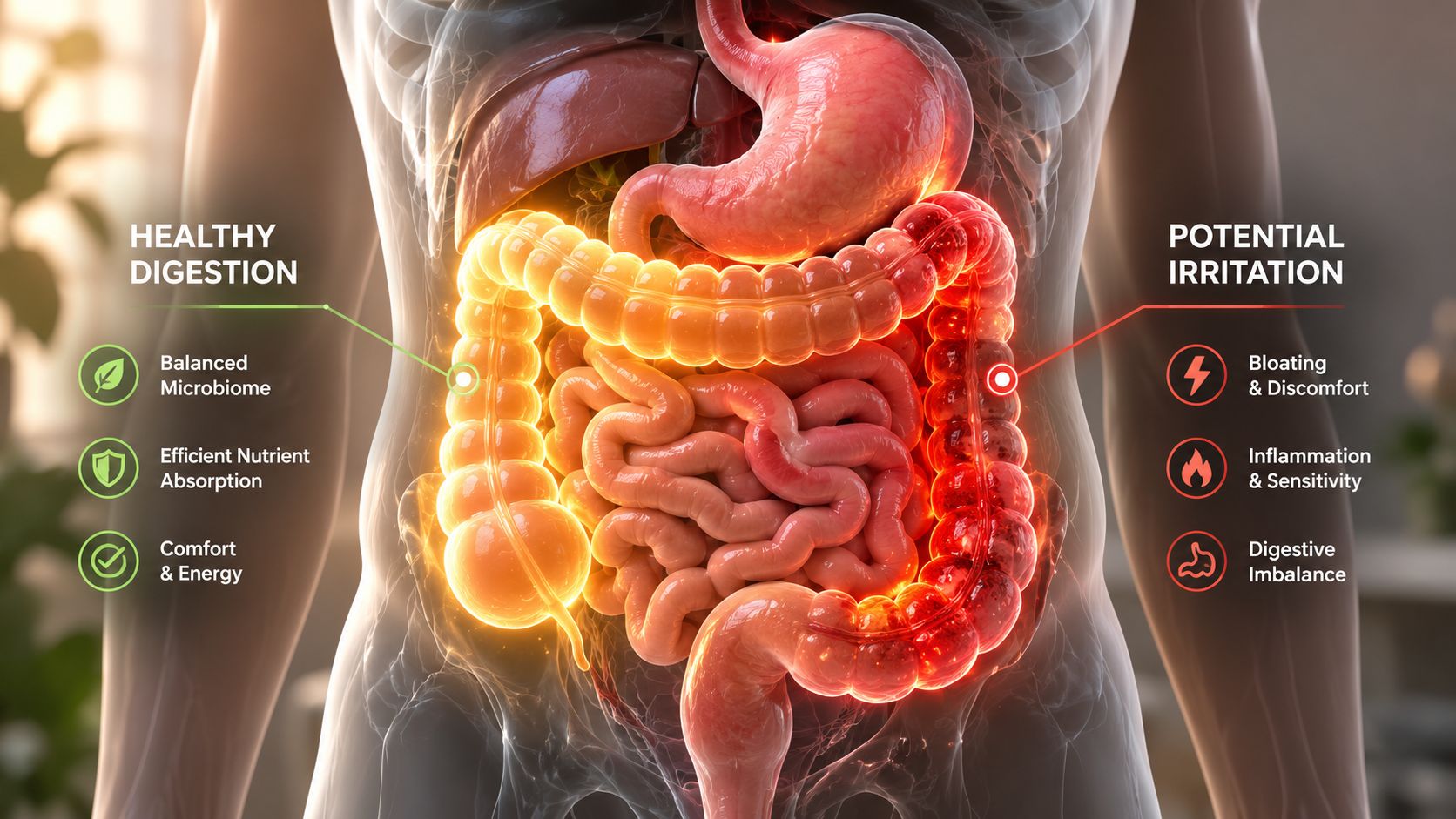
Lactose is a common first suspect
Many people start with whey concentrate because it's common and easy to find. The problem is that whey concentrate can still contain lactose. If your body doesn't break lactose down well, that sugar moves through the gut and ferments. Fermentation is one reason you can feel gassy, swollen, or crampy after what looked like a simple shake.
This is why two whey products can feel completely different. One may be concentrated and rough on your stomach. Another may be filtered more thoroughly and sit much better.
Additives can be louder than the protein itself
A surprising number of “healthy” powders are packed with texture agents and sweeteners. These are often added to make shakes taste dessert-like and feel creamy. Your gut may not love that tradeoff.
Common offenders include:
- Artificial sweeteners like sucralose or acesulfame-K, which can be tough for sensitive guts
- Sugar alcohols like sorbitol or xylitol, which can pull water into the bowel and trigger digestive upset
- Gums and thickeners like xanthan gum or carrageenan, which can leave some people bloated and uncomfortable
If you care about ingredient quality beyond digestion, it also helps to understand broader food safety for facilities because how foods and supplements are handled matters too.
Processing and pace both matter
Your gut doesn't only respond to ingredients. It responds to workload. If you slam a thick shake right after a workout, your digestive system has to process a lot at once. That's especially true if the protein is less digestible or the shake includes fiber-heavy add-ins.
Think of your stomach like a blender with a sensible speed setting. It can do the job, but if you overload it, the result isn't faster digestion. It's a messy backup.
Practical rule: If a shake leaves you bloated, don't assume protein is the enemy. Check the lactose, check the label extras, and check whether you drank too much too fast.
Comparing Gut-Friendly Protein Sources
Once you know why your current shake causes trouble, choosing a better one gets easier. The best protein powder for sensitive stomachs usually comes down to one question: which protein source gives you the least digestive work?
Some proteins are naturally gentler. Others become gentler through extra processing. A few can be helpful for sensitive people but still come with caveats.
Whey isolate and hydrolyzed proteins
If you like dairy-based protein and want a stronger chance of tolerating it, whey isolate is usually a better place to start than whey concentrate. It tends to have less lactose, which removes a common trigger.
Hydrolyzed whey goes a step further. According to digestibility data on hydrolyzed whey and beef proteins, these proteins can reduce gas and bloating by 40 to 60% compared to concentrates because hydrolysis breaks proteins into smaller peptides. The same source notes these isolates contain less than 1% lactose, which helps remove a major dairy trigger.
Hydrolyzed beef protein isolate is similar in concept. The protein is already partly broken down, so your gut has less work to do.
Plant-based options
Plant proteins can be a great fit, but they aren't automatically gentle. Pea protein isolate is often one of the better choices for people avoiding dairy or soy. It's low-allergen in comparison with many alternatives and can work well for sensitive digestion.
Still, plant-based doesn't mean symptom-proof. Rice and hemp may feel fine for one person and too heavy for another. Texture matters too. Some blends use added fibers or gums to improve mouthfeel, and that can undo the digestive advantage.
If you're exploring dairy alternatives but still want to compare animal-based options, this guide to compare goat milk protein benefits adds useful context.
For people who know lactose is the main issue, a practical next step is reviewing lactose-free protein options.
Collagen and mixed formulas
Collagen is often easy on the stomach and mixes smoothly. The tradeoff is that it isn't a complete protein for muscle-building purposes in the same way some other options are. It can still fit into your routine, but it may not be the best stand-alone recovery choice if muscle repair is your main goal.
Blends can go either way. A simple blend with minimal ingredients may work well. A blend loaded with thickeners, sweeteners, and “functional” extras may not.
Protein Type Digestibility Comparison
| Protein Type | Key Benefit for Digestion | Potential Watchout | Best For |
|---|---|---|---|
| Whey concentrate | Familiar and widely available | Often harder on sensitive stomachs because of lactose content | People who already tolerate dairy well |
| Whey isolate | Lower lactose than concentrate | Some flavored versions still include irritating additives | People who want dairy protein with less digestive stress |
| Hydrolyzed whey | Pre-digested into smaller peptides for easier absorption | Taste can be more bitter in some products | People who react to regular whey but still want dairy-based protein |
| Hydrolyzed beef isolate | Gentle option with pre-broken-down protein | Texture and flavor vary a lot by brand | People avoiding dairy who still want an animal-based option |
| Pea protein isolate | Often a good low-allergen, dairy-free choice | Some products may still contain residual FODMAPs or irritating extras | People with lactose issues or those wanting plant-based protein |
| Rice protein | Dairy-free and simple in many formulas | Digestive tolerance varies by brand | People who want a basic plant option |
| Hemp protein | Plant-based and straightforward | Can feel heavy because of fiber in some formulas | People who tolerate fiber well |
| Collagen | Often easy on the stomach and easy to mix | Not ideal as a sole muscle-recovery protein | People prioritizing tolerance and convenience |
Decoding Labels and Spotting Ingredient Red Flags
A label can tell you more than the front of the tub ever will. If you have a sensitive stomach, the ingredient list is your shortcut to fewer bad surprises.
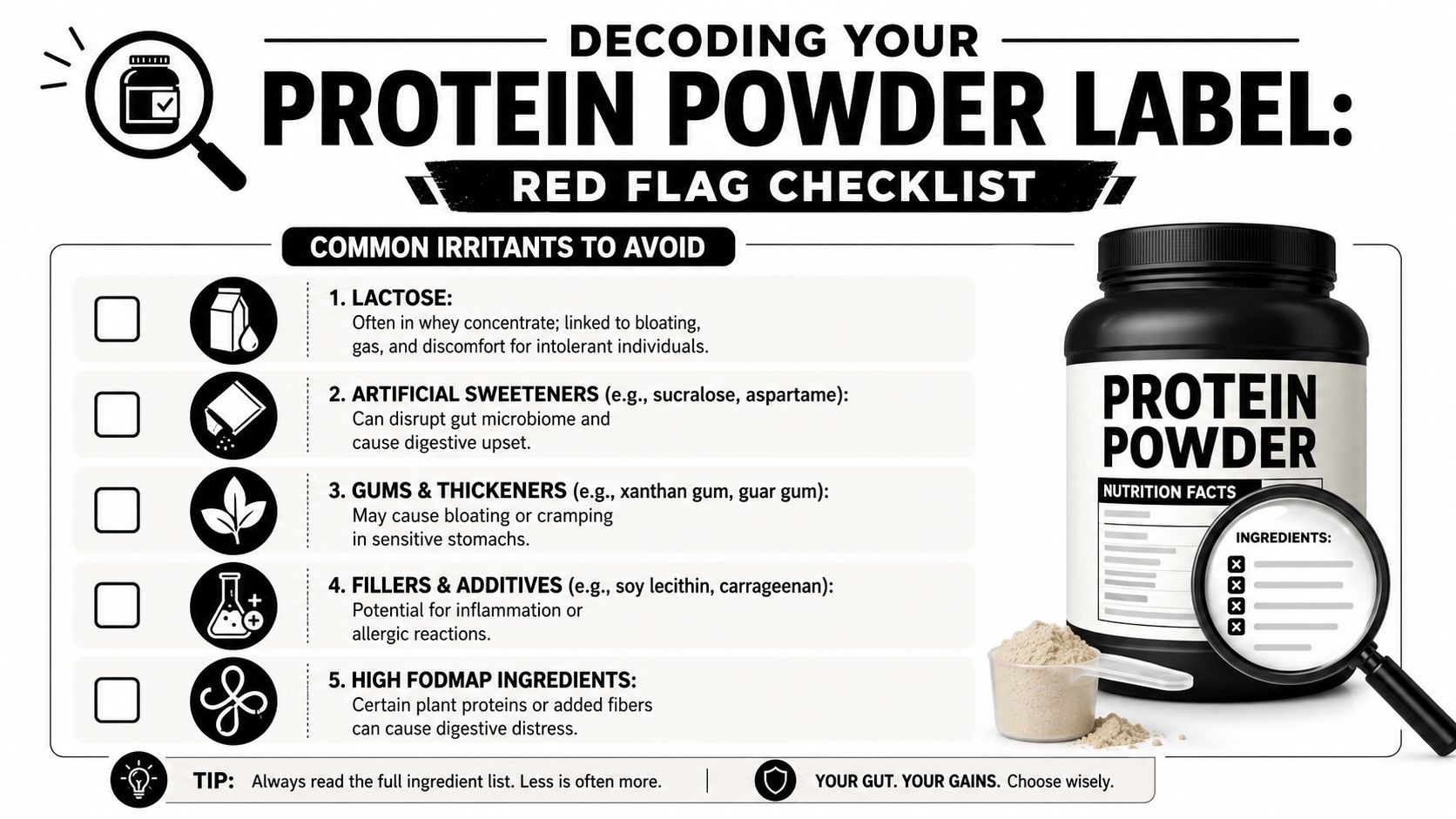
The shortest labels are often the easiest to work with. According to guidance in this vegan protein powder ingredient review for sensitive stomachs, artificial sweeteners like sucralose and gums like xanthan gum are top non-protein irritants, and experts recommend powders with 4 to 6 total ingredients to lower risk.
The biggest red flags
Read the label in this order. Protein source first. Then sweeteners. Then texture agents.
- Lactose clues: If the product uses whey concentrate, dairy sensitivity is more likely to show up.
- Sugar alcohols: Ingredients such as sorbitol, xylitol, and erythritol can be rough on the gut, especially if you're prone to IBS symptoms.
- Artificial sweeteners: Sucralose and acesulfame-K may be fine for some people but can trigger symptoms in sensitive users.
- Gums and thickeners: Xanthan gum, guar gum, and carrageenan often improve texture while making digestion worse for some stomachs.
- Long “wellness” blends: The more extras packed in, the harder it is to know what caused your reaction.
What a cleaner label looks like
A good label often looks almost plain. You want a clear protein source, a simple natural sweetener if included, and as few support ingredients as possible.
A quick screen might look like this:
- Protein named clearly. “Pea protein isolate” tells you more than a vague proprietary blend.
- Sweetener kept simple. Many people do better with stevia or monk fruit than with sugar alcohols.
- No gum-heavy texture system. If the powder depends on multiple thickeners to feel creamy, your stomach may pay the price.
If you want examples of what a simpler supplement profile can look like, this overview of best clean protein powder options is a useful reference point.
If the label reads like a chemistry set, your gut may treat it like one.
How to Select Your Ideal Protein Powder
Choosing a protein powder for sensitive stomachs gets easier when you stop shopping by flavor and start shopping by tolerance. You're not looking for the most exciting tub. You're looking for the one your body barely notices.
Start with the simplest fit
If dairy has bothered you before, don't try to outsmart your body with a flashy whey blend. Start with a simpler option such as whey isolate, hydrolyzed whey, hydrolyzed beef isolate, or a plain pea protein isolate depending on your history.
If your symptoms are unpredictable, remove as many variables as possible:
- Choose unflavored or lightly flavored first
- Pick the shortest ingredient list you can find
- Avoid multiprotein blends until you know what you tolerate
- Skip “dessert” formulas full of extras
This first test product is not your forever product. It's your baseline.
Be skeptical about digestive enzymes
A lot of labels add enzymes and make them sound like a guaranteed fix. That's not always true. According to this review of enzyme viability in protein powders, enzymes such as protease need at least 500 HUT per serving and heat-stable processing to remain effective. Many labels don't tell you enough to know whether the enzymes are viable.
That means “with digestive enzymes” is not the same thing as “will digest better.”
Questions worth asking:
- Does the label list the enzyme amount clearly?
- Was the formula processed in a way that protects enzyme activity?
- Is the enzyme addition specific, or is it just a marketing sprinkle?
A short video can help you think through how to compare products and serving habits more practically.
Look for proof, not promises
A powder doesn't need a giant list of health claims. It needs clear labeling, obvious allergen information, and a formula that matches your digestion.
Use this buying checklist:
- Known trigger removed: If lactose is your issue, pick a formula designed around that reality.
- Ingredient list is readable: You should recognize most of what's there.
- Add-ons are restrained: More support ingredients are not always more helpful.
- Your symptoms guide the choice: Gas after dairy points in one direction. Cramping after gums points in another.
The best product isn't the one with the most features. It's the one you can use consistently without dreading the aftermath.
Smart Usage Tips and Tummy-Friendly Recipes
This is a detail commonly overlooked. You can choose a good powder and still feel awful if your use habits are working against you.
A major hidden cause of bloat is protein overload. According to this report on protein powder bloating and serving size, taking in 30 to 40g of protein in one fast-absorbing shake can delay gastric emptying, while reducing a serving to 15 to 20g is often more effective than switching brands.
Change the dose before you change the tub
If you're currently using a full scoop because the label says so, try cutting it down first. Your stomach may tolerate the same powder much better at a smaller amount.
A practical routine looks like this:
- Begin with half a serving: This gives your gut a low-stress trial.
- Sip instead of chugging: Fast drinking piles more work on your stomach at one time.
- Use water for the first test: It removes one more variable.
- Avoid stacking high-fiber extras right away: Nut butters, seeds, and fibrous fruit can turn a simple shake into a gut bomb.
Timing matters more than most people think
Some people do poorly with shakes on an empty stomach. Others feel worse if they drink one right after a large meal. Sensitive digestion usually does better with moderation, not extremes.
A shake should feel like support, not a challenge.
If you need more day-to-day ideas, this guide on how to improve digestion naturally at home fits well with a gentler protein routine.
Two simple stomach-friendly shake ideas
1. Gentle vanilla starter shake
Use a small serving of a plain or lightly flavored protein powder with cold water and a few ice cubes. Blend until smooth. That's it.
Why it works: it keeps the test clean. If you tolerate this, you can build from here.
2. Soft berry smoothie
Blend a small serving of protein powder with water, a small portion of blueberries, and ice. Keep the texture thin rather than milkshake-thick.
Why it works: it's simple, lighter than a full meal smoothie, and easier to troubleshoot if symptoms show up.
A lot of digestive success comes from treating shakes like a gradual experiment, not a challenge test. Smaller serving. Simpler mix. Slower pace. Those changes often matter as much as the ingredient list.
Frequently Asked Questions and Safety Checklist
Is pea protein always safe for IBS
Not always. According to this guide to protein powder with IBS, pea protein isolate can be an excellent low-allergen choice, but even small residual amounts of FODMAPs can still trigger IBS symptoms. That's why “lactose-free” alone doesn't guarantee comfort.
Is collagen enough for muscle recovery
Collagen is often easy to tolerate, which makes it attractive for sensitive stomachs. But if your main goal is post-workout muscle repair, many people prefer to pair it with or replace it with a more complete protein source.
Can I ever tolerate whey again
Sometimes, yes. The issue may be the type of whey rather than whey itself. Some people react to whey concentrate and do much better with whey isolate or hydrolyzed whey. The smarter move is to test carefully, not force it.
Are protein blends a good idea
They can be, but they're harder to troubleshoot. If a blend upsets your stomach, you don't know whether the problem was pea, rice, gums, sweeteners, or the total serving size. Single-source proteins are often easier during the trial-and-error phase.
Tummy-safe protein checklist
- Start small: Use a partial serving before trying a full scoop.
- Choose fewer ingredients: Short labels are usually easier to work with.
- Watch the dairy form: Whey isolate or hydrolyzed whey may sit better than whey concentrate.
- Scan for additives: Sugar alcohols, gums, and artificial sweeteners are common trouble spots.
- Test with water first: It removes one variable.
- Drink slowly: Fast intake can create its own digestive problem.
- Keep recipes simple: Don't pile fiber, fat, and protein into one glass when you're testing tolerance.
- Stop if symptoms keep happening: Ongoing pain, diarrhea, or severe bloating deserves medical guidance.
If you're looking for a clean, simple option to support your routine, Maximum Health Products offers wellness-focused nutrition products, including protein choices designed around clean-label standards. It's a practical place to explore if you want a simpler formula without the usual clutter of artificial flavors, fillers, soy, or added sugars.

