


If “eat less and move more” were enough, far fewer women would feel stuck.
A lot of conventional advice treats the female body like a simplified math problem. It ignores appetite shifts across the menstrual cycle, the way poor sleep changes hunger and cravings, the effect of stress on consistency, and the very real metabolic changes that happen in postpartum recovery, perimenopause, and menopause. Women often follow the plan exactly, then blame themselves when the plan doesn't fit their physiology.
Good weight management for women starts from a different premise. Your body isn't broken. It needs a strategy that respects hormones, recovery, muscle, and sustainability.
Rethinking Weight Management Beyond Calories and Cardio
The calorie balance model matters, but it isn't the whole picture for women. It tells you what has to be true over time for weight to change. It doesn't tell you why one woman feels stable and energized on a routine that leaves another exhausted, hungry, and inconsistent.
That gap matters because women are facing this challenge at scale. The global age-standardised prevalence of obesity in women increased from 8.8% in 1990 to 18.5% in 2022, outpacing the rise seen in men, according to Rethink Obesity's summary of global data. That isn't just a personal discipline issue. It points to a need for female-specific strategies and better support.

Why standard advice breaks down
Many women are told to do more cardio, cut more calories, and ignore hunger. That often backfires. Restriction can raise food preoccupation. Too much training can increase fatigue. Poor recovery can make workouts feel harder and adherence worse.
Hormones don't erase energy balance, but they do shape appetite, water retention, training readiness, sleep quality, and body composition changes. If you don't account for those variables, you can make a sound plan feel impossible to follow.
Practical rule: If a plan only works when your energy is high, your schedule is clear, and your hormones are cooperative, it isn't a real-life plan.
A better target than fast weight loss
The target is not to punish your body into short-term change. It's to build a routine you can repeat through ordinary weeks, stressful weeks, and hormonally messy weeks.
That means paying attention to more than scale weight:
- Energy: Are you dragging through the afternoon?
- Recovery: Do your workouts leave you stronger or just sore?
- Hunger: Are meals satisfying enough to prevent rebound eating?
- Mood: Are you calmer and steadier, or more irritable and fixated on food?
- Function: Do stairs, errands, and daily movement feel easier?
Women usually don't need harsher rules. They need a framework that matches real physiology. That starts with a clear look at where you are now, without shame and without guesswork.
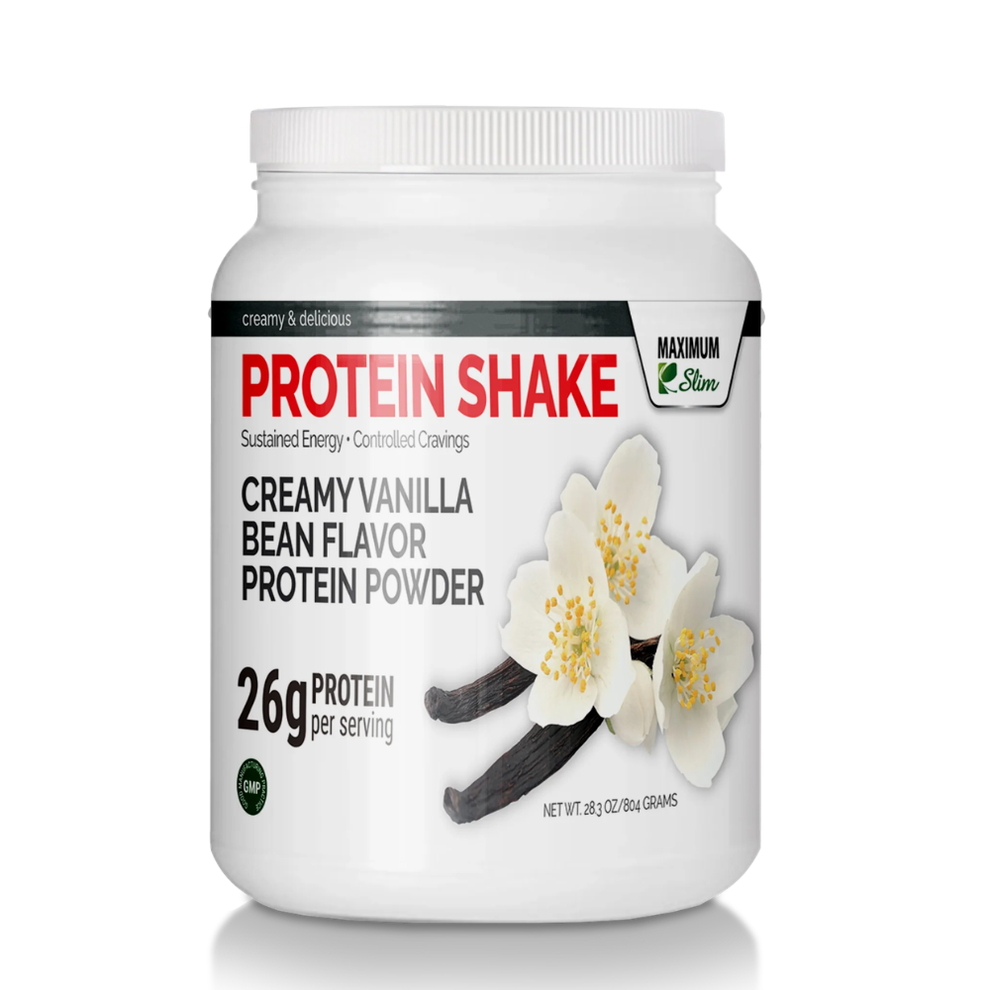
Featured Product
Organic Protein Shake - Maximum Slim
Each serving provides 20g of organic plant-based protein and 10g of organic fiber, making it a convenient option for smoothies, shakes, and meal replacement support.
Shop Now →Assess Your True Starting Point and Set Kind Goals
Before changing food or training, get honest about your baseline. Not in a harsh way. In a useful way.
A lot of women begin with one question: “How much do I weigh?” That number can be relevant, but by itself it's incomplete. If your sleep is poor, your stress is high, your digestion feels off, and you're relying on willpower all day, the scale won't tell you why progress keeps stalling.
Research also shows how common this cycle is. Approximately 42% of adults try to lose weight annually, with women showing a significantly higher prevalence of attempts than men, according to this review in Obesity Reviews. The gap between trying and maintaining results is exactly why your starting point needs to include behavior and recovery, not just body weight.
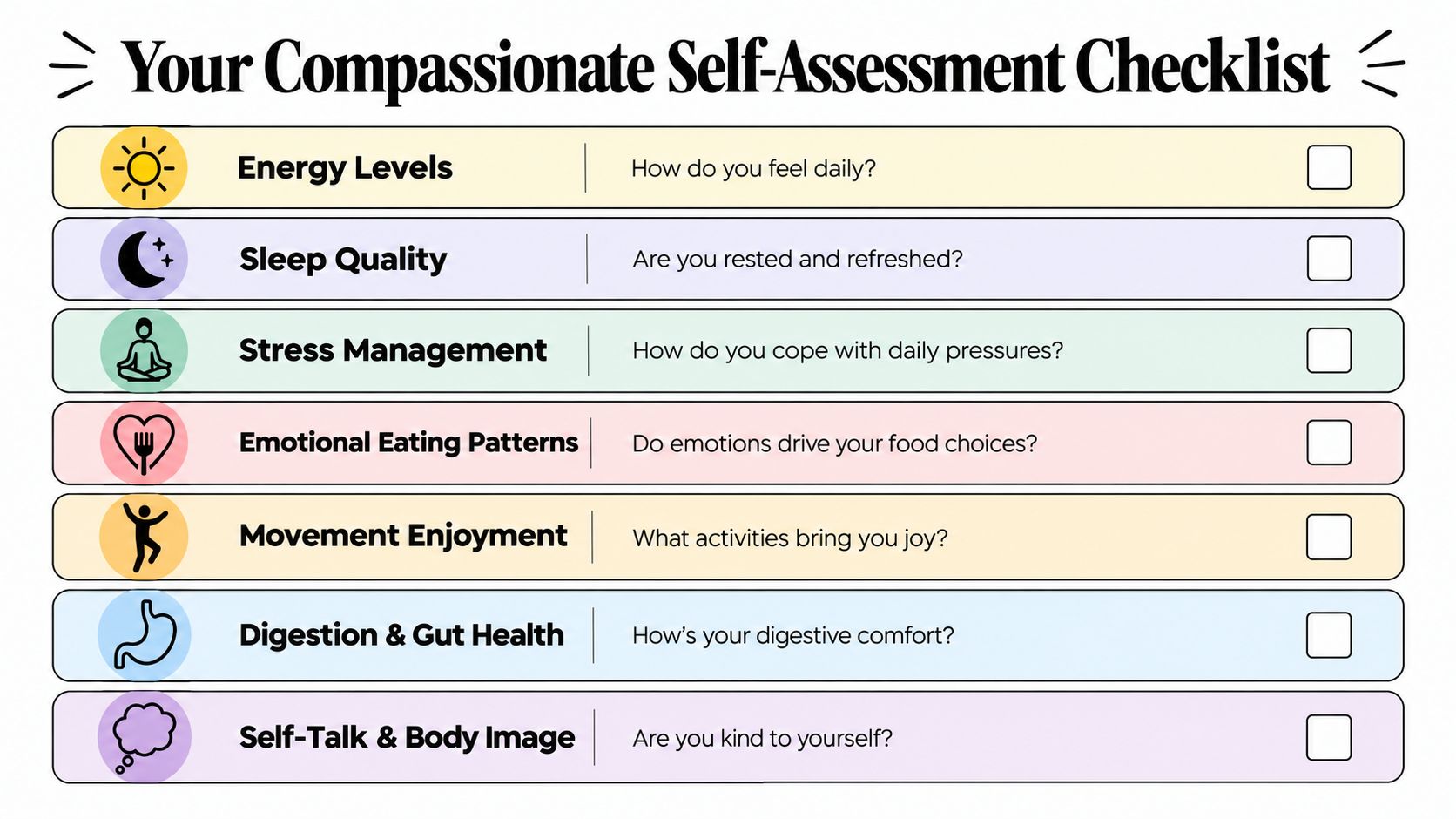
Your compassionate check-in
Use this as a weekly reflection, not a test you can fail.
- Energy levels: Notice when you feel strong, foggy, or depleted.
- Sleep quality: Track whether you wake rested or already tired.
- Stress handling: Pay attention to how quickly daily pressure pushes you toward grazing, skipping meals, or overeating at night.
- Emotional eating patterns: Look for triggers without judgment.
- Movement enjoyment: List the activities you want to repeat.
- Digestion and gut comfort: Bloating, constipation, or discomfort can change food choices and adherence.
- Self-talk: The way you speak to yourself affects consistency more than most meal plans do.
What to measure besides the scale
A better progress picture usually includes both objective and subjective markers. I like a short list that women can maintain.
Consider tracking:
- How clothes fit: Waistbands, bras, and jeans often tell the truth before the scale does.
- Workout capacity: Are you walking farther, lifting more steadily, or recovering faster?
- Appetite rhythm: Are cravings getting less chaotic?
- Mood and patience: Better regulation often signals a plan you can sustain.
- Daily stamina: Household tasks, commuting, and childcare should feel more manageable over time.
If you're postpartum, be especially careful with the standard weight-loss conversation. Recovery, feeding demands, sleep disruption, and body image pressure all collide in that phase. Thoughtful guidance like this resource on support for postpartum recovery challenges can help you frame progress around healing and function, not just body size.
The best starting point is the one that tells the truth about your life, not the one that makes the neatest spreadsheet.
Set goals you can repeat
Kind goals are not low standards. They are highly repeatable standards.
Instead of “lose weight fast,” try process goals such as:
-
Build meals around structure
Add a reliable source of protein, a fiber-rich plant food, and a satisfying fat to each main meal. -
Commit to a movement minimum
Choose a weekly target that still works on a busy week. A simple walk, short strength session, or mobility routine counts. -
Protect the hinge habits
Set a bedtime routine, grocery rhythm, and meal-prep anchor before chasing harder goals. -
Reduce all-or-nothing thinking
One restaurant meal or missed workout doesn't erase the week. The next choice matters more than the last one.
A good goal should feel clear enough to act on and gentle enough to survive real life.
Design Your Hormone-Aware Nutrition Plan
Most women don't need another rigid meal plan. They need a nutrition structure that adapts to appetite, energy, training, and life stage.
That matters even more in midlife. This review on women's weight management across life stages notes that most advice doesn't tailor nutrition to the metabolic shifts of perimenopause and post-menopause. Generic calorie targets often miss what women need during hormonal transition.

Start with meal building blocks
A hormone-aware plate is less about perfection and more about balance.
Protein first
Protein helps with fullness, muscle maintenance, and recovery. For women in fat-loss phases, it also makes meals feel more stable and less snack-driven. If breakfast is mostly toast or fruit, hunger often catches up later.
Useful protein anchors include eggs, Greek yogurt, cottage cheese, tofu, tempeh, edamame, fish, chicken, turkey, lentils, and protein shakes when convenience matters. If mornings are rushed or appetite is low, a simple shake can be more practical than skipping protein entirely. For women who want a convenient option, a clean-label organic protein shake blend can make breakfast or post-workout recovery easier.
Fiber every day
Fiber supports fullness, digestion, and steadier eating patterns. It also helps women move away from the restrict-then-binge cycle because meals hold them longer.
Build it with beans, lentils, berries, apples, oats, chia, flax, vegetables, and whole grains that sit well with your digestion.
Fats that satisfy
Healthy fats improve meal satisfaction and support overall health. They also slow down the frantic “I ate, but I'm still hunting for something” feeling that derails many evenings.
Think avocado, olive oil, nuts, seeds, tahini, and fatty fish.
Match nutrition to your cycle when relevant
If you still have a menstrual cycle, it often helps to stop eating the exact same way every day of the month.
- Follicular phase: Many women feel more energetic, more resilient in training, and a bit less hungry. This can be a good window for simpler meals, plenty of produce, and workouts that ask more of you.
- Luteal phase: Appetite, cravings, and water retention often rise. This is when under-eating early in the day creates problems later. More structured meals, higher satiety foods, and planned snacks can protect consistency.
That doesn't mean you need a brand-new diet every two weeks. It means you should expect some fluctuation and plan for it.
On higher-hunger days, control usually improves when you add structure, not when you try to white-knuckle less food.
Adjust for perimenopause and menopause
In perimenopause and menopause, women often notice that old tactics stop working. Skipping meals may worsen evening overeating. Excess cardio may increase fatigue without giving the body-composition changes they want. Preserving muscle becomes more important, not less.
A strong nutrition pattern in this stage usually emphasizes:
- Consistent protein intake across meals
- Fiber-rich carbohydrates instead of grazing on refined snacks
- Regular meals rather than chaotic restriction
- Simple recovery support so training doesn't feel punishing
For women trying to understand hormone patterns more broadly, educational resources on Pause Medical's women's wellness can help connect symptoms with practical next steps.
A short visual explainer can also help make the nutrition-and-hormone connection easier to picture:
A simple one-day template
Here's what a balanced day can look like without becoming obsessive:
| Meal | Example |
|---|---|
| Breakfast | Greek yogurt or tofu bowl with berries, chia, and oats |
| Lunch | Large salad with chicken or lentils, olive oil, beans, and roasted vegetables |
| Snack | Apple with nuts, or a protein shake |
| Dinner | Salmon or tempeh, potatoes or grains, and a generous serving of vegetables |
| Evening option if needed | Cottage cheese, edamame, or yogurt with seeds |
This kind of structure works because it is ordinary. Weight management for women improves when meals are boring enough to repeat and satisfying enough to trust.
Implement Smart Training and Lifestyle Optimization
A punishing workout plan is not a badge of honor. It's often just an elaborate way to become sore, hungry, and inconsistent.
Relying on exercise alone often fails to produce significant weight loss, and very low-calorie diets have high dropout and weight regain rates. More durable results come from combining nutrition, movement, and behavioral support, with success often defined by a medically meaningful 5% to 10% weight loss, not a fantasy end point.
Train for muscle, not just calorie burn
If your routine is built entirely around “burning off” food, it usually becomes fragile. The smarter target is to improve body composition, maintain muscle, and support energy.
A practical weekly mix often includes:
- Strength training: This should be the backbone. Use basic movement patterns such as squat, hinge, push, pull, carry, and core work.
- Low-impact cardio: Walking, cycling, incline treadmill work, and swimming are easier to recover from and easier to repeat.
- Selective intensity: High-intensity work can help, but too much of it can leave some women inflamed, exhausted, and ravenous.
For women who like more structure, a simple workout planner for tracking fitness goals and progress can make it easier to spot what's working and where recovery is slipping.
Sync intensity with energy patterns
Women often do better when training reflects their current capacity instead of forcing the same output every week.
If you're cycling regularly, you might notice that one part of the month supports harder lifting or intervals, while another calls for more walking, moderate strength work, and slightly longer warmups. In perimenopause, the pattern may feel less predictable. That's fine. The point is responsiveness, not perfection.
A useful filter is this: after training, do you feel worked or wrecked?
Coach's lens: The best program is the one that leaves enough energy for tomorrow's workout, tomorrow's meals, and tomorrow's life.
Sleep is not optional
Women often try to solve a recovery problem with more restriction. That rarely works.
When sleep is poor, hunger regulation gets harder, cravings get louder, and workouts feel more difficult than they should. Late-night grazing also becomes more tempting because the body is chasing relief and energy.
A stronger sleep routine usually includes:
-
A stable wind-down time
Stop treating bedtime like the leftover part of the day. -
Earlier stimulation cutoffs
Pull back on late caffeine, endless scrolling, and work tasks that keep your mind activated. -
A repeatable pre-sleep cue
Reading, stretching, a hot shower, low light, or simple breath work can tell your body it's safe to downshift.
Stress changes eating behavior
You do not need a lecture on cortisol to know stress affects your body. You've felt it. Stress shortens patience, makes planning harder, and turns convenient food into emotional anesthesia.
That's why stress management should be practical, not decorative. Meditation apps are fine, but many women need grounded habits such as:
- Short walks after meals
- Boundaries around work spillover
- More predictable meal timing
- Less decision fatigue through meal repetition
- Honest support from a friend, coach, or therapist
The women who do well long term usually don't have perfect motivation. They have fewer points of friction in their routine.
Navigate Weight Management Through Key Life Stages
A woman's body doesn't ask the same thing of her at every age. Weight management for women has to change with those demands.
Postpartum recovery needs patience
In the postpartum phase, many women feel pressure to “bounce back” before they've rebuilt sleep, healing, pelvic stability, or basic meal rhythm. That pressure can drive aggressive dieting at the exact moment the body needs nourishment and recovery.
The better approach is gentler and more effective. Eat regularly. Keep protein visible and easy. Use simple meals you can assemble one-handed if needed. Walk when it feels restorative, not as punishment. Ask for help with food prep and childcare when possible.
Progress in this phase often looks like steadier energy, less chaotic eating, and feeling more at home in your body again.
Perimenopause calls for a tighter strategy
Perimenopause is where many women say, “Nothing works like it used to.” That observation is often accurate. Appetite, sleep, body-fat distribution, and training recovery can all shift.
This is also the life stage where specific intervention clearly matters. In a study of perimenopausal women, 42.5% in a multi-component program achieved clinically significant weight loss of more than 5% after 6 months, compared with 2.5% in the control group. That tells us a generic “try harder” approach is not enough. Structured, individualized support works better.
In practice, the women who do best here usually focus on:
- Strength training with intent
- Higher-satiety meals built around protein and fiber
- More realistic stress management
- Less dependence on long cardio sessions
- Better planning for the higher-hunger or lower-sleep weeks
Women looking for more focused reading on weight loss strategies for perimenopause may find it helpful to compare options and questions to bring into a clinical conversation.
Post-menopause shifts the goal toward resilience
After menopause, the goal often becomes broader than the scale. Women need a plan that supports muscle, bone health, cardiovascular health, and day-to-day function.
That usually means keeping protein consistent, lifting weights or using resistance in some form, and staying active in ways that are friendly to joints and recovery. Meals often need to become more deliberate because spontaneous under-eating earlier in the day can still trigger evening overeating.
For women who want a broader resource on changing health needs across adulthood, this guide to women's health can be a helpful educational companion.
The through-line across all three stages is simple. The body changes. The strategy should, too.
Build Your Sustainable Plan and Troubleshoot Hurdles
The most effective plan is the one you can keep adjusting without quitting.
Think in four ongoing pillars: structured nutrition, smart training, sleep and stress support, and life-stage awareness. When one pillar gets shaky, don't abandon the whole effort. Repair the weak point first.
A simple weekly tracker
Use a small system you'll fill out.
| Day | Energy (1-5) | Sleep (Hours) | Stress (1-5) | Met Nutrition Goal? | Met Movement Goal? | Notes/Wins |
|---|---|---|---|---|---|---|
| Monday | ||||||
| Tuesday | ||||||
| Wednesday | ||||||
| Thursday | ||||||
| Friday | ||||||
| Saturday | ||||||
| Sunday |
When progress stalls
A plateau doesn't always mean the plan stopped working. It can mean stress is up, adherence has subtly slipped, portions have drifted, sleep is off, or your expectations got ahead of physiology.
Try this troubleshooting sequence:
- Check consistency first: Are meals and workouts happening often enough to judge?
- Tighten meal structure: Random snacking can undo an otherwise solid day.
- Review recovery: More fatigue usually doesn't call for more punishment.
- Look for hidden friction: Travel, caregiving, work stress, and poor planning count.
If your plan falls apart every weekend, the problem isn't motivation. The plan isn't built for your actual week.
Handle social events without starting over on Monday
Women often swing between over-control and over-permission. Neither is useful.
Before a dinner out or holiday, decide what matters most. You might prioritize the entrée and dessert, skip mindless snacking, eat a balanced meal earlier so you don't arrive ravenous, and resume normal structure at the next meal. That keeps one event from becoming a three-day spiral.
Motivation will rise and fall. Systems matter more. Keep meals simple, training realistic, and self-talk clean. That's how weight management for women becomes sustainable instead of exhausting.
If you want tools that make consistency easier, Maximum Health Products offers clean-label wellness support for daily routines, including protein, weight-management support, and practical digital guides. The best supplement plan is still the one that fits into real life, supports your nutrition foundation, and helps you stay steady enough to keep going.

