


Trying to find a safe, gluten-free energy drink can feel like a full-time job. You’re standing in the aisle, trying to decipher tiny ingredient lists, all while just wanting a quick, reliable boost. For anyone with celiac disease, a gluten sensitivity, or simply a commitment to clean eating, this isn't just about preference—it's a necessity.
Finding Your Safe Gluten Free Energy Drinks

The good news is that you’re not alone in this search. The demand for gluten-free options has exploded, with the global market for gluten-free drinks hitting USD 1.5 billion in 2024. It’s projected to more than double to USD 3.2 billion by 2034, growing at a steady 7.8% clip each year. This isn't a niche trend; it’s a massive shift in how we think about what we drink.
It’s about more than just what’s in the can; it’s about what’s been thoughtfully left out.
The Problem With Unverified Drinks
At first glance, most energy drink ingredient lists look harmless enough. But gluten has a sneaky way of showing up where you least expect it. There are two main culprits you need to watch out for:
- Hidden Ingredients: Vague terms like “natural flavors” or “caramel color” can sometimes be derived from wheat or barley. The label won't always tell you the source.
- Cross-Contamination: This is the big one. Even if a drink’s formula is gluten-free, it can become contaminated if it’s made on the same equipment as products containing wheat, barley, or rye.
This invisible threat is precisely why just scanning the ingredients isn’t enough. True peace of mind comes from brands that are transparent about their sourcing and manufacturing, from start to finish.
To make things easier on the go, this quick checklist breaks down exactly what to look for.
Quick Gluten Free Energy Drink Checklist
| Check For | Why It Matters | Red Flag |
|---|---|---|
| Certified Gluten-Free Logo | This is your best guarantee. It means the product and its manufacturing facility have been verified by a third party to meet strict gluten-free standards. | No certification logo present. |
| Clear Allergen Statement | Many brands will explicitly state "Free From Wheat, Barley, Rye" or list common allergens. | A missing or vague allergen statement. |
| Simple Ingredient List | The fewer unpronounceable ingredients, the better. Clean formulas are less likely to hide gluten-containing additives. | Long lists with terms like "malt flavoring" or "yeast extract." |
| Company Transparency | Does the brand’s website talk about its manufacturing practices or ingredient sourcing? Reputable companies are usually proud to share this. | The brand provides zero information about its safety protocols. |
This checklist is a great starting point for navigating the crowded energy drink aisle with confidence.
Seeking Clean and Reliable Alternatives
Vigilance is key, but you don't have to give up on convenient energy. Beyond the typical canned drinks, the market is full of fantastic alternatives. You can even find things like a high-quality gluten-free milkshake powder for a different kind of delicious, safe boost.
This is where clean-label brands like Maximum Health Products really shine. We cut through the noise by focusing on formulas that are free from gluten, unnecessary fillers, and artificial junk. Our energy & focus powders and other functional drinks are designed to give you a reliable boost without the guesswork. You get to focus on your performance and well-being, not on worrying about hidden ingredients.
How Gluten Hides in Your Energy Drink
It’s easy to assume your favorite energy drink is safe, but gluten can often be an unexpected ingredient. It hides behind technical names on the label that don’t immediately signal the presence of wheat, barley, or rye. A quick scan of the ingredients list might not be enough to identify these hidden sources, making the search for genuinely gluten-free energy drinks more complex than it appears.
This is a growing concern for many. The global market for gluten-free products is projected to hit $36 billion by 2026, driven by a rise in health awareness and gluten-related health conditions. You can read more about this significant market trend in the full report on the global growth of gluten-free products.
This massive demand underscores just how many people need to be cautious about the ingredients in their food and drinks.
Where Gluten Is Secretly Found
Gluten often lurks in common additives used to improve the flavor, color, or texture of a beverage. Because these ingredients aren't obviously derived from grains, they can be easily missed by consumers trying to make a safe choice.
Here are the most common culprits where gluten can hide in plain sight:
- Natural Flavors: This is a broad term that can be a major red flag. "Natural flavors" can come from hundreds of sources, and some of those, like barley, contain gluten. Unless the manufacturer specifies the source, it's impossible to know for sure.
- Caramel Color: While most modern caramel color is gluten-free, some formulations, especially in older or imported products, can be derived from barley malt. This can introduce gluten into what seems like a safe product.
- Maltodextrin: This popular additive is usually made from corn, rice, or potato, but it can also be sourced from wheat. Even though processing typically removes most gluten proteins, any maltodextrin made from wheat could pose a risk for highly sensitive people.
For instance, a drink might list "natural vanilla flavor." The vanilla bean itself is gluten-free, but the carrier agent used to suspend it in a liquid could be a grain-based alcohol, creating a hidden risk. This is precisely why clear, transparent labeling is so vital for consumer safety.
A product can be formulated with zero gluten-containing ingredients but still become unsafe during production. The real danger often lies in the manufacturing environment, where cross-contamination can happen without a trace.
The Invisible Threat of Cross-Contamination
For anyone who must avoid gluten, cross-contamination is one of the most significant risks. It occurs when a gluten-free item comes into contact with gluten particles, turning a theoretically "safe" product into a hazardous one. It’s similar to baking a peanut-free cookie on the same unwashed tray used for peanut butter cookies—the risk is transferred.
This can happen in a few key ways at a production facility:
- Shared Equipment: If a gluten-free energy drink is processed in the same vats or filled on the same lines as a product containing wheat, contamination is a serious risk.
- Airborne Particles: In factories that also handle ingredients like wheat flour or barley, microscopic gluten particles can become airborne and settle onto surfaces, ingredients, and packaging.
- Ingredient Storage: When gluten-free raw materials are stored improperly next to gluten-containing ones, cross-contact can occur before manufacturing even starts.
Because of these factors, just reading an ingredient list isn’t always enough. Without third-party certification to verify that a company follows strict gluten-free manufacturing protocols, you are left to trust their internal—and often unstated—safety measures. This uncertainty is exactly why informed consumers look for certified gluten-free products to ensure their energy boost is both effective and safe.
Decoding Labels and Certifications
When you're navigating the energy drink aisle, a quick glance at the can won't cut it. You really have to become a bit of a gluten detective. While the bold claims on the front are designed to grab your attention, the real story is always in the fine print. Learning to decode labels and understand certifications is the most important skill you can develop to ensure your energy boost is both safe and truly gluten-free.
This isn't just about scanning for obvious ingredients like wheat or barley. It's about recognizing the subtle clues that suggest a product might not be as safe as it appears. This decision tree is a great starting point for questioning what's really in your drink.

As the chart shows, even common ingredients like natural flavors or certain colorings can be sources of hidden gluten, which makes paying close attention to the label absolutely essential.
The Meaning Behind a Gluten-Free Claim
Seeing "gluten-free" on a package can mean a few different things. Here in the United States, the FDA permits manufacturers to use this label if the product contains less than 20 parts per million (ppm) of gluten. It's a useful guideline, but since it's a voluntary claim, it doesn't always guarantee protection from cross-contamination in the manufacturing facility.
Basically, a "gluten-free" claim is a company's self-declaration. It’s a good start, but it’s not the gold standard. You're placing your trust in the company to have done its own due diligence.
The Gold Standard Third-Party Certifications
For true peace of mind, your best bet is to look for a third-party certification seal. When you see one of these logos, it means an independent organization has rigorously tested the product and audited the facility to confirm it meets strict gluten-free standards.
These seals are your proof that the brand has gone the extra mile. Key certifications to watch for include:
- Gluten-Free Certification Organization (GFCO): This is one of the most trusted seals. It requires that products contain 10 ppm or less of gluten—that’s twice as strict as the FDA's standard.
- NSF International: Well-known for its broad public health and safety certifications, NSF's gluten-free seal also verifies that products meet the FDA’s 20 ppm threshold through facility audits and regular product testing.
- Celiac Support Association (CSA): This seal certifies products to 5 ppm or less, offering an even higher level of assurance for anyone who is extremely sensitive to gluten.
Seeing one of these logos means the brand has invested in a verifiable, transparent process to protect you from both hidden gluten and cross-contamination.
A third-party certification is like having an independent inspector verify a home is up to code, rather than just taking the builder's word for it. It provides an unbiased, expert confirmation of safety.
Spotting Vague Allergen Warnings
Beyond certifications, you'll want to pay close attention to allergen advisories. These small-print statements offer critical clues about how and where a product was made.
Be cautious of phrases like:
- "May contain wheat."
- "Processed in a facility that also handles wheat."
- "Made on shared equipment with wheat products."
These warnings are a direct acknowledgment that cross-contamination is a real possibility. Even if the ingredients themselves are inherently gluten-free, the manufacturing process could introduce it. For anyone with celiac disease or high sensitivity, these warnings are a clear sign to find another option. Choosing certified gluten free energy drinks eliminates this guesswork entirely.
Featured Product
Organic Protein Shake - MaximumHealth Products
Uniquely formulated with key nutrients to support daily nutrition and overall well-being.
Shop Now →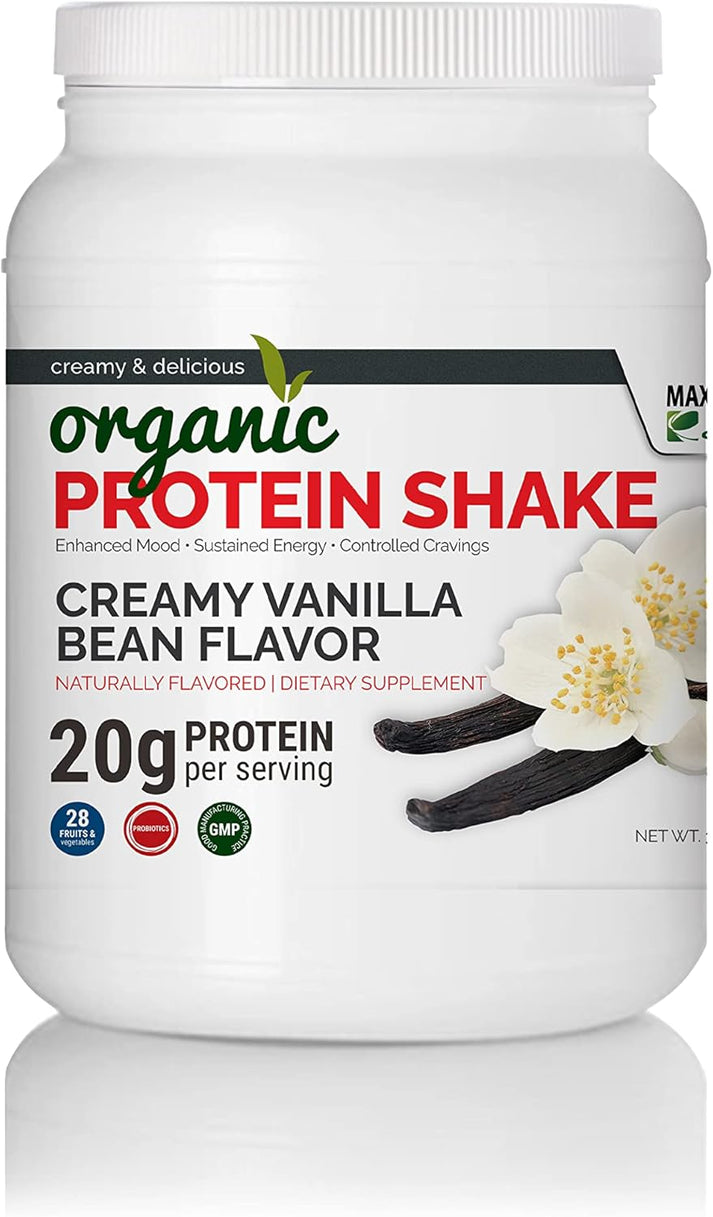
What Else Is Hiding in Your Energy Drink?
Seeing a certified gluten-free label on an energy drink is a great start. But it's just that—a start. It doesn’t automatically mean the drink is healthy.
The reality is, many drinks that are technically gluten-free are still loaded with other questionable ingredients. To really know what you’re drinking, you have to look past that single claim and examine the entire ingredient list. It’s like picking a snack that’s gluten-free but full of trans fats and high-fructose corn syrup; you’re dodging one problem only to run into another.
The Truth About Caffeine and Sweeteners
When you think "energy drink," you probably think of caffeine first. A moderate amount can certainly be helpful, but many popular brands push the limit with excessively high levels, sometimes packing 200-300 mg into a single can. This often leads to jitters, anxiety, and the dreaded post-caffeine crash that leaves you feeling even more tired.
Then there's the sweetness. That intense, sugary taste rarely comes from a natural source. Instead, it’s usually a cocktail of artificial sweeteners that have zero calories but come with their own set of baggage.
- Aspartame: A very common sugar substitute that has long been a topic of debate over its long-term health effects.
- Sucralose: Another popular choice known for its potent sweetness, but some people report digestive issues after consuming it.
- Acesulfame Potassium (Ace-K): You'll often find this used with other sweeteners to hide a bitter aftertaste, but its long-term impact on the body is still not fully understood.
These ingredients sweeten a drink without adding calories, but they do absolutely nothing to nourish your body. In fact, they can train your palate to crave overly sweet things, making it harder to appreciate natural flavors.
A truly healthy energy source should fuel your body with beneficial ingredients, not just cheap stimulants and artificial fillers. A clean label should deliver clean energy, period.
Beware of Synthetic Additives
Look beyond the caffeine and sweeteners, and you'll often find a long list of synthetic vitamins, preservatives, and artificial colors. While "fortified with vitamins" might sound good, these are often lab-created versions that aren't as bioavailable as their counterparts from whole foods. Your body simply may not absorb or use them as effectively.
And then you have the artificial colors, like Red 40 or Yellow 5. These are added purely to make the drink look more vibrant and offer zero nutritional value. Their only job is to trick your eyes, but they come with potential health concerns, especially for people with sensitivities.
This is where the line between a conventional energy drink and a clean-label alternative becomes so clear. For anyone seeking sustained energy without the side effects, exploring natural energy-boosting supplements is a much smarter path forward. It’s about switching from a temporary, artificial lift to genuine fuel for your well-being.
A Better Approach to Energy
Instead of relying on a formula built from artificial ingredients, a superior gluten-free energy drink should be built on a foundation of clean, functional components. This is the entire philosophy behind Maximum Health Products. We decided to skip the junk and focus only on what actually works.
For instance, our formulas provide energy from natural sources to help you avoid that harsh spike-and-crash cycle. We also bring in powerful nootropics—these are compounds that actively support your cognitive function. One of the key ingredients we use is Alpha GPC, a natural compound known to support memory, focus, and mental clarity. It’s about energizing your brain, not just jolting your nervous system.
By being intentional about what we leave out—no artificial sweeteners, colors, or preservatives—we create a product you can feel good about drinking. It’s energy that works with your body, not against it.
Conventional vs. Clean Energy Drink Ingredients
This table really highlights the difference between the mainstream approach and a cleaner, more thoughtful one. You can see how ingredient choices completely change the final product.
| Ingredient Category | Common in Mainstream Drinks | Maximum Health Products Approach |
|---|---|---|
| Sweeteners | Aspartame, Sucralose, Ace-K | Natural, low-glycemic sweeteners like stevia or monk fruit. |
| Energy Sources | Excessive synthetic caffeine anhydrous | Balanced caffeine from natural sources like green tea or coffee. |
| Cognitive Support | Often absent or minimal | Brain-boosting nootropics like Alpha GPC and Citicoline. |
| Colors & Flavors | Artificial dyes and "natural flavors" | Real fruit extracts and plant-based ingredients for color and taste. |
| Preservatives | Sodium Benzoate, Potassium Sorbate | Clean-label formulas free from synthetic preservatives. |
As you can see, the choice becomes pretty clear. A gluten-free label is just the first checkpoint; a truly healthy energy source considers every single ingredient to support your overall wellness.
Clean Energy Alternatives That Really Work
When you start digging into the world of gluten-free energy drinks, you quickly run into a much bigger question: are there better ways to get that boost? The truth is, yes. Instead of grabbing a can that might be loaded with extras you don't want, you can find clean, targeted solutions designed for specific needs—without the crash or sketchy ingredients.
The key is to shift your mindset from generic stimulants to functional nutrition. It's about picking products that align with your actual goals, whether you're trying to power through a complex workday, dominate a gym session, or just want a gentle, steady lift to start your morning.
Energy Tailored to Your Day
Your energy needs change throughout the day. The jolt you want before a workout is completely different from the calm focus required for a spreadsheet. A huge caffeine spike is the last thing you need for a productive afternoon. This is where a solutions-based approach makes a world of difference.
Maximum Health Products offers a line of clean-label alternatives designed for precisely this reason. Each one is gluten-free, plant-based, and formulated without any artificial junk, giving you pure, effective fuel.
Let's look at how to match the right product to your specific energy needs.
- For Intense Focus and Mental Clarity: When a big project or study session demands your complete attention, you need more than just a caffeine kick. Our Energy & Focus powders are specifically formulated for this. They blend a balanced dose of natural caffeine with potent nootropics like Alpha GPC, supporting cognitive function and helping you stay sharp without the jitters.
- For Pre-Workout Power and Recovery: To get the most from your training, your energy source should fuel performance and help you recover. Our Organic Protein powders are a perfect match. They deliver clean, plant-based protein to repair and build muscle, providing the sustained energy you need to push through your workout and bounce back faster.
- For a Gentle Morning Lift: Not every day calls for a high-intensity boost. For a calm, easy start, our Functional Cocoa is an excellent choice. It gives you a gentle lift while providing the antioxidant benefits of rich cocoa, helping wake up your body and mind without an overwhelming stimulant rush.
This targeted approach ensures you give your body exactly what it needs to perform at its best, no matter the task. For anyone looking to naturally Teelixir Organic Cordyceps Mushroom for Energy And Focus, exploring time-tested ingredients like these can also offer a powerful, clean alternative to synthetic energy drinks.
The Maximum Health Products Difference
What really separates these alternatives is a firm commitment to clean-label standards. The goal is to deliver effective energy without any compromises. Every product reflects the philosophy that what’s left out is just as important as what’s put in.
Choosing a clean energy alternative means you are no longer just a consumer of a product; you are an active participant in your own wellness, making intentional choices that support your body and mind.
This means our formulas will never contain gluten, soy, fillers, or animal products. We also have a strict policy against artificial colors, flavors, and preservatives, so every scoop is packed with only purposeful ingredients. It's a transparent approach that gives you confidence in what you’re putting into your body. To learn more about fueling yourself correctly, take a look at our guide on how to boost your energy naturally.
By moving beyond traditional gluten-free energy drinks and embracing clean, functional alternatives, you can unlock a higher level of performance and well-being.
DIY Your Boost with 3 Clean Energy Recipes

When you control the ingredients, you control your energy. Making your own powerful, clean, and delicious gluten-free energy drinks at home is a simple way to get a pure boost without the hidden additives often found in store-bought options.
We’ve designed these three recipes to target specific needs throughout your day. Each one is simple to prepare, filled with natural benefits, and completely free of unwanted junk.
1. Morning Kickstarter Matcha Citrus Blast
Begin your day with a source of calm, sustained energy. Matcha delivers a gentle lift from its caffeine content, which is balanced by L-theanine—an amino acid known for promoting focus without the jitters coffee can cause. When paired with vitamin C from citrus, this drink is an ideal way to awaken your mind and body.
How to Make It:
- In a blender, combine 1 cup of coconut water, 1 teaspoon of high-quality matcha powder, and the juice of half a lemon.
- For extra nutrients and a creamy texture, add a small handful of spinach and a frozen banana.
- Blend everything until it's perfectly smooth. To elevate the protein content, add one scoop of Maximum Health's Unflavored Organic Protein before blending.
This drink sets a productive and balanced tone for the hours ahead. For more morning fuel ideas, our guide to a healthy breakfast for energy is a great resource.
2. Pre-Workout Power-Up Berry Blitz
If you need a surge of power before a workout, this berry-forward drink is the perfect solution. Berries are packed with antioxidants that help combat exercise-induced oxidative stress, while the natural electrolytes in coconut water support proper hydration.
How to Make It:
- Combine: In a blender, mix 1 cup of mixed frozen berries (like strawberries, blueberries, and raspberries), 1 cup of unsweetened coconut water, and a pinch of sea salt for extra electrolytes.
- Boost: To support muscle function and recovery, add one scoop of Maximum Health's Vanilla Organic Protein.
- Blend: Mix until smooth and enjoy about 30–45 minutes before your workout begins.
This recipe delivers quick-acting carbohydrates from fruit for immediate energy and provides protein to prepare your muscles for the work ahead. It’s functional fuel at its finest.
3. Afternoon Focus Fueler Green Tea & Mint
Defeat the common afternoon slump with a crisp, refreshing drink designed to sharpen your mental focus. Chilled green tea provides a mild dose of caffeine, while mint has been shown to improve concentration and reduce fatigue. It’s a clean mental lift that won't interfere with your sleep later on.
How to Make It:
- Brew a strong cup of green tea and allow it to cool completely in the refrigerator.
- In a glass, gently muddle a handful of fresh mint leaves with a squeeze of lime juice to release their oils.
- Add ice, pour in 1 cup of the chilled green tea, and top it off with sparkling water for a bit of fizz.
- If you prefer a touch of sweetness, add a few drops of liquid stevia.
This light, invigorating drink is your best defense against that 3 p.m. brain fog, proving that an effective energy boost can be both simple and entirely natural.
Common Questions About Gluten-Free Energy
Even with a good grasp of the basics, a few common questions always seem to pop up when navigating the world of gluten-free energy drinks. Let's tackle them head-on so you can clear up any lingering confusion and choose your next energy source with total confidence.
Think of this as a final check-in, designed to answer those nagging "what ifs" and ensure you have all the facts you need to fuel your body safely and effectively.
Are All Energy Drinks Gluten-Free?
That’s a common misconception, but the answer is a firm no. While many popular brands are made without gluten ingredients, assuming they’re all safe is a mistake. Gluten can hide in unexpected places, like certain "natural flavors," maltodextrin from wheat, or even some types of caramel color.
More importantly, the risk of cross-contamination in a facility that also processes gluten-containing products is a major concern. For anyone with celiac disease or a high sensitivity, only a certified gluten-free seal can give you true peace of mind.
Is Caffeine Itself a Source of Gluten?
Nope, not at all. Pure caffeine is naturally gluten-free. The caffeine molecule itself, whether it comes from coffee beans, tea leaves, or guarana, contains absolutely no gluten proteins.
The potential risk never comes from the caffeine, but from what else is mixed into the drink. That's why it’s so critical to read the entire ingredient list and look for those third-party certifications.
The real issue isn't one single ingredient like caffeine; it's the entire formula and the manufacturing process behind it. A product is only as safe as its weakest link.
What’s the Difference Between “Gluten-Free” and “Certified Gluten-Free”?
This is a really important distinction to understand. When you see a "gluten-free" claim on a package, it's usually the manufacturer’s own declaration. They're stating that the product meets the FDA's guideline of having less than 20 parts per million (ppm) of gluten. It's a decent starting point, but it's not verified by an outside organization.
A "certified gluten-free" seal, on the other hand, is your gold standard. It means an independent third-party, like the GFCO or NSF, has put the product through rigorous testing. They've also audited the manufacturing facility to ensure it meets strict standards—often even stricter than the FDA's, like 10 ppm or less. This certification is the best guarantee you can get against both hidden gluten and cross-contamination.
Do Gluten-Free Energy Drinks Taste Different?
They absolutely shouldn't! Gluten is a protein that affects texture in baked goods, but it has no real impact on the flavor of a beverage. What you taste in an energy drink comes from its sweeteners, flavorings, and core energy sources.
In fact, a high-quality gluten-free drink often tastes better. That's because they frequently use clean, natural ingredients instead of the artificial sweeteners and chemical-tasting flavors that can plague conventional options. A clean formula often leads to a much cleaner, more refreshing taste.
Ready to stop guessing and start enjoying clean, certified energy? Maximum Health Products offers a full line of gluten-free powders and functional drinks, all designed to support your energy, focus, and wellness without any compromises.
Discover your perfect clean energy solution at Maximum Health Products today.

