


Finding delicious and nutritious gluten free foods for kids can feel like a monumental task for busy parents. Whether your child has Celiac disease, a gluten sensitivity, or your family is simply adopting a cleaner eating style, the goal is the same: providing meals that are safe, satisfying, and support their growth, energy, and focus. The challenge often lies in moving beyond simply replacing wheat with processed alternatives and instead building a diet around naturally wholesome ingredients.
This guide is designed to make that process easier and more exciting. We will explore 10 foundational, nutrient-dense foods that serve as powerful building blocks for countless kid-approved meals and snacks. You'll get more than just a list; you'll find actionable tips, simple recipe ideas, and practical strategies for common hurdles like packing school lunches, reading labels effectively, and building balanced plates that don't leave your child feeling deprived.
A sudden dietary shift can also impact a child’s digestive system. When navigating the gluten-free world for your children, ensuring their gut health is paramount; supporting it with beneficial bacteria, such as probiotics for kids, can be a key part of this journey.
Our focus is on a clean-label philosophy that prioritizes whole foods to deliver sustained energy and essential nutrition. Learn how to transform your kitchen into a gluten-free haven that fuels your child’s well-being from the inside out, making mealtime a positive and stress-free experience for the whole family. From quinoa and sweet potatoes to homemade energy balls and green smoothie bowls, we'll show you how to create a vibrant and varied diet that kids will genuinely enjoy.
1. Organic Quinoa as Base Grain
Finding a nutrient-dense, naturally gluten-free grain that kids will actually eat can be a challenge. Organic quinoa is a standout solution, serving as an excellent foundation for countless kid-friendly meals. Unlike many gluten-free grains, quinoa is a complete protein, meaning it provides all nine essential amino acids necessary for healthy growth and development.
Its mild, slightly nutty flavor makes it a versatile substitute for rice or pasta. This pseudo-grain offers superior nutritional value, packed with fiber, iron, and magnesium. These nutrients support sustained energy levels and better focus, which are crucial for school-aged children. Because it’s a complex carbohydrate, it helps prevent the energy spikes and crashes often associated with processed gluten-free foods for kids.
Putting Quinoa into Practice
Integrating quinoa into your family's diet is straightforward. Its adaptability shines in breakfast, lunch, and dinner.
- Breakfast Bowls: Start the day with a warm bowl of cooked quinoa topped with berries, a drizzle of maple syrup, and a sprinkle of cinnamon.
- Lunchbox Builder: Use chilled, cooked quinoa as a base for a colorful lunchbox salad. Mix in diced cucumbers, cherry tomatoes, and grilled chicken or chickpeas for a balanced meal.
- Dinner Side Dish: Serve it alongside any protein, just as you would rice. Cooking it in a low-sodium bone broth adds an extra layer of flavor and nutrients.
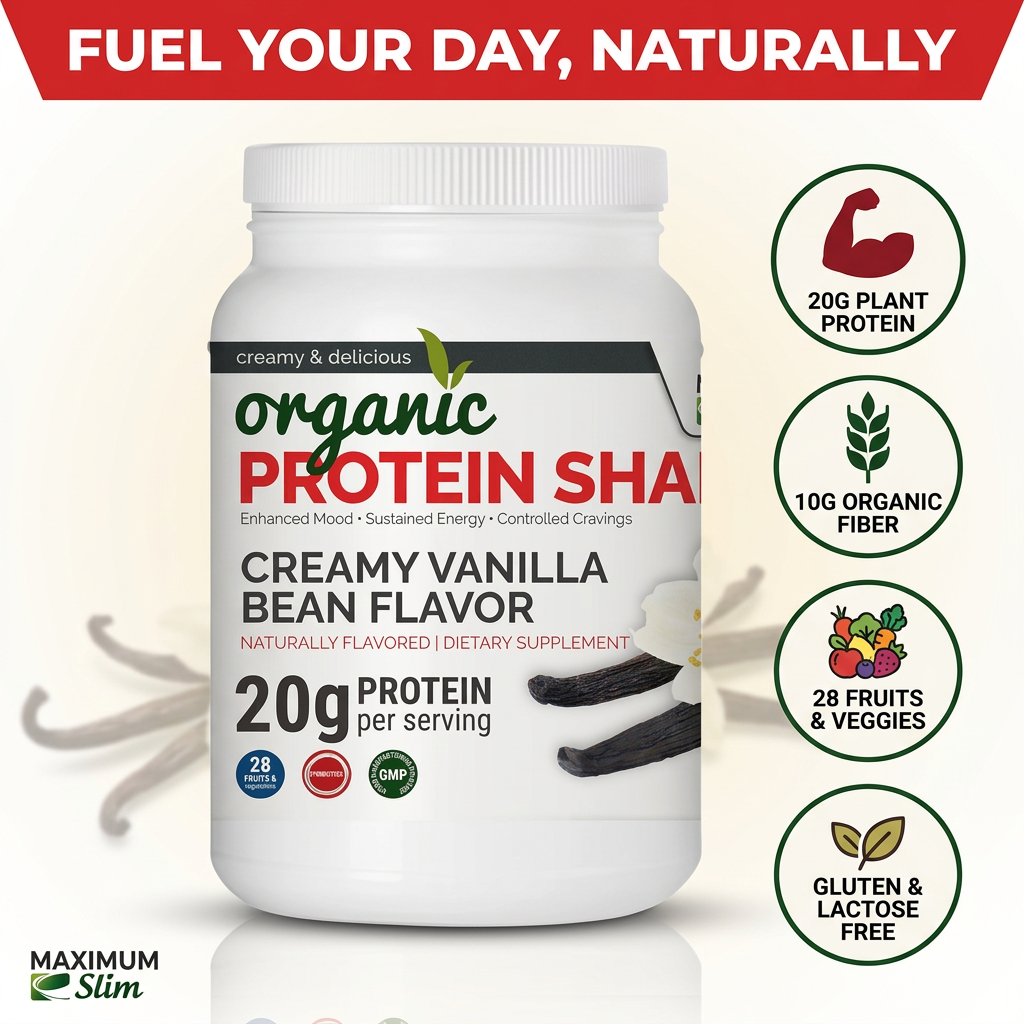
Featured Product
Organic Protein Shake - Maximum Slim | Nutrient Rich Drink for Muscle Recovery
This formula includes a blend of 28 fruits and vegetables and is made to fit a variety of dietary needs.
Shop Now →Tips for Success
A few simple preparation tricks can make quinoa even more appealing to young palates.
Pro Tip: Always rinse quinoa thoroughly in a fine-mesh sieve before cooking. This removes its natural coating, called saponin, which can have a bitter or soapy taste.
To further boost its appeal, try toasting the dry quinoa in a pan for a few minutes before adding liquid. This simple step deepens its nutty flavor. For busy families, cooking a large batch over the weekend makes for quick and easy meal prep. You can even mix in a scoop of a clean, organic protein powder like Maximum Health Products Organic Protein to create a completely balanced and satisfying meal component.
2. Rice Paper Wraps with Clean Fillings
Transforming mealtime into an interactive and healthy activity is simple with rice paper wraps. These thin, translucent sheets are made from just rice flour and water, making them a naturally gluten-free alternative to bread or flour tortillas. Their real magic lies in turning lunch or dinner into a hands-on experience, allowing children to build their own meals from a spread of clean, wholesome ingredients.

The visual appeal of seeing colorful vegetables and proteins through the delicate wrap often encourages picky eaters to try new things. This method gives parents a fantastic opportunity to introduce a wider variety of nutrient-dense, gluten free foods for kids. Because they are light and require no cooking once assembled, they are perfect for packed lunches or quick, refreshing dinners on warm evenings.
Putting Rice Paper Wraps into Practice
Letting kids assemble their own wraps makes them more invested in what they eat. Set up a "build-your-own" station with a variety of fillings.
- Classic Spring Rolls: Offer strips of grilled chicken or shrimp, julienned carrots, cucumber, and fresh mint or cilantro for a traditional flavor.
- Veggie-Forward Wraps: Use roasted sweet potato cubes, fresh kale or spinach, and sliced avocado for a colorful and satisfying vegetarian option.
- Protein-Packed Lunchbox Wraps: Fill with chopped hard-boiled eggs, thin strips of bell peppers, and leafy greens for a meal that supports sustained energy.
Tips for Success
A few key strategies ensure your rice paper wraps are a hit, not a sticky mess. Success comes from preparation and empowerment.
Pro Tip: Keep a shallow dish of warm water (not hot) nearby for softening the wrappers. A quick dip of about 20-30 seconds is all that's needed to make them pliable and ready for filling.
To prevent wraps from tearing, arrange all your fillings in a neat line across the center before folding. Giving children the power to choose their own vegetables not only increases their willingness to eat them but also builds nutritional awareness. For a creamy and satisfying dipping sauce, blend a scoop of Maximum Health Products Organic Protein with herbs and a little water to create a protein-rich base.
3. Nut Butter Energy Balls (Homemade Recipe)
Finding healthy, grab-and-go gluten free foods for kids that aren't loaded with refined sugars can be a constant struggle for parents. Homemade nut butter energy balls are the perfect solution. These no-bake, bite-sized snacks are built around a base of nutrient-dense nut butter and seeds, offering sustained energy from healthy fats and protein.

Their small size is ideal for little hands, making them a fantastic addition to lunchboxes or a quick after-school snack. Because you control the ingredients, you can ensure they are completely gluten-free and packed with wholesome nutrition. This approach aligns perfectly with a clean-label philosophy, avoiding the preservatives and fillers often found in store-bought snack bars.
Putting Energy Balls into Practice
The beauty of energy balls lies in their simplicity and endless flavor combinations. You can easily adapt them to your child’s preferences and what you have in the pantry.
- Classic Cocoa-Coconut: Combine almond butter with shredded coconut, a touch of maple syrup, and cocoa powder for a treat that tastes like a dessert.
- Cinnamon-Date: Use peanut butter mixed with finely chopped dates, certified gluten-free oats, and a generous dash of cinnamon for a warm, spiced flavor.
- Vanilla-Cashew: Blend cashew butter with a splash of pure vanilla extract, shredded coconut, and chia seeds for a creamy, rich-tasting ball.
Tips for Success
A few simple tricks ensure your energy balls are delicious, nutritious, and a hit with the entire family. Making them is also a great kitchen activity for kids.
Pro Tip: Use a small cookie or ice cream scoop to portion the mixture. This creates uniform balls that store neatly and ensures consistent sizing for snacks.
To boost nutrition, add 3-4 tablespoons of Maximum Health Products Functional Cocoa for its superfood benefits and rich chocolate flavor. A tablespoon of ground flaxseed per batch also adds valuable Omega-3s and fiber. Let your kids help roll the balls and coat them in toppings like shredded coconut or sprinkles; they’re more likely to eat what they help create. Store the finished balls in a parchment-lined container in the freezer and thaw for 10 minutes before serving for the best texture.
4. Sweet Potato as Nutritional Staple
Sweet potatoes are a powerhouse of nutrition and a fantastic staple among gluten free foods for kids. These naturally gluten-free root vegetables are packed with beta-carotene, fiber, and potassium. Their inherent sweetness appeals to children's palates, making them an easy and satisfying replacement for less nutritious starches while supporting stable blood sugar and energy levels.
This versatile vegetable works well in both savory and sweet dishes, offering a simple way to boost nutrient intake. Sweet potatoes are a complex carbohydrate, providing sustained energy without the sharp spikes associated with sugary snacks. Their high fiber content also aids in healthy digestion, a common concern for children on a gluten-free diet. The rich supply of beta-carotene, which the body converts to vitamin A, is crucial for vision and immune health. For parents looking to understand more about key nutrients, it's helpful to explore the best vitamins for kids.
Putting Sweet Potato into Practice
Incorporating this vibrant vegetable into your child’s meals is simple due to its adaptability across different meal types and preparations.
- Savory Sides: Serve baked sweet potato fries with a sprinkle of sea salt and rosemary for a delicious, nutrient-dense side dish.
- Balanced Bowls: Create a colorful and filling meal with sweet potato and black bean bowls, adding grilled chicken or chickpeas for extra protein.
- Breakfast Boost: Blend cooked sweet potato into smoothie bowls with fruit and top with gluten-free granola for a surprisingly delicious and energy-packed start to the day.
- Hidden Nutrition: Mashed sweet potato can be secretly blended into batters for pancakes, muffins, or even brownies to add moisture and nutrients.
Tips for Success
A few smart preparation methods can make sweet potatoes a guaranteed hit with even the pickiest eaters.
Pro Tip: For crispy sweet potato cubes or fries that kids love, roast them at 400°F for 25-30 minutes. The high heat caramelizes their natural sugars and creates an appealing texture.
To enhance their natural sweetness without adding sugar, simply sprinkle them with cinnamon. For busy parents, preparing a large batch by roasting or mashing and then freezing it is a great time-saver. You can also boost the protein content of sweet potato smoothies or pancakes by mixing in a scoop of Maximum Health Products Organic Protein, creating a well-rounded and satisfying meal component.
5. Certified Gluten-Free Oats (Steel-Cut or Rolled)
Oats are a breakfast staple for a reason, but for a gluten-free diet, the source is critical. While oats themselves do not contain gluten, they are often grown and processed alongside wheat, leading to cross-contamination. Certified gluten-free oats, available as steel-cut or rolled varieties, are your guarantee of a safe, economical, and nutrient-dense foundation for many gluten free foods for kids.
This simple grain is a powerhouse of nutrition, offering exceptional fiber, particularly beta-glucans, which support heart health and a healthy immune system. Oats provide sustained energy without the sugar crash, making them an ideal breakfast before a busy school day. Their comforting texture and mild flavor make them a kid-friendly choice that can be adapted to any taste preference.
Putting Oats into Practice
Bringing certified gluten-free oats into your child’s diet is both easy and versatile, extending well beyond the breakfast bowl.
- Overnight Oats: Combine rolled oats with berries, nut-free butter, and plant-based milk in a jar. Let it sit overnight for a ready-to-go breakfast.
- Hearty Oatmeal Bowls: Prepare warm steel-cut oats and top with sliced banana, a dash of cinnamon, and a spoonful of honey for a classic, comforting meal.
- Homemade Energy Bars: Blend oats with dates, sunflower seed butter, and a pinch of salt. Press the mixture into a pan and chill to create no-bake energy bars perfect for lunchboxes.
- Baking with Oat Flour: Simply blend rolled oats in a high-speed blender to create your own oat flour, a fantastic substitute in gluten-free baking for cookies, muffins, and pancakes.
Tips for Success
A few smart strategies can make oats even more appealing and digestible for children, cementing their place as a go-to food.
Pro Tip: Always look for a clear "Certified Gluten-Free" seal on the packaging from trusted brands like Bob's Red Mill. This is the only way to ensure the product is safe from cross-contamination.
To improve digestibility, soak oats overnight in water or milk with a splash of lemon juice. This helps reduce phytic acid, making the nutrients more available. For a fun family activity, create a "build-your-own" oatmeal bar with various toppings like seeds, fruit, and coconut flakes. You can also boost the protein content significantly by blending cooked oats into a smoothie or mixing a scoop of a clean protein like Maximum Health Products Organic Protein directly into their morning bowl.
6. Bone Broth as Nutrient-Dense Base
Bone broth is a comforting, naturally gluten-free liquid that provides a powerful nutritional boost to your child's diet. Made by slowly simmering animal bones, this traditional food is rich in easily digestible minerals, collagen, and amino acids like glycine, which support gut health, joint development, and a strong immune system. It serves as an exceptional nutrient-dense foundation for countless dishes, making it one of the most versatile gluten free foods for kids.
This mineral-rich liquid is a simple way to elevate the nutritional profile of everyday meals. Unlike plain water, bone broth infuses foods with electrolytes and gelatin, promoting hydration and digestive wellness. For children who may be sensitive or picky, bone broth offers a gentle, warming source of critical nutrients that supports sustained energy without relying on processed ingredients or hidden sugars.
Putting Bone Broth into Practice
Integrating this liquid gold into your child’s routine is simple and adds a savory depth of flavor to many meals.
- Immunity-Supporting Soups: Use a high-quality chicken bone broth as the base for a simple soup filled with diced carrots, celery, and shredded chicken for a comforting, immune-boosting meal.
- Nutrient-Dense Grains: Cook gluten-free grains like rice or quinoa in bone broth instead of water. The grains will absorb the minerals and collagen, effortlessly enhancing their nutritional value.
- Warm & Comforting Beverage: Serve a small mug of lightly salted, warm bone broth as a soothing pre-bedtime drink or a comforting afternoon pick-me-up.
Tips for Success
Making and using bone broth effectively can turn it into a kitchen staple for your family.
Pro Tip: When making your own broth, add a tablespoon or two of apple cider vinegar to the pot. The acidity helps draw more valuable minerals like calcium and magnesium out of the bones and into the liquid.
For maximum nutrient density, always opt for bones from grass-fed or pasture-raised animals. To make meal prep easier, freeze homemade broth in ice cube trays for perfectly portioned additions to any dish. You can also mix a scoop of a clean, unflavored protein powder, such as Maximum Health Products Organic Protein, into a warm mug of broth for a deeply nourishing and satisfying drink.
7. Chia Seed Pudding as Portable Snack
Creating healthy, portable, and gluten-free snacks that kids find exciting can feel like an impossible task. Chia seed pudding offers a perfect solution, combining nutrition with a fun, customizable texture. These tiny, naturally gluten-free seeds are nutritional powerhouses, packed with Omega-3 fatty acids, fiber, and protein. When soaked in liquid, they transform into a delightful pudding that supports digestive health, sustained energy, and brain development.
The magic of chia pudding lies in its simplicity and clean-label appeal. It’s an ideal way to introduce powerful nutrients into your child’s diet without relying on processed ingredients. The high fiber content promotes steady energy release, preventing the sugar-fueled highs and lows common with many kid-friendly snacks. This makes it one of the best gluten free foods for kids, whether for an after-school treat or a breakfast on the go.
Putting Chia Seed Pudding into Practice
Getting started with chia pudding is incredibly easy, and its adaptability makes it a hit with even picky eaters. The puddings can be prepared in advance for grab-and-go convenience.
- Vanilla Berry Pudding: A classic combination of vanilla-infused chia pudding topped with fresh strawberries and a sprinkle of gluten-free granola for crunch.
- Chocolate Power Pudding: Mix in a scoop of Maximum Health Products Functional Cocoa for a rich, chocolatey flavor that feels like a dessert but is loaded with benefits.
- Tropical Mango Pudding: Blend mango puree into your liquid base before adding chia seeds, then top with shredded coconut for a taste of the tropics.
- Almond Butter Boost: Swirl in a spoonful of almond butter before serving to add extra protein and healthy fats, increasing satiety.
Tips for Success
A few simple tricks will ensure your chia pudding has the perfect texture and flavor to win over your kids every time.
Pro Tip: The ideal texture comes from a 1:4 ratio of chia seeds to liquid (e.g., 1/4 cup of seeds to 1 cup of milk). Use almond milk, coconut milk, or cow’s milk, and prepare it directly in a mason jar for easy storage.
Stir the mixture well about 15 minutes after combining to prevent clumping and ensure a smooth consistency. For optimal texture, let it set for at least two hours or, even better, overnight in the refrigerator. To enhance its nutritional profile, mix in a scoop of Maximum Health Products Organic Protein to boost the amino acid content. Sweeten it lightly with pure maple syrup or a drop of vanilla extract instead of refined sugar to keep it healthy. This type of preparation is a great way to provide a healthy breakfast for energy that lasts all morning.
8. Eggs as Complete Protein Foundation
Eggs stand out as a powerhouse of nutrition, offering an affordable and naturally gluten-free protein source perfect for growing children. As a complete protein, they provide all nine essential amino acids required for muscle repair and healthy development. They are also packed with vital nutrients like choline, which supports brain function and memory.
This simple food is one of the most nutrient-dense options available, making it a cornerstone of a healthy diet. The high-quality protein and healthy fats in eggs promote satiety, helping kids feel full and energized for longer. This sustained energy is ideal for managing the demands of school, sports, and playtime without the crashes associated with sugary snacks, making them one of the best gluten free foods for kids.
Putting Eggs into Practice
The versatility of eggs makes them easy to incorporate into any meal of the day, moving far beyond just a breakfast food. Their simple preparation adapts well to busy family schedules.
- Breakfast Boost: Serve vegetable-packed scrambled eggs with a side of gluten-free toast or baked sweet potato slices for a balanced start.
- Lunchbox Staple: Pack a couple of hard-boiled eggs with fruit and gluten-free crackers for a simple, portable, and protein-rich lunch.
- Dinner Main: Create baked egg cups with spinach, cheese, and diced ham, or try baked eggs nestled in a sweet potato hash for a satisfying and quick evening meal.
Tips for Success
A few key strategies can help you maximize the nutritional benefits of eggs and keep them exciting for your kids.
Pro Tip: Opt for pasture-raised or organic eggs when possible. They often contain higher levels of omega-3 fatty acids and other fat-soluble vitamins, offering superior nutrient density.
To make meal prep easier, hard-boil a large batch of eggs at the beginning of the week for grab-and-go snacks. For picky eaters, finely chopping vegetables and scrambling them into eggs can be a great way to increase nutrient intake and vegetable acceptance. Offering variety in preparation, such as scrambled, boiled, fried, or baked, also helps maintain interest and prevents mealtime boredom.
9. Gluten-Free Sprouted Bread Alternatives
Finding a suitable bread replacement is often a top priority for families navigating a gluten-free lifestyle, but many store-bought options are high in starch and low in nutrients. Gluten-free sprouted bread, like the popular Ezekiel brand, offers a nutritionally superior alternative. These breads are made from germinated grains, legumes, and seeds, such as sprouted lentils, which unlocks their full nutritional potential.
The sprouting process increases the bioavailability of vitamins and minerals while reducing anti-nutrients like phytic acid. This makes the bread naturally easier for little tummies to digest. Unlike typical gluten-free breads made from rice or potato flour, sprouted versions provide complete proteins and a healthy dose of fiber, which helps maintain stable blood sugar levels and supports sustained energy for active kids.
Putting Sprouted Bread into Practice
Introducing these denser, heartier breads is simple, as they can be used just like conventional bread in many classic kid-friendly meals.
- Nutrient-Packed Toast: Top a toasted slice of sprouted lentil bread with almond butter and sliced berries for a balanced breakfast.
- Better Sandwiches: Build a classic turkey and vegetable sandwich using sprouted seed bread for a lunchbox meal that provides lasting fullness.
- Creative Crumbles: Pulse toasted sprouted bread in a food processor to create a wholesome, gluten-free breading for chicken nuggets or fish sticks.
Tips for Success
The unique texture and storage needs of sprouted bread are easy to manage with a few key strategies.
Pro Tip: Freeze your loaf of sprouted bread immediately after purchasing. This preserves its freshness and prevents spoilage, as it typically contains no preservatives. You can then toast individual slices directly from the freezer as needed.
Toasting is highly recommended, as it improves both the flavor and the slightly dense texture, making it more appealing to children. To create a well-rounded meal, pair the bread with nutrient-dense toppings like avocado or eggs. For an added boost, a breakfast of sprouted toast can be served alongside a Maximum Health Products Organic Protein shake to ensure a complete nutritional start to the day.
10. Green Smoothie Bowls with Maximum Health SuperGreens
Getting kids to eat their greens can feel like a daily battle, but green smoothie bowls offer a fun and delicious workaround. This powerful breakfast combines leafy greens, fruit, and plant-based protein into a visually appealing meal that feels more like a treat. By blending nutrient-dense ingredients like spinach or kale with sweet fruits, you can create one of the most effective gluten free foods for kids, masking the "green" taste while delivering exceptional nutrition.

These bowls are an ideal vehicle for incorporating a high-quality greens powder. Adding a scoop of Maximum Health Products SuperGreens boosts the vitamin and mineral content significantly, supporting kids' energy, focus, and overall wellness. The customizable nature of the toppings also engages children in building their own healthy breakfast, giving them a sense of ownership and making them more excited to eat it.
Putting Smoothie Bowls into Practice
A green smoothie bowl is a blank canvas for gluten-free creativity. The base remains simple while the toppings offer endless variety to keep things interesting.
- Spinach-Mango Bowl: Blend frozen mango, a large handful of fresh spinach, a scoop of Maximum Health SuperGreens, and a splash of coconut milk for a tropical, vibrant green base.
- Kale-Blueberry Bowl: Combine frozen blueberries, a few kale leaves (stems removed), a frozen banana, and almond milk. Top with gluten-free granola and a drizzle of almond butter.
- Deep Green Power Bowl: For a serious nutrient punch, blend spinach, kale, frozen banana, a scoop of Maximum Health Products Organic Protein, and water. Top with seeds and fresh fruit.
Tips for Success
The key to a successful smoothie bowl lies in the texture and the toppings. A few simple strategies can make it a family favorite.
Pro Tip: Serve smoothie bowls with a spoon, not a straw. The thicker consistency and textural experience from toppings are more satisfying and make it feel like a complete meal, not just a drink.
To ensure your bowls are packed with everything your child needs, add half a scoop of Maximum Health Products Organic Protein to create a complete amino acid profile for sustained energy. Let your kids choose and arrange their own toppings like berries, coconut flakes, and chia seeds. This simple act promotes independence and makes healthy eating fun. For more details on the benefits of greens powders, you can explore the advantages of using an organic super greens blend.
10 Gluten-Free Foods for Kids Comparison
| Item | Implementation Complexity 🔄 | Resource Requirements ⚡ | Expected Outcomes 📊 | Ideal Use Cases 💡 | Key Advantages ⭐ |
|---|---|---|---|---|---|
| Organic Quinoa as Base Grain | Moderate — rinse and cook (~15 min) | Moderate — higher-cost grain, pot | High nutrient density; complete protein; sustained energy | Breakfast bowls, salads, batch meal prep | Complete amino acid profile; versatile and gluten-free |
| Rice Paper Wraps with Clean Fillings | Moderate — assembly timing and pliability control | Low–Moderate — rice papers, fresh fillings, warm water | Increased veg intake; interactive feeding; portable lunches | Build-your-own lunches, on-the-go meals, snack time | Visual appeal encourages veggies; customizable and gluten-free |
| Nut Butter Energy Balls (Homemade) | Low — no-bake mixing and rolling | Low — nut/seed butter, add-ins, freezer space | Portable, calorie-dense sustained energy snack | After-school snacks, lunchboxes, activity fuel | Quick, affordable homemade snack; highly customizable |
| Sweet Potato as Nutritional Staple | Low–Moderate — roasting/pureeing time | Low — inexpensive tuber, oven or stovetop | High in beta‑carotene, fiber; steady blood sugar | Sides, smoothies/bowls, baking into kid foods | Nutrient-dense, naturally sweet and versatile |
| Certified Gluten-Free Oats (Steel-Cut/Rolled) | Low — cook or soak overnight | Low — oats, liquid; verify certification | Sustained energy, improved gut health, economical | Breakfast, baking, snack bars, overnight oats | High fiber and beta‑glucans; cost‑effective and versatile |
| Bone Broth as Nutrient-Dense Base | High — long simmering (12–24 h), planning | Moderate–High — quality bones, slow cooker, storage | Collagen/minerals for gut and joint support; enhances flavor | Soups, cooking grains, sipping for recovery | Collagen-rich, enhances nutrient absorption and flavor |
| Chia Seed Pudding as Portable Snack | Low — mix and chill (≥2 hrs) | Low–Moderate — chia seeds, milk, jars (seeds costly) | Omega‑3s, fiber, satiety; portable and customizable | School snacks, breakfast jars, travel-friendly | No-cook, high Omega‑3 and fiber, highly adaptable |
| Eggs as Complete Protein Foundation | Low — quick prep (5–10 min) | Low — eggs and basic cookware | Complete protein, choline for brain development, satiety | Breakfast, snacks, meal add‑ons, portable hard‑boiled | Extremely nutrient‑dense, affordable, quick to prepare |
| Gluten-Free Sprouted Bread Alternatives | Low — purchase and toast; palate adjustment | Moderate — higher cost, limited availability, freeze to store | Better mineral bioavailability; sustained energy | Sandwiches, toast, nutrient‑dense quick meals | Superior nutrition and digestibility vs typical GF breads |
| Green Smoothie Bowls with SuperGreens | Moderate — blender and topping prep | Moderate — SuperGreens powder, frozen fruit, blender | Concentrated vegetable servings; improved nutrient intake | Busy mornings, breakfast bowls, post‑activity recovery | High nutrient density, visually appealing, customizable |
Building a Sustainable Gluten-Free Lifestyle for Your Family
Transitioning your child to a gluten-free diet can feel like a monumental task, but it's a journey that opens the door to a vibrant new world of nutrient-dense eating. As we've explored, the foundation of a successful and sustainable gluten-free lifestyle isn't built on deprivation or complicated substitutes. Instead, it thrives on abundance, focusing on what you can add to your child's plate. By centering meals around naturally gluten-free powerhouses like organic quinoa, sweet potatoes, eggs, and bone broth, you provide the core building blocks for energy, focus, and overall wellness.
The key to long-term success lies in shifting your perspective. Rather than searching for a direct, one-to-one replacement for every wheat-based product, embrace the unique textures and flavors of whole-food alternatives. Think of rice paper wraps not just as a sandwich substitute, but as a fun, interactive meal your kids can help assemble. See homemade nut butter energy balls and chia seed pudding as powerful, portable fuel sources that put processed snacks to shame. This approach transforms a dietary restriction into a creative culinary adventure for the whole family.
Key Takeaways for Busy Parents
To make this transition as smooth as possible, let's distill the most critical points into actionable takeaways. Mastering these principles will empower you to create a balanced and joyful gluten-free home environment.
- Focus on Whole Foods First: Build at least 80% of your child's diet around naturally gluten-free foods like vegetables, fruits, lean proteins, and the grains we've discussed. This minimizes reliance on processed gluten-free products, which can sometimes be high in sugar and low in nutrients.
- Empower Your Child: Involve your kids in the kitchen. Let them help mix green smoothie bowls, roll energy balls, or choose fillings for their wraps. This ownership fosters a positive relationship with food and teaches them valuable life skills for managing their own dietary needs in the future.
- Plan for Success: Meal planning is your best friend. A simple weekly plan that includes breakfasts like certified gluten-free oatmeal, packable lunches, and easy dinners prevents last-minute stress. Having go-to gluten free foods for kids ready, like pre-cooked quinoa or hard-boiled eggs, makes busy weeknights much more manageable.
- Read Labels Diligently: Become a gluten detective. Always look for the "Certified Gluten-Free" seal and scan ingredient lists for hidden sources of gluten like malt, brewer's yeast, or vague "natural flavors." This vigilance is crucial for preventing accidental exposure and ensuring your child's well-being.
A Note on Versatility: Don't be afraid to expand your gluten-free baking and cooking repertoire. Many parents find that mastering a few base ingredients opens up countless possibilities. To broaden the range of delicious gluten-free options for your family, consider exploring essential rice flour recipes that are versatile for both sweet and savory dishes.
Ultimately, providing your child with a well-rounded, gluten-free diet is an act of profound care. It's about more than just avoiding a specific protein; it's about nourishing their growing body and mind with the best fuel possible. The confidence you'll feel knowing they are eating clean, nutrient-rich meals that support their energy levels at school and on the playground is invaluable. By embracing these strategies and whole foods, you are not just managing a dietary need-you are building a foundation for a lifetime of health and vitality. You are showing them that eating well can be delicious, fun, and empowering.
Ready to simplify your gluten-free journey and ensure your child gets complete nutrition? Explore the clean-label supplements from Maximum Health Products. Our Organic SuperGreens and plant-based proteins are certified gluten-free, making it easy to boost smoothies, oatmeal, and snacks with the vitamins and minerals growing kids need. Visit Maximum Health Products to find the perfect nutritional support for your family.

