


If you’ve ever hit a weight loss plateau despite doing everything “right,” the culprit might not be your diet or your workout. The real issue could be hiding deep inside your digestive system.
There’s an entire world—a bustling community of trillions of bacteria, fungi, and other microbes—living in your gut. This is your gut microbiome, and it has a surprisingly powerful say in how you manage your weight.
The Critical Link Between Your Gut and Weight

Think of your gut as the control room for your metabolism. The microbes living there aren't just passive residents; they're actively involved in running the show.
- Calorie Extraction: The specific mix of bacteria you have can determine how many calories your body absorbs from the exact same meal.
- Appetite Control: Your gut produces hormones that signal to your brain when you’re hungry or full. If this system is out of whack, you can be left battling constant cravings.
- Fat Storage: Certain gut microbes can influence whether your body burns calories for fuel or stores them as fat.
- Inflammation: An unhealthy gut often leads to chronic, low-grade inflammation, a major driver of insulin resistance and weight gain.
Unpacking the Gut-Weight Connection
A diverse and thriving gut microbiome is a common trait among people who maintain a healthy weight. When you have plenty of beneficial bacteria, your body is simply better at burning fat. These "good" microbes break down complex fibers that your body can't digest, turning them into powerful compounds called short-chain fatty acids (SCFAs).
SCFAs are true metabolic heroes. They fuel the cells lining your gut, reduce inflammation, improve how your body responds to insulin, and help regulate your appetite—all essential for lasting weight loss.
On the flip side, when less helpful bacteria take over, it can sabotage your efforts. This imbalance, known as dysbiosis, is often fueled by a diet high in processed foods, sugar, and unhealthy fats. These "bad" microbes can compromise your gut barrier, leading to a "leaky gut" that allows inflammatory molecules into your bloodstream and promotes weight gain.
Before diving into the specific steps, it's helpful to see the big picture. These three pillars form the foundation of any successful gut-focused weight loss plan.
Featured Product
Maximize Green Coffee Bean Extract Capsules | Plant-Based Metabolism Support | Vegan Dietary Supplement
Premium green coffee bean extract made from unroasted beans, rich in antioxidants to support metabolism and daily energy. Clean, plant-based, vegan, and easy-to-take capsules for everyday wellness.
Shop Now →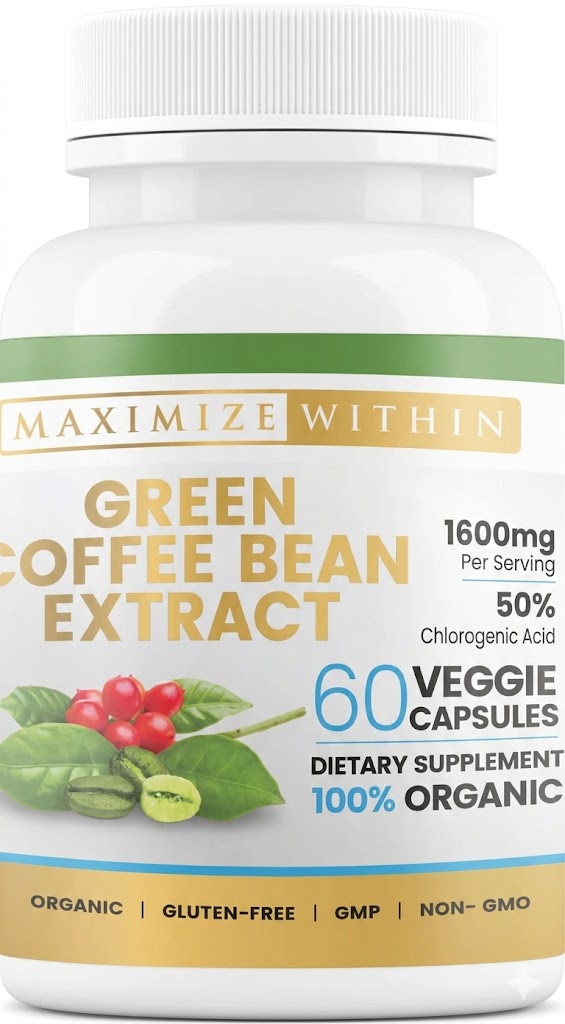
Core Pillars of a Gut-Healthy Weight Loss Plan
| Pillar | Why It Matters for Weight Loss | Key Actions to Take |
|---|---|---|
| Nourish Good Bacteria | A diverse microbiome helps regulate appetite, reduce inflammation, and improve how your body uses energy. | Eat fiber-rich foods like vegetables, fruits, and whole grains. Add fermented foods like yogurt and kimchi. |
| Reduce Gut Stressors | Limiting inflammatory foods helps heal the gut lining, lower system-wide inflammation, and improve metabolic function. | Cut back on added sugar, refined carbohydrates, and ultra-processed foods. |
| Support with Lifestyle | Sleep, stress, and movement directly impact gut health, influencing hormone balance and inflammation levels. | Prioritize 7-9 hours of sleep, manage stress through activities like meditation, and get regular physical activity. |
Each of these pillars works together to create an internal environment that doesn't just tolerate weight loss but actively supports it.
Science Confirms the Link
This connection isn't just a theory; it’s a two-way street confirmed by solid research. A major 2022 meta-analysis revealed that as people lose weight, the health of their gut microbiome improves significantly.
The study found that the more weight people lost—from an average of 5.4 kg on diet changes to 29.8 kg after bariatric surgery—the more their gut microbes began to resemble those of naturally lean individuals. Specifically, they saw a rise in beneficial bacteria like Akkermansia and a stronger gut barrier. You can explore the full findings of this gut health study to see the data for yourself.
Understanding this changes the game. Instead of just counting calories, the goal becomes cultivating a healthy internal ecosystem. When you nourish your gut, you're building a foundation that helps your body achieve its weight loss goals from the inside out.
Building Your Gut-Friendly Diet for Weight Loss

When you're trying to connect gut health with weight loss, your plate is the most logical place to start. This isn't about another restrictive diet. Instead, the focus shifts to nourishing your gut microbes with strategic additions and smart food swaps.
Eating for your microbiome is more than just getting nutrients—you're providing the essential fuel for a healthier, more efficient metabolism.
The Power of Fiber for Satiety and Gut Fuel
One of the most effective changes you can make is to prioritize fiber. This is the preferred food for your beneficial gut bacteria. As these microbes digest fiber, they create short-chain fatty acids (SCFAs), which help regulate your appetite, lower inflammation, and even affect how your body stores fat.
For both gut health and weight management, a great target to aim for is 30-40 grams of fiber per day.
To function at its best, your gut needs a mix of two main fiber types:
- Soluble Fiber: This type creates a gel-like substance in water, slowing digestion to help you feel full longer and keep blood sugar stable. Think of it as the "satiety fiber." You can find it in oats, beans, apples, carrots, and psyllium husk.
- Insoluble Fiber: This fiber doesn't dissolve and adds bulk to your stool, which is key for promoting regular bowel movements. Good sources include nuts, whole-wheat flour, cauliflower, and green beans.
A breakfast of oatmeal (soluble) topped with a handful of walnuts (insoluble) is a perfect example of combining both to start your day strong.
According to landmark CSIRO research, high-fiber diets are incredibly effective for weight loss, yet a staggering 83% of people don't meet their daily fiber goals. Their study showed that a diet emphasizing 30-40g of fiber daily significantly enhances fat loss and gut health. Higher wholegrain consumption was directly correlated with lower BMI and waist circumference by fostering beneficial bacteria that reduce fat absorption and increase feelings of fullness. You can read the full research report on gut health and weight loss to learn more.
Incorporate Probiotic Powerhouses
While fiber acts as food for your existing good bacteria, fermented foods introduce new beneficial microbes (probiotics) directly into your gut. Regularly eating these foods is a proven way to diversify your microbiome, a trait strongly linked to a healthier body weight.
Adding fermented foods to your diet is easier than you might think. Many are delicious and simple to work into meals you already love.
Examples of Gut-Friendly Fermented Foods:
- Plain Yogurt or Kefir: Rich in beneficial Lactobacillus and Bifidobacterium strains. Try plain yogurt as a base for smoothies or use it to replace sour cream on chili. Kefir is a drinkable yogurt that makes an excellent on-the-go snack.
- Kimchi and Sauerkraut: These fermented cabbage dishes are probiotic gold. Add a spoonful of kimchi to scrambled eggs or top a turkey sandwich with sauerkraut for a tangy, gut-healthy kick.
- Kombucha: This popular fermented tea can be a great option, but be mindful of the sugar content. Always check the label and choose low-sugar varieties to avoid extra, unnecessary sweeteners.
Consistency is more important than quantity. A small daily serving of a fermented food will have a much bigger impact than a large portion once a week.
Foods That Sabotage Your Gut and Weight Loss
Limiting certain foods is just as crucial as adding beneficial ones. Some ingredients can feed less desirable gut bacteria, contributing to inflammation, cravings, and weight gain.
Limit These for Better Gut Health:
- Ultra-Processed Foods: Things like sugary cereals, packaged snacks, and most fast food contain a mix of refined grains, unhealthy fats, and artificial additives that harm your gut. They offer little nutrition and promote an inflammatory environment.
- Added Sugars and Artificial Sweeteners: Sugar is the primary fuel for unwanted gut microbes, and high intake can reduce microbial diversity. Some studies also suggest certain artificial sweeteners can negatively alter the gut microbiome.
- Excessive Red and Processed Meats: While protein is vital, a diet heavy in red and processed meats can encourage the growth of bacteria that produce inflammatory compounds. Aim for a balance with plant-based proteins like beans, lentils, and tofu.
Remember, sustainable change is about progress, not perfection. Start by focusing on one small habit, like increasing your fiber or adding a daily serving of fermented food. These consistent steps build momentum and lead to significant improvements in both your gut health and your weight.
Using Probiotics and Prebiotics Strategically
While a diet centered on whole foods is the foundation of good gut health, you can give your system a significant boost with targeted supplements. Probiotics and prebiotics are a powerful combination for your digestive tract, and understanding their distinct roles is the key to using them effectively for weight management.
Think of it like tending to a garden. Probiotics are the beneficial seeds you plant, but the prebiotics are the rich soil and fertilizer they need to grow. If you don't provide the right fuel, those good microbes simply won't flourish, and you won't see the results you're after.
How to Choose Probiotics for Weight Management
Not all probiotics are created equal, particularly when your main goal is supporting a healthy weight. The most important factor is looking for specific strains that have been studied for their effects on metabolism. The two families with the most research behind them are Lactobacillus and Bifidobacterium.
These microbial powerhouses have been shown to help:
- Reduce Body Fat: Certain strains appear to influence how the body stores fat.
- Decrease Inflammation: By calming gut inflammation, they can help improve metabolic function, as inflammation is closely tied to insulin resistance and weight gain.
- Regulate Appetite: Some strains can affect hormones that control hunger, helping you feel fuller and more satisfied after meals.
When you're reading a supplement label, look for specific strains like Lactobacillus rhamnosus, Lactobacillus gasseri, and Bifidobacterium lactis. These have shown particular promise in clinical studies related to lowering BMI and body fat.
A comprehensive meta-analysis supports this, confirming that probiotics can lead to significant reductions in body weight, BMI, and fat mass in overweight individuals. The effects were even more potent when higher concentrations and single strains of Lactobacillus and Bifidobacterium were used, as these families are particularly effective at diversifying the microbiome and supporting metabolism.
The Essential Role of Prebiotics
Taking a probiotic supplement without also getting enough prebiotic fuel is an uphill battle. Prebiotics are unique types of fiber that your body cannot digest, but they serve as the primary food source for your beneficial gut bacteria.
You can find prebiotics in many delicious and common foods:
- Garlic, onions, and leeks
- Asparagus
- Bananas (especially when they're still a bit green)
- Oats
- Apples
- Chicory root
Making a conscious effort to include these in your diet helps ensure your probiotic bacteria have the nourishment they need to colonize your gut and thrive. For an extra boost, a clean, whole-food-based greens powder can be a great addition. You can learn more about our Organic Super Greens, which offer a convenient source of plant-based nutrients.
How to Select a High-Quality Supplement
Navigating the supplement aisle can be confusing. Here are a few practical tips to help you choose an effective product that supports your goals without any hidden junk.
First, check the CFU count. CFU stands for "colony-forming units," which tells you how many live bacteria are in each dose. Look for a product that provides at least 10–20 billion CFUs to ensure you're getting a potent amount.
Next, look for strain diversity. A supplement with multiple strains from both the Lactobacillus and Bifidobacterium families is often more effective than one with just a single strain.
Finally, avoid unnecessary fillers. Many supplements contain added sugars, binders, or artificial ingredients that can feed the undesirable bacteria in your gut, effectively undermining your efforts. Always choose products with a clean, transparent label.
For a truly comprehensive approach, you might consider a synbiotic supplement like Supercharged Food Love Your Gut Synbiotic. A synbiotic combines both probiotics and prebiotics into one formula, ensuring you are not only introducing beneficial microbes but also giving them the exact fuel they need to support your metabolic health.
Essential Lifestyle Habits for Gut Health
While diet is fundamental, achieving sustainable weight loss through gut health involves more than just food. The daily habits that shape your life—how you sleep, manage stress, and move your body—are just as critical. These factors create the internal environment where your gut microbiome will either flourish or falter.
You can consume all the fiber and fermented foods you want, but chronic stress and poor sleep can undermine your efforts by sending disruptive signals throughout your body. Let's look at how to adjust these lifestyle pillars to support your gut and your weight loss goals.
Prioritize Sleep for Hormonal and Microbial Balance
Sleep is not a luxury; it's a foundational requirement for metabolic and gut health. Even one night of insufficient sleep can alter your gut microbiome and disrupt the very hormones that regulate your appetite.
When you're sleep-deprived, two key appetite hormones are thrown off balance:
- Ghrelin: Known as the "hunger hormone," its levels rise with poor sleep, leading to intense cravings for high-calorie, sugary foods.
- Leptin: This is the "satiety hormone." Its levels fall when you don't get enough rest, meaning your brain doesn't receive the signal to stop eating.
This hormonal disruption creates a powerful combination for weight gain. Studies show that individuals getting less than seven hours of sleep per night often have a less diverse gut microbiome, which is a key indicator of poor gut health and is frequently observed in people with obesity.
A simple but powerful takeaway: Aiming for 7-9 hours of quality sleep each night is one of the most effective ways to support your gut, regulate your appetite, and make healthier food choices feel effortless the next day.
Tame Stress to Protect Your Gut Lining
Chronic stress acts as a persistent attack on your gut. When stressed, your body releases cortisol, a hormone that can increase intestinal permeability, often called "leaky gut." This condition allows inflammatory compounds to pass into your bloodstream, triggering system-wide inflammation that is directly tied to weight gain and metabolic dysfunction.
Stress also directly alters the composition of your gut bacteria, often favoring the growth of less beneficial microbes. To improve gut health for weight loss, managing stress is not optional—it's essential.
Actionable Stress-Management Techniques:
- Mindful Moments: You don’t need an hour-long meditation session. Simply taking five slow, deep breaths before each meal can shift your body from a "fight-or-flight" to a "rest-and-digest" state.
- Mindful Movement: Gentle activities like yoga, tai chi, or a simple walk in nature are proven to lower cortisol levels and positively influence the gut microbiome.
- Digital Detox: Establish clear boundaries with technology, particularly in the hour before bed. The blue light and constant stimulation can keep your stress response activated.
Move Your Body for Microbial Diversity
Exercise offers benefits far beyond burning calories. Physical activity is a powerful way to increase the diversity of your gut microbiome, which is a critical factor for both gut health and weight management.
Movement stimulates the production of butyrate, a beneficial short-chain fatty acid that nourishes the cells of your gut lining and helps reduce inflammation. The best part is that you don't need to engage in intense, marathon-style training to reap these rewards.
For a deeper dive into practical ways to support your digestive system, check out our guide on how to improve digestion naturally at home. In addition to lifestyle adjustments, adding probiotic-rich foods is a fantastic strategy. You can even try making your own yogurt at home for a fresh and potent source. Combining these habits creates a powerful synergy for achieving your weight loss goals.
A Sample Gut-Friendly Meal and Snack Plan
It’s one thing to understand the science, but what does eating for gut health and weight loss actually look like day-to-day? Many people assume it requires complicated recipes or exotic ingredients, but that couldn't be further from the truth.
The real key is focusing on simple, intentional choices that load your plate with fiber, lean protein, and beneficial fermented foods. Here’s a sample day to show you how straightforward and delicious it can be.
A Day of Gut-Friendly Eating
This isn't a rigid prescription, but rather a template to inspire you. Notice how each meal is built to provide steady energy, keep you feeling full, and nourish a diverse microbiome.
-
Breakfast (7 AM): Prebiotic Power Smoothie Start your day with a blend of 1 cup of plain, low-fat kefir, ½ cup of frozen mixed berries, 1 tablespoon of chia seeds, a handful of spinach, and ½ a slightly green banana.
The kefir provides a dose of live probiotics to start your day, while the combination of berries, chia seeds, and banana delivers a powerful mix of prebiotic fiber to fuel your good gut bacteria.
-
Lunch (12 PM): Fiber-Rich Quinoa and Chicken Bowl For a satisfying midday meal, combine 1 cup of cooked quinoa, 4 ounces of grilled chicken breast, ½ cup of roasted sweet potatoes, and a large handful of arugula. Top it with a simple lemon-tahini dressing.
This bowl is a fantastic source of plant-based fiber from the quinoa and vegetables. The lean protein from the chicken helps ensure you stay full and focused through the afternoon.
-
Snack (3 PM): Apple Slices with Almond Butter When the afternoon slump hits, reach for one medium apple, sliced, with two tablespoons of natural almond butter.
It's a simple but effective snack. Apples are a great source of pectin, a type of soluble fiber that your gut loves. The healthy fats and protein from the almond butter provide lasting energy to carry you to dinner.
-
Dinner (6:30 PM): Salmon with Asparagus and Brown Rice End your day with a 4-ounce fillet of baked salmon, a generous serving of roasted asparagus, and ¾ cup of brown rice.
This meal is a powerhouse. Salmon offers anti-inflammatory omega-3 fatty acids, asparagus is loaded with prebiotic fiber, and the brown rice contributes insoluble fiber, which is crucial for digestive regularity.
Of course, diet is only one piece of the puzzle. True gut health is supported by a foundation of other core habits, like quality sleep, stress management, and consistent movement.

These lifestyle factors are deeply interconnected with your dietary choices and can either support or sabotage your efforts. For a deeper dive into structuring your meals effectively, be sure to read our guide on successful weight loss meal planning.
Simple Gut-Friendly Food Swaps for Weight Loss
You don't need a complete diet overhaul to see results. Making small, consistent swaps is often the most sustainable way to improve gut health for your weight loss journey.
Use this table to easily upgrade your daily meals by swapping common foods for more gut-healthy alternatives that support your weight loss journey.
| Instead Of This | Swap With This | The Gut Health Benefit |
|---|---|---|
| White bread sandwich | Whole-grain bread with sauerkraut | Increases fiber intake and adds a source of live probiotics. |
| Sugary breakfast cereal | Plain oatmeal with berries and seeds | Provides soluble fiber for satiety and antioxidants from the fruit. |
| Creamy, dairy-based dressing | Vinaigrette with olive oil and apple cider vinegar | Offers healthy fats and a fermented ingredient without added sugars. |
| Potato chips | A handful of mixed nuts or seeds | Swaps empty calories for nutrient-dense fiber, protein, and healthy fats. |
| Sweetened fruit yogurt | Plain Greek yogurt with a swirl of honey | Dramatically reduces added sugar while providing a high-protein probiotic source. |
By incorporating these small changes, you create a sustainable eating pattern that supports both your gut and your weight management goals. The goal isn't perfection, but progress. Start with one meal or one swap—consistency is what truly remodels your gut microbiome and drives lasting results.
Monitoring Progress and When to Consult a Doctor
When you start working on your gut health to support your weight loss goals, it's easy to focus only on the number on the scale. But real, lasting progress is about so much more than that—it’s about how you feel day-to-day.
Keeping a simple journal is a fantastic way to track what I call "non-scale victories." You might be surprised by the changes you notice after just a few weeks. Maybe that familiar 3 PM energy crash disappears, or the bloating that used to ruin your evenings is finally gone. These are the signs that what you're doing is working.
Signs of Improved Gut Health
Look beyond the scale and pay attention to these powerful indicators that your gut is getting healthier:
- Better Digestion: One of the first things you'll likely notice is more regular and comfortable bowel movements. This is a clear sign your digestive system is functioning more smoothly.
- Reduced Cravings: When your microbiome is in balance, it helps regulate the hormones that control hunger. You’ll find you have more control over cravings for sugar and processed junk foods.
- Improved Mood and Energy: The gut-brain connection is undeniable. A healthier gut often leads to a more stable mood, clearer thinking, and a noticeable lift in your energy levels.
Tracking these qualitative wins is incredibly motivating. When you see in black and white that you have more energy or less discomfort, it reinforces that your new habits are making a profound difference.
When to Seek Professional Guidance
While this guide offers a solid starting point, it’s not a substitute for personalized medical advice. It's completely normal to experience some temporary adjustments, like mild gas, as you increase your fiber intake. However, some symptoms shouldn't be ignored.
It’s time to speak with a doctor or a registered dietitian if you experience any of the following:
- Persistent bloating, abdominal pain, or significant digestive distress that doesn't improve with dietary changes.
- Unexplained or sudden weight loss or gain.
- Chronic fatigue or other symptoms that are getting in the way of your daily life.
A healthcare professional can help identify or rule out any underlying conditions, like SIBO or food sensitivities, and work with you to create a plan that is both safe and tailored to your specific needs.
Your Gut Health Questions, Answered
It's natural to have questions when you start making significant changes to support your gut health and weight management goals. Let’s clear up a few of the most common ones we hear from people just like you.
How Long Until I See Results?
While you might feel better pretty quickly—less bloating is a common early win within a week or so—seeing a real difference on the scale takes a bit more patience. Most people start to report noticeable weight loss within 4 to 8 weeks of consistently applying these strategies.
Think of it this way: you're not just dropping pounds, you're fundamentally remodeling the entire ecosystem in your gut. This process is gradual, but it builds a much stronger foundation for success that actually lasts.
Can I Just Take a Probiotic?
Taking a probiotic supplement can certainly introduce helpful bacteria, but it’s rarely effective on its own. It's like planting seeds in depleted, barren soil—without the right environment and food, they simply won't grow.
A diet high in processed foods and sugar actively feeds the "bad" gut bacteria, which can easily overpower any benefits from a probiotic. For a probiotic to truly thrive and colonize your gut, it needs a steady supply of prebiotic fiber from your diet. The real magic happens when you combine both.
Will I Experience Any Side Effects?
When you first start adding a lot more fiber or introducing fermented foods, it’s completely normal to experience some temporary gas or bloating. Honestly, it's a good sign! It means your gut microbiome is adjusting and the new, good bacteria are getting to work.
To keep any discomfort to a minimum, introduce these new foods slowly over a couple of weeks. And make sure you're drinking plenty of water, which helps the fiber do its job. If your symptoms feel severe or don't go away, it’s always smart to check in with your healthcare provider.
Do I Have to Avoid All Sugar?
You definitely don't need to cut out all sugar. The natural sugars you find in whole fruits are not the enemy; they come packaged with fiber, water, and vital nutrients that support your body.
The real issue is the added sugars that are packed into processed foods, candy, and sugary drinks. These offer zero nutritional value and are the preferred food source for the inflammatory gut bacteria you're working so hard to crowd out. Your main focus should be on minimizing these.
At Maximum Health Products, we believe true wellness starts from within. Our science-backed, clean-label supplements are designed to support your entire health journey, including your gut health and weight management goals. Explore our full range of products to find the perfect addition to your routine.

