


By the time many think about caffeine, the day is already making demands. You want a drink that sharpens your mind, steadies your mood, and keeps you moving without making you feel overcooked by midafternoon.
The core matcha caffeine vs coffee question begins here. Not with hype, but with context.
Some mornings call for speed. Others call for control. If your usual coffee leaves you productive for an hour and edgy after that, the problem may not be caffeine itself. It may be the delivery system. If matcha sounds appealing but you worry it will feel too mild, too grassy, or too inconvenient, that trade-off matters too.
Both drinks can earn a place in a serious wellness routine. Coffee remains the default for many people because it is familiar, accessible, and dependable. Matcha has gained traction because it offers a different kind of energy experience, one that many health-conscious adults describe as steadier and easier to work with across a full day.
The Daily Dilemma Matcha or Coffee
The common scene is simple. You wake up tired, reach for coffee, feel better quickly, then hit a wall later. Or you skip coffee because you remember the jitters, try matcha instead, and wonder whether the slower lift means it is “working” at all.

That daily choice affects more than alertness. It can shape your focus during meetings, your appetite through the afternoon, your pre-workout feel, and how settled or wired you are at night.
Coffee tends to win on convenience and immediacy. Matcha often wins on smoothness and control. Neither is universally better.
What people usually get wrong
Many people compare these drinks as if they do the same job. They do not. Coffee is often the better tool when you need fast activation. Matcha is often the better tool when you need sustained output with less internal noise.
That distinction matters for busy professionals, fitness-focused adults, and anyone trying to support metabolism without feeling overstimulated. If you are building a clean daily routine, the better question is not “Which one is healthiest?” It is “Which one fits this part of my day?”
Coffee is often the quick-response option. Matcha is often the control-and-endurance option.
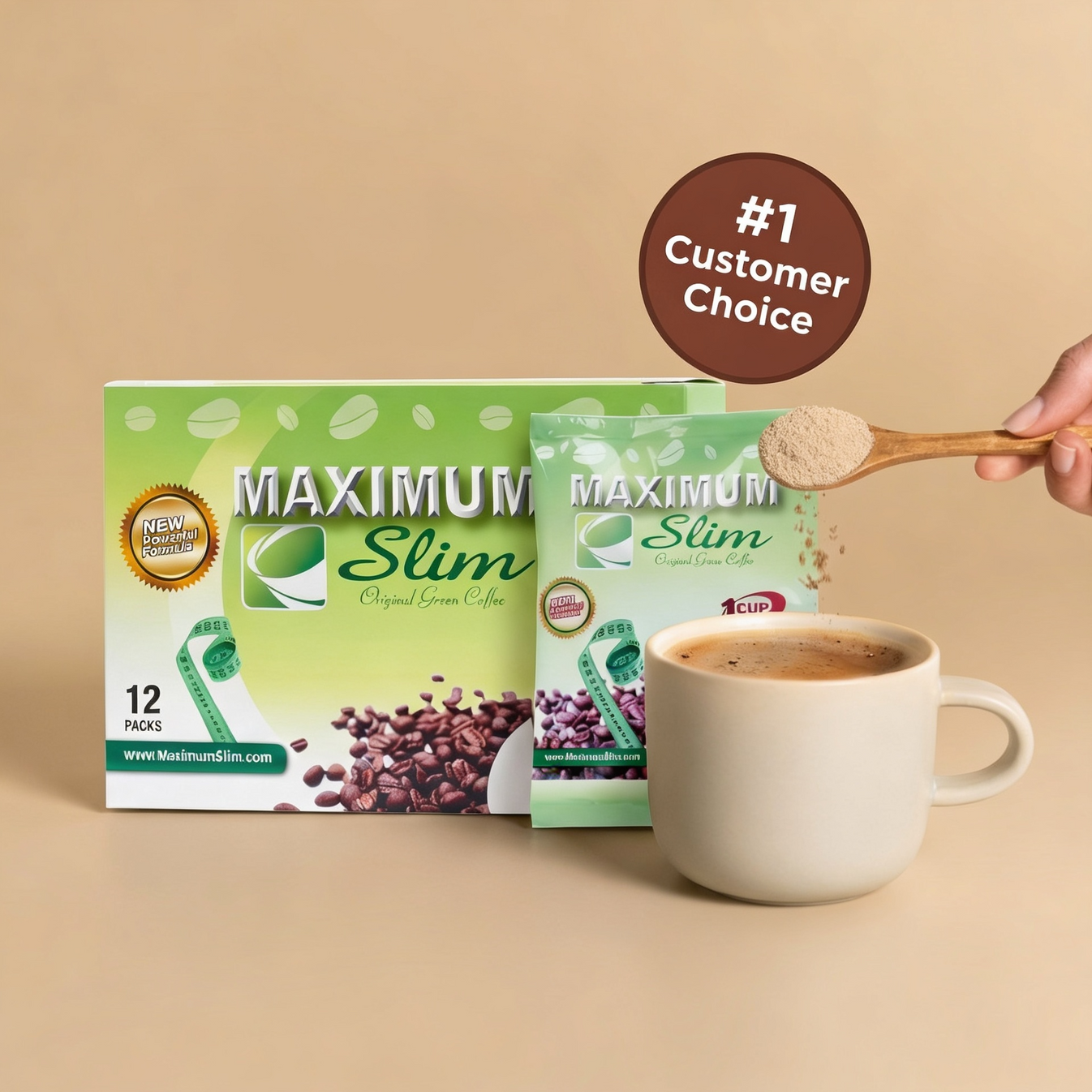
Featured Product
Maximum Slim Original Green Coffee | Premium Unroasted Arabica Blend (12 Ct)
Discover a delicious daily coffee crafted to complement your wellness routine. Enjoy one cup a day as part of a balanced lifestyle.
Shop Now →The more useful way to choose
Use the drink to match the demand in front of you.
A rushed early commute, a hard training session, and a deep-focus writing block are not the same physiological situation. The best beverage for one can be the wrong beverage for another. Taste, preparation style, caffeine sensitivity, and digestion all matter just as much as headline caffeine numbers.
That is why a strategic approach works better than picking a permanent winner.
A Quick Comparison of Two Powerhouses
A side-by-side snapshot helps, but the smarter choice depends on what you need the drink to do.
Matcha vs. Coffee At a Glance
| Attribute | Matcha (1 tsp in 8 oz) | Drip Coffee (8 oz) |
|---|---|---|
| Typical caffeine | Moderate, with strength affected by grade, scoop size, and preparation | Usually higher and easier to estimate cup to cup |
| Energy pattern | Smoother and more gradual | Faster and more pronounced |
| Key compounds | L-theanine plus catechins, including EGCG | Caffeine with coffee’s natural antioxidant compounds |
| Caffeine consistency | More variable across brands and serving styles | More consistent in a standard home-brewed cup |
| Best fit | Long work blocks, steadier mornings, calmer focus | Early starts, pre-workout alertness, simple routines |
Coffee is usually the faster tool. Matcha is usually the steadier one.
Why this snapshot matters
Caffeine totals only tell part of the story. Preparation changes the experience.
Coffee is generally easier to standardize at home. Use the same beans, brew method, and cup size, and the effect is fairly predictable. That makes it practical for people who want a reliable morning routine or a clear pre-training boost.
Matcha asks for a little more attention. You are drinking powdered tea leaves, so quality, origin, and whisking method all influence strength, taste, and feel. That extra complexity can be a drawback if you want precision. It can also be a real advantage if your goal is cleaner energy and a more intentional wellness ritual. Readers interested in layering functional ingredients into that routine may also want to explore these mushroom matcha benefits.
Practical trade-offs
Consider these guidelines:
- Choose matcha for extended concentration, lighter stimulation, or mornings when you want energy without feeling pushed.
- Choose coffee for speed, convenience, or situations where a stronger kick matters more than smoothness.
- Use caution with matcha if you are highly sensitive to dose changes, because one preparation can feel very different from another.
- Use caution with coffee if you tend to get jittery, overcaffeinate easily, or notice that one strong cup disrupts the rest of your day.
For many adults, the best answer is not matcha or coffee forever. It is coffee for the moments that need fast output, and matcha for the hours that benefit from steadier control.
Understanding the Energy Curve Caffeine and L-theanine Synergy
Two drinks can contain caffeine and still create very different workdays. One tends to hit fast and fade faster. The other usually builds into a steadier rhythm that many adults find easier to sustain.

Coffee creates a sharper rise
Coffee usually produces a quicker onset. For a morning commute, an early lift, or a short deadline, that can be exactly what you want. The stimulation is obvious, and the feedback is immediate.
That speed has a trade-off. In practice, coffee is more likely to feel peaky. Some adults notice a narrower window between “switched on” and “overcaffeinated,” especially if they drink it on an empty stomach or keep refilling the mug through the morning.
For goal-specific use, this matters. Coffee fits tasks that reward urgency, reaction time, and fast activation. It is less forgiving if your real need is stable output for several hours.
Matcha supports a flatter, steadier curve
Matcha tends to feel different because caffeine is arriving alongside L-theanine, a naturally occurring amino acid in tea associated with a calmer style of alertness. Instead of a pronounced spike, many people experience a smoother lift that is easier to maintain through desk work, study blocks, or creative work.
The practical benefit is not “more energy.” It is more usable energy.
That distinction matters if you care about decision quality, emotional steadiness, or appetite control during the first half of the day. A smoother curve often means less internal noise while you work.
Why L-theanine changes the experience
L-theanine does not cancel caffeine. It changes the feel of it.
In a wellness routine, that often shows up as better composure under stimulation. Attention feels more organized. The body feels less tense. You still get an energizing effect, but many adults describe it as cleaner and less pushy than coffee.
That is one reason matcha works well in routines built around sustained focus instead of repeated stimulation. If you are already experimenting with ingredients that support a more balanced morning ritual, these mushroom matcha benefits are worth reviewing.
Why one matcha bowl can feel different from the next
Matcha is not as uniform as coffee, and that is a real consideration.
Because you are consuming powdered tea leaf, the final effect can shift with grade, origin, serving size, and preparation. Breville notes that matcha caffeine can vary meaningfully by gram, which helps explain why one bowl feels mild and another feels more pronounced, even when the color looks similar.
For caffeine-sensitive adults, consistency needs a system:
- Weigh your matcha instead of estimating by sight.
- Stick with one product long enough to learn its effect.
- Prepare it the same way each day, especially water amount and powder dose.
- Track timing if sleep quality matters to you.
Choose the curve that matches the job
The better question is not which drink is stronger. The better question is which energy curve fits the next few hours.
Use coffee when you need speed and a clear kick. Use matcha when you need steadier attention, calmer focus, and fewer swings. Many adults do best with both, used intentionally instead of automatically.
Benefits for Metabolism and Overall Health
For readers choosing between matcha and coffee based on body composition, appetite control, and long-term routine fit, the better question is not which drink burns more. The better question is which one supports the rest of your day without creating friction.

Matcha has a stronger metabolic identity
Matcha stands out because you consume the whole tea leaf in powdered form, not just an infusion. That gives you caffeine alongside catechins, especially EGCG, which is one reason matcha is often chosen for routines built around steady energy and metabolic support.
In practice, that matters most for adults who want a morning drink that fits nutrition goals instead of working against them. Matcha is not a fat-loss shortcut. It is a more strategic choice for people trying to keep energy stable, appetite predictable, and stimulation manageable.
That difference shows up in adherence. A beverage is more useful when it helps you stay consistent with meals, training, and work output.
Coffee still earns its place
Coffee has real strengths. It contains beneficial polyphenols, it can improve training readiness, and for people who tolerate it well, it is an efficient tool for early-day activation.
The trade-off is physiological, not philosophical. Some adults feel focused and energized with coffee. Others get shaky, hungry too soon, or wired enough that the rest of the day becomes harder to manage. In those cases, the fastest stimulant is not the best metabolic choice because it can push eating patterns, stress load, or sleep in the wrong direction.
That is why I usually frame matcha and coffee as tools with different jobs. Matcha often fits better on days centered on consistency. Coffee often fits better when speed matters and tolerance is solid.
For readers building a broader nutrition plan, these practical ways to boost metabolism pair well with a smarter caffeine strategy.
Why clean energy has health value
Clean energy has a practical definition. You feel alert, but you do not spend the next few hours correcting side effects.
That can mean fewer reactive snacks, less temptation to stack a second or third caffeinated drink, and better follow-through with meals and exercise. Those outcomes matter more than a dramatic first 30 minutes.
Matcha often performs well here because it supports a steadier rhythm. Coffee can still work beautifully, but only if the dose, timing, and your tolerance line up.
A quick visual overview can help if you want the broader health angle in another format.
A realistic wellness take
If your goal is metabolic support with fewer disruptions to appetite, mood, and routine, matcha usually gives you more flexibility.
If your goal is immediate drive before a workout, a commute, or a demanding morning block, coffee may be the better call.
Used strategically, both can belong in a high-functioning wellness routine. The better choice depends on what you need the drink to do after the first sip, not just how strong it feels in the moment.
For weight-management routines, the better beverage is usually the one you can use consistently without creating extra hunger, jitters, or a sleep problem later.
Impact on Focus Mood and Sleep
A common real-world test happens at 2 p.m. You still have work left, people to talk to, and a bedtime you do not want to sabotage. At that point, the better drink is the one that keeps your mind useful without making your mood thinner or your sleep lighter.
Focus has a shape, not just an intensity
Coffee often fits tasks that reward speed, urgency, and decisive action. It can be excellent for clearing inboxes, starting a demanding morning, or getting mentally switched on before a short training session.
Matcha tends to fit work that depends on consistency. Long writing blocks, patient reading, coaching calls, planning sessions, and detail-heavy work usually benefit from steadier attention and fewer mental swings. In practice, that difference matters more than which drink feels stronger in the first half hour.
The question is not which beverage makes you more stimulated. The question is which one matches the cognitive job in front of you.
Mood changes performance more than people expect
Energy that comes with irritability is expensive. It shows up in rushed decisions, less patience, more friction in conversations, and a stronger urge to keep chasing the feeling with another cup.
Coffee is not a problem by default. Many people do very well with it. But if you already run a little tense, are under-slept, or drink it on an empty stomach, the mental edge can turn sharp in a way that hurts communication and follow-through.
Matcha often works better on people-facing days. If your schedule includes parenting, client calls, teaching, team leadership, or any setting where calm delivery matters, the smoother experience can be more useful than a bigger jolt. For readers who notice stomach irritation influencing mood and focus too, a coffee alternative for acid reflux may be worth considering.
Sleep is usually decided earlier than people think
The biggest sleep mistake is not caffeine alone. It is using caffeine reactively late in the day because the earlier choice was too aggressive, too fast, or too short-lived.
That is why I look at the full chain. Did the drink support productive work, stable appetite, decent patience, and a normal wind-down at night. If not, the issue is often timing, dose, or context, not the beverage category itself.
A practical rule works well here. Use coffee earlier when you want immediate activation and can cap it at one serving. Use matcha earlier to midday when you want to stay mentally even without feeling pushed. Treat both with caution once afternoon drift starts showing up in your routine.
A better self-check than “Which one feels stronger?”
Track your response for one week.
- Coffee is working well if you get clear output, stable mood, and no urge to keep topping up.
- Matcha is working well if you stay engaged for longer stretches and your interactions feel smoother, not just more energetic.
- Either one needs adjusting if bedtime feels delayed, sleep becomes lighter, or your mind stays active after you are physically tired.
Which Drink Is Right for Your Goals
There is no universal winner. There is only a better fit for the task, the time of day, and your nervous system.

For peak productivity
Winner: Matcha
If your work requires sustained concentration, emotional steadiness, and fewer internal spikes, matcha is usually the better choice. It fits long writing blocks, strategic planning, research, and detail-heavy work.
The best approach is to make it consistent. Use the same powder amount, water level, and time of day. Precision matters because matcha can vary more than coffee.
For a fast morning launch
Winner: Coffee
If the day starts abruptly and you need a clear switch from sleepiness to action, coffee is often more effective. It is simple, familiar, and quick to prepare.
This works best when you stop at one cup and pair it with food or a stable morning routine. The people who struggle with coffee most are often not using too much caffeine overall. They are using it reactively.
For pre-workout energy
This one depends on training style.
For a hard, short, high-output session, coffee often fits better because the faster ramp can feel more immediate. For steady-state training, longer sessions, or movement you want to approach without feeling overstimulated, matcha is often easier to tolerate.
If you are caffeine-sensitive, start with matcha. If you want a stronger push and know your body handles coffee well, coffee may perform better.
For weight-management support
Winner: Matcha
Here, matcha has the most strategic edge. Its caffeine profile is often easier to live with, and its catechin content gives it a stronger identity in a metabolism-conscious routine.
It also tends to pair better with the kind of day that supports body composition goals. Stable energy often leads to better choices than spiky energy. If your coffee habit pushes you toward extra snacks, second cups, or stress eating, that is not a trivial side effect.
For sensitive digestion or a gentler routine
Winner: Usually matcha
People who want to move away from harsh-feeling stimulants often do better with matcha first. It can provide enough lift without feeling so aggressive.
If coffee tends to aggravate your system, you may also find this guide to a coffee alternative for acid reflux helpful.
For people who want both
This is often the smartest answer.
Use coffee when speed matters. Use matcha when endurance, calm, or metabolic support matters more. Many adults do best with coffee on demanding early starts and matcha on work-from-home days, creative days, or afternoons when they want lift without the hard edge.
Try a simple framework:
- Morning emergency: coffee
- Long desk session: matcha
- Pre-workout decision: coffee for intensity, matcha for control
- Stressful day: matcha
- Sleep protection: lower dose either way, earlier in the day
The strongest routine is not ideological. It is adaptable.
Maximum Health Products offers clean-label support for energy, focus, metabolism, and everyday wellness. If you want to build a routine around natural tools instead of trial and error, explore Maximum Health Products for science-backed options that fit real life.

