


You’re probably here because your protein shake routine looks good on paper but fails in real life. You buy a tub with a healthy-looking label, add a scoop to water or milk, shake hard, and end up with something chalky, thin, oddly sweet, or heavy on your stomach. Then the whole idea of “easy nutrition” starts to feel harder than breakfast.
That frustration is common. Protein powder shakes can be one of the simplest tools for busy mornings, post-workout recovery, weight goals, or afternoon energy. But the guidance on how to build one that tastes good, digests well, and fits their actual needs is often lacking.
At Maximum Health Products, we look at shakes through a clean-label lens. That means fewer mystery ingredients, no unnecessary fillers, and a formula you can adjust for your body and your goal. Once you understand the parts of a shake and what each one does, protein powder shakes stop being random recipes and start becoming a useful daily system.
Why Your Protein Shake Falls Short and How to Fix It
A lot of people start the same way. They want something fast, high in protein, and healthier than grabbing a pastry or skipping lunch. So they stir powder into cold liquid, take a sip, and immediately regret it.
The problem usually isn’t protein powder shakes themselves. It’s that people treat them like a single ingredient instead of a balanced formula. A scoop of protein alone can taste flat, feel gritty, and leave you either still hungry or uncomfortably full.
Protein powder shakes have become a mainstream part of modern nutrition, not just a gym habit. The global protein powder market was valued at USD 24.6 billion in 2024 and is projected to reach USD 46.2 billion by 2034, expanding at a CAGR of 6.8%. That growth reflects rising interest in muscle support, weight management, and practical nutrition.
The real reason most shakes disappoint
A weak shake usually misses one or more of these basics:
- A clean protein base: The powder may include additives, gums, or sweeteners that overwhelm flavor and texture.
- Enough structure: If there’s no fat, fiber, or fruit, the drink can feel watery and unsatisfying.
- The right ratio: Too much powder and too little liquid creates sludge. Too much liquid and the shake tastes diluted.
- A goal-specific design: A shake for weight management shouldn’t be built the same way as one for recovery after training.
Protein powder shakes work best when they solve a real problem. A rushed breakfast, a post-workout window, a snack gap, or a meal you know you’ll otherwise skip.
Featured Product
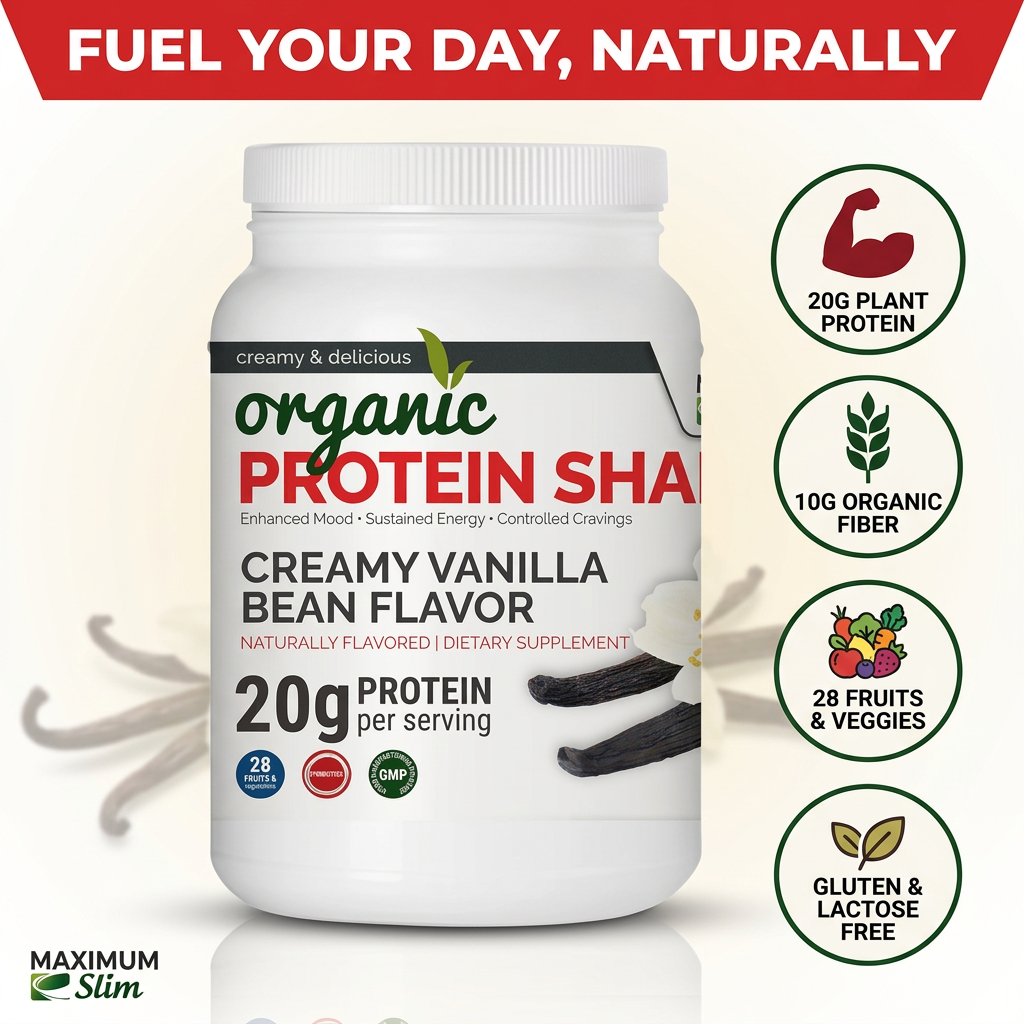
Organic Protein Shake - Maximum Slim | Nutrient Rich Drink for Muscle Recovery
This formula includes a blend of 28 fruits and vegetables and is made to fit a variety of dietary needs.
Shop Now →What actually fixes it
Start by thinking like a formulator, not just a shopper. Ask four simple questions before you blend:
- What is this shake replacing or supporting? Breakfast, recovery, energy, or a snack?
- What protein source fits me? Whey isolate, pea, or another option?
- What helps me tolerate it well? Simpler ingredients, no lactose, lower sweetness, less fiber, or more fiber.
- What texture do I want? Light, creamy, thick, or spoonable.
That small shift changes everything. Instead of forcing down a generic drink, you build one that fits your life.
Choosing Your Foundation A Guide to Clean Protein Powder
Your shake is only as good as the powder you start with. If the foundation is overloaded with fillers, hidden sweeteners, or ingredients that upset your stomach, no amount of frozen berries will fully rescue it.
Here’s the visual needed before making a purchase.

Whey isolate or plant-based
Two clean options are often suitable.
Whey protein isolate tends to mix smoothly and works well for people who want a classic post-workout shake. It’s often a practical choice for those who want a dairy-derived option with less lactose than standard whey concentrate.
Plant-based protein blends are useful if you avoid dairy or want an allergen-conscious routine. Pea protein is common, and many blends pair plant proteins to create a more complete amino acid profile. If you want a simple primer on complete protein sources, that resource gives helpful context for how different proteins complement each other.
Not every plant powder is the same. Some are earthy and thick. Others are smoother and easier to flavor. That’s why ingredient quality matters as much as the protein type itself.
Why label reading matters more than branding
A polished package doesn’t tell you whether a powder is clean. The ingredient list does.
Look for a short ingredient panel and recognizable components. Be cautious with formulas packed with added sugars, artificial flavors, unnecessary thickeners, or common irritants if you already know you’re sensitive to them.
Clean Label Checklist
Choose a powder with a clear protein source, minimal ingredients, no added sugars, and no fillers you don’t need. If you’re sensitive to soy, gluten, or dairy, confirm those are absent rather than assuming from front-of-package claims.
Third-party testing matters too. According to Garage Gym Reviews’ summary of Consumer Reports findings, 67% of 23 tested powders exceeded safe daily lead limits of 0.5 micrograms, and plant-based options averaged 9x higher contamination than whey. That’s a strong reason to choose powders that emphasize purity testing rather than chasing trendy claims.
A simple buying filter
Use this quick screen when comparing tubs:
- Protein source first: If the first ingredient isn’t the actual protein you want, move on.
- Sweetener check: If sweetness comes from a long list of additives, expect the flavor to taste more engineered than natural.
- Allergen review: If you avoid soy, gluten, or dairy, confirm it on the label.
- Testing and transparency: Prefer brands that discuss purity and quality controls clearly.
- Purpose fit: A recovery shake, a meal-support shake, and a lighter daily shake may require different formulas.
If you want a practical reference for shopping cleaner options, our guide to clean protein powder choices walks through what to scan for on real labels.
One factual example that fits a clean-label approach is Maximum Slim Organic Protein Shake from Maximum Health Products, a plant-based option described by the brand as providing 20g protein along with fiber and metabolism-focused ingredients. It’s one example of a powder designed around simpler formulation rather than a long additive list.
The Shake Blueprint Liquids Fats and Flavor
Once you’ve chosen a clean powder, the next mistake is using it in isolation. Great protein powder shakes have structure. The easiest way to think about that structure is this:
Protein + Liquid + Healthy Fat + Fiber or Carb
That formula gives you something you can customize instead of copying random internet recipes.
Start with the liquid
Your liquid changes texture, flavor intensity, and how filling the shake feels.
Water makes the lightest shake. Unsweetened almond milk often gives a softer flavor. Oat milk can create a richer mouthfeel. None is universally “best.” The right one depends on whether you want a lean, creamy, or more satisfying result.
| Clean Liquid Base Comparison (per 8oz serving) | Calories (Approx.) | Creaminess | Best For |
|---|---|---|---|
| Water | Low | Light | A lighter shake with a cleaner finish |
| Unsweetened almond milk | Low | Light to medium | Everyday shakes with a smoother texture |
| Unsweetened oat milk | Moderate | Medium to high | Meal-style shakes and richer flavor |
If your shake tastes too sweet, water often helps. If it tastes thin or sharp, almond milk or oat milk can round it out.
Add healthy fat for texture and staying power
This is the most overlooked part of protein powder shakes. A small amount of healthy fat can make the difference between “chalky supplement” and “actual food.”
Good options include:
- Avocado: Makes shakes creamy without a strong taste.
- Chia seeds: Adds body and a more satisfying texture after a short rest.
- Almond butter: Gives richness and nutty flavor, especially in vanilla or chocolate blends.
A little goes a long way. Too much fat can make a shake heavy, which may not feel good before a workout or during a busy workday.
If your shake tastes flat, the issue often isn’t the protein. It’s the absence of enough fat or fruit to carry the flavor.
Use fiber and carbs with purpose
This is where your shake becomes personal.
Leafy greens such as spinach can add bulk without dominating the flavor when paired with fruit. Low-glycemic fruits like berries bring brightness and natural sweetness. For some people, a small amount of carb from fruit makes the shake more energizing and easier to enjoy consistently.
Try these pairings:
- Vanilla protein + berries + chia: Clean, bright, and easy for breakfast
- Chocolate protein + almond butter + spinach: Richer and more filling
- Unflavored protein + avocado + cinnamon + berries: Good if you want less sweetness overall
Build by feel, not by hype
Some people do best with a thinner shake they can drink quickly. Others need a thick blend that feels more like a meal. Both can work.
Use this simple sequence when blending:
- Pour liquid first so powder doesn’t stick to the bottom.
- Add powder second for more even mixing.
- Layer soft ingredients like spinach, avocado, or nut butter next.
- Add frozen fruit or ice last so the blades catch everything evenly.
Flavor without turning it into dessert
A clean shake doesn’t have to be boring. It just shouldn’t taste like melted candy unless that’s deliberately what you want.
Good flavor builders include cinnamon, unsweetened cocoa, berries, vanilla, and a small amount of nut butter. These ingredients add depth without relying on a long list of artificial flavors.
If you’ve been making protein powder shakes that taste harsh or one-dimensional, don’t assume you bought the wrong powder. Often the fix is balancing the liquid, adding a texture-supporting fat, and choosing one clear flavor direction instead of too many ingredients at once.
Customizing Protein Shakes for Your Wellness Goals
The biggest mistake people make is using the same shake for every situation. A shake that helps after strength training won’t always be the one that keeps you satisfied through a long afternoon at work. Your goal should shape the ingredients.
That matters even more if you’ve struggled with digestion. An underserved area in protein shake guidance is customization for specific needs, and a 2025 survey found 62% of consumers with digestive issues seek protein shakes but report dissatisfaction due to poor tolerability. Clean-label formulas without common irritants can make a noticeable difference.
Here’s a simple visual for thinking through your options.

Weight management
For weight management, a shake that feels complete but not heavy is generally more effective. The focus is satiety, steady energy, and a flavor profile you won’t get tired of.
A helpful template looks like this:
- Protein: A clean plant-based protein or whey isolate
- Liquid: Water or unsweetened almond milk
- Fiber support: Spinach, chia seeds, or berries
- Flavor: Cinnamon, cocoa, or vanilla
A sample build could be plant-based protein, unsweetened almond milk, spinach, berries, and chia. That combination usually tastes fresh rather than dense, and it supports fullness better than protein and water alone.
Muscle gain and recovery
A recovery-focused shake should be easy to digest and include both protein and a carbohydrate source. If you train hard, this is the time to make the shake more functional and less minimal.
Try this framework:
- Choose a protein with smooth mixability so you’ll drink it after training.
- Add a carb source such as banana or oats for a more replenishing blend.
- Include a small amount of fat only if you tolerate it well, since some people prefer faster digestion after workouts.
A sample combination is whey isolate or a well-blended plant protein with oat milk, banana, and a spoonful of oats. If athletic performance is one of your priorities, these training, recovery, and nutrition strategies offer broader context on how shakes fit into a full routine.
If you want ideas specific to exercise support, our guide on protein powder for recovery can help you match shake timing and ingredients to the kind of training you do.
Recovery shakes should feel simple enough to use consistently. The “perfect” formula that’s too complicated for real life usually gets abandoned.
Energy support
An energy-focused shake is different from a meal replacement. It should support alertness without making you sluggish.
This type of shake often works best when it stays moderate in thickness and sweetness. You want enough structure to hold you, but not so much fat or fiber that it feels sleepy.
A useful pattern is:
- Protein: A clean, neutral-flavored protein
- Liquid: Water, almond milk, or coffee if that suits your routine
- Support ingredients: Berries, a small amount of healthy fat, and optional greens
- Flavor direction: Coffee-cocoa, vanilla-cinnamon, or berry
An example is protein, chilled coffee, almond milk, cocoa, and a little almond butter. For many busy professionals, that lands somewhere between breakfast and a focused mid-morning reset.
Meal replacement when life gets busy
Many individuals often underbuild. A meal replacement shake needs more balance than a snack shake.
Include all four pillars: protein, liquid, healthy fat, and fiber or carb. Avocado, chia, berries, greens, and a more substantial milk base can all help. If your current shake leaves you hungry an hour later, it probably isn’t a meal replacement. It’s just a drink with protein added.
From Clumpy to Creamy Shake Making Techniques
Even clean ingredients can produce a bad shake if the method is off. Texture problems usually come from sequence, temperature, or the mixing tool.

Shaker bottle or blender
A shaker bottle works well for simple protein powder shakes with just liquid and powder. It’s convenient for the office, gym bag, or travel.
A blender is better when you add fruit, greens, chia, nut butter, avocado, or ice. It also helps if your powder tends to foam or clump.
Common shake problems and solutions
- Clumpy texture: Add liquid first, then powder. If you use a shaker bottle, use a blender ball and shake in stages instead of all at once.
- Chalky finish: Add a small amount of avocado, chia, or almond butter. Fat softens the mouthfeel.
- Too thick: Increase liquid a little at a time until it loosens. Frozen fruit and chia can thicken more than expected.
- Too thin: Use less liquid next time, or blend in chia and let it sit briefly.
- Too foamy: Blend less aggressively, or let the shake rest for a minute before drinking.
- Flavor feels harsh: Add berries, cinnamon, or cocoa to round it out rather than adding more sweetener.
Small technique shifts that help
Cold ingredients usually taste better than room-temperature ones. Frozen berries can improve both flavor and texture without making the shake icy if you keep the amount moderate.
Another fix is patience. Chia thickens after resting, and some powders settle into a smoother texture after a minute or two.
A creamy shake usually comes from order, not luck. Liquid first, powder second, extras after that.
If you’ve had a streak of disappointing shakes, don’t throw out the whole routine. Change one variable at a time. The liquid, the fat source, the amount of fruit, or the blending method. That’s how you find your repeatable version.
Your Protein Shake Questions Answered
Protein powder shakes are now part of everyday life for many households. They lead the protein drink market, and 46% of Americans regularly consume them. That’s why the practical questions matter just as much as the ingredient list.
Can I make a shake ahead of time
Yes, if you store it cold and keep the formula simple. Shakes with protein, liquid, and a few stable ingredients usually hold up better than ones loaded with ice or delicate fruit. If separation happens, just shake again before drinking.
When should I drink a protein shake
That depends on the job you want the shake to do. A morning shake can help when breakfast is rushed. A post-workout shake is useful when you want something quick and easy after training. A mid-afternoon shake can also prevent the crash that leads to random snacking.
Are protein powder shakes okay for people with lactose sensitivity
They can be, but the protein type matters. Many people tolerate plant-based powders or whey isolate better than standard dairy-heavy formulas. If dairy tends to bother you, a guide to lactose-free protein options can help narrow the field.
Can families use clean-label shakes
They can, but the formula should match the person. Adults using a shake for recovery or meal support may need a different blend than a child who just needs a simple protein snack. Keep kids’ versions basic, mild in flavor, and free from unnecessary additives.
Do I need a different shake for every goal
Not always. You can start with one base protein and adjust the extras. Add berries and chia for weight management support. Add oats or banana for recovery. Add greens and almond butter for a more complete meal-style shake.
If you want a simpler way to build clean, goal-focused nutrition into your day, explore Maximum Health Products. You’ll find protein options, wellness guides, and everyday formulas built around clean-label standards, so your routine can support energy, recovery, weight goals, and family wellness without unnecessary fillers.

