


If you’ve ever felt like you’re doing everything right—cutting calories, hitting the gym—but still feel tired, hungry, and frustrated with your results, you’re not alone. The old "calories in, calories out" model is only half the story. The real secret to sustainable weight loss lies in understanding macronutrients.
Focusing on macros is about shifting your mindset from the quantity of calories you eat to the quality of those calories. It’s the difference between just surviving on a diet and truly thriving.
What Are Macros and Why They Matter More Than Calories
Think of your body as a high-performance car. Calories are the total fuel in the tank. But macronutrients—protein, carbohydrates, and fats—are the different types of fuel that make the engine run smoothly. An engine needs the right mix of gas, oil, and coolant to perform at its best. Your body is no different.
Eating 1,800 calories from lean protein, complex carbs, and healthy fats will have a completely different impact on your hunger, energy, and body composition than eating 1,800 calories from sugar and processed junk. One approach builds you up; the other just fills a temporary void.
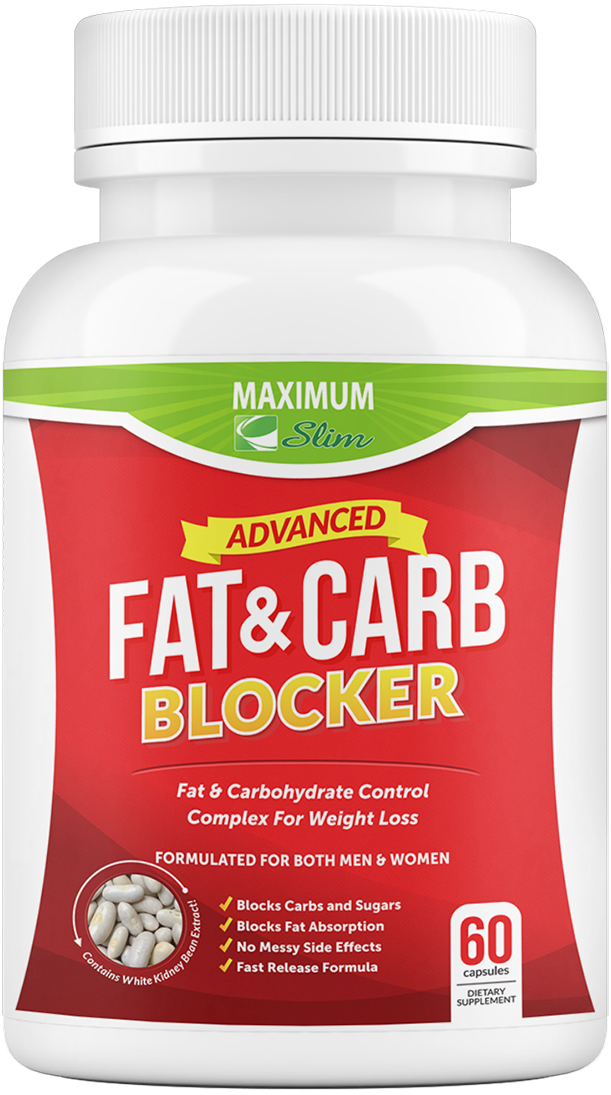
Featured Product
Maximum Slim Fat & Carb Blocker | Plant-Based Weight Support Supplement
Plant-based formula designed to support carb and fat metabolism. Easy-to-take supplement for everyday weight management and wellness.
Shop Now →The Role of Each Macronutrient
Each of the three macronutrients plays a unique and essential role in how your body functions. Getting the balance right is what unlocks fat loss while helping you feel your best.
Here’s a quick breakdown of what each macro does for you.
| Macronutrient | Primary Role | Calories Per Gram |
|---|---|---|
| Protein | The "builder." Repairs and builds muscle, promotes fullness, and boosts metabolism. | 4 calories |
| Carbohydrates | The "energizer." Your body’s main fuel source, especially for brain function and exercise. | 4 calories |
| Fats | The "regulator." Essential for hormone production, vitamin absorption, and long-term satiety. | 9 calories |
By managing the ratio of these three, you’re not just starving your body of calories—you’re giving it the specific tools it needs to burn fat efficiently while holding onto the precious, metabolism-boosting muscle you have.
The Big Three Macronutrients
Let's dig a little deeper into why each one is so critical for weight loss.
-
Protein (The Building Blocks): This is your best friend on a fat loss journey. Protein is essential for repairing and building lean muscle. It’s also incredibly satiating, meaning it keeps you feeling full longer and helps crush cravings. Plus, your body burns more calories digesting protein than it does for carbs or fats—a phenomenon known as the thermic effect of food (TEF).
-
Carbohydrates (The Primary Fuel): Carbs get a bad rap, but they are your body's preferred energy source. The key is choosing the right kind. Complex carbs from sources like vegetables, quinoa, and oats provide a slow, steady release of energy and fiber. This prevents the dreaded blood sugar spikes and crashes that come from simple sugars, which often lead to more hunger and fat storage.
-
Fats (The Hormone Regulators): Healthy fats don't make you fat! In fact, they are crucial for producing hormones that control everything from your metabolism to your mood. Fats are also vital for absorbing certain vitamins (A, D, E, and K) and contribute to that feeling of satisfaction after a meal, helping you stay full for hours.
By focusing on the right balance of these three, you shift your body from just surviving on fewer calories to thriving in a fat-burning state. This approach helps you lose fat while preserving the lean muscle that keeps your metabolism active. For more tips, check out our guide on how to boost your metabolism.
Moving Beyond Simple Calorie Counting
This isn't just some new trend; it’s a time-tested principle. Remember the Atkins Diet craze in the early 2000s? It brought high-protein, low-carb eating to the forefront, and the market for protein supplements has been booming ever since—projected to hold over 15% of the market share by 2026.
There's a reason for that. Decades of research back it up. Studies consistently show that diets where 25-30% of calories come from protein result in 20-30% greater fat loss over a 12-month period compared to standard low-fat diets. You can dive into more of this data in recent weight management analyses.
The takeaway is clear: making protein a priority is a proven strategy for changing your body composition for the better. When you diet, you risk losing muscle along with fat. Since muscle is what keeps your metabolism fired up, losing it is a recipe for a sluggish metabolism and eventual weight regain. A smart macro plan helps you avoid this trap from day one.
Calculating Your Personal Macro Targets Step by Step
Alright, let's get practical. It's time to turn the "what" and "why" of macros into a set of numbers you can actually use to guide your daily food choices. This process is surprisingly straightforward and will give you a personalized plan that works for your body.
The first step is to figure out your Total Daily Energy Expenditure (TDEE). This is your body's total daily calorie budget—the energy you burn simply living, working, and moving. While the math can get a bit deep, you can easily find your TDEE using any number of free online calculators.
Creating Your Calorie Deficit
Once you have your TDEE, you need to create a calorie deficit to encourage your body to burn fat. This doesn’t mean you have to starve yourself. For sustainable, long-term results, a modest deficit of 15-20% below your TDEE is the sweet spot.
Let's say your TDEE is 2,200 calories. A 20% deficit would be 440 calories (2,200 x 0.20), which sets your new daily calorie target at 1,760 calories (2,200 - 440). This small, controlled reduction signals your body to tap into stored fat for energy without sending you into a spiral of extreme hunger or muscle loss.
A sustainable deficit is key. Cutting calories too aggressively can backfire, slowing your metabolism and leading to burnout. The goal is consistent progress, not a race to the bottom.
Prioritizing Protein for Muscle and Fullness
With your calorie goal locked in, it’s time to divide those calories among the macros. We always start with the most important one for weight loss: protein. A protein-first approach is critical because it helps you hold onto precious muscle mass and keeps you feeling full.
For weight loss, a solid guideline is to consume between 0.8 to 1.0 grams of protein per pound of your target body weight. So, if your goal weight is 150 pounds, you’d aim for 120-150 grams of protein daily.
Let's stick with our example:
- Goal: 150 grams of protein
- Calculation: 150g of protein x 4 calories/gram = 600 calories from protein
This means 600 of your 1,760 daily calories are now dedicated to protein, setting a strong foundation for an effective fat-loss plan. To get these numbers just right for your body, it’s worth learning how to calculate macros accurately based on your unique TDEE and goals.
Allocating Your Fats and Carbs
Now, we just need to divvy up the rest of your calories between fats and carbs. This is where your personal preference really comes into play. Fats are essential for hormone function, so a good starting point is to allocate 20-30% of your total daily calories to them.
For our example, let's aim for 25%:
- Target: 25% of 1,760 calories = 440 calories from fat
- Calculation: 440 calories / 9 calories/gram = ~49 grams of fat
The last step is to fill the remainder of your calorie budget with carbohydrates. These will be your primary fuel source for workouts and an important source of fiber.
This diagram helps visualize how your body uses these macros—protein for muscle, carbs for immediate fuel, and fats for long-term energy reserves.  As you can see, a protein-first approach supports your metabolic engine while carbs and fats provide the fuel to keep it running smoothly.
Here’s the final calculation for our example’s carbs:
- Total Calories: 1,760
- Protein Calories: 600
- Fat Calories: 440
- Remaining for Carbs: 1,760 - 600 - 440 = 720 calories
- Carb Grams: 720 calories / 4 calories/gram = 180 grams of carbs
So, the final macro targets for a 1,760-calorie diet are 150g Protein, 49g Fat, and 180g Carbs. By following this structured process, you’ve turned a simple calorie goal into a powerful, personalized road map for success.
Choosing the Right Macro Split for Your Lifestyle
Once you’ve calculated your personal macro targets, the big question becomes: how do you split them? There’s no single, magical macro ratio for weight loss. The best split is the one that fits your body, activity level, and daily routine—the one you can actually stick with long-term.
Think of it like finding the right workout plan. Some people get amazing results from high-intensity training, while others do better with steady-state cardio. Your ideal macro split works the same way; it all comes down to your unique metabolism and lifestyle. Let's look at three proven starting points to help you find yours.

Common Macro Splits Explained
The real art of using macros for weight loss is finding a ratio that gets you results without making you feel miserable or deprived. Each of the popular splits below keeps protein high but adjusts carbs and fats to fit different goals and lifestyles.
Finding the right macro split is a personal journey, but you don't have to start from scratch. Below is a comparison of three common, effective ratios. Use this table to see which one aligns best with your starting point.
Comparison of Common Macro Splits for Weight Loss
| Macro Split Type | Typical Ratio (C/P/F) | Best For | Key Benefit |
|---|---|---|---|
| Balanced | 40% / 30% / 30% | Beginners and those seeking sustainable, long-term weight management. | Offers a moderate amount of all macros, providing steady energy and fullness without strict restrictions. |
| Lower Carb | 20% / 40% / 40% | Individuals wanting to accelerate fat loss or those with insulin sensitivity. | Encourages the body to burn stored fat for fuel more efficiently. |
| Performance | 45% / 35% / 20% | Active people who engage in regular, intense exercise. | Delivers ample carbs to fuel workouts and replenish muscle glycogen for better recovery. |
Remember, these ratios aren't rigid rules—they're flexible starting points. The goal is to pick one that fits your life and listen to your body’s feedback as you go.
The Balanced Approach for Sustainability
The 40% Carbs, 30% Protein, and 30% Fat split is the most common starting point, and for good reason. It’s flexible, easy to follow, and doesn’t aggressively restrict any single food group. This balance gives you steady energy from carbs, lasting fullness from protein and fats, and a well-rounded nutrient profile.
It’s an excellent choice if you’re new to tracking macros or if you exercise moderately a few times a week. This approach supports consistent fat loss while being forgiving enough to include a wide variety of foods, which makes it much easier to stick with for the long haul.
The Lower Carb Approach for Fat Loss
For those who want to zero in on fat loss, a lower-carb split can be incredibly effective. A typical ratio here is 20% Carbs, 40% Protein, and 40% Fat. By dialing back your carbohydrate intake, you prompt your body to become more efficient at burning its own fat stores for energy.
Research has shown that macro-optimized diets can be powerful tools. In some trials, lower-carb approaches (under 100g/day) have yielded double the fat loss compared to high-carb diets over six months. Discover more insights about the future of obesity care at IQVIA.com.
This split works especially well for people who are more sedentary or have metabolic conditions like insulin resistance. The higher intake of protein and fat is fantastic for satiety, making it easier to stay in a calorie deficit without feeling hungry all the time. If you find hitting that 40% protein goal challenging, a clean protein powder can be a lifesaver. You can learn more about the best clean protein powder options in our guide.
The Performance Approach for Active Lifestyles
If you’re highly active and hitting the gym four or more times a week, your body simply needs more fuel. The 45% Carbs, 35% Protein, and 20% Fat split is designed specifically for you. The higher carbohydrate percentage provides the raw energy needed to power through tough workouts and is critical for replenishing your muscle glycogen stores afterward for proper recovery.
This approach keeps protein high to repair and build muscle but dials back fat to make more room for those essential, energy-giving carbs. Choosing this split ensures you’re not just fueling weight loss, but also optimizing your athletic performance and recovery at the same time.
Building a Delicious Macro-Friendly Meal Plan

Knowing your macro numbers is one thing, but translating them into satisfying meals you actually want to eat is another challenge altogether. This is the step where theory becomes practice. A successful macro plan isn't about eating bland, repetitive diet food; it's about building meals with whole, nutrient-dense ingredients you genuinely enjoy.
Think of it like being an architect for your plate. You’re combining different building blocks—proteins, carbs, and fats—to construct meals that support your body and your goals. When you have the right ingredients on hand, creating plates that keep you full, energized, and on track becomes second nature.
Assembling Your Macro Building Blocks
A well-stocked kitchen is the foundation of any sustainable meal plan. When you have go-to sources for each macronutrient readily available, putting meals together is much simpler. Here are some high-quality options you can mix and match to create endless combinations.
High-Quality Protein Sources:
- Lean Meats: Chicken breast, turkey breast, and lean cuts of beef are excellent protein foundations.
- Fish: Salmon, tuna, and cod provide a powerful one-two punch of protein and healthy omega-3 fatty acids.
- Plant-Based Options: For a plant-forward meal, lentils, chickpeas, tofu, and edamame are fantastic choices.
- Dairy and Eggs: Greek yogurt, cottage cheese, and whole eggs are versatile and packed with protein.
Complex Carbohydrate Sources:
- Whole Grains: Quinoa, brown rice, and oats offer slow-releasing energy and essential fiber.
- Starchy Vegetables: Sweet potatoes and squash are nutrient-dense and incredibly satisfying.
- Legumes: Black beans and kidney beans deliver a great mix of complex carbs and plant-based protein.
- Fruits: Berries, apples, and bananas provide natural sweetness along with antioxidants.
Healthy Fat Sources:
- Avocado: This creamy fruit adds flavor, healthy fats, and helps keep you feeling full.
- Nuts and Seeds: Almonds, walnuts, chia seeds, and flaxseeds are perfect for snacks or as a topping.
- Oils: Extra virgin olive oil and avocado oil are ideal for cooking and making dressings.
To bring it all together accurately, you'll need the right tools. Using a macro calculator for recipes can be a huge help in making sure your home-cooked meals align with your targets.
A Sample Day of Macro-Focused Eating
Let's see what this looks like in practice. Here is a sample one-day plan for a common weight loss target of roughly 1,700 calories with a balanced macro split (150g Protein, 170g Carbs, 55g Fat).
-
Breakfast (8:00 AM): Protein-Packed Oatmeal
- Ingredients: 1/2 cup rolled oats, 1 scoop vanilla organic protein powder, 1/2 cup berries, 1 tbsp chia seeds. This starts your day on a strong, satiating note.
-
Lunch (12:30 PM): Grilled Chicken and Quinoa Salad
- Ingredients: 4 oz grilled chicken breast, 1 cup cooked quinoa, mixed greens, cherry tomatoes, cucumbers, and a light vinaigrette for sustained afternoon energy.
-
Snack (4:00 PM): Greek Yogurt with Almonds
- Ingredients: 1 cup plain Greek yogurt with a handful of almonds is perfect for bridging the gap to dinner and curbing afternoon hunger.
-
Dinner (7:00 PM): Salmon with Sweet Potato and Asparagus
- Ingredients: 5 oz baked salmon, 1 medium sweet potato, and a cup of roasted asparagus to support overnight muscle repair and recovery.
This is just one example of endless possibilities. You can find more inspiration in our comprehensive guide to weight loss meal planning.
This meal plan is built on a key principle for successful macro-based eating: prioritize protein at every meal. Research shows that consuming around 1.6g of protein per kg of body weight can increase satiety by 25%. This simple adjustment can help reduce your total daily intake by as much as 400-500 calories without leaving you feeling deprived. You can explore more on this high-protein approach by reading the full research on J.P. Morgan's insights page.
The Role of Clean-Label Supplements
While your diet should always revolve around whole foods, high-quality supplements can be a practical tool for hitting your daily macro targets consistently.
An organic protein powder, for instance, offers a convenient way to boost your protein intake in a morning smoothie or after a workout. Likewise, adding a functional cocoa to your yogurt or coffee provides rich flavor without sugar, helping you stay within your carb and calorie limits. These clean-label supplements can make a macro-focused lifestyle more achievable, proving that smart nutrition is about strategic choices, not deprivation.
How to Track and Adjust Your Macros for Lasting Success
Knowing your macro targets is the starting line, but consistent tracking is what gets you across the finish. Real, lasting change happens when you monitor your intake and learn to make intelligent adjustments over time.
Think of it as an ongoing conversation with your body. You provide a nutritional plan, your body provides feedback through energy levels and results, and you fine-tune the plan in response. This process isn't about chasing perfection; it's about building a sustainable system that empowers you to keep the results you work so hard for.
Finding Your Preferred Tracking Method
The most effective tracking method is simply the one you'll stick with consistently. Day-in, day-out adherence is far more important than using the most complex tool. Some people love digging into detailed data, while others find a more intuitive approach works better.
Here are a few popular methods to consider:
- Food Tracking Apps: For those who value precision, apps like MyFitnessPal or Cronometer are incredibly useful. Their huge food databases and barcode scanners simplify the process of logging meals. This gives you clear, objective data on your daily intake, making it easy to see if you’re hitting your protein, carb, and fat goals.
- A Simple Food Journal: If you find apps to be too much, a classic notebook works just as well. The act of writing down what you eat builds mindfulness and helps you spot dietary patterns without getting overwhelmed by numbers. You can simply list foods or take it a step further by looking up and noting their macro values.
- The Hand-Portion Guide: For a more visual and less obsessive method, you can use your hand to estimate portion sizes. This is a fantastic tool for staying on track when eating out or when you can't weigh your food. While less precise, it's excellent for developing intuitive eating skills for the long haul.
The goal isn't to track macros forever. It's a short-term educational tool to help you understand what a balanced plate looks like for your body. Once these habits become second nature, you can rely more on intuition and less on tracking.
When and How to Adjust Your Macro Targets
Your body is a dynamic system, not a static spreadsheet. As you lose weight, get fitter, and your metabolism adapts, your nutritional needs will change. If your progress stalls for more than two weeks, it might be time for a small adjustment.
Before changing your numbers, first ask yourself a few key questions:
- Am I Consistently Hitting My Targets? Be honest with yourself. Are you hitting your protein goal and staying within your calorie range most days? If the answer is no, prioritize consistency before you change the plan itself.
- How Are My Energy Levels and Hunger? If you feel constantly drained or ravenously hungry, your calorie deficit may be too aggressive. Consider a slight increase in carbs for energy or in protein and fat for better satiety.
- Is My Workout Performance Suffering? If you’re feeling weak during your training, you may need more carbohydrates to fuel that activity. Try adding 15-20 grams of carbs before your workouts and see how you feel.
If you’ve been consistent and progress has truly hit a plateau, a small, strategic adjustment is the logical next step. A simple and effective strategy is to reduce your daily calories by 100-150, primarily by trimming from your carbohydrate or fat intake. Always keep your protein target high to preserve muscle.
This small tweak is often enough to reignite fat loss without sending your body into shock. By listening to your body’s signals and making these data-informed changes, you can break through plateaus and keep moving forward. This proactive approach is a core part of understanding macros for weight loss in a way that leads to lasting success. Remember to also celebrate non-scale victories, like your clothes fitting better or having more energy—these are the true indicators you’re on the right path.
Common Questions About Macro Tracking for Weight Loss
As you begin tracking macronutrients, practical questions will inevitably arise. It's completely normal for real-world challenges to surface. Addressing these common hurdles can help ensure your approach is both effective and sustainable.
What Happens If I Go Over My Macros for a Day
A single day over your macro targets will not derail your long-term progress. The most critical step is to avoid the "all-or-nothing" thinking that can turn one off-plan meal into a full week of poor choices.
Resist the urge to drastically cut calories or over-exercise the following day. This behavior often leads to a restrictive cycle of undereating followed by overindulgence. Instead, simply acknowledge the slip and return to your plan with your very next meal.
Consistency, not perfection, is what produces results. One day is merely a data point. Focus on the bigger picture and aim for consistency 80-90% of the time. This flexibility is what transforms tracking from a rigid diet into a sustainable lifestyle.
Do I Need to Hit My Macros Exactly Every Day
No, absolute precision is not necessary. Striving to hit every gram perfectly is a common mistake that leads to frustration and burnout. Your macro targets are best viewed as a guide, not an inflexible rule.
A more realistic and sustainable goal is to land within 5-10 grams of your daily protein, carbohydrate, and fat targets.
Your primary focus should be on two key metrics:
- Hitting your protein goal: This is crucial for preserving muscle mass during weight loss and promoting satiety. Make this your top priority.
- Staying within your calorie range: Your total energy intake remains the fundamental driver of weight loss. As long as you maintain your target deficit, you will make progress.
The true purpose of tracking is to build nutritional awareness. It educates you on what a balanced, goal-oriented day of eating looks and feels like. Over time, this practice builds an intuition for portion sizes and meal composition.
Can I Follow a Macro Plan if I Am Vegetarian or Vegan
Yes, a macro-based plan is highly adaptable and can be successfully implemented with any dietary preference, including vegetarian and vegan diets. The core principles of energy balance and macronutrient distribution remain the same; success simply requires strategic food choices.
For a plant-based approach, you'll need to focus on meeting your protein needs. Key strategies include:
- Prioritize diverse protein sources: Combine foods like lentils, chickpeas, black beans, tofu, tempeh, edamame, and quinoa to ensure you receive a complete amino acid profile.
- Be mindful of carbs and fats: Many plant-based proteins are packaged with other macronutrients. Beans contain carbohydrates, while nuts and seeds contain fats. This requires you to account for all macros when planning meals.
- Supplement strategically: A high-quality, plant-based protein powder can be an invaluable tool. It offers a concentrated source of protein without adding significant carbs or fats, simplifying the process of hitting your daily goal.
With careful planning, you can easily design a satisfying and effective macro plan that aligns with your plant-based values and supports your weight loss journey.
How Do Clean-Label Supplements Fit Into a Macro Plan
While a diet founded on whole, unprocessed foods is paramount, clean-label supplements can serve as incredibly useful tools for convenience and consistency. They are designed to help fill nutritional gaps and make hitting your daily targets simpler.
Think of them as a complement to your whole-foods diet. For example, a high-quality organic protein shake is one of the most efficient ways to meet your protein goal without adding unwanted calories from carbohydrates and fats. It works perfectly as a quick breakfast, a post-workout recovery aid, or a satiating snack.
Similarly, other targeted supplements can support your goals:
- Appetite support products that include ingredients like Hoodia Gordonii can help manage cravings, making it easier to adhere to your calorie deficit.
- Functional cocoas or SuperGreens powders allow you to add flavor and micronutrients to foods like smoothies and yogurt without the processed ingredients or added sugar.
The key is to select products with clean, transparent labels that are free from artificial additives, fillers, and hidden sugars. When used appropriately, these supplements support—not replace—a whole-foods diet, making a macro-focused lifestyle more practical for the long term.
Ready to simplify your macro journey with high-quality, clean-label support? Maximum Health Products offers a full range of science-backed supplements designed to help you reach your goals. From our delicious Organic Protein to our effective appetite support formulas, we have the tools you need to build a routine that works. Explore our targeted collections and start building your path to success today at https://maximumhealthproducts.com.

