


By mid-afternoon, a lot of people are running on fumes. Lunch is over, your focus is drifting, and the usual options don't feel great. A sugary drink can leave you hungrier later. Another coffee might push you into jitters, stomach discomfort, or a wired feeling that lingers too long.
That’s where organic black tea often earns a permanent place in a wellness routine. It gives you a warm, familiar ritual, real flavor, and a level of lift that many people find steadier than the extremes of energy drinks or oversized coffees. It also fits neatly into a clean-label lifestyle, especially if you care about what’s in your cup and what isn’t.
For health-conscious adults, organic black tea isn’t just a traditional beverage. It can be a practical tool for focus, metabolism support, and daily consistency. The key is understanding what makes it organic, what makes black tea different from other teas, and how to use it in a way that supports your body instead of working against it.
The Search for Clean and Sustained Energy
At 3 PM, the pattern is familiar. You’re still working, still answering messages, still trying to think clearly, but your energy has flattened out. You want something that helps you feel switched on again without turning the rest of the day into a roller coaster.
Many people bounce between two frustrating choices. One is fast energy that fades quickly. The other is a strong stimulant hit that feels rough, especially if you’re sensitive to caffeine or already stressed.
Organic black tea sits in a useful middle ground.
It has enough strength to feel noticeable, but it usually arrives with more gentleness than the “all gas, no brakes” effect people often describe with coffee. That matters if you want to stay productive, train after work, or avoid feeling overstimulated while trying to concentrate.
A simple example helps. Think of someone working through a long afternoon of meetings and deadlines. They don’t need a dramatic spike in energy. They need a drink that helps them stay mentally present, keeps their routine clean, and feels easy to repeat every day. A cup of organic black tea does exactly that for many people.
It also solves a different problem. Wellness habits only stick when they’re enjoyable. Black tea has body, aroma, and character. It tastes like a real ritual, not like a compromise.
A good wellness drink shouldn’t feel like punishment. It should be something you look forward to.
That’s one reason black tea has held such a strong place in daily life across cultures. It’s practical, comforting, and strong enough to matter. For a modern reader, the appeal is even more specific. You’re not just looking for “tea.” You’re looking for a clean, repeatable energy habit that supports a busy schedule and doesn’t clash with broader health goals.
Organic black tea can fill that role beautifully. When you choose it well and brew it properly, it becomes more than a beverage. It becomes a reliable part of how you work, think, move, and recover.
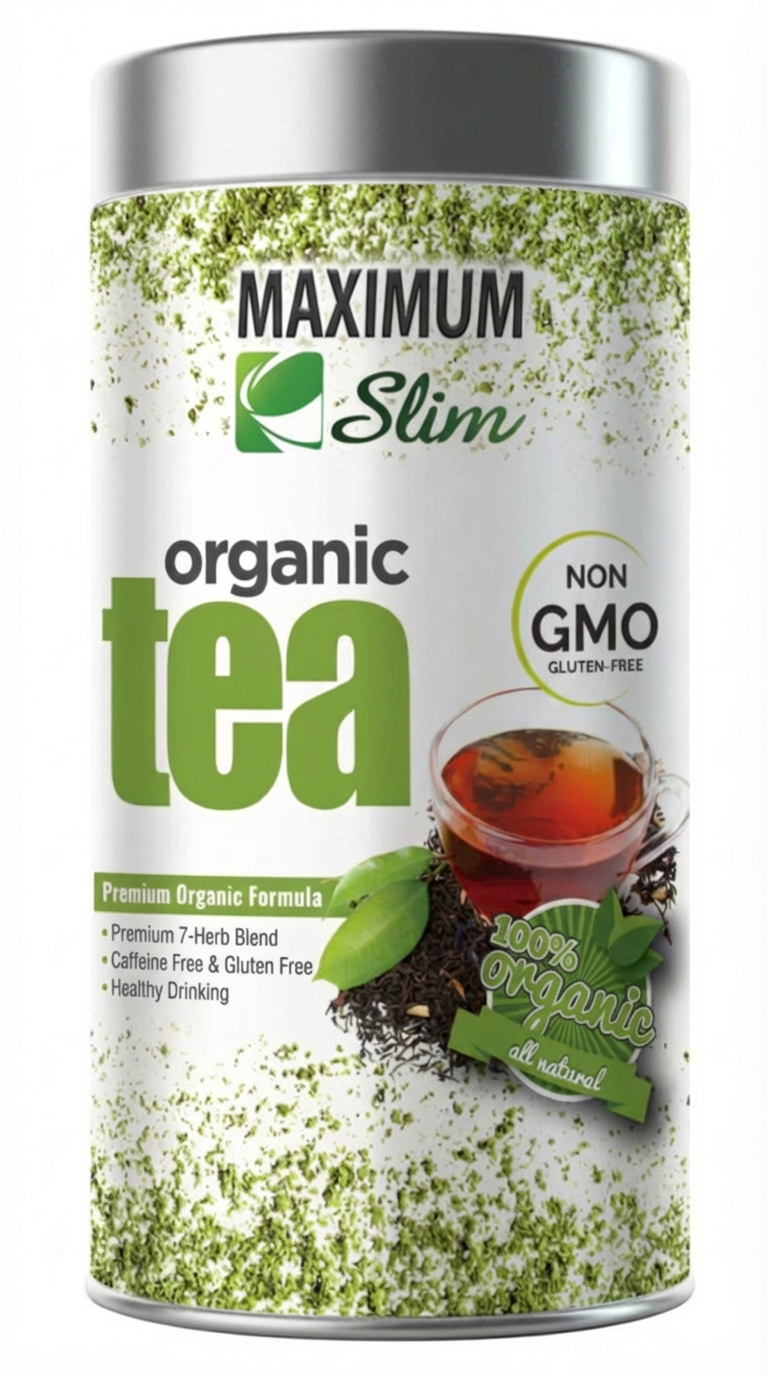
Featured Product
Maximum Slim Organic Tea | 7-Herb Blend with Matcha & Rooibos
Refresh your daily routine with Maximum Slim Organic Tea, a carefully crafted 7-herb blend featuring matcha and rooibos. Rich in natural antioxidants, it supports overall wellness while offering a smooth, balanced taste for everyday enjoyment.
Shop Now →What Truly Defines Organic Black Tea
The word organic gets used so often that it can start to sound vague. In tea, it shouldn’t. Organic black tea means the leaves were grown and processed under standards designed to limit synthetic chemicals and support more natural agricultural practices.
That matters because tea leaves are the product. You’re steeping the leaf itself, not peeling it or rinsing away the part you consume.
Black tea already holds a major place in the global tea world. It accounts for over 70% of all tea consumed worldwide, and it represents 90% of tea sold in the U.S., according to this history of black tea from Weavers Coffee. That makes organic black tea more than a niche option. It’s a cleaner version of one of the world’s most familiar drinks.
Organic means more than what’s missing
Many consumers first understand organic through absence. No synthetic pesticides. No synthetic herbicides. No synthetic fertilizers. That’s important, but it’s only half the picture.
A better way to think about organic tea is to compare two gardens.
One behaves like a factory. The goal is output, and the soil is treated mainly as a delivery system. The other behaves like a living system. Soil health matters. Plant balance matters. Natural cycles matter. The tea garden is managed as an ecosystem, not just a crop machine.
That second picture is much closer to the organic ideal.

What you’re really buying
When you choose organic black tea, you’re often choosing several things at once:
- Cleaner agricultural inputs so your daily drink aligns with a cleaner-eating philosophy.
- Healthier soil practices that can support stronger, more resilient plants.
- A simpler ingredient story that matches the clean-label mindset many shoppers want.
- More trust in the label when a product clearly states its certification and sourcing.
If you’ve ever wanted a plain-language explanation of what certified organic means, that resource gives a useful general overview of the standards behind the label.
Why clean-label consumers care
Clean-label shoppers usually aren’t chasing perfection. They’re trying to reduce unnecessary additives, mystery ingredients, and overly processed products. Organic black tea fits naturally into that way of thinking because the ingredient list can be refreshingly short: tea leaves.
That simplicity matters. If your goal is better focus, more stable energy, and a sustainable daily routine, starting with a minimally complicated beverage makes sense. You’re not relying on artificial flavors, sweeteners, or an oversized ingredient panel to create the experience.
Practical rule: If your tea routine is supposed to support wellness, the label should feel easy to understand.
Black tea and the role of processing
Organic refers to how the tea is grown. Black tea refers to how the leaf is processed.
Historically, black tea originated in China during the late Ming Dynasty, when prolonged oxidation created a darker, bolder tea style, as described in the Weavers Coffee history linked above. That process gives black tea its familiar depth, color, and briskness.
So when you see “organic black tea,” you’re looking at two separate ideas working together:
| Term | What it tells you |
|---|---|
| Organic | How the tea was cultivated and certified |
| Black tea | How the leaves were oxidized and finished |
That distinction clears up a common confusion. Organic doesn’t automatically mean lighter, milder, or less caffeinated. It means the tea was produced according to organic standards. Black tea still keeps its naturally bold profile.
Unlocking Benefits for Metabolism and Weight Management
The appeal of organic black tea goes beyond taste and farming practices. Its real strength is that it combines mental lift with compounds that support broader wellness goals.

If your goals include better focus, steadier energy, or support for healthy weight management habits, black tea has a compelling profile. According to Healthline’s review of black tea benefits, black tea contains 40 to 70 mg of caffeine per cup and 15 to 30 mg of L-theanine per cup. That pairing can improve alertness and executive function without the cortisol spikes associated with coffee. The same review also notes that 3+ cups daily correlate with a 10 to 20% drop in stroke risk, and that black tea polyphenols such as theaflavins and thearubigins have been shown in studies to help lower serum cholesterol and fasting glucose in research settings, as outlined by Healthline’s black tea benefits overview.
Why the energy feels different
Caffeine gets most of the attention, but it’s not the whole story.
Black tea also contains L-theanine, an amino acid associated with a calmer type of alertness. In practical terms, that means many people describe black tea as helping them feel awake and mentally organized, not just stimulated.
That distinction matters for workdays and training days alike. If you need to read, write, solve problems, or stay socially present in meetings, a smoother type of alertness can be more useful than raw intensity.
The simplest way to understand this is:
- Caffeine helps you feel more awake.
- L-theanine can make that alertness feel more settled.
- The combination often creates a more usable kind of focus.
Some readers are trying to reduce dependence on coffee for exactly this reason. If that’s you, this guide on how to boost metabolism also fits well with the broader habit side of the conversation, since metabolism support works best when your beverage choices line up with your food, movement, and sleep routines.
The compounds that make black tea black
The reason black tea tastes different from green tea is also part of why it behaves differently in the body. During oxidation, the leaf’s natural compounds shift into a different polyphenol profile.
Two names matter most:
- Theaflavins
- Thearubigins
These are strongly associated with black tea’s color, taste, and functional qualities. They’re also part of why black tea is often discussed in relation to cardiovascular and metabolic health.
What metabolism support actually means
People often hear “supports metabolism” and picture a dramatic, stand-alone effect. That’s not how a nutritionist would frame it.
A more honest view is this. Organic black tea can support a metabolism-friendly lifestyle because it may help with:
- Energy for activity, which makes movement easier to sustain
- Focus and appetite awareness, which can help you make steadier decisions
- A satisfying ritual, which may reduce reliance on sweet drinks
- Polyphenol intake, which contributes to the broader health value of the drink
Black tea works best as a supporting habit, not as a shortcut.
Clinical mindset: Use black tea to strengthen good routines, not to replace them.
That means it pairs well with balanced meals, strength training, walking, sleep consistency, and hydration. The tea doesn’t do the whole job. It helps make the rest of the job easier to stick with.
Weight management without extremes
For many adults, one of the hardest parts of weight management is emotional and mental fatigue. You get tired, your concentration drops, and convenience starts to win. That’s when pastries, snack runs, or a second high-calorie coffee drink often appear.
A plain cup of organic black tea can interrupt that pattern.
It gives you flavor, warmth, and stimulation without turning your afternoon into a dessert. If you drink it unsweetened or lightly customized, it can become a low-friction replacement for habits that work against your goals.
A practical use looks like this:
| Situation | Common choice | Smarter swap |
|---|---|---|
| Afternoon slump | Sugary iced drink | Iced organic black tea |
| Morning routine | Extra-large sweet coffee | Hot organic black tea with breakfast |
| Pre-workout lull | Energy drink | Strong brewed black tea |
That’s not glamorous, but it’s powerful. Weight management often improves through repeatable swaps, not heroic effort.
A short visual explainer can help if you want a quick overview of how black tea fits into wellness habits:
The clean-label advantage in this context
Organic black tea also has a lifestyle advantage that doesn’t always get enough attention. It’s easy to keep simple.
You can drink it plain. You can add lemon. You can add a splash of milk. You can make it iced. In each form, it stays close to the leaf itself.
That’s part of what makes it useful for wellness-minded adults. The beverage doesn’t need a long list of extras to do its job. It can support energy, focus, and consistency while fitting neatly into a clean-label way of eating.
How to Choose High-Quality Organic Tea
Standing in front of a tea shelf can be surprisingly confusing. Packages all promise flavor, purity, or heritage, but the details that matter most are often small or buried.
A better approach is to shop like you’re reading clues.
Start with the label
First, confirm that the tea is labeled organic and that the packaging is specific about the certification. Brands that take sourcing seriously usually make this easy to find.
Then look at the ingredient list. For a plain organic black tea, the cleanest version is often exactly what you’d hope for: black tea. If it’s a blend, the added ingredients should still be easy to recognize.
After that, check for origin. Tea from a named region often gives you more information about expected flavor than marketing language ever will.
Loose leaf or tea bags
This choice matters, but not in a snobbish way.
Loose leaf tea often gives you a fuller experience. The leaves are usually larger, which can help with flavor clarity and aroma. It also gives you more control over strength.
Tea bags win on convenience. If a tea bag helps you build a consistent daily habit, that’s still a strong choice.
A simple comparison:
| Format | Best for | Tradeoff |
|---|---|---|
| Loose leaf | Flavor, aroma, flexibility | Requires an infuser or strainer |
| Tea bags | Speed, portability, office use | Can be less nuanced in taste |
Learn the flavor map by region
Tea names can sound abstract until you connect them to taste.
Assam teas are often fuller and maltier. If you like a bold breakfast cup, this is a good place to start.
Darjeeling is usually lighter and more aromatic. Some drinkers find it more delicate and layered.
Ceylon teas often offer brightness and briskness. They can feel lively and clean in the cup.
Kenyan black teas are often known for strength and body, especially in blends.
You don’t need to memorize this. Just use it as a tasting guide.
If a tea disappoints you once, don’t assume black tea isn’t for you. You may simply have picked the wrong region for your palate.
Why oxidation affects quality and flavor
A lot of shoppers focus only on where tea comes from. How it’s processed matters too.
According to Harney’s explanation of black tea production, withering, rolling, and oxidation transform catechins into theaflavins, which contribute brisk, golden brews, and thearubigins, which create darker, mellower, more malty tastes. Harney also notes that slow oxidation can maximize thearubigins, which are prominent in Assam or Sri Lankan styles and contribute to certain antioxidant properties, as described in Harney’s black tea overview.
That helps explain why two organic black teas can both be excellent but taste very different.
A smart shopping checklist
When you’re deciding between options, keep it practical:
- Verify certification: Make sure “organic” is clear, not implied.
- Read the ingredient panel: Simpler is usually better.
- Check origin details: Region can tell you a lot about flavor.
- Match the tea to your use: Strong morning cup, afternoon focus, or iced tea base.
- Notice packaging quality: Tea should be protected from light, moisture, and excess air.
Some people get stuck trying to buy the “best” tea on the first try. A better goal is to buy one high-quality organic black tea that fits your routine and one that fits your taste. If those happen to be the same tea, even better.
Your Guide to Brewing the Perfect Cup
A good tea can taste flat, bitter, or dull if it’s brewed poorly. The upside is that black tea is forgiving once you understand a few basics.
The goal is simple. Extract flavor and beneficial compounds without pushing the cup into harshness.
The core method
Start with fresh water. Water that’s been sitting in the kettle too long can make tea taste lifeless.
For black tea, a hot brew is usually best with water near boiling. One verified guide notes steeping black tea for 3 to 5 minutes at 95°C for a strong, balanced result, and the same source also notes that black tea commonly contains 40 to 70 mg of caffeine per cup. That gives us a useful brewing and caffeine benchmark for practical use, based on the verified data drawn from Healthline and Harney.
If you’re new to loose leaf, this walkthrough on how to brew loose leaf tea is a helpful companion because it breaks down the basics in a beginner-friendly way.
What changes the cup most
Three factors matter more than anything else:
-
Water temperature
Black tea generally likes hotter water than delicate teas. Cooler water can under-extract it. -
Steep time
Too short, and the tea tastes weak. Too long, and tannins can take over. -
Leaf amount
More leaf doesn’t always mean better tea. It can mean stronger, but also rougher if the steep is long.
Brew for balance first. You can always make the next cup stronger, but it’s hard to rescue one that’s already bitter.
A practical caffeine comparison
The exact caffeine in a cup varies by leaf, brand, and brewing style. Still, it helps to see black tea in context.
| Beverage | Average Caffeine (mg) |
|---|---|
| Organic black tea | 40 to 70 |
| Coffee | Higher than black tea, varies by brew |
| Herbal tea | Caffeine-free unless blended with tea leaves |
That black tea range is grounded in the verified Healthline data above. For coffee and herbal tea, the most accurate approach here is qualitative, since no additional verified numbers were provided.
Two easy ways to use it daily
Not every cup has to be formal.
For iced tea:
Brew the tea a bit stronger than usual, let it cool, then pour it over ice. Add lemon if you want brightness. This is one of the simplest ways to replace a sweet bottled drink.
For a tea latte:
Steep the tea hot and strong, then top with warmed unsweetened plant milk. Cinnamon or vanilla can add richness without turning the drink into dessert.
If you keep getting bitterness
Usually one of three things is happening:
- Your water is too hot for too long
- You’re using too much tea
- You’re steeping past the sweet spot
Try changing just one variable at a time. Don’t adjust everything at once or you won’t know what fixed it.
Build a repeatable ritual
The best brewing method is the one you’ll repeat on busy mornings.
Some people love measuring loose leaf and timing every infusion. Others need a tea bag and a travel mug. Both can work. Consistency matters more than performance.
A strong tea habit doesn’t have to look fancy. It just has to be pleasant enough that you come back to it tomorrow.
Integrating Tea into Your Daily Wellness Routine
The easiest wellness habits are the ones that slide into places where you already make decisions. Organic black tea works especially well because it can replace a less helpful choice without asking you to redesign your day.

Morning focus without the heavy start
If coffee sometimes feels too intense first thing, black tea can be a smoother opening move. Pair it with protein, fiber, and a satisfying breakfast so the stimulation lands on something steady.
If you need breakfast ideas that support energy instead of a quick crash, this guide to a healthy breakfast for energy fits well with a tea-based morning routine.
The afternoon reset
For many adults, black tea shines.
A warm mug in the early afternoon can act like a reset button. It gives your brain a clear transition point without the heaviness of a snack-driven slump or the intensity of another large coffee.
Try pairing it with:
- A short walk after lunch to wake up your body
- A protein-rich snack if you’re hungry
- Five quiet minutes away from your screen while the tea steeps
That combination often does more than the beverage alone.
Before movement or training
Some people enjoy organic black tea before a walk, gym session, or yoga class. It can feel lighter than pre-workout drinks and simpler than grabbing a convenience beverage on the way out the door.
You don’t need to overcomplicate this. A cup before movement can become a cue. When the tea is done, it’s time to move.
Small routines are powerful because they reduce decision fatigue. Tea can become the hinge between one part of your day and the next.
Evening note of caution
Black tea is generally not the ideal late-night drink. If you’re sensitive to caffeine, keep it earlier and switch to a non-caffeinated option later in the day.
That kind of self-awareness is part of a good wellness routine. The healthiest habits aren’t rigid. They’re responsive.
Make the habit fit your real life
You don’t need a perfect kitchen, a beautiful teapot, or a slow morning to benefit from organic black tea.
You need a setup that works when life is busy:
| Time of day | Simple use |
|---|---|
| Morning | Replace or reduce coffee |
| Mid-afternoon | Use as a focus reset |
| Before exercise | Drink as a light pre-movement ritual |
| With meals | Enjoy when it complements your routine and tolerance |
Organic black tea works best when it becomes ordinary. That’s a compliment. Ordinary habits are the ones that shape your energy, appetite, and consistency over time.
Navigating Potential Side Effects and Sensitivities
Black tea is widely enjoyed, but “natural” doesn’t mean consequence-free. It still contains caffeine, it still has a distinct biochemical profile, and it still deserves mindful use.
That’s especially important because black tea has become such a global standard. According to Good Tea Place, black tea’s worldwide rise was heavily shaped by British influence in the 19th century, and today it’s described as the second-most consumed beverage after water. The same source connects its bold flavor and higher caffeine content to the need for thoughtful intake, especially for people using it for focus and weight management support, as explained in Good Tea Place’s history of black tea.
Who may need to be more careful
You may want to monitor your response more closely if you:
- Are caffeine sensitive
- Feel anxious with stimulants
- Have trouble sleeping
- Notice stomach discomfort from strong drinks
A lot of side effects come down to timing and dose. The same cup that feels helpful at breakfast may feel disruptive late in the evening.
Two common issues
The first is caffeine overstimulation. If black tea makes you feel restless, reduce the serving strength, shorten the steep time, or keep it to earlier hours.
The second is tannin-related discomfort. Some people notice stomach irritation when they drink black tea on an empty stomach. Others are advised to avoid taking tannin-rich beverages with meals if iron absorption is a concern.
Neither issue means you have to avoid black tea completely. It means you should use it intelligently.
If tea improves your day but disrupts your sleep, the tea isn’t the problem. The timing is.
Keep it balanced
A few sensible habits solve most problems:
- Start with one cup and notice how you feel.
- Avoid very late intake if sleep quality matters to you.
- Drink it between meals if you’re concerned about iron absorption.
- Talk with your clinician if you take medications or manage a medical condition.
If coffee tends to aggravate your stomach, you may also find this article on a coffee alternative for acid reflux useful as you compare how different caffeinated drinks affect you.
Frequently Asked Questions About Organic Black Tea
Does organic black tea taste different from conventional black tea
Sometimes yes, but not in a simple, guaranteed way. Taste depends on origin, processing, freshness, and brewing. Organic tea may appeal to some people because it aligns with a cleaner ingredient philosophy, but flavor differences are often more about the specific tea than the farming label alone.
What does decaffeinated organic black tea mean
It means the tea was grown according to organic standards and then had most of its caffeine removed. The exact decaffeination method matters, so it’s worth reading brand details if that’s important to you.
Is there a current supply issue with Ceylon black tea
Yes, that’s been a real concern. According to Herbal Connection, Sri Lanka’s tea production has faced disruptions from climate change and economic instability, reducing yields by up to 20% in recent harvests. The same source notes growing interest in alternatives from Assam or Kenya for similar polyphenol-rich profiles, which makes resilient sourcing more important for consistent availability, as discussed by Herbal Connection’s overview of the Ceylon black tea shortage.
How many cups should I drink
Your best amount depends on your caffeine tolerance, schedule, and goals. If you’re new to black tea, start modestly and pay attention to energy, digestion, and sleep. More isn’t always better.
If you’re ready to build a cleaner daily routine around energy, focus, metabolism, and simple nutrition habits, Maximum Health Products offers science-backed wellness formulas designed for real life. Their range includes teas, protein, vitamins, and functional nutrition built around a clean-label standard, so you can create a routine that feels supportive, practical, and easy to maintain.

