


A major systematic review found that many randomized controlled trials on nutritional and herbal approaches to anxiety showed a positive direction of evidence. That supports a practical point clinicians see often. Natural remedies can help, but the best results usually come from matching the right tool to the right mechanism, not from chasing a single cure.
Anxiety is a whole-body pattern. The HPA axis can stay stuck in a stress loop. The autonomic nervous system can remain keyed up. Poor sleep can lower stress tolerance the next day. Blood sugar swings, gut symptoms, inflammation, and nutrient gaps can all raise the background level of internal alarm. A useful plan addresses several of those inputs at once.
That is why this guide uses a whole-system approach. Breathing techniques act quickly through the autonomic nervous system. Magnesium can support muscle relaxation and nervous system regulation. L-theanine and certain teas may influence neurotransmitter activity without the same feel as a sedative. Exercise changes stress chemistry over time. Probiotics and omega-3s matter because the gut-brain axis and inflammatory signaling affect mood more than many people realize.
Natural does not automatically mean low-risk.
Some options are gentle enough to try tonight. Others need more care with dosing, timing, product quality, medication interactions, pregnancy, thyroid conditions, or liver concerns. In practice, the safest routine is usually layered. Start with low-risk foundations such as breathwork, movement, sleep, and basic nutrition support. Then consider targeted supplements or herbs with a clear reason, a realistic dose, and a plan to monitor how you respond. If you're also curious about scent-based support, these Aroma Warehouse essential oils insights add one more layer to a calming routine.
1. Deep Breathing and Box Breathing Techniques
Deep breathing is the fastest natural lever one can use when anxiety spikes. It works through the autonomic nervous system. Slow, controlled breathing helps shift you away from sympathetic overdrive, the fight-or-flight state, and toward parasympathetic tone, where heart rate, muscle tension, and mental urgency start to settle.
Box breathing is simple enough to use in a parking lot before a meeting, in the bathroom before a presentation, or in bed when your thoughts start racing. Inhale for a count of four, hold for four, exhale for four, hold for four, then repeat. If the breath hold feels too activating, use a softer version with a longer exhale.
Why it works biologically
Your breath is one of the few direct ways to signal safety to the brain and body at the same time. When you slow respiration and lengthen exhalation, you reduce the sense of internal alarm. People who feel “wired but tired” often notice that breathing work helps more than they expected because it targets the HPA axis stress loop in real time.
Here's a practical progression I use often with clients:
- Start small: Do two minutes, not twenty. Consistency matters more than ambition.
- Pair it with a cue: Attach it to coffee brewing, parking your car, or logging off work.
- Use it before the wave rises: Breathing is more effective as prevention than as rescue.
Before trying a guided version, watch this quick demonstration:
Practical rule: If a breathing pattern makes you feel air hungry, dizzy, or more panicky, simplify it. Slow nasal breathing with a gentle exhale is usually better than forcing strict counts.
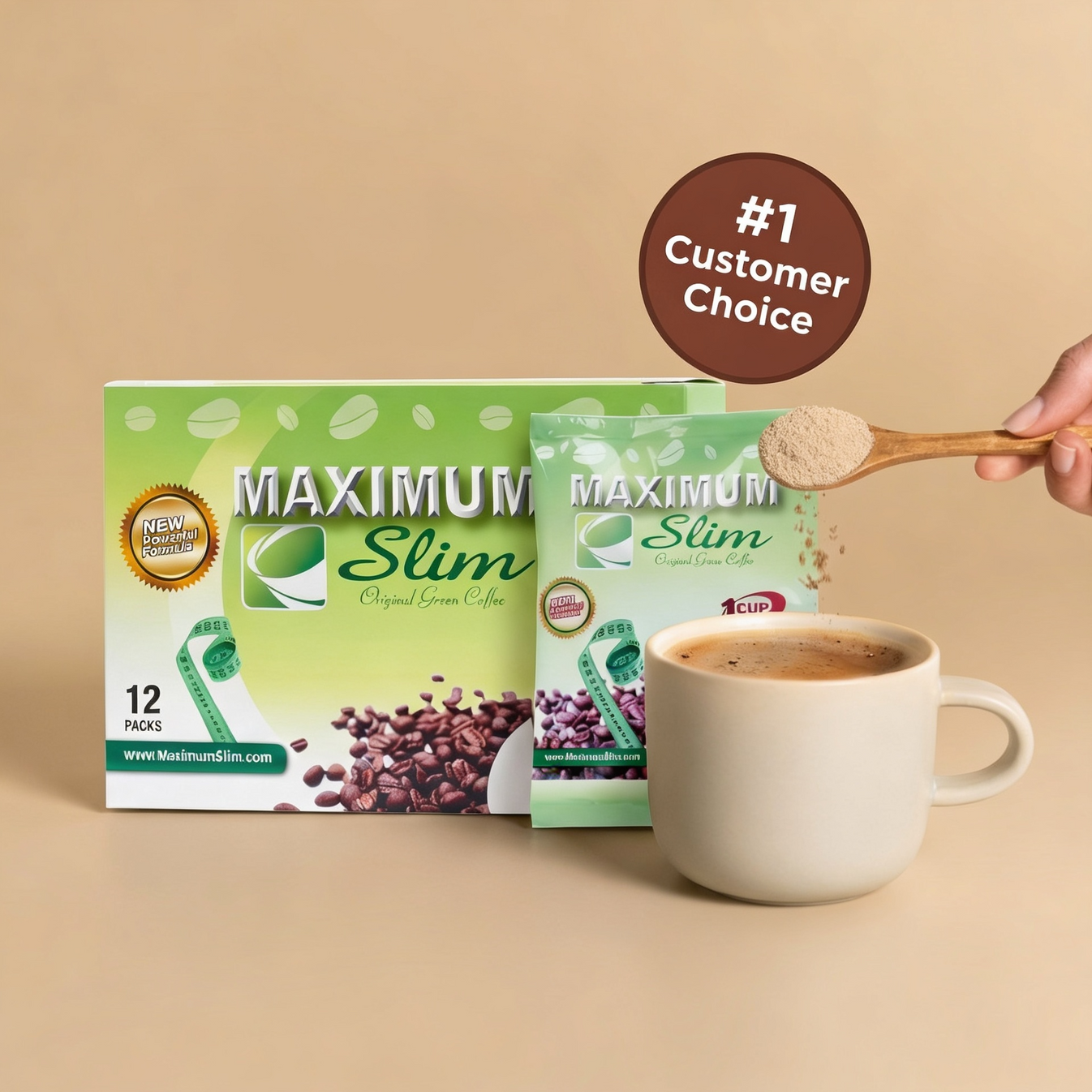
Featured Product
Maximum Slim Original Green Coffee | Premium Unroasted Arabica Blend (12 Ct)
Discover a delicious daily coffee crafted to complement your wellness routine. Enjoy one cup a day as part of a balanced lifestyle.
Shop Now →2. Green Tea, L-Theanine, and Herbal Teas
Tea is one of the most underrated anxiety natural remedies because it combines chemistry, ritual, and nervous system pacing. Green tea and matcha contain L-theanine, an amino acid associated with calm focus. Herbal teas take a different route, often leaning on GABA-related or relaxation-supportive plant compounds.
Chamomile gets the most common questions, and that's reasonable. Mayo Clinic notes that chamomile has limited but supportive data, with short-term use likely safe and potentially effective. GoodRx also highlights a review in which 9 out of 10 studies found chamomile helpful for anxiety, while noting that evidence for natural options overall still varies (GoodRx summary of natural anxiety remedies).

Best use cases
Green tea or matcha works best for people whose anxiety shows up as scattered focus, mental overactivation, or caffeine sensitivity. Herbal teas are better for evening tension, restlessness, and the kind of anxiety that blends into poor sleep.
A few smart ways to use them:
- For calm focus: Use green tea or matcha in the morning instead of a large coffee.
- For evening decompression: Try chamomile, passionflower, or valerian tea after dinner.
- For ritual support: Sit down while drinking it. Don't turn it into another rushed wellness task.
If you like matcha but worry about stimulation, this guide on matcha caffeine vs coffee helps you compare the experience more realistically.
Tea works partly because the chemistry matters, and partly because the ritual interrupts the pace that keeps anxiety going.
3. Regular Physical Exercise and Movement
If someone asks me for the most reliable non-supplement intervention, exercise is near the top. It helps with anxious energy, sleep quality, stress hormone regulation, and mood stability. It also gives the body an exit path for the activation that anxiety creates.
Mechanistically, movement supports endorphin release, improves stress tolerance, and often lowers the physical tension that makes anxiety feel bigger than it is. It also changes how many people interpret body sensations. A racing heart during a brisk walk can become less scary than a racing heart while sitting still and catastrophizing.
What works in real life
You do not need an extreme program. People often get better results from repeatable movement than from intense plans they abandon after one week.
Good starting options include:
- Brisk walking: Ideal for people who feel frozen, overwhelmed, or out of shape.
- Strength training: Useful when anxiety comes with restlessness and poor body confidence.
- Yoga or mobility sessions: Helpful when anxiety lives in the neck, jaw, chest, and hips.
- Short movement snacks: Five to ten minutes between work blocks can reset tension buildup.
I've seen busy professionals do best when they stop asking, “What's the perfect workout?” and start asking, “What movement can I repeat even on a bad day?” For some, that's a morning walk. For others, it's ten squats, a stretch sequence, and one lap around the block after lunch.
The common mistake
Many anxious people use exercise as punishment. That backfires. If your workouts leave you more depleted, underfed, and overstimulated, they can amplify the same stress circuitry you're trying to calm. Moderate, consistent movement usually beats all-or-nothing intensity.
4. Magnesium Supplementation
Magnesium is one of the first supplements people think of for anxiety, and for good reason. It plays a central role in nervous system regulation, muscle relaxation, and sleep support. From a mechanism standpoint, magnesium helps buffer excitatory signaling and supports a steadier response to stress.
This is especially useful when anxiety feels physical. Tight shoulders, jaw clenching, headaches, constipation, poor sleep, and a sense that your body never fully lets go can all point toward magnesium being worth a trial.
How to choose it wisely
The form matters more than most labels admit. Magnesium glycinate is often the most practical option for anxiety-prone people because it's usually gentler on digestion and pairs well with evening use. Magnesium citrate can work, but it's more likely to loosen stools. Magnesium oxide is common on shelves but often isn't the first choice for a calming protocol.
A practical quality checklist:
- Check the form: Look specifically for glycinate if your goal is calm and sleep support.
- Start low: A lower amount helps you assess tolerance before increasing.
- Take it at night: Evening use fits best when anxiety and sleep issues overlap.
Some people expect magnesium to feel dramatic. It usually isn't. The better sign is that your baseline feels less tight, your sleep is smoother, and your body doesn't stay braced all evening.
One caution matters here. Magnesium can interact with certain medications by affecting absorption timing, so spacing it away from prescriptions is often smart. If you have kidney disease, don't self-prescribe.
5. Adaptogenic Herbs Like Ashwagandha, Rhodiola, and Holy Basil
Chronic stress changes biology. It can keep the HPA axis firing, disturb cortisol rhythm, and leave people feeling tired, wired, or both. That is the main reason adaptogens can fit into an anxiety plan. Their best use is for stress-pattern support over time, not fast relief in the middle of a panic spike.
Mechanism matters here. Ashwagandha is usually the better fit when anxiety shows up with poor sleep, tension, and stress depletion. Rhodiola tends to fit the person who feels mentally flat, physically drained, but still needs sharper daytime stamina. Holy basil is often the gentlest starting point for people who want broader stress support without as much risk of feeling too sedated or too stimulated.
I usually tell patients to match the herb to the pattern, not to the trend.
How to choose and dose them practically
Quality and dosing change the experience more than marketing does. A standardized extract is usually more predictable than a loose powder with no active-compound disclosure.
A practical checklist:
- Start with one herb only: If you react poorly, you need to know what caused it.
- Use a standardized product: The label should name the extract and standardization, not just the plant name.
- Trial it long enough to judge fairly: Two or three days is rarely enough for stress-response herbs.
- Track specific outcomes: Sleep onset, morning energy, muscle tension, irritability, digestion, and stress tolerance are more useful than asking, “Do I feel less anxious?”
Typical ranges used in practice vary by extract, but these are reasonable starting frameworks for adults:
- Ashwagandha: often 300 to 600 mg daily of a standardized root extract
- Rhodiola: often 100 to 200 mg earlier in the day, especially for people who are sensitive to stimulation
- Holy basil: product strengths vary widely, so follow the extract-specific label and start at the low end
Trade-offs are real. Ashwagandha can feel too sedating for some people. Rhodiola can feel too activating, especially in people with panic, insomnia, or a strong caffeine response. Holy basil is often better tolerated, but some people find it subtler and slower to notice.
Safety comes first
This category deserves more caution than social media usually gives it. Kava may help some people with anxiety, but the National Center for Complementary and Integrative Health also warns that it has been linked to severe liver injury. The same resource notes that evidence for chamomile and lavender is still limited, so “natural” does not automatically mean well proven or low risk (NCCIH guidance on anxiety and complementary approaches).
Use extra care if you take antidepressants, anti-anxiety medication, sleep medication, thyroid medication, or anything that affects blood pressure or blood sugar. Pregnancy, breastfeeding, liver disease, autoimmune conditions, and bipolar-spectrum symptoms also change the risk calculation.
If a herb makes you feel more agitated, flatter, groggier, or mentally “off,” stop and reassess. The right adaptogen should improve your baseline stress handling. It should not make your nervous system harder to read.
6. Mindfulness Meditation and Body Scan Practice
Meditation helps anxiety by changing your relationship to internal signals. It doesn't erase thoughts. It lowers reactivity to them. That distinction matters. People often quit mindfulness because they assume a busy mind means they're failing, when in reality they're finally noticing the speed they've been living at.
A body scan is especially useful for anxiety because it reconnects you with sensation instead of story. You move attention slowly through the body and observe tension, pressure, heat, numbness, or restlessness without trying to fix everything at once. That interrupts the loop where a physical sensation triggers a catastrophic interpretation.

What to do if sitting still makes you more anxious
That's common. Not everyone should start with a silent twenty-minute practice. Guided meditation, walking meditation, or a short body scan before bed often works better.
Try this sequence:
- Set a short window: Five minutes is enough to begin.
- Use guidance: Apps or audio tracks give the mind a track to follow.
- Anchor in the body: Focus on feet, hands, jaw, and breath first.
One reason meditation apps continue to gain traction is that app-based anxiety support has become a mainstream digital behavior. Grand View Research estimates the global mental health apps market at USD 7.48 billion in 2024, with projections to reach USD 17.52 billion by 2030, and it notes that depression and anxiety management held a 28.7% revenue share in 2024 (Grand View Research mental health apps market report). Downloads alone don't matter much. Adherence does.
7. Quality Sleep Optimization and Sleep Hygiene
Poor sleep doesn't just accompany anxiety. It often drives it. When sleep fragments, the brain becomes more threat-sensitive, less emotionally flexible, and less able to put stress in proportion. If your anxiety is worst after a short night, that's not weakness. That's physiology.
From a mechanism standpoint, sleep is where the nervous system recalibrates. It affects cortisol rhythm, blood sugar stability, and emotional processing. That's why sleep hygiene sounds basic but often produces outsized results.
Non-negotiables that actually help
Most sleep advice fails because it's too vague. Keep this practical.
- Use a stable schedule: Wake time matters even more than bedtime for many people.
- Dim the environment early: Light exposure tells the brain whether to stay alert.
- Protect the last hour: Scrolling, work email, and conflict-heavy conversations all keep the system activated.
- Reduce stimulants late in the day: This matters even if you think caffeine “doesn't affect” you.

If you want a more detailed reset plan, this article on how to improve sleep quality gives a solid daily framework.
Protecting sleep is often more powerful than adding another supplement. Many people try to medicate around a lifestyle pattern that keeps the nervous system on edge.
A practical example: the person who drinks coffee late, exercises hard at night, scrolls in bed, and wakes at 3 a.m. anxious may not need a stronger calming herb first. They may need a cleaner evening routine.
8. Probiotics and Gut Health Support
The gut-brain axis is not a wellness buzzword. It's a real communication network involving the vagus nerve, immune signaling, neurotransmitter production, and stress responsiveness. When gut health is off, anxiety often becomes more reactive. Bloating, constipation, loose stools, and food reactivity can all keep the nervous system in a more defensive state.
This doesn't mean probiotics are magic. It means digestion, inflammation, and anxiety frequently overlap. In practice, people with both gut symptoms and anxious symptoms often improve more when they support both systems together instead of treating them as separate problems.
A realistic gut-support plan
I prefer a food-first foundation with supplements used strategically. Fermented foods can help some people, but they can also bother those with histamine sensitivity or highly reactive digestion. A good probiotic may help, but strain quality and personal tolerance matter.
Focus on these levers:
- Add prebiotic foods carefully: Garlic, onions, oats, legumes, and slightly green bananas can support beneficial microbes.
- Include fermented foods if tolerated: Yogurt, kefir, sauerkraut, or kimchi can be useful in small amounts.
- Watch processed food overload: Heavily refined diets often worsen both gut and mood stability.
- Support digestion broadly: Hydration, meal regularity, and chewing matter more than people think.
For a practical overview of supportive options, this guide to the best supplements for digestive health is a useful next step.
One real-world pattern I see often is the client whose “anxiety attack” starts with abdominal discomfort, then spirals because the body already feels unsafe. In those cases, gut support can reduce one of the triggers that keeps the loop alive.
9. Omega-3 Fatty Acids
Omega-3s support brain function, membrane integrity, and inflammatory balance. That makes them a strong foundational tool when anxiety sits alongside low mood, poor stress resilience, or a generally inflamed lifestyle pattern. They're not a rapid-calming remedy, but they can support a steadier baseline over time.
This is one of the cleaner “support the terrain” interventions. If your diet is low in fatty fish and high in ultra-processed foods, omega-3 support often makes sense within a broader plan.
How to use them well
The biggest mistakes are buying low-quality oil, taking it inconsistently, or expecting it to feel like a sedative. Think of omega-3s as structural support, not a rescue tool.
A sensible checklist:
- Look for third-party testing: Purity and oxidation matter.
- Take it with meals: This improves tolerance for many people.
- Be patient: Benefits are often gradual and easier to notice in hindsight.
- Consider algae-based options: Useful if you avoid fish products.
One practical example is the person with anxiety, dry skin, poor recovery from workouts, and a low-seafood diet. Omega-3s may not solve everything, but they can be part of reducing the background physiological stress load.
When they fit best
I'm most likely to prioritize omega-3s when anxiety is not the only issue. If someone also has inflammatory eating habits, low mood, poor concentration, or inconsistent recovery, this category earns a higher place in the stack.
10. Cognitive Behavioral Therapy and Journaling Practices
Not every effective anxiety remedy comes in a bottle or a tea mug. Cognitive behavioral therapy, or CBT, is one of the most practical ways to reduce anxiety because it directly addresses the thought patterns that keep the nervous system activated. Journaling is the home version of that work. It slows down mental momentum and gives you something observable to challenge.
Anxiety thrives on speed and vagueness. Journaling forces specificity. Instead of “Everything is going wrong,” you write the actual thought, the trigger, the body sensation, and the alternative interpretation. That alone can reduce rumination.
A simple structure that works
You don't need poetic journaling. You need useful journaling. Try this format:
- Trigger: What happened just before the anxiety rose?
- Automatic thought: What did your mind say?
- Body response: What did you feel physically?
- Reality check: What evidence supports or weakens the thought?
- Next action: What would a grounded response look like?
CBT demonstrates its power here. It doesn't ask you to pretend everything is fine. It asks you to examine whether your first interpretation is accurate, helpful, or distorted.
Another strong option for structured care is working with a therapist. If you're looking for more individualized help, this resource on tailored anxiety support in Kelowna shows what guided support can look like in practice.
Digital and immersive therapy options
Technology can support this work too. A recent NIH-hosted review reports that virtual reality exposure therapy is “as efficacious” as in-vivo exposure for anxiety disorders, with one meta-analysis finding it as effective as in-vivo exposure for social anxiety at follow-up and showing very large effects versus waitlist controls (NIH review of virtual reality exposure therapy for anxiety). That matters because some people need more than self-help tools. They need structured exposure and skills training in formats they'll use.
10-Point Comparison of Natural Anxiety Remedies
| Method | Complexity 🔄 | Resources & Cost ⚡ | Expected Outcomes ⭐📊 | Ideal Use Cases | Key Advantages 💡 |
|---|---|---|---|---|---|
| Deep Breathing & Box Breathing | Low, easy to learn; needs practice | Minimal, free, no equipment | Immediate short-term anxiety reduction (minutes); small long-term gains with regular use | Acute stress, pre-performance, quick workplace breaks | Fast, safe, portable, evidence-backed |
| Green Tea, L‑Theanine & Herbal Teas | Low, simple preparation; consistent intake | Low, affordable tea or supplements; brewing time | Subtle calm-focus in 30–60 min; cumulative sleep/anxiety benefits over weeks | Daily focus support, evening ritual, mild anxiety | Pleasant ritual, dual calm+focus, clinically studied components |
| Regular Physical Exercise & Movement | Moderate, routine and motivation required | Low–Moderate, time; minimal equipment or gym access | Immediate mood boost; significant anxiety reduction over weeks | Long-term anxiety management; comorbid health improvement | Broad health benefits, sustainable, strong evidence base |
| Magnesium Supplementation | Low, simple dosing; choose form | Low, affordable supplements; quality matters | Moderate anxiety and sleep improvement in 2–4 weeks | Sleep-related anxiety; suspected deficiency | Clinically validated, multiple formulations, low side effects |
| Adaptogenic Herbs (Ashwagandha, Rhodiola, Holy Basil) | Moderate, select extracts and doses; consistency needed | Moderate, supplement cost; quality varies | Noticeable stress reduction in 4–8 weeks | Chronic stress, fatigue-with-anxiety, energy/focus balance | Multi-mechanism stress support; non‑sedating |
| Mindfulness Meditation & Body Scan | Moderate, daily practice and learning curve | Minimal, time; optional apps or classes | Reduced reactivity and rumination; neuroplastic changes in 4–8 weeks | Rumination, emotional regulation, long-term resilience | Evidence-based, free options, improves focus and emotion regulation |
| Quality Sleep Optimization & Hygiene | Moderate, behavioral and environmental changes | Low, mainly habit changes; occasional purchases (curtains, white noise) | Marked anxiety reduction within 1–2 weeks; broader health gains | Insomnia-related anxiety, shift work (with adaptation) | Addresses root causes; relatively rapid benefits |
| Probiotics & Gut Health Support | Moderate, strain selection and diet adjustments | Moderate, ongoing supplement and food cost | Anxiety reduction over 4–8 weeks; response varies by microbiome | IBS comorbidity, chronic inflammation, gut‑related mood issues | Targets gut-brain root causes; multi-system benefits |
| Omega‑3 Fatty Acids (Fish Oil / Algae) | Low, straightforward supplementation | Moderate, cost for therapeutic doses; quality testing advised | Moderate anxiety reduction over 6–12 weeks | Neuroinflammation, chronic mood support, cognitive health | Cardio/brain benefits, safe adjunct to other interventions |
| CBT & Journaling Practices | High, structured skill-building; guided practice ideal | Moderate–High, therapist cost or paid programs; self‑help resources available | High effectiveness with durable results in 8–12 weeks | Clinical anxiety disorders, persistent maladaptive thinking | Gold-standard treatment; lasting cognitive restructuring |
Building Your Personal Anxiety Toolkit
The most effective anxiety natural remedies usually work in layers. Fast tools calm the acute wave. Foundational tools lower your overall reactivity. Targeted supplements fill in the gaps when your symptoms point to a specific system, like sleep disruption, muscle tension, stress overload, or digestive imbalance.
If you're not sure where to begin, keep it simple. Start with one body-based intervention and one foundational habit. For many people, that means daily breathing practice plus sleep cleanup. If anxiety also comes with poor focus, tea-based support may fit naturally. If it comes with tension and restless sleep, magnesium may deserve a trial. If stress has been relentless for months, an adaptogen might help, but only after you look at sleep, food, and nervous system load.
The strongest plans are observable. Don't guess whether something is helping. Track a few signals for two weeks: sleep quality, morning tension, digestive comfort, afternoon crash, ability to focus, and how quickly you recover after a stressful trigger. That tells you much more than asking, “Do I feel less anxious?” in a vague way.
It also helps to be honest about what doesn't work well. People often jump from supplement to supplement while still sleeping poorly, overusing caffeine, skipping meals, and staying glued to screens late at night. In that situation, even good remedies can feel disappointing. Natural support works best when the body is given a fair chance to respond.
Safety matters just as much as efficacy. Herbal products can vary by brand and quality. Some interact with medications. Some aren't a good fit if you have liver problems, kidney issues, pregnancy, or a history of severe panic. If your anxiety is intense, persistent, or starts interfering with relationships, work, driving, eating, or sleep, bring in professional care. Natural approaches can be powerful, but they're not a replacement for a full evaluation when symptoms are severe.
The goal isn't to build a complicated wellness routine. It's to create a personal toolkit you can sustain. Choose the few remedies that match your pattern. Use them consistently. Adjust based on real feedback from your body. That's how calm becomes more than a temporary feeling. It becomes a repeatable state.
Maximum Health Products makes it easier to build a clean, practical wellness routine with science-backed nutrition and daily support at Maximum Health Products. If you want help with calm, focus, energy, metabolism, or sleep-friendly habits, their collection of teas, supplements, functional blends, and wellness guides gives you simple options that fit real life.

