


If you've read a few supplement pages, you'd think reishi can do almost everything. Better immunity. Better sleep. Better mood. Better blood sugar. Better aging. That kind of advice sounds appealing, but it skips the hard question a skeptical reader should ask. Which benefits of reishi mushroom are supported in people, and which ones are mostly tradition or marketing?
The honest answer is more modest and more useful. Reishi has a long history of use, and some modern research is promising. But authoritative sources also stress that many broad claims come from animal and cell research, not strong human trials, and that there isn't a compelling reason to expect one mushroom to deliver every effect often advertised, as summarized by WebMD's review of reishi mushroom health claims. That doesn't make reishi worthless. It means you should think about it the way a nutritionist would. As a supportive tool, not a miracle.
Some people are interested in reishi from a health perspective. Others are curious about the mushroom itself, how it's grown, and how it's used in practice. If you want that side of the story too, it's worth taking a look at explore Reishi projects, which gives helpful context beyond the usual supplement hype.
The Truth About the Mushroom of Immortality
Reishi is often called the mushroom of immortality. That's a beautiful traditional name, but it's also where confusion starts. Traditional reverence and clinical proof aren't the same thing.
A lot of the online conversation collapses those two ideas into one. Someone hears that reishi has been respected for centuries, then assumes modern science must have confirmed all the old claims. It hasn't. Some areas look plausible. A few have early human support. Many others still need better evidence.
What the hype gets wrong
The biggest mistake is the word boost. Marketers love to say reishi "boosts" immunity, energy, resilience, and longevity all at once. Biology doesn't usually work like that. Most useful compounds act in narrower, context-dependent ways.
Reishi makes more sense as a targeted support mushroom than as a cure-all.
That's the frame to keep in mind throughout this article. If you use reishi, use it for specific reasons and realistic expectations.
What deserves a fair look
Among the benefits of reishi mushroom, the most credible area is immune modulation. There is also some human research around metabolic health, and clinical summaries note study interest in mild antidiabetic effects, dyslipidemia, anxiety, and lower urinary tract symptoms. But the strength of evidence differs a lot from one claim to another.
That matters because a mushroom can be interesting without being magical. In nutrition, that's often the sweet spot. You don't need a product to do everything. You need to know what it might help with, what it probably won't do, and whether it's safe for you.
What Makes Reishi Work Its Magic
Reishi isn't one active ingredient. It's a whole package of compounds. That's part of why the conversation gets messy. People ask, "What does reishi do?" when the better question is, "Which compounds in reishi seem to affect which systems?"
According to a review summarized by Healthline's overview of reishi compounds and dosing, reishi contains over 400 bioactive compounds, including beta-glucans and triterpenoids, and human clinical doses are commonly based on a range of 1.5 to 9 grams per day of dried mushroom.

Featured Product
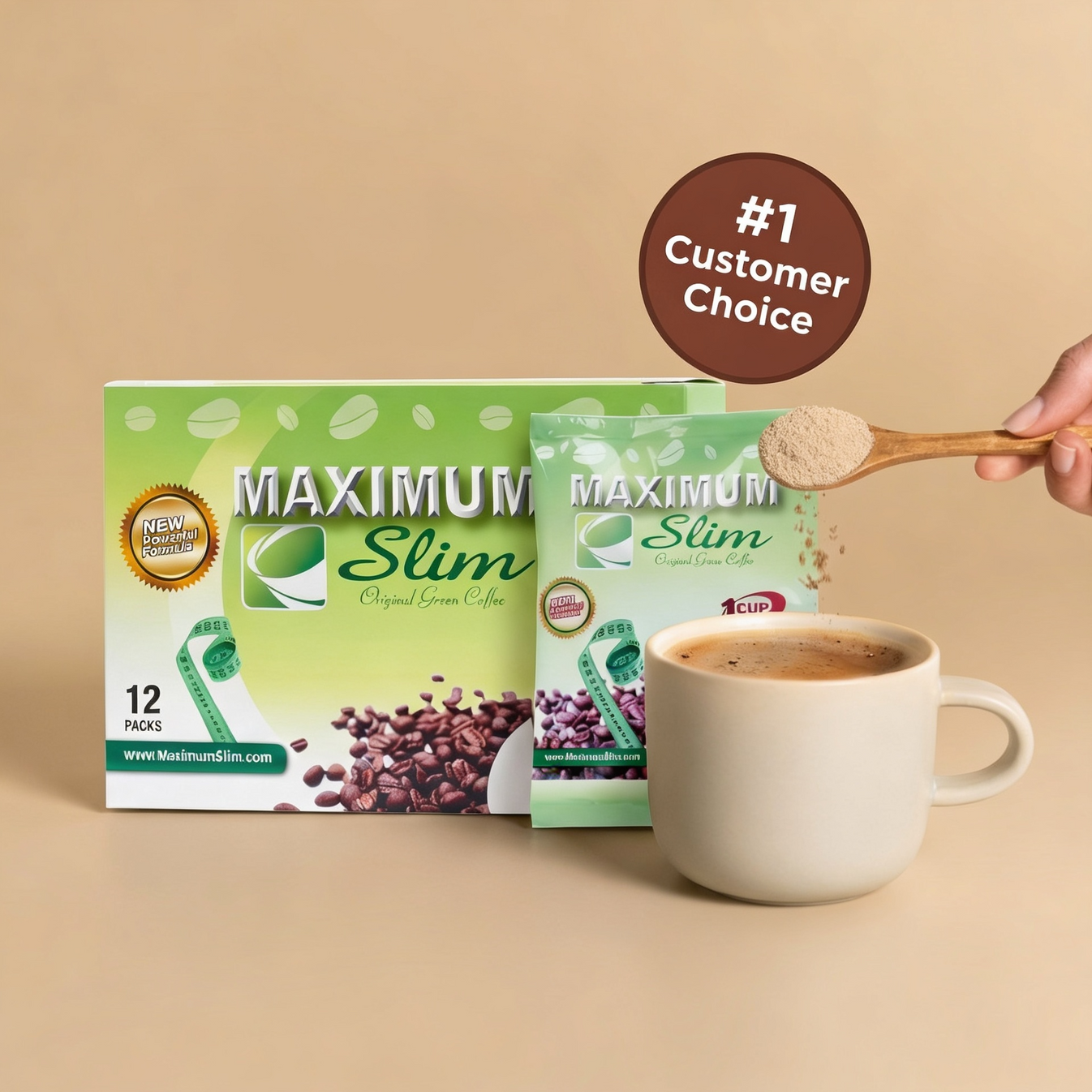
Maximum Slim Original Green Coffee | Premium Unroasted Arabica Blend (12 Ct)
Discover a delicious daily coffee crafted to complement your wellness routine. Enjoy one cup a day as part of a balanced lifestyle.
Shop Now →Beta-glucans and triterpenoids in plain English
Think of reishi less like a hammer and more like a sound engineer at a mixing board.
A hammer only has one move. It hits harder. A sound engineer adjusts levels up or down depending on what the room needs. That's closer to how people describe immunomodulation and adaptogenic effects. Reishi doesn't appear to floor the gas pedal. It seems to interact with signaling pathways that help the body regulate responses.
Beta-glucans are polysaccharides often discussed in connection with immune signaling. They don't act like caffeine or a stimulant. They're more like messengers that may influence how immune cells communicate.
Triterpenoids are another major group in reishi. These are often linked with its bitter taste and are commonly discussed in relation to calming, antioxidant, and anti-inflammatory activity in preclinical research.
Why this doesn't automatically prove every benefit
Here's where readers often get tripped up. A compound can look impressive in a lab and still fail to produce a meaningful effect in daily life.
That's especially true with mushrooms. Extraction method, dose, product quality, and the population being studied all matter. A standardized extract used in a clinical setting isn't the same thing as sprinkling a small amount of mushroom powder into coffee and assuming you'll get the same result.
A practical way to think about the benefits of reishi mushroom is this:
- Traditional use tells you where to look
- Mechanisms tell you why a benefit might be plausible
- Human studies tell you whether it matters in people
Practical rule: The more specific the claim, the more carefully you should check what kind of evidence supports it.
Reishi for Immune System Balance
If I had to choose one area where reishi deserves the most serious discussion, it would be immunity. But even here, the right word is balance, not blind stimulation.
Why immunomodulation matters
When people say they want to "boost" their immune system, they usually mean they want immune defenses to work well. But a healthy immune system isn't just stronger. It's regulated. It responds when needed and calms down when the job is done.
That's why immunomodulation is a better concept than immune boosting. It suggests adjustment, not constant activation. Reishi is often described this way because its compounds appear to influence both innate and adaptive immune signaling.
What human studies actually suggest
The most evidence-backed benefit of reishi is immunomodulation. The clinical picture is still limited, but small studies in cancer populations have reported improved immune response, higher plasma antioxidant capacity, and better subjective symptom scores such as fatigue and appetite, based on The ASCO Post summary of reishi research in oncology settings.
That finding is meaningful, but it needs careful interpretation. These studies don't show that reishi is a first-line cancer treatment. They also don't show that it prolongs survival. At most, they support the idea that reishi may play a supportive role in specific settings.
Evidence summary at a glance
| Health Area | Level of Human Evidence | Key Active Compounds |
|---|---|---|
| Immune system balance | Strongest among commonly discussed reishi uses, but still limited and population-specific | Beta-glucans, triterpenoids |
| Stress and sleep support | Mixed and more preliminary | Triterpenoids and broader compound mix |
| Metabolic support | Some human evidence in specific outcomes | Standardized extract compounds |
That table is intentionally cautious. Many readers want a simple yes or no answer. Science often gives a layered answer instead.
For foundational lifestyle support, reishi shouldn't distract from basics like sleep, protein intake, movement, and micronutrients. If you're also looking at nutrients with clearer mainstream relevance to immune resilience, this guide on vitamin D and C for immune support is a useful companion.
A mushroom can support the immune system without replacing standard care, vaccines, or medical treatment.
A realistic client-style takeaway
If a healthy adult asks me whether reishi will stop them from getting sick, I can't promise that. If a person asks whether reishi has plausible immune-regulating activity and some limited human support, especially in certain clinical populations, the answer is yes.
That's a big difference. One claim is hype. The other is evidence-aware.
Calming Stress and Improving Sleep Quality
A lot of people don't start reishi for immunity. They start it because they feel wired, overstimulated, or tired but unable to fully relax. That's understandable. Reishi's traditional reputation leans heavily toward calm and restoration.

What people usually mean by a calming effect
Reishi isn't typically used like a sedative. Individuals aren't taking it expecting a knockout effect. They're looking for something subtler. Less internal friction. Fewer stress spikes. A smoother transition into rest.
That distinction matters because expectations shape whether a supplement feels "effective." If you expect a sleeping pill, reishi may disappoint you. If you expect a gradual wind-down support, its reputation makes more sense.
Clinical summaries have noted study interest in anxiety reduction, but evidence for stress and sleep remains less established than immunity. Traditional use is strong here. Human confirmation is still mixed.
What to expect in practice
Some users describe reishi as helping the body stop acting like it's on constant alert. That's an understandable way to talk about an adaptogen, even if the science isn't complete enough to turn that into a sweeping promise.
A practical way to test it is to pair it with behaviors that already support sleep:
- Use it consistently rather than taking it once and expecting a dramatic result
- Take it later in the day if you're using it for wind-down support
- Track the basics like evening caffeine, light exposure, and stress load so you don't credit reishi for changes caused by other habits
If sleep is your main goal, you'll likely get more from combining a calming routine with evidence-based sleep hygiene than from relying on any one mushroom. This primer on how to improve sleep quality naturally is worth reading alongside any supplement plan.
A short explainer can help put the sleep conversation in perspective:
The skeptical view is the right view
If someone tells you reishi definitively treats insomnia, that's too strong. If they tell you it has a long traditional history as a calming mushroom and some modern interest around anxiety and restorative support, that's much more reasonable.
That's how I suggest thinking about this category of benefits of reishi mushroom. Promising for some people. Not guaranteed. Best used as one part of a broader routine.
Supporting Cardiovascular and Metabolic Health
The conversation gets more concrete. Instead of vague claims about vitality, we can point to a specific human outcome.
A clinical summary from the National Center for Biotechnology Information notes that in a study of 71 people with type 2 diabetes, a reishi extract called Ganopoly taken at a total daily dose of 5,400 mg for 3 months led to a reduction in HbA1c compared with placebo, according to the NCBI clinical review of Ganoderma lucidum.
Why HbA1c matters
HbA1c is one of the more useful markers in blood sugar management because it reflects average glucose over roughly 2 to 3 months, not just a single day's reading. That's important. It means the study wasn't just capturing a short-lived dip after one dose.
This is one of the better examples of why specific evidence matters. "Supports blood sugar" is a marketing phrase. "Reduced HbA1c in a human trial under a defined dose over a defined time period" is a much more meaningful statement.
How far should you take that finding
Not too far.
One study doesn't make reishi a stand-alone metabolic treatment. It does suggest that reishi may have mild antidiabetic effects in some contexts, which lines up with broader clinical summaries that also mention study interest in dyslipidemia improvement.
If you're thinking broadly about supplement decision-making for circulation, lipids, and overall heart-related concerns, this article on Exploring supplements for heart concerns offers a practical framework for comparing options without assuming every "heart health" product does the same job.
A grounded interpretation
Here's the balanced read:
- Supported: There is human evidence that reishi may influence blood sugar markers in a specific population under a specific dosing protocol.
- Plausible but less settled: Lipid-related support and broader metabolic benefits.
- Not supported strongly enough: Treating diabetes or cardiovascular disease on its own.
If you're using reishi in a metabolic health plan, think adjunct, not replacement.
For someone managing blood sugar, the priorities still start with medical care, food quality, movement, sleep, and body composition. Reishi may fit into that picture. It shouldn't become the picture.
How to Choose and Use Reishi Supplements
The reishi category is full of powders, capsules, teas, and tinctures. They can all look similar on the front label. They aren't similar once you turn the package around.

Start with the form that fits your routine
A supplement only helps if you'll use it.
Capsules are easiest for people who want convenience and consistent serving sizes. If you're busy and don't want to taste the mushroom, this is usually the simplest route.
Powders work well if you already make smoothies, lattes, or evening drinks. They can be flexible, but they also make underdosing easy if you eyeball portions.
Teas appeal to people who want the ritual. Reishi has a bitter, earthy profile, so tea is more about the experience than convenience.
Extracts or tinctures are often chosen by people looking for concentrated products. The details on extraction matter more than the format itself.
What label terms actually matter
Some supplement terms sound technical but are useful once decoded.
- Fruiting body refers to the mushroom itself. Many buyers prefer products that clearly state the mushroom source rather than relying on vague wording.
- Dual extraction usually means the product was processed in a way intended to capture different classes of compounds, including water-soluble and alcohol-soluble ones.
- Beta-glucan content can be a more informative label detail than flashy front-of-package wellness language.
- Filler-free formulas are usually preferable to products padded with unnecessary additives.
If you're comparing reishi with other healthy-aging products, this overview of science-backed longevity options is a good reminder that ingredient quality and mechanism matter more than trendiness.
How much should you take
Human clinical doses are often based on a range of 1.5 to 9 grams per day of dried mushroom, as noted earlier in the article. That doesn't mean every person should aim high. Product concentration and extract standardization change the math.
Use this simple decision framework:
- Check the label form. Is it whole mushroom powder or a standardized extract?
- Match the product to the goal. Capsules for simplicity, tea for routine, extract for concentration.
- Follow the manufacturer's directions first unless your clinician suggests otherwise.
- Give it time. Reishi isn't usually taken for an immediate dramatic effect.
- Stop if side effects show up and review whether it makes sense for your health history.
For broader supplement quality guidance, this resource on science-backed wellness products can help you evaluate labels more critically.
The best reishi product isn't the one with the boldest claims. It's the one with the clearest labeling and the best fit for your actual routine.
Understanding Reishi Safety and Side Effects
This is the part too many reishi articles rush through. They spend pages on benefits, then hide the safety issues in two polite sentences at the bottom. That's backwards.
If you're considering the benefits of reishi mushroom, you also need to know who shouldn't take it, who needs medical guidance first, and what side effects are realistic.
Clinical sources summarized in the Merck Manual's reishi safety review warn that reishi should be avoided by people taking blood thinners such as warfarin, those with low blood pressure, certain bleeding disorders, and people who are pregnant or breastfeeding. The same review also notes that the claimed health benefits are not confirmed in high-quality human studies for universal use.

Who should be especially cautious
Natural doesn't mean universally safe. Reishi can be the wrong choice in some situations.
- If you take anticoagulants such as warfarin, don't assume a mushroom supplement is harmless.
- If you have low blood pressure, adding something that may lower it further deserves caution.
- If you have a bleeding disorder or surgery coming up, avoidance is the safer default.
- If you're pregnant or breastfeeding, this isn't a supplement to experiment with casually.
Those aren't minor caveats. They're practical screening questions.
Common side effects people may notice
Reishi is often marketed as gentle, but some users report nausea, stomach upset, diarrhea, and indigestion. Those side effects aren't dramatic, but they're common enough to matter in real-world use.
The risk-benefit equation changes quickly if you're taking a supplement for general wellness and it leaves you feeling worse than before.
My advice as an educator
If you're healthy, on no relevant medications, and interested in trying reishi for a specific reason, a cautious trial may be reasonable. If you have a medical condition, take prescription medication, or are trying to use reishi to address blood sugar, blood pressure, or another ongoing issue, bring it to your clinician first.
That's not me being overly conservative. That's the difference between responsible supplement use and guessing.
A good supplement plan starts with one question: "Is this appropriate for me?" Not "What does the internet say it can do?"
If you want clean-label wellness support built around practical daily goals like energy, metabolism, sleep, and overall nutrition, Maximum Health Products offers a science-backed range of supplements, functional drinks, and wellness resources designed to help you build a simpler routine with more confidence.

