


That afternoon crash can feel strangely personal. You slept enough, you ate something that seemed reasonable, and yet by 3 PM your brain is foggy, your patience is thin, and even simple tasks feel heavier than they should.
A lot of women respond the same way. Another coffee. A flashy “energy” gummy. A powder with a long ingredient list and vague promises. Sometimes that gives a short lift, but it often doesn't answer the underlying question. Why are you tired in the first place?
As a nutrition educator, I think that's the most useful way to approach the best energy supplements for women. Not as a hunt for the strongest stimulant, but as a process of matching the supplement to the problem. For one woman, that means checking iron. For another, it means correcting low vitamin D or magnesium. For someone else, it means using a performance-support supplement like creatine for training, mental demand, or both.
Sustainable energy usually comes from support, not disguise. Your body doesn't just need a louder signal to “wake up.” It needs the raw materials to make energy well and use it efficiently.
Tired of Feeling Tired? You Are Not Alone
Maybe your mornings are fine, but by mid-afternoon you feel like someone pulled the plug. Or maybe you wake up already tired, move through work on autopilot, and then wonder why you have nothing left for exercise, family, or even a decent dinner.
That pattern is common enough that many women turn to supplements before they try anything else. In CDC data from 2017 to 2018, 63.8% of women in the U.S. reported using dietary supplements, compared with 50.8% of men according to the CDC dietary supplement data brief. That tells me your interest in energy support isn't unusual. It's part of a very normal effort to feel better and function better.
But tiredness is rarely just “low motivation.” It can reflect poor sleep, low iron stores, inconsistent meals, high stress, recovery demands from exercise, or nutrient gaps that affect how your cells produce energy.
If mornings are rough even after a full night in bed, it helps to first rule out sleep quality issues. A practical place to start is SleepHabits' guide to restorative rest, which walks through common reasons people wake up unrefreshed.
The best energy plan starts with one honest question. Are you trying to create energy, or are you trying to cover up exhaustion?
That distinction changes everything. If your body is missing a key nutrient, a stimulant may make you feel more alert for a few hours while the underlying issue keeps dragging you down. The most useful supplement is the one that fits your biology, your symptoms, and your life stage.
Why Your Energy Needs Are Unique
Women don't experience energy in a vacuum. Hormones, menstrual losses, appetite changes, stress load, training demands, pregnancy, postpartum recovery, and the transition into perimenopause can all change how energetic you feel from week to week or year to year.
A simple way to think about it is this. Your body is like a car that doesn't always need the same kind of maintenance. Some days the issue is fuel. Some days it's low oil. Some days the engine runs fine, but the driver is asking too much from it.

Hormones and monthly shifts
Many women notice that energy isn't stable across the month. You may feel focused and capable one week, then flat, depleted, or more appetite-driven another week. That doesn't mean something is wrong. It means your body is responsive.
Hormonal shifts can affect sleep quality, cravings, training tolerance, mood, and perceived exertion. If you take the same “energy booster” every day expecting the same effect, you'll often be disappointed.
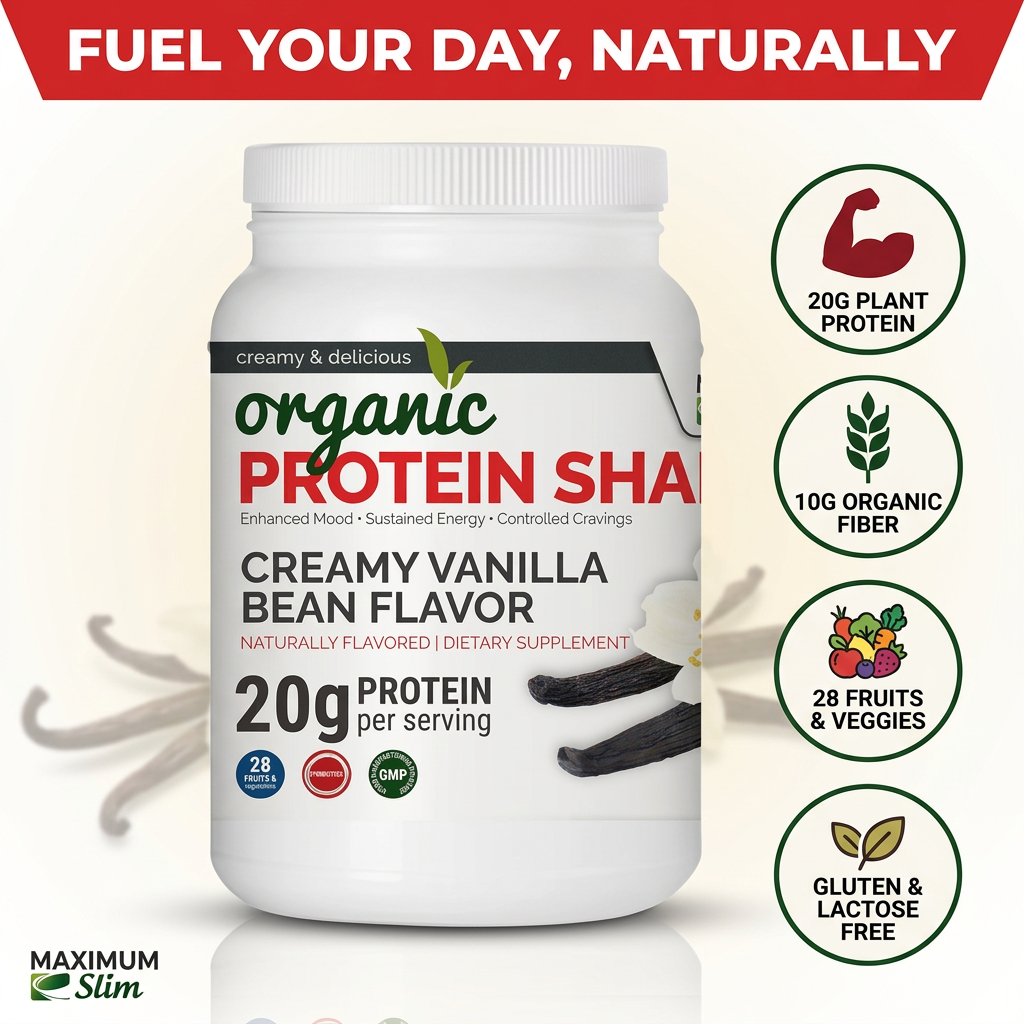
Featured Product
Organic Protein Shake - Maximum Slim | Nutrient Rich Drink for Muscle Recovery
This formula includes a blend of 28 fruits and vegetables and is made to fit a variety of dietary needs.
Shop Now →Iron needs are often different
One reason generic advice often misses women is that iron status matters more often than people realize. Menstruation alone changes the equation. If periods are heavy, if intake is low, or if you've had pregnancy-related demands in the past, fatigue can be tied to depleted iron stores rather than laziness or poor discipline.
That's why “best energy supplements for women” shouldn't mean “most stimulating.” It should mean “most appropriate for the likely bottleneck.”
Life stages change the goal
Your energy needs at 25 may look nothing like your needs at 45 or 65. Early adult years may involve hard training, busy workdays, and menstrual losses. Later years may involve shifts in muscle mass, appetite, nutrient intake, sleep, and recovery.
A few examples make this clearer:
- During menstruating years: fatigue may track with iron status, under-fueling, or sleep disruption.
- During pregnancy or postpartum: energy needs rise while recovery demands and nutrient use also rise.
- During perimenopause and beyond: sleep changes, muscle changes, and changing nutrient status can all shape energy.
Practical rule: Before buying an “energy” formula, ask what your body is actually asking for. More stimulation, better recovery, or correction of a shortfall?
Stress changes how energy feels
Some women aren't low on energy production at all. They're overspending energy all day. Mental load, caretaking, work pressure, hard workouts, and irregular meals can create a type of fatigue that feels like deficiency even when the problem is also lifestyle strain.
That's why the right supplement can help, but the wrong one can keep you stuck. If the issue is low intake, poor recovery, or a nutrient gap, the answer isn't always stronger caffeine. Sometimes it's enough protein, a better breakfast, or targeted nutrition support.
The Building Blocks of Natural Female Energy
The strongest evidence-backed options fall into two very different categories. First, deficiency correctors, which help when your body is running low on a needed nutrient. Second, performance enhancers, which can improve output even when you're not deficient.
Confusing these two categories is where many women waste money.
Deficiency correctors
If fatigue is driven by low nutrient status, replacing the missing nutrient can make a real difference. If that nutrient isn't low, the same product may do very little.
Iron is the clearest example. In women with nonanemic iron deficiency, iron supplementation produced a highly significant improvement in fatigue, with an overall reduction in fatigue complaints of more than 60% in a peer-reviewed review summarized at PMC on iron and fatigue. That's why iron often belongs near the top of the list of best energy supplements for women, but only when low iron is part of the problem.
B vitamins, magnesium, and vitamin D can also matter. The key point is conditional use. According to GoodRx's review of vitamins and supplements for energy, B-complex supplements can improve energy and reduce fatigue when B-vitamin levels are low, while people with normal levels generally shouldn't expect much benefit. The same review notes that magnesium and vitamin D can matter when deficiency is part of the picture.
Performance enhancers
Some supplements don't mainly fix deficiency. They support output, training, or mental effort more directly.
The standout here is creatine. A 2022 review noted growing evidence in women, including positive benefits for strength, hypertrophy, performance, and energetic and cognitive outcomes in this PMC review on creatine in women. That makes creatine useful for women who want more than a buzz. It supports the ability to perform, recover, and in some cases think more clearly under demand.
Caffeine also has a place, especially when alertness is the main goal. But caffeine is not nutrition. It can sharpen attention temporarily, yet it won't correct low iron, low vitamin D, or inadequate food intake.
Key Energy-Supporting Ingredients for Women
| Ingredient | Primary Function | Best For |
|---|---|---|
| Iron | Supports oxygen transport and helps address fatigue when iron stores are low | Women with confirmed or suspected low iron, especially with heavy periods or low intake |
| Vitamin B complex | Supports energy metabolism and nervous system function | Women with low B-vitamin status, restricted diets, or absorption concerns |
| Magnesium | Supports energy production, muscle function, and fatigue resilience | Women with low intake, muscle tension, poor recovery, or suspected low magnesium |
| Vitamin D | Supports muscle function and overall vitality when levels are low | Women with limited sun exposure or lab-confirmed low vitamin D |
| Creatine | Supports strength, power, training output, and some cognitive demands | Active women, women in training, or anyone wanting performance support rather than a stimulant |
| Caffeine or green coffee products | Increases alertness and short-term perceived energy | Women who need temporary focus support and tolerate stimulants well |
| Protein powders | Help stabilize meals and support recovery and satiety | Busy women who under-eat protein or need a practical breakfast option |
| Greens powders | Help fill dietary gaps in a convenient way | Women whose energy dips partly reflect inconsistent produce and micronutrient intake |
What women often get wrong
A common mistake is stacking several “energy” products at once. A pre-workout, a B-complex, a greens powder, and coffee can sound like a smart plan. But if your ferritin is low or your meals are too light, that stack still may not solve the underlying issue.
Another mistake is expecting immediate results from nutrients that work slowly. Correcting a shortfall often feels less dramatic than caffeine. It's also more meaningful.
If your fatigue improves after correcting a deficiency, that wasn't a hack. It was your body finally getting what it needed.
The best supplement isn't the most exciting one on the label. It's the one that fits the reason you're tired.
Building Your Daily Energy Ritual
A good supplement routine should feel calm and repeatable. If your plan requires perfect timing, six bottles, and constant caffeine, it probably won't last.
Start with the first half of the day
Morning is the easiest place to anchor energy support. Instead of asking, “What gives me a boost?” ask, “What helps me stay steady?”
A simple foundation often looks like this:
- Eat early enough so you're not starting the day under-fueled.
- Build breakfast around protein to support steadier energy and appetite control.
- Use stimulants intentionally rather than grazing on caffeine all day.
If breakfast is where you struggle, a realistic meal matters more than an ideal one you never make. For ideas that make this easier, this healthy breakfast for energy guide offers practical ways to build a morning meal that supports focus and stamina.
Match timing to the supplement
Different supplements work best in different contexts.
- Iron: usually makes the most sense when guided by labs or a clinician. It's often better tolerated and better absorbed when taken thoughtfully. Many women find it helps to avoid taking it alongside coffee.
- B vitamins: often fit best earlier in the day as part of a morning routine.
- Creatine: consistency matters more than a perfect clock time. Daily use tends to be more important than whether you take it pre- or post-workout.
- Caffeine or green coffee products: best used when you want alertness, not as a replacement for meals or sleep.
Build a stack around the result you want
Rather than taking everything at once, pair supplements with a specific goal.
For a demanding workday
- A protein-rich breakfast
- A moderate caffeine source if you tolerate it
- Hydration before reaching for a second stimulant
For training days
- Regular meals with enough carbohydrate and protein
- Creatine taken consistently
- Recovery nutrition after exercise instead of relying on pre-workout alone
For women who feel “drained but wired”
- Fewer stimulants later in the day
- More attention to meal timing, magnesium status, and sleep routine
- A check on whether stress is creating the fatigue pattern
The routine that works best is usually the least dramatic one. It supports energy all day instead of borrowing it from tomorrow.
A daily ritual should make your body feel easier to manage, not more complicated.
How to Choose a High-Quality Energy Supplement
The label on the front of a bottle is marketing. The ingredient panel is where the truth usually lives.
Many energy products are built to feel exciting, not to be useful. They rely on flashy names, proprietary blends, and a “more is better” message that pushes women toward stronger stimulation instead of smarter support.

Read for transparency
A high-quality supplement should tell you exactly what's in it and how much. If the product hides behind a proprietary blend, you can't tell whether it contains a meaningful amount of the ingredient you want or just a dusting for label appeal.
Look for a short list of recognizable ingredients and clear serving information.
- Named ingredients: You should be able to identify the active compounds.
- Clear amounts: A real formula shows dosages, not mystery blends.
- Simple excipients: Fewer unnecessary fillers is usually better.
Watch for the wrong kind of energy formula
Some products try to create a strong first impression with a heavy stimulant feel. That can create the illusion of effectiveness. In reality, it may just be a lot of caffeine plus sweeteners, flavoring, and extras you don't need.
A clean-label approach is vital. If you want a useful framework for evaluating wellness formulas, this science-backed wellness products guide is a strong starting point.
Here's a helpful visual checklist before you buy:
A quick quality checklist
Use this when comparing products on a shelf or online:
- Third-party testing: This adds confidence around purity and label accuracy.
- No artificial extras: Many women do better with products that avoid artificial colors, flavors, and unnecessary sweeteners.
- Appropriate fit: An iron supplement for low ferritin serves a different purpose than a green coffee formula for alertness.
- Brand transparency: You should be able to learn what the company values and how it formulates.
Cheap stimulation is easy to sell. Clean, targeted support is harder to formulate and usually more worth your attention.
If a supplement promises everything at once, energy, detox, metabolism, focus, fat burn, and hormone balance, it's usually trying to do too much. Better products solve a narrower problem well.
Find Your Energy Solution with Maximum Health
Knowing your goal makes shopping much easier. Most women don't need “an energy supplement.” They need the right type of support for the kind of fatigue they're having.

If your energy is flat all day
When energy feels generally low rather than sharply sleepy, the issue is often foundational. You may be under-eating, skipping breakfast, falling short on protein, or eating too little produce to support steady intake of key nutrients.
In that situation, product categories like clean protein shakes or super greens powders make more sense than a harsh stimulant. They help support the basics that many busy women miss during the week.
If your main problem is mental fog
Some women say, “I'm not sleepy. I just can't think clearly.” That's a different target.
For that pattern, focus-oriented products such as Alpha GPC + Citicoline or a moderate green coffee formula can fit better than broad “energy blends.” The goal isn't to feel revved up. It's to feel switched on.
If you want better workout energy
Exercise-related fatigue needs a separate lens. If you want better gym performance, stronger output, or more productive training sessions, support should center on fuel, hydration, recovery, and proven performance ingredients.
That's where creatine, a clean protein, or a carefully chosen pre-workout beverage type can be more helpful than a generic capsule labeled for women's vitality.
If your routine needs simplification
A lot of supplement fatigue comes from overcomplication. Too many women buy separate products for energy, greens, breakfast replacement, and focus, then stop using them because the routine becomes annoying.
A simpler way to think about it:
- For nutritional gaps: consider a greens-based option.
- For satiety and steady mornings: consider a clean protein.
- For alertness and focus: consider a green coffee or nootropic-style formula.
- For exercise output: consider a performance-oriented supplement such as creatine.
That problem-solution approach is the most useful way to choose among wellness products. You don't need the biggest stack. You need the smallest set of tools that solves the right problem.
Smart Supplement Use and When to See a Doctor
One of the most important truths in women's energy nutrition is also the least exciting. Supplements like B vitamins or iron usually help energy most when there's a deficiency to correct. If levels are normal, taking more is unlikely to help, as explained in this clinical discussion of vitamins for energy in women.
That means persistent fatigue deserves curiosity, not just another purchase.
When supplements may not be the answer
See a clinician if tiredness is ongoing, worsening, or out of proportion to your schedule. Also get checked if fatigue comes with shortness of breath, dizziness, heavy periods, palpitations, mood changes, sleep disruption, or major shifts in appetite or weight.
If you're using a caffeinated product, it also helps to know the downside profile. This guide to green coffee extract side effects can help you decide whether stimulant-based support fits your body.
Special cases need more care
Talk with your healthcare professional before starting supplements if you're pregnant, postpartum, managing a medical condition, or taking prescription medication. Iron, caffeine-containing products, and certain focus supplements aren't one-size-fits-all.
And if the fatigue comes with attention struggles, distractibility, or executive-function problems, fatigue may not be the whole story. In that case, a broader resource like this ADHD supplement guide can help you understand where supplements may fit and where proper evaluation matters more.
Persistent fatigue is a signal. Sometimes the right response is a supplement. Sometimes it's lab work, sleep care, or a medical conversation.
The best energy supplements for women can be helpful. They're just most helpful when used with precision.
If you want clean-label options for energy, focus, protein, greens, and daily wellness support, explore Maximum Health Products. Their formulas are built around targeted nutrition and simple routines, which makes it easier to choose support that matches your real needs instead of chasing another quick fix.

