


Water is often the best recovery drink for light or moderate exercise, while demanding sessions may call for a formula supplying carbohydrates and protein in a 3:1 to 4:1 ratio. After exercise, water, tea, coffee, sparkling water, and sports drinks can perform similarly for hydration, so the right choice depends on sweat loss, training stress, and how soon you'll exercise again.
The popular advice is simple: finish a workout, grab a branded recovery beverage, and assume the product will solve everything. That advice is convenient for sellers, but it's poor guidance. A drink can't compensate for inadequate food, insufficient fluids, or a recovery plan that doesn't match the session.
The better question isn't “Which recovery drink is best for everyone?” It's “What does this workout require me to replace?” Sometimes the answer is water and a normal meal. Sometimes it's a carbohydrate-protein drink with electrolytes that helps you refuel before the next training demand.
Do You Really Need a Recovery Drink
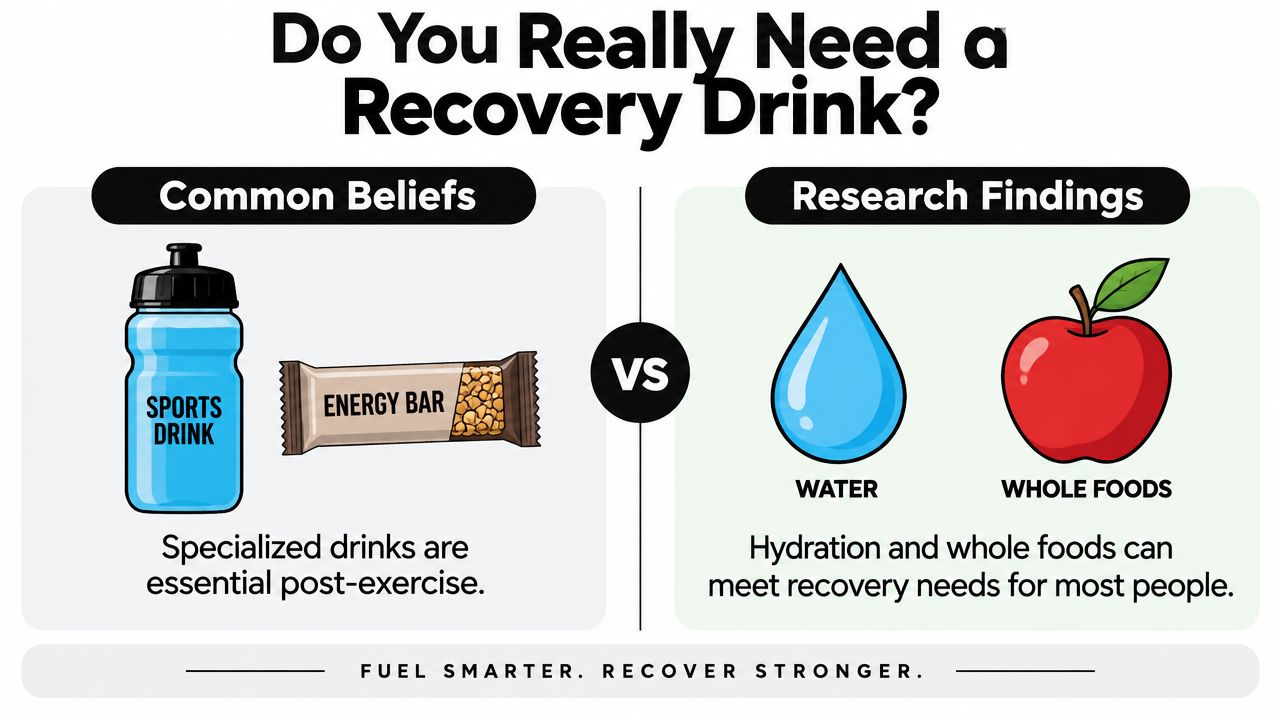
A specialized recovery drink is not the default answer after every workout. Hydration depends largely on how much fluid you consume, not on whether it comes from a branded sports beverage. Water, tea, coffee, cola, sparkling water, and sports drinks can produce similar hydration biomarker results, so the drink source alone does not justify a purchase.
That makes the decision practical. After a short gym session, easy run, or casual workout, drink water and eat a balanced meal when you can. Food can supply carbohydrate, protein, sodium, and energy without adding a specialized formula to your routine.
Match the drink to the problem
A recovery drink earns consideration when a workout creates a specific need that water and your next meal cannot address quickly.
- Fluid replacement: Choose water when exercise is brief and sweat loss is modest.
- Glycogen restoration: Prioritize carbohydrate after demanding endurance work or before another session soon afterward.
- Muscle repair: Use protein after strenuous resistance training when a meal is delayed or impractical.
- Electrolyte replacement: Consider sodium after heavy sweating, prolonged exercise, or training in hot conditions.
Carbohydrate does the main work of restoring glycogen. Protein supports muscle repair, yet adding it does not automatically improve glycogen resynthesis during every short recovery period. Build the drink around the demand rather than the product label.
Practical rule: Buy a recovery drink to solve a defined recovery problem, not because the label says “post-workout.”
When a formulated drink earns its place
A formulated drink makes sense after hard training, substantial sweating, low appetite, or a tight schedule that leaves no time for a normal meal. It can also provide portable nutrition when the next workout arrives before food can replace what the previous session used.
For busy professionals, convenience is often the strongest reason to use one. Keeping a ready-to-drink option in a work bag can make consistent carbohydrate or protein intake easier. That convenience does not make the beverage physiologically superior to ordinary food.
Use water for uncomplicated hydration and food for complete nourishment. Choose a formulated drink when speed, portability, sweat replacement, or tightly managed macronutrients solves a real problem. Otherwise, save the money and eat a proper meal.
The Science Behind Effective Recovery Formulas
A recovery drink earns its place through its macronutrient profile, not an impressive ingredient list. Carbohydrate plus protein is the foundation. A 3:1 to 4:1 carbohydrate-to-protein ratio supports glycogen restoration and muscle repair, as outlined in sports nutrition guidance on recovery drinks. That combination matters most after demanding training or when a full meal cannot happen soon.
For endurance athletes facing rapid glycogen replacement, guidance recommends about 1.2 grams of carbohydrate per kilogram of body weight immediately after exercise, followed by the same amount each hour for 4 to 6 hours. Another approach provides 0.8 grams of carbohydrate per kilogram per hour with 0.4 grams of amino acids or protein per kilogram per hour. These targets have little relevance after a short, easy session followed by a normal meal.
What belongs in the bottle
Judge the formula against the workout, not the marketing copy.
Does it provide enough carbohydrate? An endurance recovery drink needs a meaningful carbohydrate source, not a token amount for flavor. Carbohydrate drives glycogen replenishment, so a low-carbohydrate formula is a poor choice after prolonged or repeated endurance work.
Does it provide useful protein? A practical post-exercise target is 10 to 20 grams of protein, with 20 to 30 grams serving as an upper target for a single feeding. The commonly cited 20-minute post-exercise window should not distract from total daily intake and the availability of a proper meal. Use post-workout recovery nutrition guidance to compare a drink with ordinary food or a snack before choosing convenience.
Featured Product
Organic Protein Shake - Maximum Slim
is a delicious plant-based formula designed to support everyday nutrition and a balanced lifestyle. Each serving provides 20g of organic plant-based protein and 10g of organic fiber, making it a convenient option for smoothies, shakes, and meal replacement support.
Shop Now →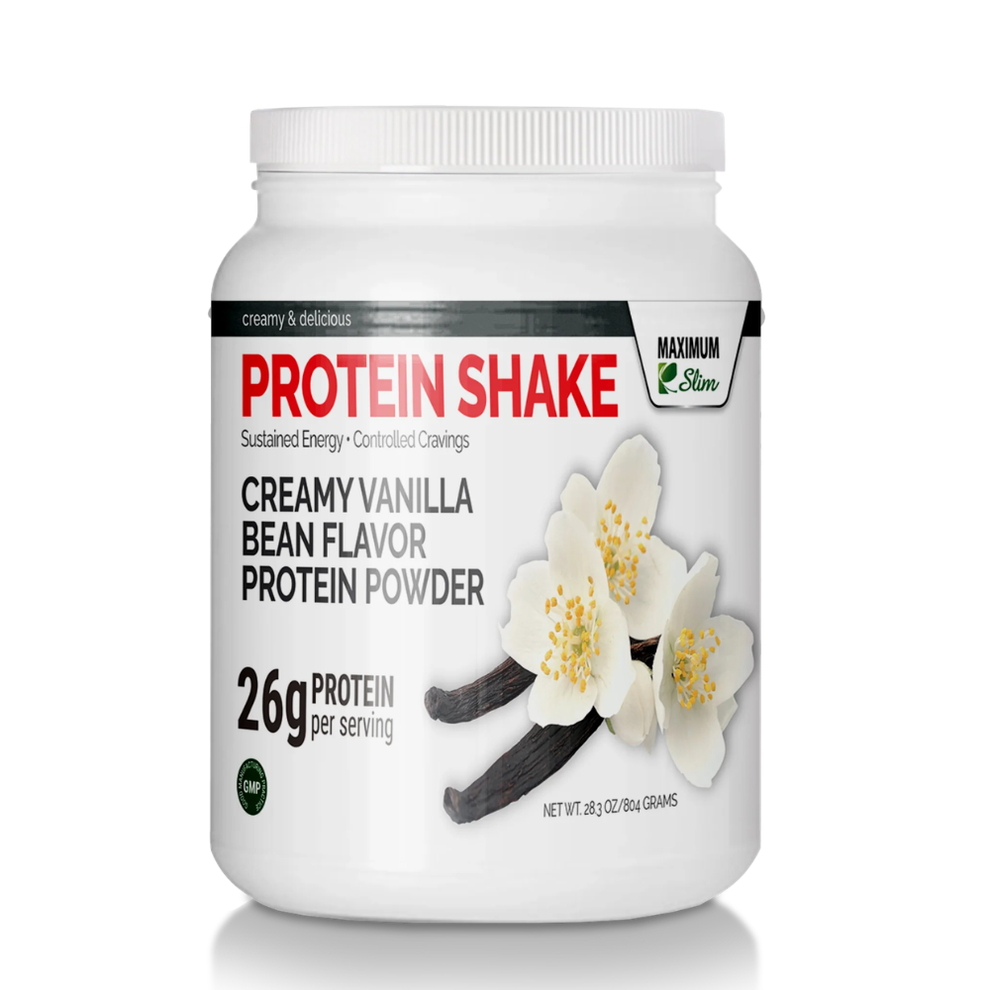
Does the fluid match the workout? A low-sodium protein shake will not replace substantial sweat losses. An electrolyte drink without protein will not support muscle repair. Match the bottle to what the session depleted.
Timing matters, but context matters more
An expert review recommends small, frequent doses during the first 1 to 2 hours, totaling about 1.2 grams of carbohydrate per kilogram and 0.4 grams of protein per kilogram. The review describes a crossover study in which chocolate milk matched that macronutrient pattern and was compared with a carbohydrate-electrolyte drink providing 0.76 grams of carbohydrate per kilogram, as reported in the Frontiers in Physiology review.
A drink is not mandatory within minutes of every workout. Recent evidence supports a simpler rule: if you ate recently and can have a balanced meal soon, water plus food is enough. If you trained hard while fasted, face another session shortly, or cannot eat promptly, a formulated drink provides a practical advantage through speed, portability, and controlled macronutrients.
Comparing Top Recovery Drink Types
The four main categories solve different problems. Electrolyte drinks address fluid balance, protein drinks address muscle repair, carbohydrate-heavy drinks address glycogen restoration, and adaptogen beverages target broader stress and wellness goals rather than direct replacement of exercise fuel.
| Drink Type | Primary Function | Ideal Use Case | Key Ingredients |
|---|---|---|---|
| Electrolyte-focused drink | Rehydration and sodium replacement | Heavy sweating, heat, prolonged endurance exercise | Sodium, other electrolytes, fluid |
| Protein-enriched drink | Muscle repair and convenient protein intake | Strength training, resistance exercise, missed meals | Complete protein or a complementary plant blend |
| Carbohydrate-dominant formula | Glycogen replenishment | Hard endurance sessions and short recovery periods | Fast-digesting carbohydrate, optional electrolytes |
| Adaptogen-enhanced beverage | General stress and wellness support | Everyday use outside direct refueling needs | Adaptogenic botanicals, optional caffeine or functional ingredients |
Electrolytes are not a substitute for fuel
An electrolyte drink is the logical choice when sweating is the central issue. It can help restore fluid and sodium without forcing you to consume a large protein serving after a session that didn't significantly challenge your muscles.
It's the wrong choice if you've just completed a glycogen-draining endurance workout and need carbohydrate quickly. It's also incomplete after demanding lifting if you've gone several hours without protein.
Protein drinks fit resistance training
A protein-enriched drink works best when muscle repair and convenience are the priorities. Look for a complete protein source or a plant combination that supplies a broad amino acid profile. A drink becomes especially practical when you're leaving the gym for work and won't have access to a protein-rich meal.
Use this guide to protein powder for recovery to evaluate protein options by training goal rather than by flavor or packaging.
Carbohydrate formulas have a narrower but important role
Carbohydrate-dominant drinks make sense when you need to restore glycogen rapidly. A controlled review found that combining protein with carbohydrate during recovery periods shorter than 24 hours produced a small measurable performance benefit of approximately 0.6% to 1.6%, as detailed in the controlled recovery-performance review.
Adaptogen drinks are different. They may suit someone looking for a routine beverage associated with stress management or general wellbeing, but they shouldn't replace carbohydrate, protein, or electrolytes when those nutrients are the actual recovery requirement.
How to Choose Based on Your Goals
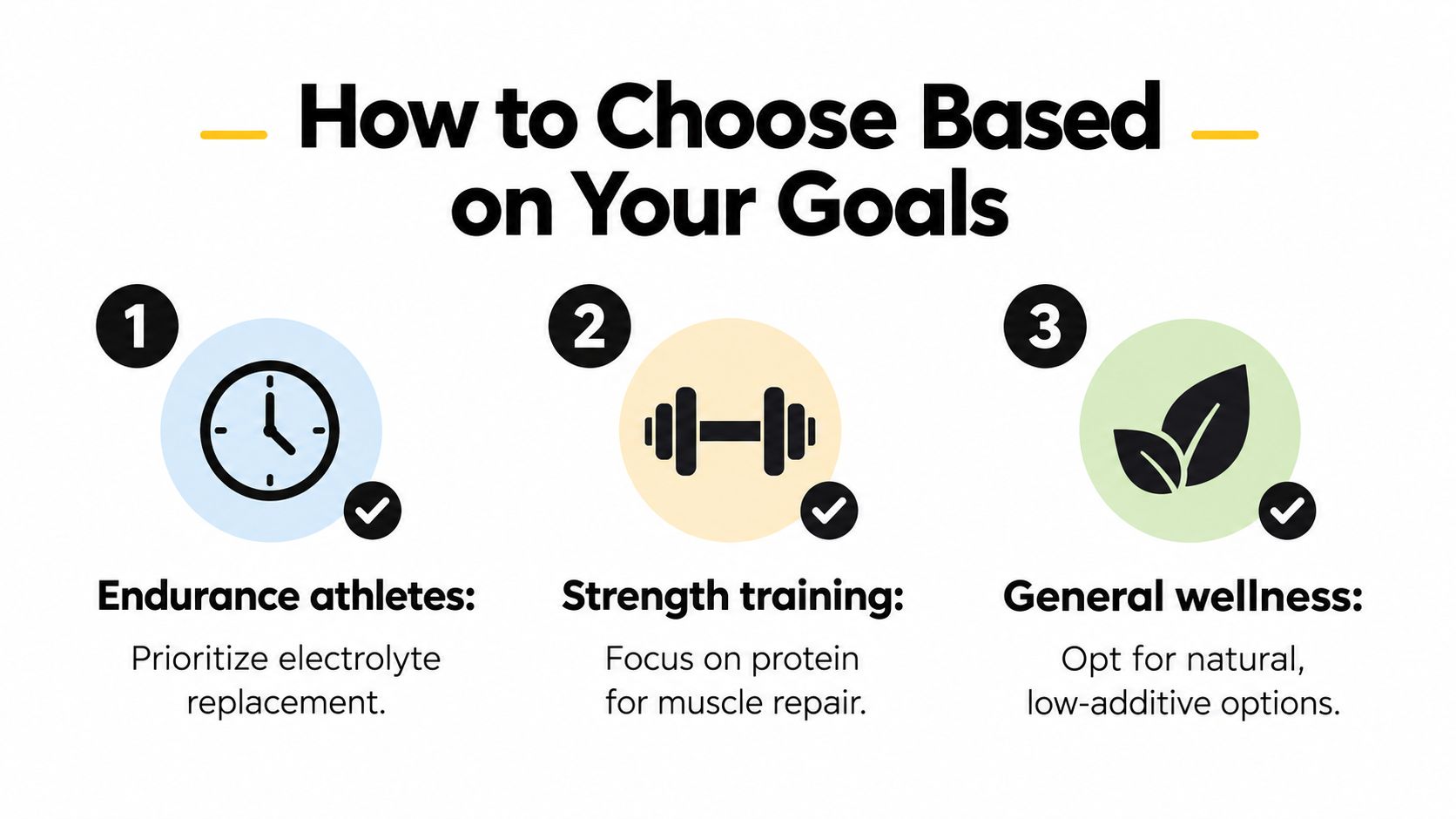
A specialized recovery drink is not automatically the right choice. Match the product to the workout, the time until your next session, and whether a normal meal is available.
Endurance training
Long or intense endurance sessions provide the strongest case for a combined drink. Select a formula with carbohydrate and electrolytes, then include protein if your next meal is delayed or another demanding session is close.
Carbohydrate should guide the choice because restoring glycogen is the immediate refueling priority. Fluid and sodium matter more as sweat losses increase. If the session was shorter, conditions were mild, and you can eat soon, water followed by a carbohydrate-rich meal may cover the need.
Strength training
After lifting, judge the drink by its protein quality and serving size. A beverage supplying at least 20 grams of complete protein per serving is a sensible target when it serves as your main post-workout protein source. Choose a complete protein, or a plant-based combination that provides a broad amino acid profile.
High carbohydrate is unnecessary after every strength session. Add it when the workout was long, your daily intake calls for it, or another demanding session is approaching. Otherwise, a protein drink or ordinary meal can handle recovery without extra ingredients.
General wellness and casual exercise
Casual exercisers often need less than sports marketing implies. Water and a normal meal are usually sufficient after light or moderate activity. Choose a simple protein shake, milk-based drink, or food pairing only when it improves convenience.
Weight management and dietary preferences
Low-sugar or zero-sugar electrolyte products suit people seeking hydration support without additional carbohydrate. They do not restore glycogen when carbohydrate replacement is the goal, so fewer sugars do not automatically mean better recovery.
Check allergens, protein source, sweeteners, and serving size before buying. The right recovery drink is one you can digest, tolerate, and use consistently.
Decision test: Name the workout, the next meal, and the next training demand. Those three details usually identify whether you need a formulated drink or ordinary food and fluids.
Recovery Nutrition Beyond Athletic Performance
Specialized recovery drinks are not a daily requirement for people who exercise casually. A September 2026 industry article on recovery and daily wellbeing describes how these products increasingly fit ordinary routines, but convenience alone does not justify buying one.
Use the next meal and training demand to decide. If you complete 30 minutes of light cycling and will eat lunch within 60 minutes, choose water and eat normally. If you will not eat for more than three hours, a shake providing 15 to 20 grams of protein offers a practical way to cover that gap. A hot commute with substantial sweating may justify electrolytes, while a plant-based eater may value a protein drink that requires no preparation.
Convenience changes the standard
A product used outside sport should earn its place through a clear job. It should taste acceptable, suit the person's dietary pattern, and provide nutrition that ordinary food or water cannot provide as conveniently. A longer ingredient list is not a benefit by itself.
The category now includes zero-sugar electrolyte formulations, protein-enriched hydration drinks, and ready-to-drink products, according to the 2026 market analysis of recovery beverages. For non-athletes, the useful distinction is function: select electrolytes for meaningful fluid and salt losses, protein for a delayed meal, and water when neither problem exists.
The same market includes products aimed at women, endurance users, and active older adults. Those labels should prompt a needs check, not an automatic purchase. Digestibility may matter more than branding for an older adult, while an endurance athlete may need carbohydrate and sodium that a low-sugar wellness drink does not provide.
People training before breakfast can review safe fasted workout protocols before deciding whether a post-workout drink addresses an actual nutrition gap.
Clean-label and naturally derived ingredients also influence buying decisions. Assess function, sugar content, dietary fit, and convenience before paying for a recovery product.
For a visual explanation of recovery beverages in daily routines, watch the video below.
Maximum Health Products Recovery Solutions
Maximum Health Products offers an Organic Protein Shake positioned as a convenient protein option for workout and muscle recovery. Its product description emphasizes a clean-label formulation without preservatives, artificial colors or flavors, added sugars, soy, gluten, fillers, or animal products.
That profile fits one specific use case well. If your recovery priority is convenient protein after resistance training or a busy day, an organic plant-based shake can help fill that role. It isn't a replacement for an electrolyte drink after substantial sweat loss, and it won't automatically supply the carbohydrate an endurance athlete needs for rapid glycogen restoration.
Where the product fits
The brand's broader beverage range includes Green Coffee, Detox Tea, and Functional Cocoa blends. These are recovery-adjacent products for energy, routine, antioxidant support, or cognitive function rather than direct substitutes for a carbohydrate-electrolyte endurance formula.
Ingredients such as Alpha GPC and Citicoline appear in the brand's cognitive-support offerings. That makes the products relevant to people building a broader daily wellness routine, but buyers should still separate general energy or focus goals from the specific nutritional requirements of post-exercise recovery.
The company also describes clinically studied ingredients, fast 2 to 3 day shipping, a 60-day money-back guarantee, and more than 100,000 verified reviews averaging 4.9 out of 5 stars on its own site. Those are purchasing and brand information claims, not evidence that a product will outperform a properly composed meal or another recovery formula.
When comparing protein and recovery products, it's useful to distinguish muscle nutrition from connective-tissue discussions. This overview of how peptides aid recovery provides additional context, though it shouldn't distract from the fundamentals of adequate fluid, carbohydrate, and complete protein intake.
The sensible buying approach is simple. Use the Organic Protein Shake when you need clean, portable protein. Pair it with carbohydrate-rich food after glycogen-heavy training, and choose a dedicated electrolyte product when sweat replacement is the main concern.
Implementing Your Recovery Drink Strategy
Build your routine around three decisions: what the workout used, when you'll eat, and when you'll train again.
For intense endurance work or a compressed recovery window, prepare a carbohydrate-protein drink before you finish so you can consume it during the early recovery period. For casual exercise, keep the process simpler. Drink water and eat your next normal meal without forcing a supplement into the routine.
Make adherence the priority
Choose the format you will use.
- Ready-to-drink bottles: Best for commuting, travel, and days when preparation is unlikely.
- Powders: Useful at home, easier to adjust, and often more flexible for changing carbohydrate needs.
- Food pairings: A protein shake with fruit or another carbohydrate source can separate hydration from nutrition and make portions easier to control.
Track practical outcomes rather than chasing dramatic sensations. Note whether you recover comfortably, feel ready for the next session, tolerate the ingredients, and can maintain the routine without unnecessary expense.
For a broader view of recovery tools beyond beverages, the Atlanta Hyperbaric Center recovery guide offers additional ideas to consider alongside sleep, training load, and nutrition. If your focus is muscle repair, this amino acid recovery guide can help you understand where amino acids fit within the larger diet.
The best recovery drink strategy is not the most complicated one. Use water when water is enough, food when food is available, and a formulated drink when timing, sweat loss, or convenience creates a genuine need.
Maximum Health Products offers clean-label Organic Protein Shake options for convenient post-workout protein, along with functional beverages for broader daily wellness routines. Visit Maximum Health Products to compare the available formulas and choose a recovery option that matches your training, diet, and schedule.

