


“Drink detox tea first thing in the morning” is popular advice, but it's too simplistic to be reliable. The best time to drink detox tea depends on what's in the cup, not on a universal wellness schedule. Green tea, senna, dandelion, hibiscus, peppermint, and chamomile can affect your day in very different ways.
A practical timing strategy asks three questions first: Does the blend contain caffeine? Can it stimulate bowel movements? Will it increase urination or interfere with meals and supplements? Once you answer those questions, the clock becomes much easier to manage. It also becomes clear that detox tea isn't a magic metabolism solution. Recent neutral evidence finds minimal proven weight-loss benefit from detox and diet teas, while also identifying meaningful risks linked to some formulas, as summarized in this neutral review of detox and diet teas.
Why There Is No Universal Best Time
Morning advice works for some blends, but it fails when the tea contains an ingredient that affects sleep, digestion, hydration, or bathroom access. A caffeinated green tea may be sensible early in the day. A senna tea may be more practical at night because its effect can be delayed. A diuretic herbal blend could fit after lunch, but taking it immediately before bed may send you to the bathroom when you should be sleeping.
The useful question isn't “What time do wellness blogs recommend?” It's “What job is this formula supposed to perform?”
Classify the blend before choosing the time
Read the ingredient panel and place the tea into one or more of these categories:
- Stimulant blends: Green tea, black tea, matcha, and other caffeinated ingredients belong earlier in the day. Their main timing issue is sleep disruption.
- Digestive blends: Peppermint, ginger, chamomile, and rosemary are commonly used after meals or in the evening when the purpose is digestive comfort rather than stimulation.
- Laxative blends: Senna works through delayed bowel stimulation, so the most convenient timing may depend on when you can access a bathroom the following day.
- Diuretic blends: Hibiscus and dandelion may be used after lunch or dinner for post-meal bloating, but late use can increase nighttime urination.
That classification is more useful than the label “detox.” Marketing language often groups very different formulas under one name, even though their practical effects aren't interchangeable.
Practical rule: Choose the timing that protects sleep, hydration, nutrient intake, and bathroom access. A fixed morning rule can't do all four.
The label also matters more than the word “natural.” Natural ingredients can still cause cramps, loose stools, nausea, or frequent urination. If the product doesn't clearly disclose its botanicals and stimulant or laxative ingredients, don't build a daily routine around it.
Timing Caffeinated and Stimulant Blends
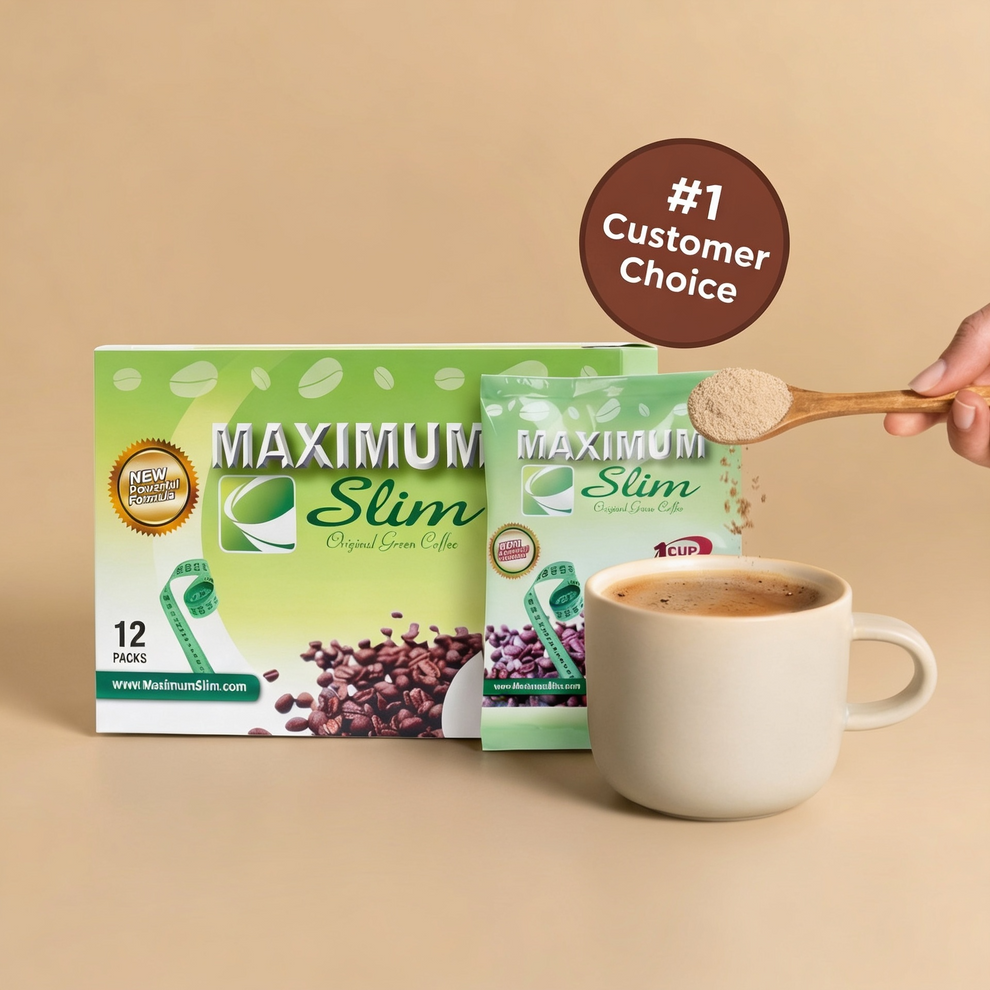
Featured Product
Maximum Slim Original Green Coffee
Made with green coffee and carefully selected herbal ingredients such as green tea leaf and ginseng root, this unique blend is designed to complement a balanced lifestyle.
Shop Now →
The label's “detox” claim should not decide your schedule. For green tea, black tea, matcha, yerba mate, guarana, or any stated caffeine, morning or early afternoon is the right default. Caffeine remains active after the flavor and alertness fade. In healthy adults, its mean half-life is about 5 hours, while individual clearance can range from 1.5 to 9.5 hours, according to caffeine pharmacology guidance from the National Center for Biotechnology Information.
Half-life matters because part of the caffeine stays in your system for hours. A cup at 4 p.m. can still leave about half its caffeine active around 9 p.m. The late drink may feel mild yet still delay sleep or reduce sleep quality.
A standard cup of black tea contains about 47–48 mg of caffeine, so two cups can provide roughly 100 mg, as explained in this tea caffeine and timing guide. Detox blends vary, but two servings can still turn an afternoon habit into a nighttime sleep problem.
Set your cutoff from bedtime backward
If caffeine affects you easily, leave at least a 6-hour gap before sleep. People with fragile sleep may need an 8–11-hour gap. Set that boundary before choosing the tea, not after restlessness appears.
Use this routine:
- Check the label for caffeinated leaves, matcha, yerba mate, guarana, or a stated caffeine amount.
- Start with breakfast or mid-morning, especially if tea upsets your stomach without food.
- Set your last cup early, rather than drinking it when afternoon fatigue arrives.
- Track your response, including restlessness, headaches, anxiety, stomach upset, and sleep quality.
For many adults, breakfast or mid-morning works better than an empty-stomach “detox.” Food can make a caffeinated drink easier to tolerate, while an early serving leaves more time for caffeine clearance before bed. This guide to tea for energy and focus offers further practical context for daytime use.
Afternoon tea traditions in England settled around 4–5 p.m. as a social custom, a useful reminder that late-day caffeine was historically tied to a social meal rather than a daily stimulant routine. If that timing threatens your sleep, choose an earlier cup.
Scheduling Digestive and Laxative Teas
The best time for a laxative tea depends on the ingredient, your bathroom access, and your next obligation. Senna works differently from an ordinary herbal drink. Its bowel-stimulating effect can arrive later, so an evening serving may fit a bowel movement the next morning. That schedule only works if you can stay home, reach a restroom easily, and tolerate the possibility of cramps or diarrhea.
Read the ingredient list first. If it contains senna or another stimulant laxative, treat it as a targeted product, not a harmless daily beverage. The review of detox and diet tea risks highlights concerns linked with cramps, diarrhea, dehydration, electrolyte imbalance, and sleep disruption. Detox branding does not remove those risks.
Match the effect to your schedule
A night dose can suit you when:
- Morning bathroom access is dependable: You can respond to the effect without rushing into a commute.
- The product directions support that timing: Follow the label instead of increasing the serving to force a result.
- You can maintain hydration: Loose stools increase fluid loss, so drink plain water as needed.
Daytime use may fit people who work from home or have flexible bathroom access. Avoid taking a laxative tea before commuting, long meetings, travel, exercise, or another activity where urgency would create a problem. Bathroom access is part of the timing decision.
Bathroom rule: Never schedule a laxative tea before a period when reaching a restroom will be difficult.
Diuretic herbs require a separate plan. Hibiscus and dandelion may suit the afternoon or early evening when post-meal bloating is the concern, but late use can increase nighttime urination. That interruption can undermine sleep. For a non-laxative approach, review this ingredient-focused guide to the best detox tea for bloating.
Inspect the directions before using senna. The Supplemynts Inc wellness tea product page offers a way to review a senna-based option and its stated digestive-support use. Follow the listed serving instructions, and do not use bowel stimulation as evidence that toxins are leaving your body or fat is being lost. A laxative effect mainly changes bowel contents and fluid balance, so it is not a sustainable weight-management strategy.
Navigating Meals and Nutrient Absorption
Morning is not automatically the best time for detox tea. The ingredient list and your meal pattern matter more. Tea can contain compounds that reduce iron absorption when consumed too close to iron-rich meals or iron supplements, so place it between meals when iron intake is a priority.
Leave about a 1-hour gap before or after iron-rich meals or iron supplements, following this tea and nutrient timing guidance from the cited nutrient absorption infographic. This spacing does not mean every cup causes deficiency. It prevents strong tea from sitting beside foods or supplements intended to provide iron.

Compare the main options
| Timing | Potential advantage | Main concern |
|---|---|---|
| With a meal | May make caffeinated tea easier on the stomach | Can interfere with iron absorption when paired too closely with iron-rich foods |
| Immediately after a meal | Fits a digestive ritual | Still too close to an iron-focused meal for some people |
| Between meals | Separates tea from key nutrient intake | Strong tea may still cause nausea or acidity if your stomach is sensitive |
| Before bed | Works for caffeine-free calming herbs | Poor choice for caffeinated or diuretic formulas |
Strong tea on an empty stomach can trigger nausea or acidity. Move it to after a light meal, or choose a non-caffeinated infusion. A drink that repeatedly makes you feel unwell has no place in your routine.
Medication timing requires separate attention. Iron supplements need spacing, while thyroid medication and other prescriptions may have their own instructions. Ask a pharmacist or clinician how to separate tea, medication, and supplements instead of relying on a product label.
For many schedules, mid-morning or mid-afternoon works best. Keep tea away from iron-rich meals and supplements, then adjust for stomach comfort and prescription instructions. A flexible gap is more useful than following a fixed morning-or-night rule.
Building a Sustainable Daily Tea Routine
A sustainable tea routine should fit your workday, exercise plans, meals, and bedtime. It shouldn't require you to ignore a racing heart, skip water, or gamble on urgent bowel movements during a commute.

A flexible weekday template
Morning: Use a caffeinated green, black, or matcha blend with breakfast or later in the morning if you tolerate it well. Keep it early enough to create a substantial buffer before bedtime.
Midday: If you're using a caffeine-free digestive tea, place it after lunch. Peppermint, ginger, chamomile, or rosemary blends can serve as a warm post-meal ritual without adding a stimulant requirement.
Afternoon: Choose a caffeine-free option if you want tea during work hours but are nearing your personal caffeine cutoff. This also keeps the drink separate from iron supplements when your schedule allows.
Evening: Reserve the evening for caffeine-free herbal tea. Avoid diuretic blends immediately before sleep, and don't use senna because the packaging calls the product a nightly detox.
Busy professionals should plan around access, not aspiration. A tea that causes urgency during a presentation is badly timed, even if the clock says it's the recommended hour. Likewise, a caffeinated cup before an evening workout may be counterproductive if it pushes stimulation into your sleep window.
Consistency beats a perfect clock time. The best routine is one you can repeat without sacrificing sleep, meals, hydration, or normal daily responsibilities.
Treat plain water as the foundation of hydration. Detox tea can be a beverage within a balanced routine, but it shouldn't replace meals or become your main source of fluids. If you're experimenting with a new herbal profile, resources such as this guide to buy Japanese herbal tea can provide ideas for caffeine-free options and broader tea traditions.
Review your routine after several days. If you notice insomnia, nausea, cramps, diarrhea, headaches, anxiety, or frequent nighttime urination, change the timing or stop the blend rather than adding another product to counteract the symptoms.
Safety Red Flags and Clean Label Standards
A detox tea that promises rapid transformation deserves scrutiny. The strongest warning signs are undisclosed stimulant content, senna presented as an everyday wellness ingredient, added sugars, artificial fillers, and vague proprietary blends that prevent you from understanding the serving.
Laxative teas are especially easy to misuse. Cramps, diarrhea, dehydration, electrolyte imbalance, and sleep disruption are not signs that a product is “working harder.” They're reasons to reassess the formula and seek professional advice when symptoms persist. The guide to detox tea side effects offers a focused review of the problems associated with overuse and poorly tolerated ingredients.
What to check before buying
- Full ingredient disclosure: You should be able to identify caffeine sources, senna, diuretic herbs, sweeteners, and flavoring agents.
- Serving instructions: Don't assume more tea produces better results. Follow the stated use and avoid escalating the serving.
- Clean-label details: Look for products without preservatives, artificial colors or flavors, added sugars, soy, gluten, fillers, or animal products if those standards matter to your diet.
- Health context: Pregnancy, nursing, gallbladder conditions, digestive disease, medication use, and mineral deficiencies can change what's appropriate.
- Purpose matching: Choose a caffeine-free herbal tea for an evening ritual, not a stimulant blend marketed under the same “detox” label.
“Organic” can be useful, but it doesn't remove the need to inspect the active ingredients. A clean label improves transparency. It doesn't guarantee that senna is suitable for daily use or that a caffeinated tea belongs in the evening.
Maximum Health Products offers products such as Organic Detox Tea alongside other nutrition and wellness formulas, with a clean-label approach that excludes artificial colors and flavors, added sugars, fillers, soy, gluten, preservatives, and animal products. Evaluate any brand by its ingredient disclosure, directions, and fit with your health needs, not by detox promises alone.
If you take iron, thyroid medication, or other supplements, ask a pharmacist or clinician about spacing before starting a regular tea routine. Stop using a blend that causes significant symptoms, and seek medical advice for persistent diarrhea, dehydration, severe abdominal pain, or sleep problems.
Choose your blend by ingredients, set caffeine and bathroom cutoffs around your real schedule, and keep tea away from iron-focused meals and supplements when appropriate. For transparent, clean-label options that can fit a practical wellness routine, visit Maximum Health Products and compare the tea and nutrition formulas with your specific timing needs.

