


You know the feeling. The morning started with a strong cup, your inbox kept growing, and now it's mid-afternoon, your brain feels noisy, and you want something that helps you stay sharp without turning the rest of the day into a jittery mess. That's where tea for energy and focus earns its place, not as a weaker coffee clone, but as a different tool with a different feel and a different rhythm.
Why Tea Outperforms Coffee for Steady Focus
The trap with coffee is obvious to anyone who's lived through a productive morning followed by a rough afternoon. It can hit fast, then leave you chasing the next boost. Tea tends to feel smoother because it usually delivers a lower caffeine load with compounds that shape the experience differently, which is why many professionals use it for work that needs calm attention instead of a hard spike.
A quieter kind of alertness
Green tea typically provides about 20 to 50 mg of caffeine per cup, while brewed coffee sits around 90 to 150 mg per cup EatingWell. That smaller dose matters because it changes how the day feels in your body, not just on paper. If coffee is a bright overhead light, tea is more like a desk lamp, focused enough to see clearly, but less likely to feel harsh.
Tea also has a long reputation as a functional drink for sustained alertness, and that reputation isn't just folklore. In controlled studies, black tea improved attention, alertness, and even intersensory attention compared with placebo, which makes the “tea gives me a clearer head” experience more believable than generic wellness language suggests PubMed. For people who need to read, write, analyze, or hop between tasks, that matters more than a dramatic surge.
Practical rule: if coffee gives you energy but not clean concentration, tea is often the better first experiment.
The other reason tea works well for focus is timing. Coffee can feel like a sprint, while tea often behaves more like a steady walk that still gets you where you need to go. That's exactly why many people reach for it at 2 p.m. instead of another espresso.
If you're comparing formats, a useful starting point is a simple overview like this internal guide on matcha caffeine vs coffee, since matcha behaves a little differently from brewed tea. The key takeaway is simple, though. Tea isn't just “less intense coffee,” it's a more measured option for people who want focus without feeling overclocked.
Featured Product
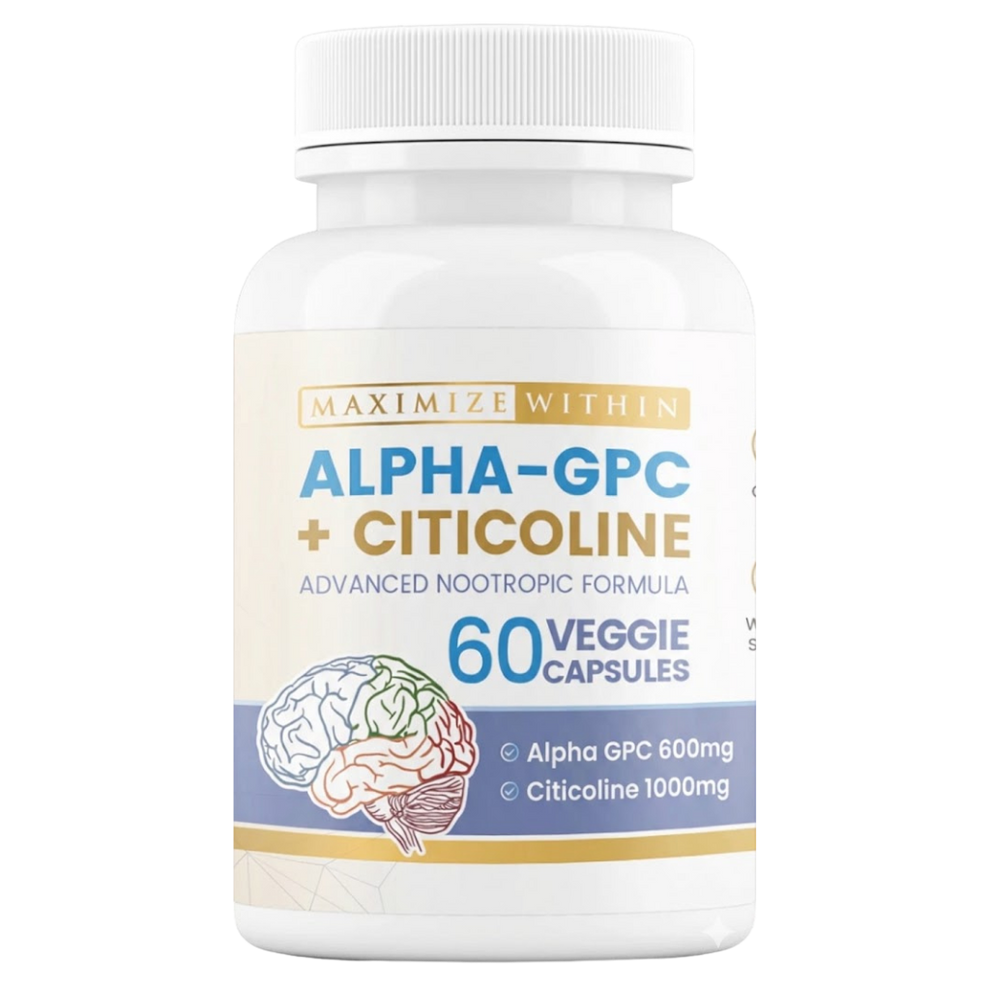
Alpha-GPC + Citicoline - Maximize Within
A premium nootropic formula pairing Alpha GPC and Citicoline — two of the most recognized cognitive-support ingredients — thoughtfully blended for adults who want to support a sharp, focused daily routine.
Shop Now →The Science Behind Caffeine and L-Theanine Synergy
A cup of tea can feel different from other caffeinated drinks because it changes both alertness and the way that alertness is experienced. Caffeine wakes the brain up. L-theanine tends to soften the edges, so the result is a sharper kind of wakefulness that many people find easier to use for real work.

Why the combination feels different
Caffeine pushes alertness up. L-theanine helps keep that alertness orderly, so tea often feels more like a calibrated instrument than a blunt stimulant. That does not mean tea becomes sedating. It means the wakeful state can feel steadier, less jittery, and easier to direct toward sustained attention. A 2025 systematic review and meta-analysis found that L-theanine plus caffeine likely produces small-to-moderate improvements in attentional task performance, with the clearest effects appearing in the second hour after intake Nutrition Reviews.
That timing matters in everyday use. Tea is often less about a fast spike and more about a useful working window, the part of the morning or afternoon when you still need to read, write, analyze, or stay present in a meeting. The same review also suggests that L-theanine alone may support cognitive performance in healthy adults during the first and second hours, which helps explain why tea can feel focused without feeling frantic Nutrition Reviews.
What the human studies actually show
The evidence is not limited to how tea feels. Two placebo-controlled studies found that black tea significantly improved accuracy on a switch task and increased self-reported alertness, and the first study also showed better auditory and visual intersensory attention versus placebo PubMed. That matters because it points to performance on a task, not just a pleasant mood shift.
A broader review also reported that intake levels of 37.5–150 mg caffeine, roughly the amount found in 1–4 cups of tea, produced statistically significant gains in wakefulness, vigor, energy, clarity of thought, and efficiency, while reducing sedation PubMed. The European Food Safety Authority likewise concluded that black tea has a cause-and-effect relationship with improved attention, using 2–3 servings providing at least 75 mg total caffeine within 90 minutes as the benchmark PMC.
For daily use, the practical question is not whether tea is stimulating. It is how to place it so the lift supports work without lingering into the evening. That is where the companion guide on the best time of day to take L-theanine becomes useful, especially if you want a routine that protects sleep. If you are comparing brewed tea with concentrated tea formats, you can also discover instant matcha differences before choosing the version that fits your schedule.
Comparing the Best Teas for Energy and Focus
A deadline is close, your inbox is full, and you want a drink that sharpens attention without leaving you wired for the rest of the day. Tea can fit that role well, but the effect depends on the type you choose, how much caffeine it delivers, and how your body handles stimulation later in the day.
The main tea options
| Tea Type | Caffeine (mg/cup) | L-Theanine | Onset | Best Use Case |
|---|---|---|---|---|
| Black tea | About 30 to 100 mg per 8 oz serving depending on variety and brewing time PMC | Present naturally | Fairly steady | Mid-morning work blocks and afternoon meetings |
| Green tea | About 20 to 50 mg per cup EatingWell | Present naturally | Gentle, gradual | Early focus, lighter caffeine needs, sensitive users |
| Matcha | Varies by preparation, but it's often used when people want stronger tea-based focus | Present naturally | More concentrated than steeped tea in many routines | Deep work when you want tea with more presence |
| Yerba mate | Not covered by the verified data here, so evaluate labels carefully | Varies | Varies | Use case depends on brand and caffeine load |
| Adaptogen blends | Depends on the added ingredients | Often uncertain | Varies | Only if you've checked the label and the evidence |
If you want a closer look at how instant matcha compares with traditional tea formats, discover instant matcha differences can help you separate convenience from the way the drink behaves in real life. That matters because instant products can change taste, dose, and texture, which affects how reliably you use them.
How to choose by schedule
Black tea fits people who want a firmer focus signal without moving all the way to coffee. Green tea suits smaller caffeine needs and a gentler start to work EatingWell. Matcha makes more sense when you want a stronger tea presence and are comfortable with a more concentrated format.
If stimulation makes you uneasy, choose the tea that gives you the least noticeable body buzz while still helping concentration.
For black tea quality and preparation, this article on organic black tea is a useful reference. The decision is not which tea sounds strongest. It is which one you can use consistently without disrupting your afternoon or pushing your sleep off track.
Brewing and Dosing for Maximum Cognitive Benefit
A lot of tea advice stops at taste. That's too vague if you're using tea as a focus tool. Dose, steeping, and timing all matter because your goal isn't just a pleasant cup, it's a reliable shift in alertness that fits inside a working day.

A simple focus protocol
Use tea with the same respect you'd give a tool you depend on. The EFSA benchmark points to 2–3 servings of black tea providing at least 75 mg total caffeine within 90 minutes for improved attention PMC. That doesn't mean everyone needs that exact amount, but it gives you a practical target instead of a vague “drink more tea” suggestion.
Here's the part people miss. If you want a sharper work session, don't just sip tea randomly all day. Pick a window, prepare the drink deliberately, and let the effect line up with the task you care about.
Practical rule: drink tea before the work block, not after the distraction starts.
The verified data doesn't give a precise brewing temperature or steeping time, so the safest evidence-based advice is to keep your routine consistent and use your own response as feedback. Matcha is easier to dose because you consume the whole leaf powder, while steeped teas depend more on how much leaf you use, how long you steep it, and how strong the cup ends up. That's one reason one cup can feel very different from another, even when the label looks similar.
The YouTube walkthrough below is a useful visual if you're trying to build a repeatable habit around tea instead of treating it like an occasional drink.
The main dosing lesson is straightforward. Tea works best when you treat it like a controlled input, not an accidental one. If you're aiming for focus, build around the amount of caffeine that matches your tolerance, then keep the timing aligned with the hours when your brain needs help.
Separating Nootropic Tea Hype from Real Evidence
The market has gotten crowded with blends that promise “focus,” “clarity,” and “brain support” because they add lion's mane, ginkgo, ginseng, rhodiola, or ashwagandha to a tea base. Some of those ingredients may have a role in certain contexts, but the label tells you a lot about whether you're buying a meaningful dose or just paying for a wellness story.

Read the label like a skeptic
Harvard's review of energy-boosting coffee alternatives notes that drinks like tea and cocoa can contain compounds such as theobromine that may increase alertness more slowly and for longer, but it also says there's no strong evidence for broader claims like weight loss or major health benefits Harvard Health. That caution applies here, too. A blend can feel refined without being especially well supported.
The biggest mistake is assuming that a long ingredient list automatically means a stronger effect. In practice, many blends rely on tiny amounts of extra herbs, which sounds impressive until you look at the label and realize the primary cognitive driver may still be the tea base itself. That's why traditional tea effects and added-ingredient effects shouldn't be lumped together.
What deserves your attention
If a product is really about focus, start with the caffeine source, then ask what the other ingredients are doing. Tea already brings a credible focus mechanism through caffeine plus L-theanine, and that's where the strongest practical value often sits Nutrition Reviews. Extra botanicals may be interesting, but they shouldn't distract you from the basics.
A sensible rule is to treat any “brain tea” the way you'd treat a capsule stack. Check the dose, ask whether the ingredient is there in a meaningful amount, and be wary of marketing language that sounds bigger than the evidence. That habit saves money and keeps you from expecting a tea bag to behave like a prescription stimulant.
If you want a cleaner, simpler approach, Maximum Health Products offers targeted Alpha GPC + Citicoline support alongside tea and other clean-label options. Used thoughtfully, that kind of pairing can keep the routine practical instead of turning it into an ingredient lottery.
Daily Routines That Protect Sleep and Sustain Focus
Tea is most useful when it fits your day, not when it interrupts it. The same drink that sharpens your morning can make your night worse if you use it too late, so timing matters as much as ingredient choice. Green tea's lower caffeine content helps explain why it often feels gentler than coffee, even though it still contains a stimulant EatingWell.
Match the tea to the clock
A simple weekday pattern works well for most professionals. Use green tea or matcha in the morning, when you want a clean start and your first deep work block hasn't begun yet. Keep black tea for midday, when the post-lunch slump shows up and you still need steady attention for meetings, calls, or analysis.
After mid-afternoon, the logic changes. If you're caffeine-sensitive or you care about sleep quality, tea with caffeine starts to lose its appeal, even if it still helps in the short term. That's the moment to switch to a non-caffeinated herbal option if you want the ritual without the stimulant.
Practical rule: if sleep is fragile, stop caffeinated tea early enough that bedtime doesn't become a test.
Three realistic routines
- Early riser: green tea with breakfast, then one black tea before lunch, and no caffeine late in the day.
- Afternoon warrior: a stronger black tea before your hardest afternoon task, then herbal tea after work.
- Caffeine-sensitive professional: small green tea in the morning only, then non-caffeinated options for the rest of the day.
If you like to protect your focus environment as well as your beverage choice, a tool like white noise for deep work sessions can make your tea routine more effective by reducing background distraction. That pairing is often underrated because focus is rarely just about chemistry. It's also about the space you create around the drink.
The end goal is simple. Use tea when you need alertness, and leave enough room for recovery when the day is done.
Building a Complete Energy and Focus Stack
Tea works best as the anchor, not the whole system. If your meals are erratic, your hydration is off, or you haven't moved your body since breakfast, even a well-timed cup won't do all the work. The strongest routines tend to combine tea, protein, water, light movement, and a clean supplement choice only when there's a real need.
In that kind of stack, tea can handle the daily alertness piece, while ingredients like L-theanine capsules, Alpha GPC, or Citicoline can serve as optional add-ons depending on your goal and tolerance. The point is not to pile on everything at once. It's to keep the system simple enough that you can repeat it on busy days without feeling scattered.
Practical rule: build one reliable morning routine before you start adding extras.
Maximum Health Products fits that style of routine because it focuses on clean-label products for energy, focus, and daily support without unnecessary fillers. If you want to compare tea-based routines with other focused options, the site's Maximum Health Products collection is a practical place to start.
The bigger lesson is that tea for energy and focus is most useful when it's matched to your schedule, your sensitivity, and your sleep needs. Pick the tea that fits your workday, use it on purpose, and keep the rest of your stack clean enough that you can feel what's helping.
If you're ready to build a steadier workday routine, explore the tea, focus, and clean supplement options at Maximum Health Products. You'll find products that fit a simple, sleep-aware energy plan, along with other wellness tools that support the way busy days work.

