


Few individuals set out to run on fumes. It happens gradually. You start the day under-slept, grab coffee before food, power through meetings, eat something quick at your desk, then hit that familiar wall in the afternoon. Your eyes feel heavy, your patience gets shorter, and simple tasks suddenly take twice as long.
The usual fix is another stimulant, another snack, or another promise to “do better tomorrow.” That approach rarely works for long because low energy isn't usually a single-problem issue. It's a systems problem.
If you want to boost energy and focus in a way that lasts, you need a daily structure where sleep, food, hydration, movement, and caffeine all support each other. When one piece is off, the rest start to wobble. When they work together, you stop managing crashes and start creating steadier days.
That's the shift that matters most. Sustainable energy is not a hack. It's a repeatable skill built on a few essential habits and a clear understanding of what helps versus what only feels helpful in the moment.
The End of the 3 PM Crash An Introduction
The 3 PM crash usually isn't random. It's often the result of decisions that looked harmless earlier in the day. A poor night of sleep, a sugary breakfast, too much caffeine too fast, long periods of sitting, not enough water, or a lunch that spikes blood sugar and then drops it hard.
Many people try to solve this with isolated tactics. They buy a nootropic, switch to a different coffee, add an afternoon energy drink, or start skipping meals because they think lighter eating will keep them sharp. Sometimes one tweak helps for a few days. Then the same fatigue returns because the rest of the system never changed.
Core principle: Better energy comes from stacking supportive habits, not chasing stronger rescue tools.
In practice, that means a few things:
- Protect sleep first: If recovery is poor, your attention and decision-making drop fast the next day.
- Build meals for stability: Protein, healthy fats, and fiber create a very different workday than refined carbs and sugary drinks.
- Use movement as a reset: Short bouts of activity can wake up the body without draining it.
- Treat caffeine as a tool: It can sharpen focus when used strategically and backfire when used reactively.
- Keep timing in mind: When you eat, move, and stimulate your system matters almost as much as what you choose.
A sustainable plan doesn't ask you to be perfect. It asks you to stop doing the handful of things that predictably wreck your energy, then build a routine simple enough to repeat on busy days.
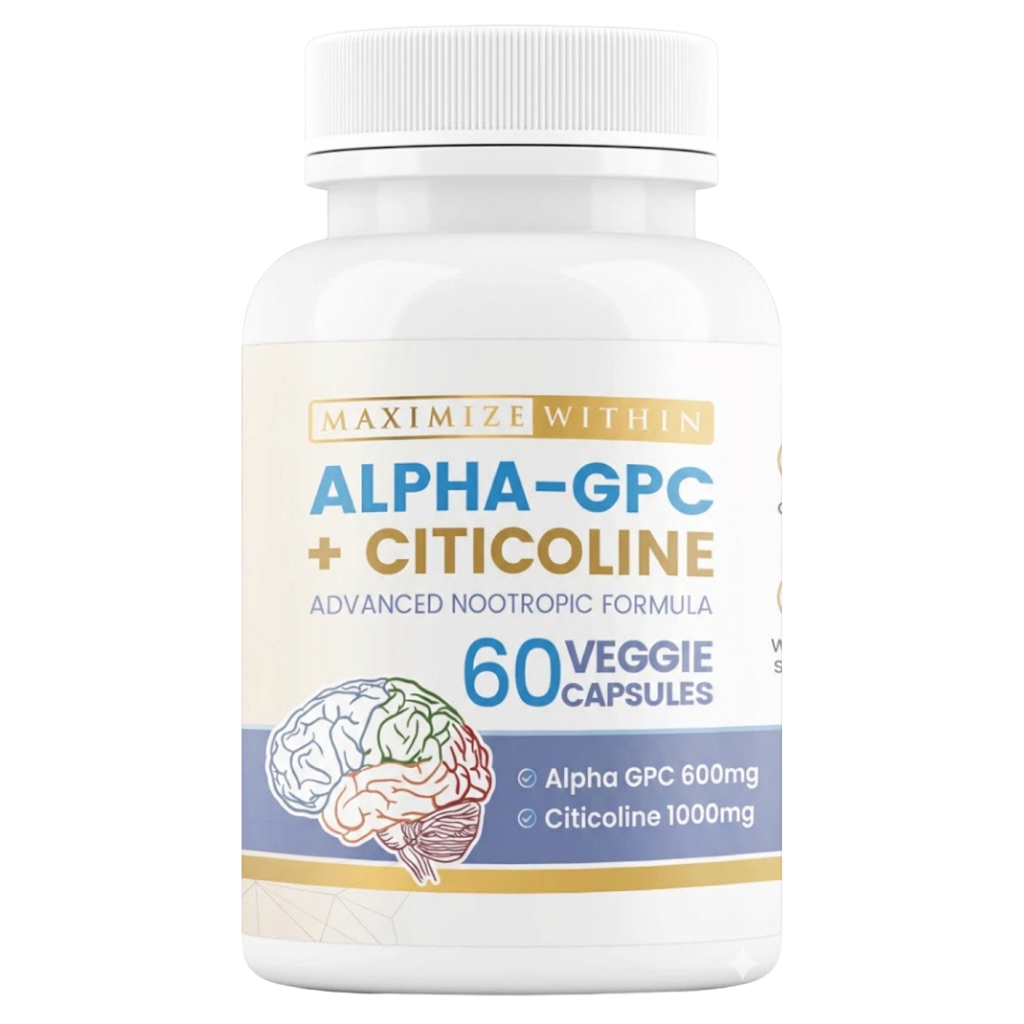
Featured Product
Alpha-GPC + Citicoline - Maximize Within | Advanced Nootropic Formula
A premium blend of Alpha-GPC (600mg) and Citicoline (1000mg), two well-known nootropic ingredients, in a convenient daily veggie capsule. Made in the USA. Gluten-free, soy-free, and preservative-free.
Shop Now →The Unbreakable Foundation Prioritizing Sleep Hygiene
If your sleep is unstable, every other energy strategy becomes less reliable. You can out-caffeinate a rough morning for a little while. You can't build consistent focus on top of poor recovery.
Clinical observations show that sleep deficiencies correlate with up to a 40% degradation in focus and attention span, which is why sleep has to sit at the center of any serious energy plan, not the edge of it, according to Healthline's overview of mental energy.

Sleep debt shows up as false hunger and weak concentration
People often describe low energy as a motivation issue. It usually isn't. It's a physiology issue first. When sleep quality drops, you're more likely to feel wired at the wrong times, hungry for quick carbs, and mentally scattered.
That's why “getting disciplined” with food or productivity tools often feels harder after poor sleep. The brain is already working with fewer resources. If your morning starts with brain fog, protect the next night before you add anything else.
A useful place to start is improving your evening routine with a practical resource like this guide on how to improve sleep quality, then trimming away the habits that keep your nervous system too activated at bedtime.
Build a repeatable wind-down routine
A good sleep routine doesn't need to be elaborate. It needs to be consistent. Most adults benefit from repeating the same short sequence each night so the body stops treating bedtime like one more work block.
Try a simple order:
- Dim the environment: Lower overhead light and reduce bright screens.
- Stop work input: No email triage, hard conversations, or “just one more task.”
- Prepare the room: Keep it dark, quiet, and comfortable.
- Use a cueing activity: Reading, light stretching, or slow breathing all work well.
- Keep wake time steady: Even weekends count if you want stable energy.
Poor sleep hygiene usually looks normal while you're doing it. Late scrolling, irregular bedtimes, and evening stimulation don't feel dramatic, but they add up quickly.
Fix the bedroom before you blame yourself
Many people try to solve sleep with willpower when the environment is the core problem. A room that's too bright, too noisy, too warm, or mentally associated with stress makes deep rest harder than it needs to be.
Use a checklist:
- Light control: Blackout curtains or a sleep mask can reduce unwanted light exposure.
- Noise control: White noise or earplugs can help if your environment is unpredictable.
- Bed boundaries: Keep work, doom-scrolling, and tense conversations out of bed when possible.
- Nightstand basics: Water, a low lamp, and anything calming you'll use.
If nighttime stress shows up as vivid or unsettling dream experiences, some people find it helpful to understand those patterns better through Dreamscape's guide to sleep paralysis dreams, especially when fear around sleep itself has started to build.
Consistency beats catch-up sleep
The biggest mistake I see is treating sleep like something you can “make up for” later. Extra weekend sleep can help you feel less depleted, but it doesn't replace a stable schedule. Going to bed and waking up at wildly different times keeps your body guessing.
If you want more daytime focus, set a regular wake time first. Bedtime often falls into place more easily once that anchor is consistent.
Fueling for Clarity Strategic Nutrition and Hydration
A lot of “energy foods” are really just fast-delivery foods. They wake you up briefly, then leave you flat. That's one reason people feel so confused. They eat things marketed as healthy, productive, or clean, yet still end up foggy by late morning or mid-afternoon.
Research from George Washington University found that a high-carbohydrate breakfast like cereal led to poor attention, while a balanced breakfast with protein, fat, and complex carbs supports stable blood sugar, steadier energy, and better focus, as summarized by Weight & Wellness.

Breakfast sets the tone faster than people think
Many adults still eat like they're trying to survive the morning, not support it. Coffee and a pastry. Cereal. A sweet yogurt. A “healthy” bar that's mostly syrup. These choices may feel light and convenient, but they often create unstable energy.
A steadier breakfast usually includes:
- Protein first: Eggs, Greek yogurt, protein smoothies, tofu, or cottage cheese help make the meal last.
- Natural fat: Nuts, seeds, avocado, or nut butter can slow the pace of digestion.
- Complex carbs: Fruit, vegetables, or oats work better than highly refined breakfast foods for many people.
If you need ideas that are easy to repeat on workdays, this roundup of healthy breakfast ideas for energy can help you move beyond cereal and snack-style breakfasts.
Hidden sugars are one of the biggest energy traps
The label “healthy” doesn't tell you whether a food will support mental clarity. Many flavored protein bars, sweetened powders, bottled coffees, and dressed-up café drinks act more like desserts than fuel. They can look functional and still leave you crashing soon after.
Recent consumer-health guidance also warns that ultra-processed, high-sugar products marketed as energy boosters can trigger a 60 to 90 minute crash, which makes it worth checking ingredients and added sugars before you assume a product supports focus, based on advice in Harvard Health's tips to boost energy naturally.
Store rule: If a snack is sold as “clean energy” but tastes like frosting, look harder at the label.
A better snack usually does one of two things. It either provides real nourishment, such as fruit with nuts or a boiled egg with vegetables, or it bridges you calmly to your next meal without a sugar rush.
Hydration is not optional background work
People often think of hydration only when they feel thirsty or get a headache. But water is part of the basic machinery behind mental performance. When hydration slips, concentration usually gets noisier and effort feels heavier.
Practical hydration tends to work best when it's tied to existing habits:
- On waking: Drink water before your first caffeinated beverage.
- With meals: Keep a glass on the table and finish it before getting up.
- During work blocks: Refill at natural transition points such as after a meeting or before a call.
- After movement: Replace what you've lost rather than waiting until you feel drained.
Meal timing matters too
Some people eat decent foods and still feel sluggish because their timing is erratic. Skipping breakfast, grazing on snack foods, then eating a heavy dinner late at night creates a pattern that's hard on next-day alertness.
A more supportive rhythm is simple. Start the day with a balanced meal. Eat enough at lunch to avoid a frantic afternoon hunt for sugar. Keep dinner moderate rather than oversized. That pattern helps your energy stay steadier than trying to “be good” all day and then eating heavily at night.
Energize Your Day with Mindful Movement
Long hours of sitting create their own kind of fatigue. You may not feel physically tired, but mentally you get duller, stiffer, and less responsive. The answer usually isn't a punishing workout. It's more frequent, lower-friction movement throughout the day.

Research also suggests that combining foundational habits matters. Focus improves more reliably when lifestyle changes include at least 150 minutes of weekly aerobic exercise, with reported success rates in the 65 to 75% range when habits are layered together, according to Seeking Health's discussion of supporting attention and focus.
Use movement to generate energy, not punish yourself
Many busy adults get stuck here. They think exercise only counts if it's intense, long, or gym-based. That belief leaves them inactive on the very days they most need a reset.
Movement that helps focus often looks modest:
- Morning walk: A short walk after waking can help you feel more alert and less groggy.
- Desk reset: Stand up, open the chest, rotate the spine, and stretch the hips between work blocks.
- Walking calls: If a meeting doesn't require a screen, take it on your feet.
- After-meal movement: A brief walk after lunch can help avoid that heavy afternoon dip.
The best movement for energy is the kind you'll actually repeat on your busiest week.
A simple rhythm works better than heroic effort
Try thinking in pulses, not workouts. Move a little in the morning. Interrupt long sitting periods. Add one intentional aerobic session when your schedule allows. Repeat.
For people who want more structure without wasting time on random routines, tools that offer Fully customized workouts can help match movement to your schedule, space, and ability level. That tends to work better than copying an advanced plan you'll resent by day three.
If you want a quick reset you can do at home or between tasks, this routine is a good place to start:
What to do on low-energy days
Low-energy days still count. In fact, they matter most. When you're tired, choose the smallest useful version of movement instead of doing nothing.
That might mean five to ten minutes of walking, a gentle mobility circuit, or pacing while you brainstorm. Consistency trains your body to expect motion. That expectation alone can improve how quickly you come online during the day.
Smart Supplementation A Supporting Role
Supplements can help. They just can't replace a bad sleep schedule, chaotic eating, dehydration, or no movement. When people expect a powder, capsule, or drink to compensate for a mismatched routine, they usually end up disappointed or overstimulated.
The clearest example is caffeine. It works, but it works best inside boundaries.

Caffeine works best when it's measured
Research indicates that 40 to 300 milligrams of caffeine can improve cognitive performance, while doses above that threshold often lead to anxiety and energy crashes. Strategic timing matters too, and avoiding caffeine after 2 PM helps reduce the chance that it disrupts sleep, as noted earlier in the sleep section's source guidance.
That means the goal is not “more.” The goal is enough to improve alertness without tipping into shakiness, irritability, or a rebound slump.
A practical caffeine protocol looks like this:
- Don't use it as your first response to exhaustion: Hydrate and eat first if you've skipped both.
- Keep the dose moderate: More isn't smarter once you cross your useful threshold.
- Take it earlier in the day: Late caffeine often borrows energy from the next morning.
- Notice your pattern: If you need repeated top-ups, your foundation may be the bigger issue.
Calm focus usually beats aggressive stimulation
Many people say they want energy, but what they need is steadier attention. If your mind is racing and your body feels tense, another high-stimulant product may sharpen the wrong thing.
That's where supportive compounds can make more sense than increasing caffeine. L-theanine is commonly used for calmer focus. Choline-based options such as Alpha GPC and citicoline are often chosen for cognitive support related to attention and processing demands. If you want a grounded overview of those categories, this guide to adaptogens and nootropics is a useful starting point.
A supplement should make a good day more reliable. It shouldn't be your only plan for surviving a bad one.
What works versus what doesn't
Here is the trade-off many individuals learn the hard way.
What tends to work
- A moderate amount of caffeine taken earlier in the day
- Taking stimulants with food if you're sensitive
- Choosing products with simple formulas and a clear purpose
- Matching supplements to your actual problem, such as calm focus versus raw stimulation
What usually backfires
- Chasing fatigue with multiple caffeinated drinks
- Mixing energy products without tracking the total effect
- Using stimulants late and blaming stress for bad sleep
- Buying “brain boosters” while ignoring meals, hydration, and bedtime
For some adults, a clean-label option like Maximum Health Products' Original Green Coffee may fit as one morning tool because it offers a defined coffee-based energy source within a broader routine. The key is still the routine. The product is the accessory, not the engine.
Putting It All Together Your Daily Energy Blueprint
You don't need a perfect day to feel better. You need a repeatable pattern that reduces the big drains and supports your biology at the right times. The most effective routine is usually boring in the best sense. It's steady, predictable, and easy to return to after travel, deadlines, or a rough week.
Circadian-aligned eating is part of that. Emerging guidance suggests that keeping food intake within a more defined daily window and avoiding heavy late-night meals can improve next-day energy and reduce fatigue, according to Whole Health Partners' guidance on getting more energy.
Sample Daily Energy Routine
| Time of Day | Activity | Goal |
|---|---|---|
| Morning | Drink water soon after waking, get light exposure, and take a short walk | Signal wakefulness and reduce morning grogginess |
| Breakfast | Eat a balanced meal with protein, healthy fat, and complex carbs | Support stable blood sugar and mental clarity |
| Mid-morning | Use caffeine only if needed, and pair it with food rather than taking it on an empty stomach | Improve alertness without creating a sharper crash |
| Lunch | Build a real meal instead of relying on snack foods or sugary drinks | Maintain energy through the afternoon |
| Early afternoon | Stand up, stretch, or walk briefly after long sitting | Restore circulation and reset attention |
| Mid-afternoon | Hydrate and choose a steady snack only if hunger is real | Prevent reactive grazing and sugar spikes |
| Evening meal | Eat enough to feel satisfied, but avoid an oversized, heavy late dinner | Support easier sleep and better next-day energy |
| Night | Dim lights, reduce stimulation, and follow the same wind-down steps | Improve sleep quality and recovery |
Don't ignore stress leakage
Stress drains energy even when your food and sleep are decent. Constant context switching, multitasking, and never-ending digital input create a background load that makes your body feel “on” all day.
A few rules help:
- Schedule pauses: Short breaks protect more energy than grinding through fatigue.
- Reduce decision clutter: Repeating the same breakfast, walk route, or bedtime routine can free up mental bandwidth.
- End the workday on purpose: Write tomorrow's top tasks down so your brain doesn't rehearse them all night.
When this blueprint works, it doesn't feel dramatic. You just notice that your mornings are clearer, your afternoons are less fragile, and you don't need to negotiate with your energy every few hours.
A Sustainable Path to Lasting Vitality
The people who consistently boost energy and focus aren't relying on secrets. They're protecting a few core habits and repeating them until they become automatic. Sleep comes first. Stable meals matter. Movement keeps energy circulating. Supplements can help, but only in a supporting role.
Start smaller than your ambition. Fix your wake time. Upgrade breakfast. Add one walk. Stop using late caffeine. Those changes may sound basic, but basic habits done consistently outperform complicated plans that collapse under real life.
Be patient with yourself while you build the system. Low energy often reflects accumulated strain, not a personal failing. It takes time to reverse patterns that have been reinforced for months or years.
If fatigue is persistent, severe, or paired with mood changes, shortness of breath, dizziness, sleep problems, or other concerning symptoms, talk with a qualified healthcare professional. Chronic exhaustion can signal an underlying issue that needs medical evaluation.
If you want clean-label tools to support the habits in this article, Maximum Health Products offers options for energy, focus, protein, and daily wellness that can fit into a practical routine built around sleep, nutrition, hydration, and movement.

