


Around 3 PM, the pattern is familiar. You still have work to finish, but your focus thins out, your mood gets shorter, and another coffee sounds less like help and more like tonight's sleep problem.
Caffeine free energy drinks fit that moment, but they need to be judged fairly. They do not create the same alertness as caffeine, and a good formula should not pretend to. This category works better as a functional beverage for a specific job, such as hydration, steady mental performance, metabolic support, or pre-workout use without a stimulant load.
That distinction matters. “Energy” on the label can mean several different things: replacing fluids and electrolytes, supplying amino acids or B vitamins involved in normal energy metabolism, or using ingredients that support focus without pushing the nervous system the way caffeine does. In formulation terms, those are very different products with very different results.
I usually tell people to stop asking whether a caffeine-free drink feels like coffee and start asking what problem they want to solve. If the issue is dehydration, a stimulant-free formula can help. If the issue is mental fatigue, some ingredients may improve perceived focus. If the goal is instant wakefulness, these drinks have limits, and that is where a broader plan to boost energy naturally through sleep, nutrition, movement, and hydration matters more than any can.
Some formulas are useful. Some are sweetened flavored water with better branding. The difference comes down to the ingredient list, the dose, and whether the drink matches the job you expect it to do.
The End of the Afternoon Crash
It is 3:30 p.m. You still have emails to answer, a workout you do not want to skip, and a normal evening to get through. Another coffee might keep you sharp for an hour, but it can also push bedtime back and leave you more tired tomorrow.
That is the use case that keeps this category growing. Earlier market estimates put caffeine-free energy drinks on a steady growth path over the next decade, which fits what formulators and retailers are already seeing. Demand is coming from adults who want help with late-day function without adding another stimulant load.
The important point is practical. These drinks are not a caffeine substitute in disguise. They are functional beverages aimed at a narrower job.
Why the afternoon slump creates demand
The afternoon crash usually has more than one cause, and that is why a single ingredient rarely fixes it.
Sometimes the problem is simple underhydration. By mid-afternoon, many people have had coffee and meetings, but not much water. Sometimes it is mental wear from hours of decision-making. Sometimes lunch set up a blood sugar drop an hour or two later. Sometimes stress is a significant drain, and what feels like low energy is really reduced capacity.
A caffeinated drink can mask part of that picture for a while. A stimulant-free formula cannot create the same alertness. What it can do, if it is built well, is support the parts of performance that often sag first, such as hydration status, electrolyte balance, perceived focus, or tolerance for a long day.
Practical rule: If the goal is to stay useful through the evening and still sleep normally, a stimulant-free drink often fits better than a second or third caffeine hit.
That is also why many searches for caffeine free energy drinks are really searches for a better daily system. For a broader look at natural ways to boost energy through sleep, food, movement, and hydration, that guide is a helpful companion.
What buyers usually mean by “energy”
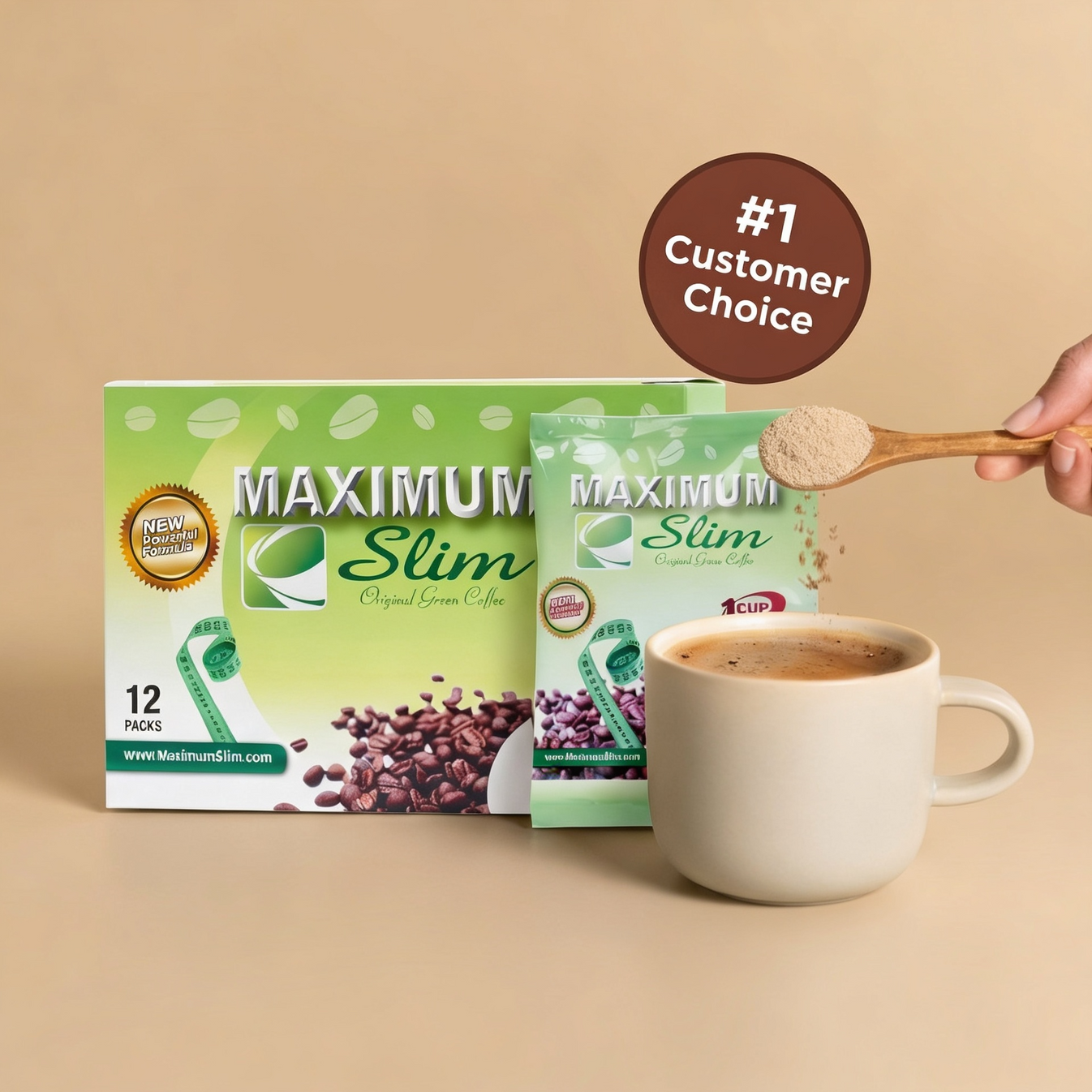
Featured Product
Maximum Slim Original Green Coffee | Premium Unroasted Arabica Blend (12 Ct)
Discover a delicious daily coffee crafted to complement your wellness routine. Enjoy one cup a day as part of a balanced lifestyle.
Shop Now →Shoppers in this category often are not looking for “energy” in the extreme sense. They usually want a drink that reduces friction in the second half of the day.
| Goal | What they usually mean |
|---|---|
| More energy | Less drag and better momentum |
| Better focus | More mental steadiness and fewer dips |
| No crash | More even output across the afternoon |
| No jitters | Calm productivity without overstimulation |
That distinction changes how these drinks should be judged. A good caffeine-free formula should not be asked to feel like espresso. It should be judged on whether it supports the specific problem in front of you, and whether it does that without disrupting sleep, appetite, or recovery.
What Are Caffeine Free Energy Drinks Really Selling
The name is misleading.
Most caffeine free energy drinks are not selling a stimulant effect. They're selling support. Support for hydration, support for nutrient delivery, support for metabolism, support for staying mentally steady when fatigue starts creeping in.

Energy versus stimulation
Caffeine acts like a signal override. It changes how fatigue feels. That's why people associate “energy” with a fast, noticeable lift.
Stimulant-free formulas work differently. They usually rely on ingredients such as B-vitamins, amino acids, electrolytes, and sometimes adaptogens. In formulation terms, that's substrate support, not forced arousal. You're not hitting the nitro button. You're trying to improve the conditions under which the body and brain perform.
That sounds less exciting, but it's more honest.
A randomized, placebo-controlled crossover trial found that a decaffeinated energy drink did not produce significant improvements in alertness, mood, or self-reported energy versus placebo, as reported in this clinical trial review on decaffeinated energy drinks. That finding should reset expectations immediately. If a product removes caffeine, it may no longer function as a true “energy booster” in the classic sense.
A better category name
I'd classify many of these products as functional beverages rather than true energy drinks.
That means they may be useful when your real bottleneck is one of these:
- Low fluid intake
- A need for electrolyte replacement
- Mild nutritional support
- A desire for focus without a stimulant edge
- An evening or late-afternoon use case where caffeine is a bad fit
A caffeine-free formula can be a smart beverage. It just may not be an energizing beverage in the way most people expect.
What that means for the shopper
If the label promises “extreme energy,” “limitless focus,” or “clean boost” without caffeine, treat that as marketing language until the ingredient panel proves otherwise.
A more realistic framing looks like this:
- Hydration-plus drink: best for heat, travel, workouts, or dry indoor days
- Metabolic support drink: useful if it provides meaningful B-vitamin support
- Focus-oriented drink: may help if the formula includes thoughtful nootropics or amino acids
- Wellness beverage: a decent swap for soda or sugary canned drinks, even if the “energy” claim is soft
That's the key distinction. Caffeine free energy drinks can be worthwhile, but usually for reasons that have less to do with stimulation and more to do with functionality.
Decoding the Stimulant Free Ingredient List
A good ingredient panel tells you what the drink is trying to do. A bad one hides behind buzzwords like “natural energy matrix” or “proprietary performance blend.”
The basic formulation strategy in this category centers on B-vitamins, amino acids, electrolytes, and adaptogens, with the goal of being substrate-supportive rather than stimulatory, according to this energy drink formulation overview. In plain English, that means the formula is meant to support normal energy-related processes, not create a fast spike in arousal.

B-vitamins as the spark plugs
B-vitamins are often the first thing brands highlight, and sometimes for good reason. They don't create energy from nowhere. What they do is help the body process nutrients through normal metabolic pathways.
Think of them as spark plugs, not gasoline.
B6 and B12 are common in these formulas because they fit the “metabolism support” story well. That doesn't mean you'll feel an immediate surge after one can. It means the drink is leaning into nutrient support rather than stimulation.
If you're evaluating B12 support more broadly, not just through beverages, resources on supportive B12 therapies can help clarify when a drink is a convenience product and when a more targeted approach makes sense.
Electrolytes as performance insurance
Electrolytes are underrated in this space because they don't sound exciting. But in real-world use, they're often the most practical part of the formula.
When someone says a caffeine-free drink “worked,” hydration may be the reason. Even mild hydration drift can make concentration, endurance, and general output feel worse than expected. A formula with sodium, potassium, magnesium, or related electrolyte support may help if fatigue is partly hydration-driven.
That's especially relevant for:
- Gym sessions
- Long workdays in dry offices
- Travel days
- Hot weather
- Low-appetite mornings
Amino acids and nootropic support
Amino acids are where the category gets more interesting. Some formulas include them to support focus, calm, or perceived mental endurance rather than raw physical energy.
This is also the part of the market where labels can become cluttered. A brand may combine amino acids, choline donors, herbal extracts, and vitamins, then imply a broad cognitive effect even when the formula's logic isn't very clean.
Here's the practical filter I use:
| Ingredient family | What it usually aims to support |
|---|---|
| B-vitamins | Normal metabolism and nutrient utilization |
| Electrolytes | Hydration, nerve signaling, muscular function |
| Amino acids | Focus, calm, or mental steadiness |
| Adaptogens | Stress response and resilience |
For a deeper look at how these compounds are often grouped in wellness formulations, this article on adaptogens and nootropics is helpful.
Adaptogens need patience
Adaptogens are frequently marketed as if they're instant-on ingredients. That's usually not the right expectation.
In many cases, adaptogens fit better in a daily routine than in a “drink this now and feel transformed” product. They're often trying to smooth stress load, not mimic a stimulant. So if you buy a can because it promises immediate energy from botanicals alone, you may end up disappointed.
Read the label like a job description. The ingredients tell you what the beverage was hired to do.
Real Benefits and Hidden Safety Checks
The biggest mistake shoppers make is assuming caffeine-free means harmless. It doesn't.
Removing caffeine can reduce one obvious source of sleep disruption and acute stimulation. But the rest of the formula still matters. Sweeteners matter. Acids matter. Sodium load matters. Proprietary blends matter. The total combination matters.
Where these drinks can help
The best use cases are practical, not dramatic.
A stimulant-free formula may be useful when you want steadier hydration, a calmer mental state than coffee gives you, or a beverage that fits later in the day. It can also be a reasonable option for someone who wants the ritual of an “energy drink” without the classic jitter-crash cycle.
That benefit is real. So is the limit.
If you're severely underslept, underfed, or burned out, no caffeine-free can is going to rescue the day. It may make you feel a bit more supported, but it won't erase the cause.
Why the full formula deserves scrutiny
Independent reporting on a Journal of the American Heart Association study noted that energy drinks can raise blood pressure and trigger irregular heart rhythms more than caffeine alone, suggesting that non-caffeine ingredients in the broader formula can matter too. You can review that takeaway in this CardioSmart summary on non-caffeine ingredients and heart effects.
That doesn't mean every caffeine-free energy drink is dangerous. It means “no caffeine” is not a complete safety assessment.
Look harder when a product includes:
- Proprietary blends: You can't tell what you're getting.
- Heavy sweetening systems: Sugar load and taste engineering can overshadow any functional purpose.
- Very long ingredient decks: Complexity often exceeds necessity.
- Strong acidulants or multiple actives: Not ideal for people with sensitivity, reflux, or medication concerns.
If you have blood pressure concerns, rhythm issues, or unusual sensitivity to supplements, judge the whole can, not just the caffeine line.
A better risk-benefit question
Instead of asking, “Is this safe for everyone?” ask, “Is this formula appropriate for my goal and my health context?”
That reframes the buying decision in a useful way. Someone dealing with stress-driven fatigue may also need better sleep hygiene and more direct ways to calm an overactive mind, not just another functional beverage with a polished label.
The right drink can help. The wrong one can just add noise.
How to Choose the Right Drink for Your Goals
The fastest way to waste money in this category is to buy by front-label promise. Buy by ingredient purpose instead.
In the U.S., energy drinks contribute 6.3% of caffeine intake across age groups, and typical cans often contain 80 mg to 160 mg of caffeine, based on the IAFNS caffeinated beverage survey summary. That's part of why so many people want non-stimulant options in the first place. They're trying to keep the convenience, but drop the caffeine load.

Start with the job you need the drink to do
Don't ask whether a product is “good.” Ask what it's built for.
If your afternoon fatigue feels dry, headachy, or workout-related, an electrolyte-forward formula may fit. If you want a gentler focus tool, look for amino acids or nootropic support. If you want broad wellness support, a simpler formula may outperform an overloaded one.
Use this decision grid:
| Your goal | What to prioritize on the label | What to be cautious with |
|---|---|---|
| Hydration | Electrolytes, straightforward ingredient list | Excess sugar, unnecessary stimulatory herbs |
| Midday focus | Amino acids, nootropic support, moderate formula size | Hype claims without disclosed amounts |
| Metabolic support | B-vitamin presence, clean sweetening approach | “Extreme energy” language with vague actives |
| Evening use | Stimulant-free formula, lighter flavor profile | Heavy sweetness, sleep-disruptive add-ons |
Read the back panel in this order
-
Check the active ingredients first
Skip the branding language. Look at what's included. -
Look for transparent labeling
If the formula hides behind a blend name, you lose context. -
Match the formula to the moment
Workout hydration and desk focus are not the same use case. -
Watch the sweetening strategy
A functional drink can quickly become a dessert beverage.
A quick visual guide can also help when you're comparing options in a crowded category:
Red flags that usually mean pass
- “Proprietary” anything when the formula is central to the claim
- A label trying to solve every problem at once
- A wellness identity built mostly around flavor
- Claims that imply a caffeine-like effect without showing how
A strong caffeine free energy drink should feel specific. When the formula has a clear purpose, the product usually reads cleaner and performs more predictably.
DIY Recipes and Smart Serving Ideas
Pre-made cans are convenient, but powders and simple home builds give you more control. You can adjust sweetness, strength, fluid volume, and timing. That matters because the best stimulant-free drinks are often situation-specific.

Three useful builds
Morning metabolic mix
Start with cold water, add a greens or B-vitamin-forward powder, then include a squeeze of citrus for flavor. This works best when breakfast is light and you want a clean start without caffeine.
Pre-workout hydration blend
Use water plus an electrolyte powder and an amino-acid-based formula if you tolerate it well. This isn't about psyching yourself up. It's about showing up hydrated and steady.
Afternoon focus fizz
Mix a non-caffeinated focus powder into sparkling water with ice and a slice of lime. The carbonation helps it feel more like a treat than a supplement routine.
Smart serving ideas beyond a shaker bottle
A lot of people give up on these products because every drink starts tasting the same. Change the format and compliance gets easier.
- Smoothie route: Add a stimulant-free powder to a fruit-and-protein smoothie for a more substantial midday option.
- Sparkling water base: Better if you want a soda replacement without a syrupy feel.
- Yogurt stir-in: Works for lightly flavored powders that disappear into a snack.
- Ice pop molds: Useful in hot weather when hydration is the main goal.
If you want more blend ideas that lean into daily energy support, these smoothie recipes for energy are a practical starting point.
The best DIY version is the one you'll actually use consistently. Fancy ingredients don't help if the drink becomes a chore.
One final recipe rule
Keep each recipe anchored to one purpose. Don't pile in every wellness powder on your shelf. A hydration drink should hydrate. A focus drink should stay simple enough that you can tell whether it helps.
Frequently Asked Questions
What's the best time of day to have a caffeine-free energy drink
Usually when you want support without stimulation. Late morning, early afternoon, pre-workout, and early evening are the most logical windows.
The key is matching the formula to the moment. Electrolytes fit physical output and heat. Focus-oriented blends fit desk work. A heavily sweetened product late at night may still be a bad idea even without caffeine.
Can I combine these with other supplements like protein powder or a multivitamin
Often yes, but overlap matters.
Check whether your drink already includes B-vitamins, amino acids, minerals, or botanicals that also appear in your other products. The problem usually isn't one ingredient alone. It's stacking multiple products without noticing repeated categories. If you're using several supplements daily or taking medications, it's smart to review the full list with a qualified clinician.
Are caffeine-free energy drinks safe during pregnancy or for athletes
That depends on the exact formula and the person using it.
For pregnancy, “caffeine-free” is not enough information by itself. Botanicals, sweeteners, acids, and added actives still need scrutiny. For athletes, stimulant-free drinks can make sense for hydration and routine support, but they still need to fit the training context and ingredient tolerance of the individual.
A good rule is simple: if the label is complicated, your decision should be slower. The cleaner and more transparent the formula, the easier it is to evaluate.
If you want clean-label options built around energy, focus, metabolism, and daily wellness, explore Maximum Health Products. Their approach centers on straightforward formulations, targeted nutrition, and practical wellness tools that fit real life.

