


You've probably had this thought more than once. You want to train, you want to look athletic, and you know exercise helps your energy, mood, and focus. But the gym commute eats time, crowded equipment kills momentum, and a missed week turns into a missed month.
That's where a smart calisthenics workout routine earns its place. It strips training back to what matters. You use your body, a small amount of space, and a plan that fits real workdays. No complicated setup. No waiting for a machine. No pretending you have unlimited recovery while juggling deadlines, meetings, family, and poor sleep.
For busy professionals, the best routine isn't the most extreme one. It's the one you can repeat, recover from, and steadily progress with.
Why Calisthenics Is Your Ultimate Fitness Solution
The biggest mistake people make is assuming effective training requires a full gym. It doesn't. What you need is resistance, progression, and good movement quality. Bodyweight training gives you all three if the routine is built properly.
Calisthenics works especially well for professionals because it removes friction. You can train at home before work, between meetings, or in the evening without spending half the session getting there. That convenience matters more than people admit. Consistency usually breaks because of logistics, not lack of motivation.
Why it fits a busy life better
A gym-based plan often fails because every session has hidden costs. Travel time. Setup time. Mental load. Decision fatigue.
A calisthenics workout routine cuts that down:
- Less setup: You can start in minutes.
- Cleaner scheduling: Short sessions fit better around work.
- Easier repeatability: Missing one workout doesn't derail the whole week.
- Useful carryover: You build strength through movement patterns you use.
That last point matters. Pushing, pulling, squatting, bracing, and controlling your body through space creates a kind of strength that feels practical, not just cosmetic.
Practical rule: The best program is the one you can execute on your busiest week, not your most motivated week.
Featured Product
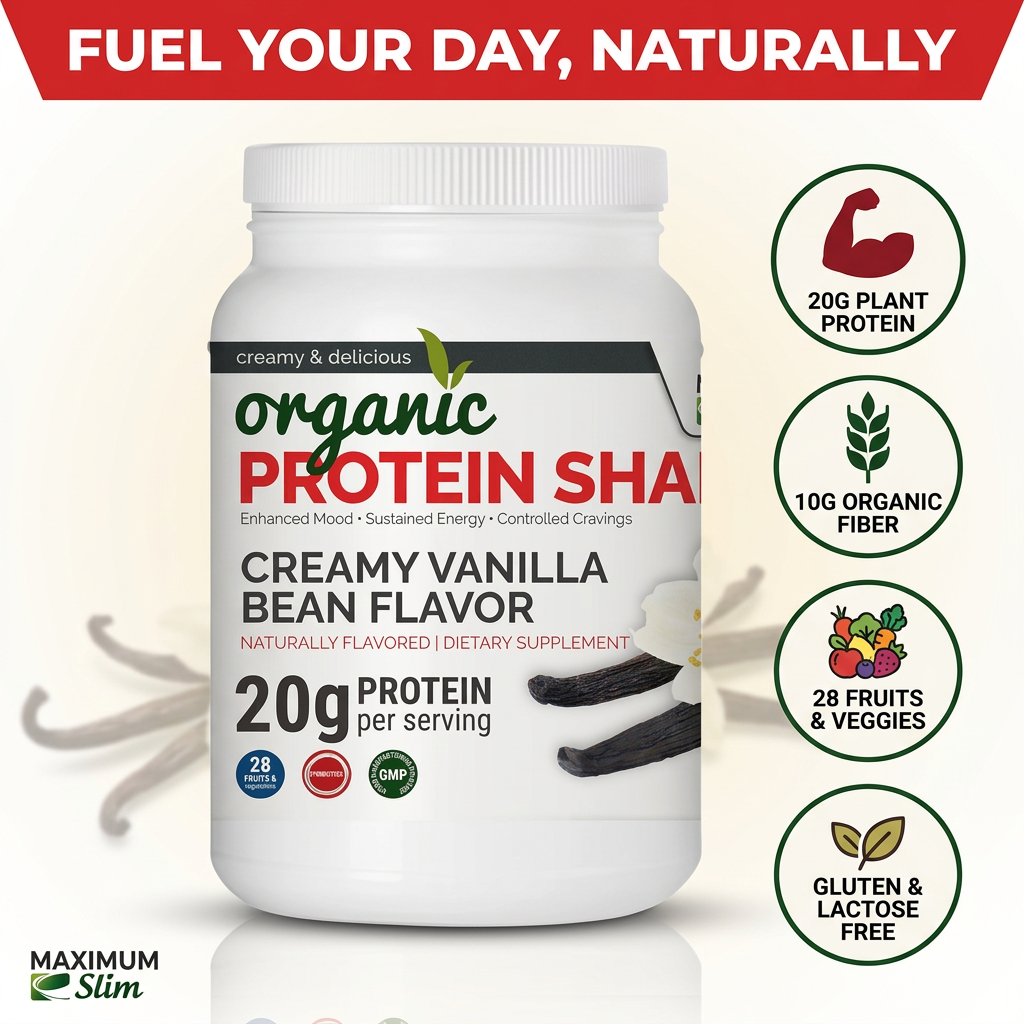
Organic Protein Shake - Maximum Slim | Nutrient Rich Drink for Muscle Recovery
This formula includes a blend of 28 fruits and vegetables and is made to fit a variety of dietary needs.
Shop Now →It's not just for beginners
A lot of people still think calisthenics is a starter phase before “real” training. That's backwards. Basic bodyweight drills are beginner-friendly, but calisthenics itself is highly scalable. The same push pattern can move from a wall variation to incline push-ups, floor push-ups, and far more demanding versions over time.
That scalability is also why it can work for people returning to training or dealing with cranky joints. One of the biggest gaps in beginner fitness content is adaptation. Many routines throw standard push-ups and squats at everyone, even when wrists, shoulders, or knees say otherwise. A better approach is choosing the right variation and volume, such as incline push-ups or wall sits, to support pain-free progression, as noted in this Gymshark beginner calisthenics guide.
What actually makes it sustainable
You don't need to crush yourself to make progress. You need a routine that balances effort with recovery and respects your current capacity.
That means:
- Using regressions early: Easier versions are smart, not weak.
- Protecting joint quality: Good reps beat heroic reps.
- Keeping sessions efficient: Training should sharpen your day, not drain it.
- Staying consistent with nutrition: Better energy and recovery make adherence easier.
If your goal is to get stronger, leaner, and more resilient without building your week around a gym, calisthenics isn't the backup option. For most professionals, it's the practical first choice.
Master the Foundational Bodyweight Movements
Most stalled progress in calisthenics comes from one problem. People chase hard exercises before they own basic movement patterns.
Get these patterns right and nearly every routine becomes more effective. Get them wrong and you turn training into joint irritation and random fatigue. The core patterns are horizontal pushing, vertical pushing, horizontal pulling, vertical pulling, squatting, and core bracing.

Push and pull patterns
Horizontal pushing includes push-ups and their regressions. Set your hands under a position you can control, keep your ribcage down, and move as one piece from shoulders through heels. If your hips sag or your head reaches first, the rep isn't clean.
Vertical pushing usually starts with pike push-ups. These challenge the shoulders more directly. Keep your neck neutral and avoid collapsing into the top of the shoulders.
Horizontal pulling often comes from inverted rows using rings, a bar, or a sturdy setup. Lead with the chest, not the chin. The shoulder blades should move, but don't yank them violently.
Vertical pulling includes pull-ups and easier steps such as hangs, scapular control work, and assisted versions. If you can't pull yet, that's fine. Build the pattern with patience instead of forcing ugly reps.
If you're comparing push-based training options and want a rehab-minded perspective on choosing upper body strength exercises, that resource is useful for understanding how movement choice changes stress and training intent.
Lower body and bracing
Bodyweight lower-body work looks simple until you do it properly. In squats, your feet should stay rooted, knees should track in a controlled line, and your torso should stay organized instead of folding loose. Depth matters only if you can hold position.
For lunges and split squats, slow down the lowering phase. Rushing it, wobbling, and calling it fatigue are common occurrences. It's usually a control issue.
Core training in calisthenics isn't about endless crunches. It's about bracing. In planks, hollow holds, push-ups, rows, and squat patterns, the torso should resist unwanted movement. That creates a stronger transfer between upper and lower body.
A strong core in calisthenics means you can keep shape under tension, not just survive an ab circuit.
Form cues that keep quality high
When fatigue rises, technique usually goes first. That's why cues matter.
Use these:
- For push-ups: Pack the shoulders, keep the ribs down, and press the floor away.
- For pike push-ups: Think head travels down between the hands, not forward.
- For rows: Keep the body rigid and finish by driving elbows, not shrugging.
- For squats: Brace before you descend and keep pressure through the whole foot.
- For lunges: Lower with control and avoid crashing into the bottom.
Technical control matters even more in faster sessions. In conditioning circuits, a braced core and controlled joint alignment help prevent form breakdown, and one common mistake is turning a skill-based session into sloppy cardio, as explained in this Onnit calisthenics workout article.
What doesn't work
A few habits waste months:
- Rushing reps: Speed hides weakness.
- Skipping pulling work: Too many home trainees overdo push-ups and undertrain the back.
- Ignoring pain signals: Discomfort from effort is one thing. Sharp or repeatable joint pain is another.
- Copying advanced athletes: Their exercise selection reflects years of adaptation, not a shortcut you can borrow.
Build skill first. Then build volume. Then make movements harder.
Your Weekly Calisthenics Workout Programs
Most professionals don't need a six-day training split. They need a structure they can run even during a rough workweek. Full-body training works well because each session covers the major patterns, and missing one day doesn't wreck the entire plan.
For beginners, a common recommendation is to train 2 to 4 days per week with 8 to 12 repetitions for 1 to 3 sets, and Harvard Health notes that one simple lower-body calisthenics routine produced a 15% increase in muscle in the trained area when performed consistently in one study, which reinforces that bodyweight work can create real adaptation when programmed well in this Harvard Health overview of calisthenics.
Weekly Calisthenics Program Overview
| Level | Workout A (Monday) | Workout B (Wednesday) | Workout C (Friday) |
|---|---|---|---|
| Beginner | Push, squat, core | Pull, lunge, core | Full-body repeat |
| Intermediate | Harder push and pull focus | Lower body and trunk control | Full-body density work |
| Advanced | Strength-focused full body | Skill and unilateral emphasis | Circuit conditioning |
If you already like a more structured weekly schedule, this 5-day workout plan can help you think through how to organize training stress across the week without crowding your recovery.
Beginner program
This level is for anyone new to training, returning after time off, or managing joint sensitivity. The priority is clean reps and leaving the session feeling worked, not wrecked.
Workout A
- Incline push-up: 1 to 3 sets of 8 to 12 reps
- Bodyweight squat: 1 to 3 sets of 8 to 12 reps
- Dead bug: 1 to 3 sets of controlled reps per side
- Glute bridge: 1 to 3 sets of 8 to 12 reps
- Wall sit: 1 to 3 sets, stop before form fades
Workout B
- Inverted row or table row: 1 to 3 sets of 8 to 12 reps
- Reverse lunge or split squat: 1 to 3 sets of 8 to 12 reps each side
- Side plank: 1 to 3 sets each side
- Incline push-up: 1 to 3 sets of 8 to 12 reps
- Hip hinge pattern or slow bodyweight good morning: 1 to 3 sets of controlled reps
Workout C
- Knee push-up or incline push-up
- Squat
- Row variation
- Dead bug
- Lunge variation
Keep the same set and rep target. Stop each set while you still own the position.
Intermediate program
This level fits people who can already handle standard push-ups, basic rows or pull assistance, and longer tension sets without losing shape.
Workout A
- Push-up: multiple working sets in a controlled rep range
- Inverted row: multiple working sets
- Split squat: multiple working sets each side
- Hollow hold: several focused sets
- Pike push-up: low to moderate reps with strict control
Workout B
- Pull-up progression or assisted pull-up
- Reverse lunge
- Decline or harder push-up variation
- Side plank or hollow variation
- Glute bridge march or single-leg bridge
Workout C Run these as alternating supersets:
- Push-up variation paired with row variation
- Squat variation paired with lunge variation
- Core hold paired with carryover mobility work
Rest enough to keep quality high. If every set turns ragged, the exercise is too hard or the pace is too aggressive.
Coaching note: Busy people often need less variety and better execution. Repeating the right movements for a block works better than chasing novelty every session.
Advanced program
Advanced training still follows the same patterns. The difference is difficulty, density, and control.
Workout A
- Pull-up or advanced pulling variation
- Dip or difficult push-up progression
- Single-leg squat progression
- Hollow body variation
- Pike push-up or handstand progression
Workout B
- Unilateral push variation
- Row or pull progression
- Rear-leg-loaded split squat variation
- Anti-rotation core work
- Accessory scapular control work
Workout C Use a circuit format for conditioning emphasis:
- Squat variation
- Push variation
- Pull variation
- Core movement
- Lunge or hinge variation
The goal here isn't random exhaustion. It's tension, posture, and repeatable output.
How long each session should feel
For a busy professional, the session should feel focused. Warm up, hit the key movements, finish, and move on with your day. If you leave every workout flattened, your program is too expensive from a recovery standpoint.
A good calisthenics workout routine should leave enough room for work performance, decent sleep, and enough energy to come back for the next session.
How to Progress and Scale Your Workouts
A workout only works for a few weeks if it never changes. Progress in calisthenics comes from making the same movement pattern slightly more demanding while keeping technique intact.

A practical model is to train 3 to 5 sessions per week for 25 to 35 minutes, increase the challenge by adding 1 to 2 reps per set or moving to a harder variation, then reduce volume by about 30 to 40% every 4th or 8th week to consolidate gains, as outlined in this BodySpec progression model for calisthenics.
The simplest ways to progress
You don't need to overhaul the routine every week. Use one of these levers:
- Add reps: If all sets are clean, add 1 rep to one or more sets next session.
- Add a set: Useful when the movement still feels stable and recoverable.
- Choose a harder variation: Move from incline push-up to floor push-up, or from bodyweight squat to split squat.
- Slow the tempo: A slower lowering phase often exposes whether you really own the movement.
- Reduce support: Less assistance on rows, pull-ups, or push regressions increases demand.
The key is restraint. If you change reps, variation, and pace all at once, you won't know what's driving progress or pain.
How to regress without losing momentum
Regression isn't going backward. It's precision.
If a movement breaks down, use a version that lets you train the pattern well:
- Raise the hands for push-ups to reduce loading.
- Shorten range of motion temporarily if you can control only part of the movement.
- Use support for balance on split squats or single-leg work.
- Swap floor core drills for dead bugs or side planks if your lower back takes over.
- Separate skill from fatigue if advanced moves collapse under conditioning pace.
This is also where useful outside perspective helps. If you want broader Functional strength conditioning tips, that discussion is worth reading because it reinforces a principle many people ignore. Smarter training usually beats more training.
A quick framework for advancement
Use this decision rule:
| If this happens | Do this |
|---|---|
| Reps are clean and consistent | Add 1 to 2 reps per set |
| Last reps slow down but stay controlled | Stay at the same level another week |
| Form breaks early | Regress the variation |
| Joints feel worse after sessions | Cut volume and recheck exercise choice |
| Motivation drops and fatigue lingers | Deload |
Video can help if you need a visual reminder of progression standards and exercise control.
Deload before your body forces one
Most busy adults wait too long to back off. Work stress adds to training stress, even if you don't feel it during the session.
A planned lighter week keeps momentum alive. Cut volume, keep some movement quality work in place, and come back fresher. That's how you stay consistent for months instead of stringing together short bursts of motivation.
Optimize Recovery for a Busy Schedule
Recovery decides whether your routine builds strength or just creates fatigue. That matters even more when your day already includes meetings, commute stress, long sitting, and inconsistent sleep.
Most professionals don't need elaborate recovery systems. They need a few repeatable habits that lower stiffness, improve session quality, and keep soreness from spilling into the next workday.
Use rest periods on purpose
Within the workout, rest is a training tool. WebMD notes that beginners can start with 2 to 3 sets of 5 repetitions and progress to 2 to 4 sets of 12 to 15 reps, resting up to 60 seconds between sets in this WebMD guide to calisthenics. That rest window helps you balance effort and recovery without turning the session into a long event.
If your form drops sharply, take the rest. If you feel completely fresh, move sooner. Don't force a pace that makes the session sloppier than it needs to be.
A short cooldown that actually helps
A useful post-workout cooldown doesn't need to be long. It just needs to target the positions you loaded.
Try this brief sequence:
- Walk and breathe: Bring your heart rate down and let the ribcage relax.
- Hip flexor stretch: Useful after squats, lunges, and long hours sitting.
- Chest and front-shoulder opening: Helpful after push-heavy sessions.
- Hamstring or posterior-chain mobility: Keeps lower-body work from leaving you stiff.
- Thoracic rotation: Good for desk-bound upper backs.
Recovery is active. If you finish a workout and immediately go back to a laptop in the same hunched posture, you keep feeding the same restrictions.
For soreness management, practical strategies like light movement, hydration, and mobility tend to work better than doing nothing. This article on how to reduce soreness is a useful reference if soreness is what usually knocks you off schedule.
Support recovery with basics, not hype
Recovery nutrition should make your week easier, not more complicated. A simple meal after training, enough fluids, and regular protein intake usually cover the biggest gaps.
If you want a straightforward overview of protein and creatine for recovery, that's a practical read. The key is staying consistent with fundamentals instead of relying on random products while under-eating and under-sleeping.
Know when to pull back
A few signs tell you your current load isn't landing well:
- Your reps look worse week after week
- Joint irritation keeps returning in the same spots
- You dread sessions instead of feeling ready
- Normal soreness lingers too long
- Work stress is unusually high and sleep is poor
That's when you reduce volume, choose simpler variations, and protect the habit. Missing one hard week is better than losing a month.
Nutrition and Supplements to Fuel Your Progress
Training gives your body the signal. Nutrition gives it the material to adapt.
For busy professionals, the right approach is simple food structure, not a complicated meal plan you'll abandon in a week. Your calisthenics workout routine will feel better when meals support stable energy, recovery, and focus through the workday.
Build meals around recovery and energy
The most reliable setup is basic:
- Protein at each meal to support muscle repair
- Carbohydrate around training so sessions don't feel flat
- Healthy fats across the day for satiety and overall diet quality
- Hydration early and consistently so you're not playing catch-up
That structure works better than treating your workout like an isolated event. If breakfast is weak, lunch is rushed, and dinner comes late, don't expect great evening training output.

Keep your routine realistic
A workable nutrition plan for professionals usually looks like this:
- Breakfast: Something easy to digest and protein-centered if you train in the morning
- Lunch: A balanced meal that doesn't leave you sluggish for the afternoon
- Pre-workout: A light option if you're training after work and energy is fading
- Post-workout: A simple meal or shake that helps you recover without turning the evening into another project
Whole foods should do most of the work. Supplements are there to fill practical gaps. They're useful when travel, meetings, parenting, or schedule pressure make ideal meals harder to hit.
Where supplements make sense
A few supplement categories tend to be the most useful in real life:
- Protein powder: Helpful when you need a quick post-workout option
- Greens powders: Convenient on days when produce intake falls apart
- Creatine: Commonly used in strength-oriented routines
- Focus support products: Useful for people training around mentally demanding work
The standard should be convenience and consistency, not chasing a dramatic effect. If a supplement makes it easier to hit your basics, it has value. If it complicates your routine, it's probably not helping.
For a practical look at timing and food choices after training, this guide to post-workout recovery nutrition is worth keeping in your bookmarks.
Good training and clean eating reinforce each other. Better food choices improve session quality. Better training makes it easier to stay disciplined with food. That loop is what creates visible progress.
If you want clean, convenient support for energy, focus, and recovery, take a look at Maximum Health Products. Their lineup includes clean-label wellness staples like Organic Protein, SuperGreens, Functional Cocoa blends, and focus support options that fit a busy professional's routine without adding unnecessary ingredients.

