


Most constipation advice is lazy. It tells everyone the same thing, eat more fiber and drink more water, as if slow motility, dehydration, pelvic floor dysfunction, and medication side effects all behave the same way. They don't. If your stool is already dry, that advice may help. If your gut is sluggish, your toilet posture is poor, or your appetite is suppressed by a GLP-1 medication, the same plan can leave you bloated, gassy, and still stuck.
The right constipation relief natural plan starts with the cause, not the trendiest food. Harvard Health's basic prevention advice still points to the core of it, 4 to 6 glasses of fluids per day, at least 25 grams of fiber daily, and a regular bowel routine because stool gets harder to pass the longer it sits in the intestines Harvard Health. That foundation matters, but it's not one-size-fits-all. If you want a practical guide to fiber targets, your 2026 fiber recommendation is a useful reference point to compare with the clinical ranges doctors use.
The smarter approach is simple. Dry stool needs fluids and soluble fiber. Slow transit needs movement, meal timing, and patience. Pelvic floor dysfunction needs posture and a different strategy. Medication-related constipation needs workarounds that still fit a low-appetite day. That's the decision tree most articles skip.
Why Natural Constipation Relief Is Not One-Size-Fits-All
The biggest mistake people make is treating constipation like one problem with one fix. It isn't. A person with hard, dry stool needs a different approach than someone who feels the urge but can't evacuate, and both need a different plan than someone whose constipation started after a GLP-1 weight-loss drug.
Start by matching the fix to the pattern
If your stool is hard and infrequent, hydration plus gradual fiber is usually the first move. MedlinePlus recommends adding fiber slowly, about 5 grams per week, until you reach roughly 25 to 30 grams per day, while keeping about 2 to 2.5 liters of fluids daily so fiber doesn't backfire MedlinePlus. That slow ramp matters because a sudden jump in fiber without enough water can make constipation worse, not better.
If you strain, sit for a long time, or feel like stool is “right there” but won't come out, the issue may be mechanics, not just intake. Harvard Health warns that straining can contribute to hemorrhoids, anal fissures, and rectal prolapse Harvard Health. In that case, posture and bowel routine matter as much as diet.
Practical rule: don't throw fiber at a constipation pattern you haven't identified. The wrong fiber strategy can turn a small problem into a bigger one.
That also applies to medication-related constipation, especially with GLP-1 drugs. Appetite drops, fluid intake often drops with it, and a big fiber jump can leave someone more bloated without improving stool passage. A generic “just eat more salad” answer misses the core issue.
People with severe bloating, alternating diarrhea and constipation, or long-standing constipation that has not improved with basic home care need a different level of attention. Those patterns can point to slow transit, pelvic floor trouble, or a problem that natural fixes will not solve on their own.
The clean way to think about it is this. Dry stool, use fluids and gradual fiber. Slow transit, add movement and routines. Outlet problems, focus on toilet posture and medical evaluation sooner. Medication-related constipation, adapt the plan to low intake instead of forcing a textbook diet.
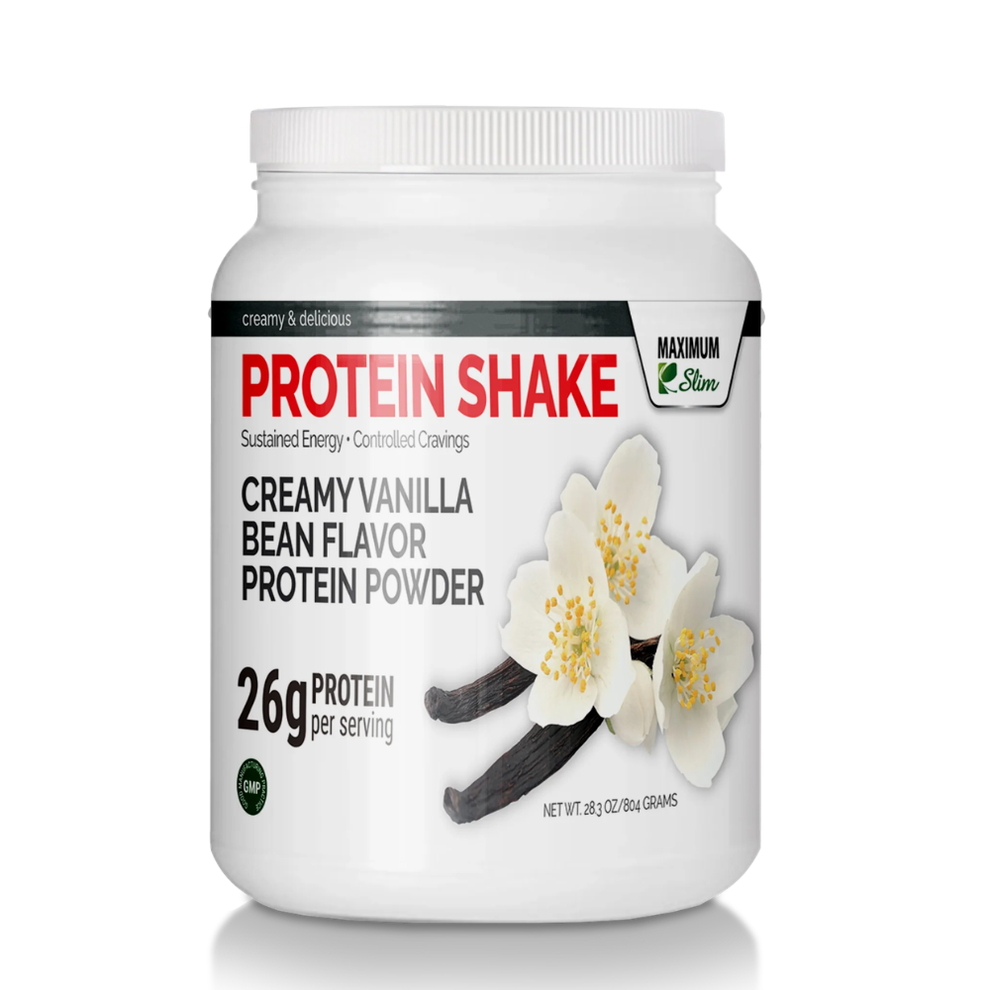
Featured Product
Organic Protein Shake - Maximum Slim
Each serving provides 20g of organic plant-based protein and 10g of organic fiber, making it a convenient option for smoothies, shakes, and meal replacement support.
Shop Now →Immediate Relief Tactics You Can Use Today
For constipation relief natural, you want something that works today, not a vague promise for next week. Start with the lowest-friction moves first. Warm fluids, a short walk, and better toilet posture are plain, but they are usually the first things I'd use before stacking pills or powders.
Use food and posture with a purpose
Prune juice is the most practical quick drink for many adults. A typical home approach uses about 120 mL. Take it earlier in the day, then watch what happens over the next several hours. If juice feels too sweet or too heavy, warm water on waking is a gentler way to start a bowel routine.
Psyllium can help, but only if you respect the water requirement. A common approach uses 1 teaspoon of psyllium husk in a full glass of water. Ground flaxseed also has a place, usually 1 to 2 tablespoons, especially if your diet is already decent and you need a nudge rather than a full reset Doctor in My Home. The mistake is loading up on all three at once and then acting surprised when bloating shows up.
The mechanics matter just as much as the food. Sit on the toilet 15 to 45 minutes after a meal, put your feet on a stool so your knees rise above your hips, and lean forward a little. That position helps straighten the anorectal angle and reduces straining Doctor in My Home.
A short walk after meals can help too. Temple Health lists exercise, bowel training, and a toilet stool among its main home measures for constipation, and that lines up with what I see in practice Temple Health. Use a walk after lunch or dinner, not a punishing workout. You want to nudge motility, not turn the plan into a fitness test.
For a fuller food-based approach, the right fiber intake recommendations matter more than random roughage, especially if you are trying to avoid bloating while still getting results Maximum Health Products.
If you need food ideas that fit a steady plan, browse top high fiber snacks only after you know how much fiber your body can handle.
If you are dealing with medication-related constipation, especially from GLP-1 use, keep the same tactics but lower the fiber rush. Low intake and slower gut movement make aggressive fiber jumps backfire fast. In that case, fluids, gentler portions, and routine matter more than forcing a textbook high-fiber day.
If you have severe bloating, pain, vomiting, no gas passage, or constipation that keeps returning despite these steps, stop treating it like a simple home-care problem. That pattern needs medical evaluation, not more prune juice.
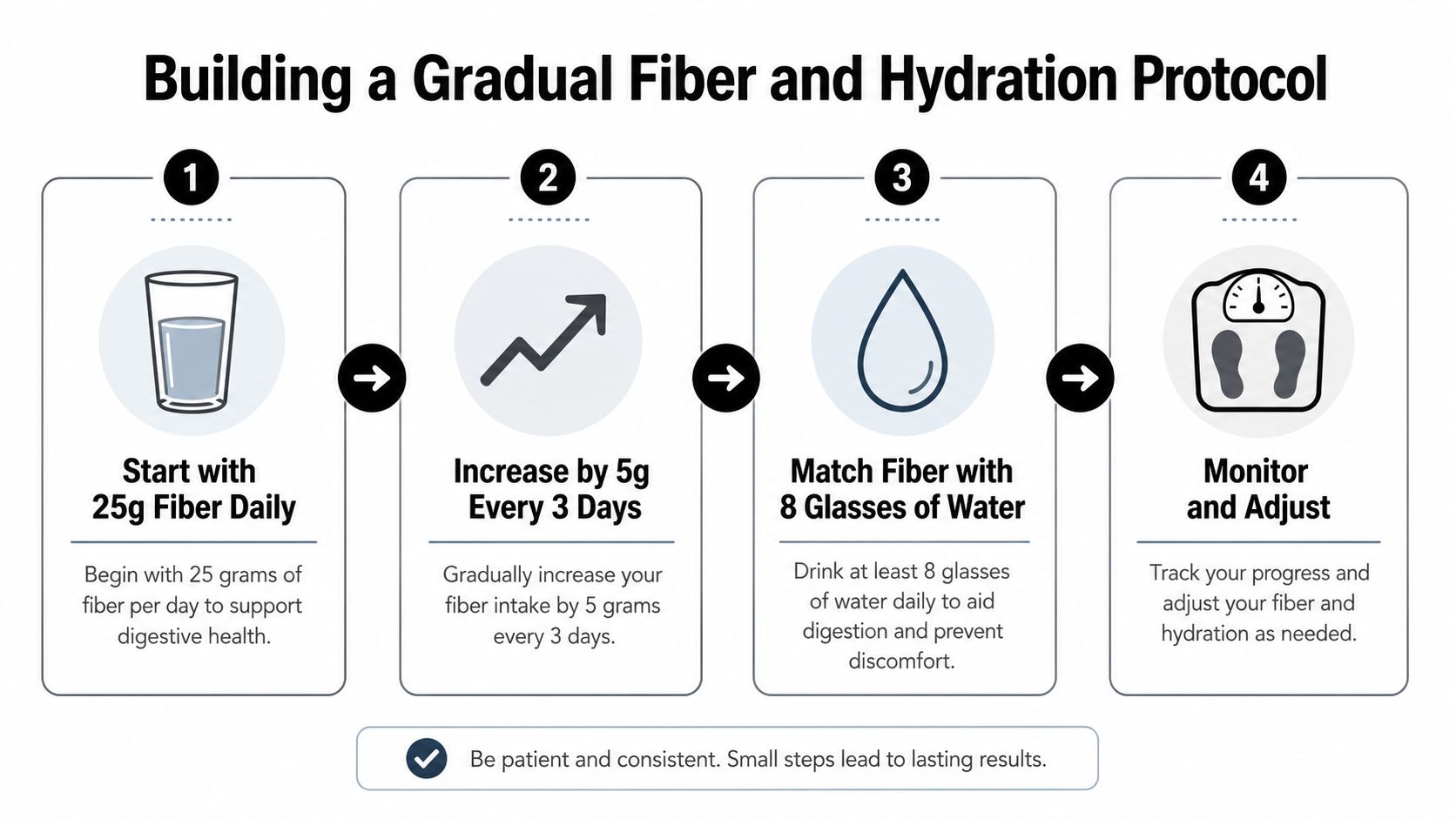
Building a Gradual Fiber and Hydration Protocol
If you want constipation relief natural methods to hold, stop treating fiber like a fast fix. Fiber works best when you build it in slowly and give it enough water to do its job. Add it too fast, and you get bloating, gas, and the usual wrong conclusion that fiber failed.
Ramp up instead of blasting through
The clean rule is simple. Add about 5 grams of fiber per week until you reach roughly 25 to 30 grams per day, while keeping 2 to 2.5 liters of fluids daily. That gives your gut time to adapt, and it keeps short-term discomfort from ruining a plan that would have worked if you had given it a fair shot.
Spread fiber across meals instead of stuffing it into one huge salad. Start with breakfast oats, add lunch beans or lentils, then dinner vegetables, and finish with one or two snacks that help you close the gap. If you need snack ideas that fit that approach, browse top high fiber snacks after you know how much fiber your body can tolerate.
Soluble fiber is the safer place to start for many people because it tends to soften stool rather than add bulk too aggressively. Insoluble fiber still has a role, but it can be rougher if you are already bloated or moving slowly. That is why a gradual plan beats the “eat a mountain of bran” strategy every time.
Practical rule: fiber without enough water is a mistake, not a fix.
If you want a clear target for intake, this fiber intake recommendation guide lines up well with the clinical approach. The job is straightforward. Add a little, drink enough, wait a few days, then adjust. That is how you get softer stool without turning your gut into a pressure cooker.
A good two-week test is enough for many people. If you have less straining, better regularity, and less dread around the bathroom, the plan is working. If you feel bigger, gassier, and unchanged, you are probably pushing too fast or using the wrong tool for your constipation subtype.
Supplements and Foods Worth Considering
Some remedies deserve a place in a real constipation plan. Others are only useful if you use them the right way, at the right time, and for the right subtype. That means no random stacking, no panic shopping, and no forcing fiber on someone who is already bloated and backed up.
Compare options before you stack them
| Option | How it Works | Typical Dose | Best For |
|---|---|---|---|
| Psyllium | Forms a gel that helps stool hold water and move more easily | 1 teaspoon in a full glass of water | Dry stool, maintenance, gradual regularity |
| Prunes or prune juice | Provides fiber plus natural sugars that help bowel movement | About 120 mL prune juice | Quick food-based relief |
| Kiwi | A practical fruit option that fits regular routines | Commonly 2 green kiwis daily in evidence-based reviews | People who want a food-first routine |
| Ground flaxseed | Adds mucilage and gentle bulk | 1 to 2 tablespoons | Mild constipation and routine support |
| Targeted probiotics | May help some people, depending on strain | Strain-specific, not random blends | People willing to test one option at a time |
| Magnesium | Draws water into the bowel | Use carefully and avoid if kidney function is an issue | Short-term help when appropriate |
| Senna | Stimulates the bowel more directly | Short-term only | Rescue use, not daily life |
Psyllium and flaxseed fit cleanly into food routines, which is why they work well for people who need steady support rather than a quick fix. Prunes and kiwi are better if you want something that feels like food first and medicine second. Magnesium can help when stool is dry, but it is not a casual pick if kidney problems are in the picture. Senna still has a place, but only as a rescue tool.
For a closer look at other digestive support options, the guide on best supplements for digestive health is a useful companion read. It helps separate what may support bowel function from what just sounds helpful on a package.
A useful evidence snapshot comes from a 2015 review of complementary therapies, which found PMC review that acupuncture or electroacupuncture and herbal medicine were the most commonly used approaches and appeared effective, while massage and moxibustion were inconclusive. That matters because it shows natural care is broader than food alone. It also shows that some non-drug approaches have more of a real evidence base than others.
If hemorrhoids are already part of the picture, straining has to drop fast. The right food choices matter more when pain and hard stool show up together, and what to eat for hemorrhoids relief is a sensible companion read for that situation. Keep the rule simple. Pick one or two tools, use them consistently, and stop treating your kitchen like a supplement aisle.
Daily Habits That Lock In Results
Regularity usually comes from routine, not from piling on more supplements. Your gut responds better when it can predict what happens next. Eat around the same time. Drink earlier in the day. Protect toilet time. Keep moving.
Build a bowel rhythm, not a rescue habit
A set bowel routine helps because stool gets harder to pass the longer it sits in the intestines. A consistent morning meal is a strong anchor, since eating triggers the gastrocolic reflex. Breakfast often works better than waiting until the day is already chaotic. If you want a more practical home routine, this guide to improving digestion naturally at home matches that same approach.
The toilet window matters too. Aim for a calm 15 to 45 minutes after a meal instead of random, rushed attempts. That gives your body a predictable signal, and it helps you stop forcing bowel movements when the timing is off. If you keep ignoring the urge, your body learns to respond less.
A few habits deserve priority:
- Move after meals: a short walk is enough to support motility.
- Use the footstool: knees above hips reduces straining.
- Drink earlier: don't front-load fluid at bedtime and expect it to solve a dry morning.
- Keep sleep steady: irregular sleep makes bowel routines less predictable.
- Don't sit and strain: long toilet sessions train the wrong pattern.
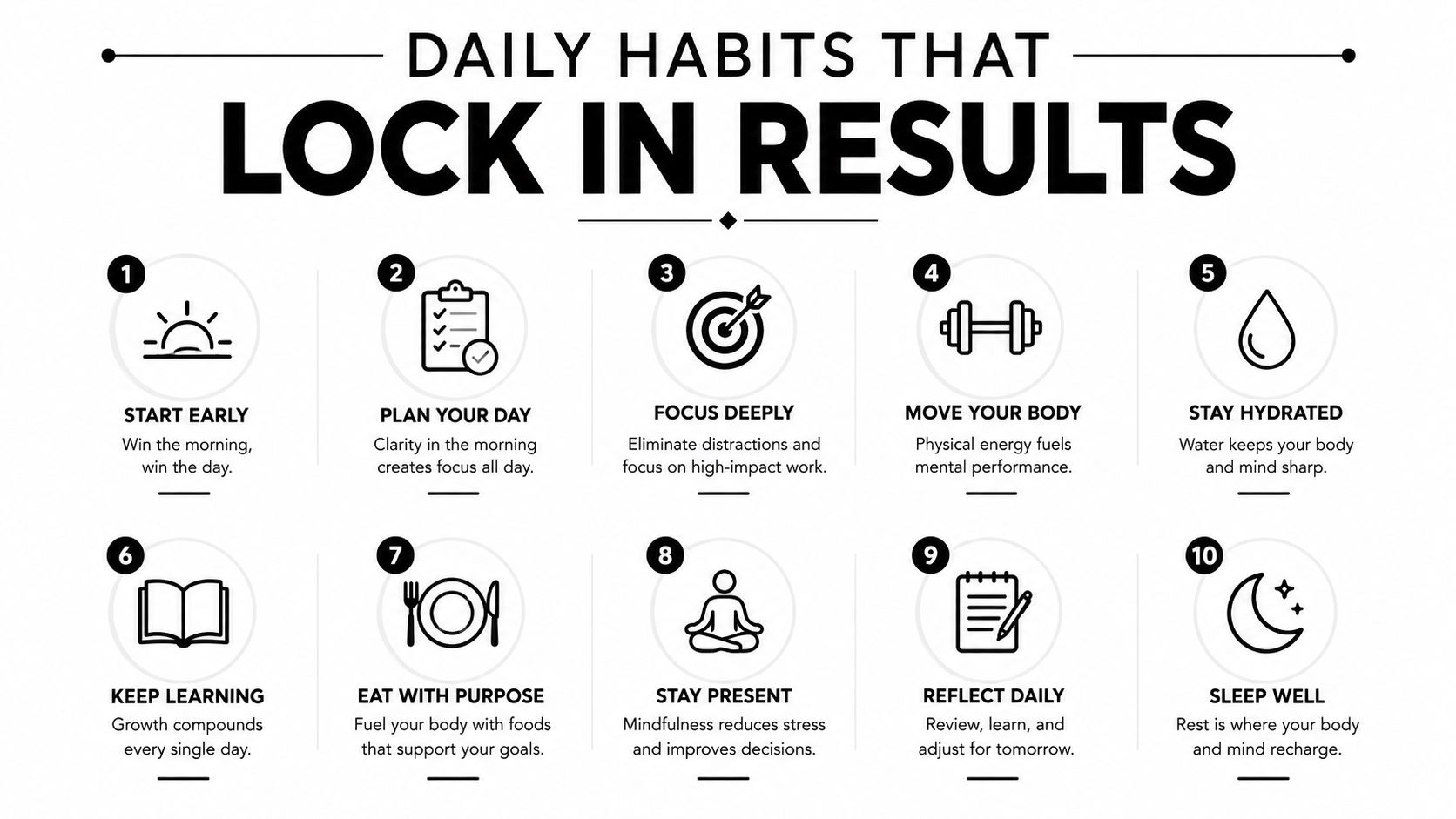
The point is not perfection. The point is repetition. Give your gut the same cues every day, and the fiber and fluids you already added have a better chance of doing their job.
Real Scenarios and How to Adjust
The fastest way to fail at natural constipation relief is to copy someone else's plan without checking your own context. A low-appetite person on medication and a parent trying to help a constipated child don't need the same playbook. They need the same principles, applied differently.
A GLP-1 user needs a lighter, smarter plan
A busy professional on a GLP-1 weight-loss drug often has smaller meals and less predictable hydration. For that person, a giant fiber jump is a bad move. The better approach is smaller, spread-out fiber doses, earlier-day fluids, a short walk after meals, and a toilet routine that doesn't depend on feeling perfectly “ready.”
Magnesium can be useful at night if it fits the person and there isn't a kidney issue, but it shouldn't be the only move. The key is building intake around the medication side effects instead of pretending appetite is normal. If meals are tiny, then a full fiber ramp may need to start slower than the standard protocol.
A child needs food-first caution
For a constipated child, I'd keep the plan simple and conservative. Food first, routine first, and only move to supplements or medication with medical guidance. Prunes, kiwi, and regular toilet timing do more than most parents think, especially when a child is holding stool and avoiding the bathroom.
The same posture tricks can help, but don't force a child into adult-style supplement stacking. Kids are more sensitive to overcorrection. If the child is still having pain, has blood, or is going many days without a bowel movement, don't keep improvising at home.
Bottom line: when constipation shows up in a person with low intake, medication side effects, or a child's eating pattern, the answer is usually simpler and more specific than the internet makes it sound.
Red Flags and a Maintenance Plan That Lasts
Natural care has limits, and if you keep repeating the same home tactics with no real change, you need evaluation, not more hope. Blood in the stool, unexplained weight loss, severe pain, constipation that keeps hanging on after consistent effort, or alternating constipation and diarrhea in an older adult are red flags that deserve a medical conversation.
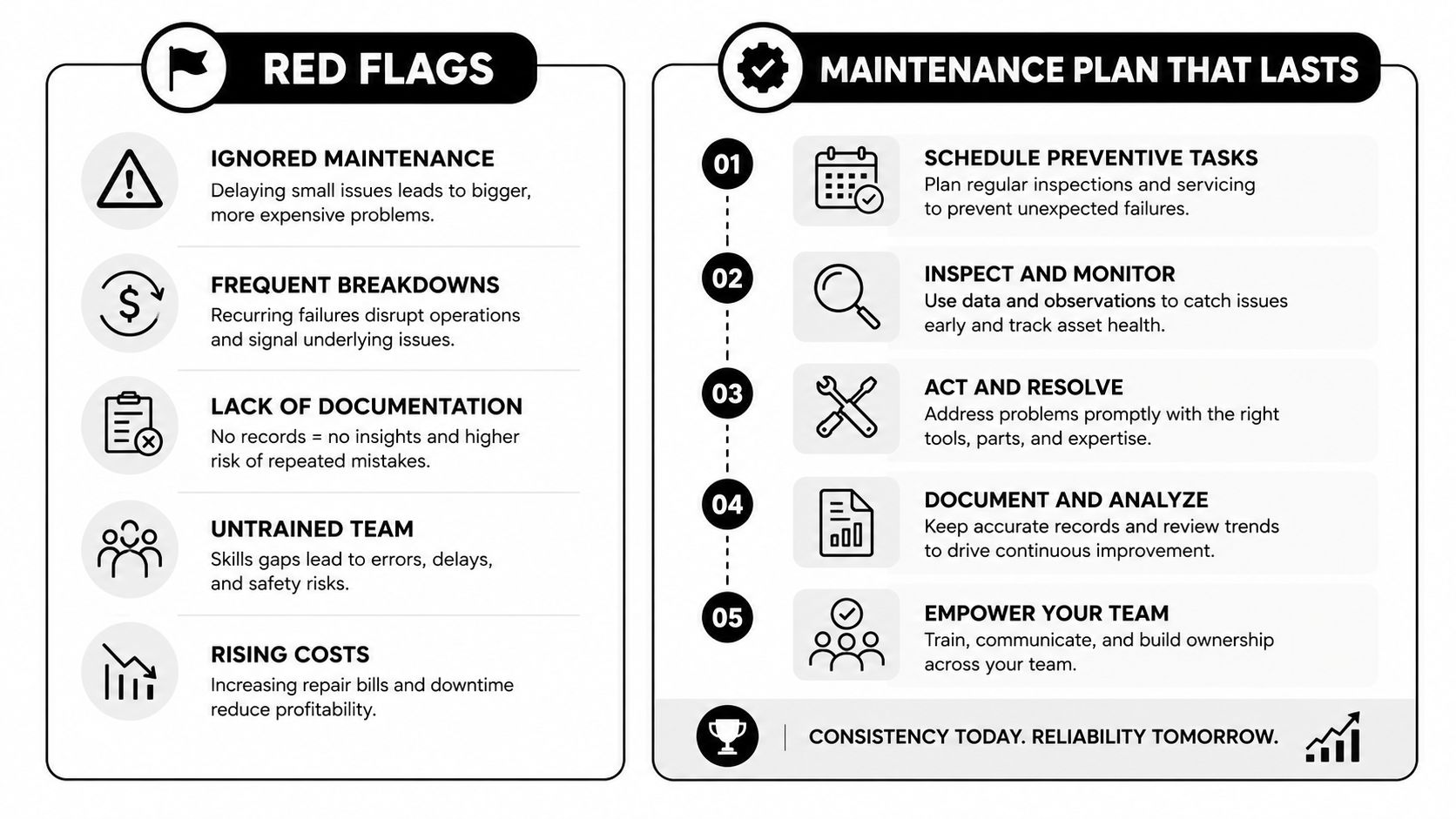
A maintenance plan that lasts is plain and repetitive, and that is why it works. Keep a fiber target, keep a fluid target, keep one movement anchor after meals, and keep one toilet routine anchor in the morning or after breakfast. If psyllium, kiwi, magnesium, or probiotics already help, stay with the smallest effective version instead of cycling through a pile of remedies.
The point is consistency, not rescue mode. Don't wait until you are backed up again to restart the basics. If home care is no longer changing the pattern, book a medical evaluation and stop guessing.

