


Some mornings, coffee feels like a gift. You take a few sips, your brain wakes up, and the day starts moving. Other mornings, the same mug leaves you feeling puffy, gassy, or strangely overfull before breakfast is even done.
If that sounds familiar, you're not imagining it. Coffee is one of the most widely consumed drinks in the world, and gut reactions to it are common enough that plenty of people ask themselves whether they have to choose between energy and comfort. The better question usually isn't “Is coffee bad?” It's what exactly in this coffee routine is bothering me?
That distinction matters. For one person, the trigger is caffeine. For another, it's the acidity. For someone else, it's the splash of milk, the sugar-free syrup, or an underlying gut issue that coffee happens to expose. If you can identify the actual trigger, you often don't need to give up coffee entirely.
Featured Product
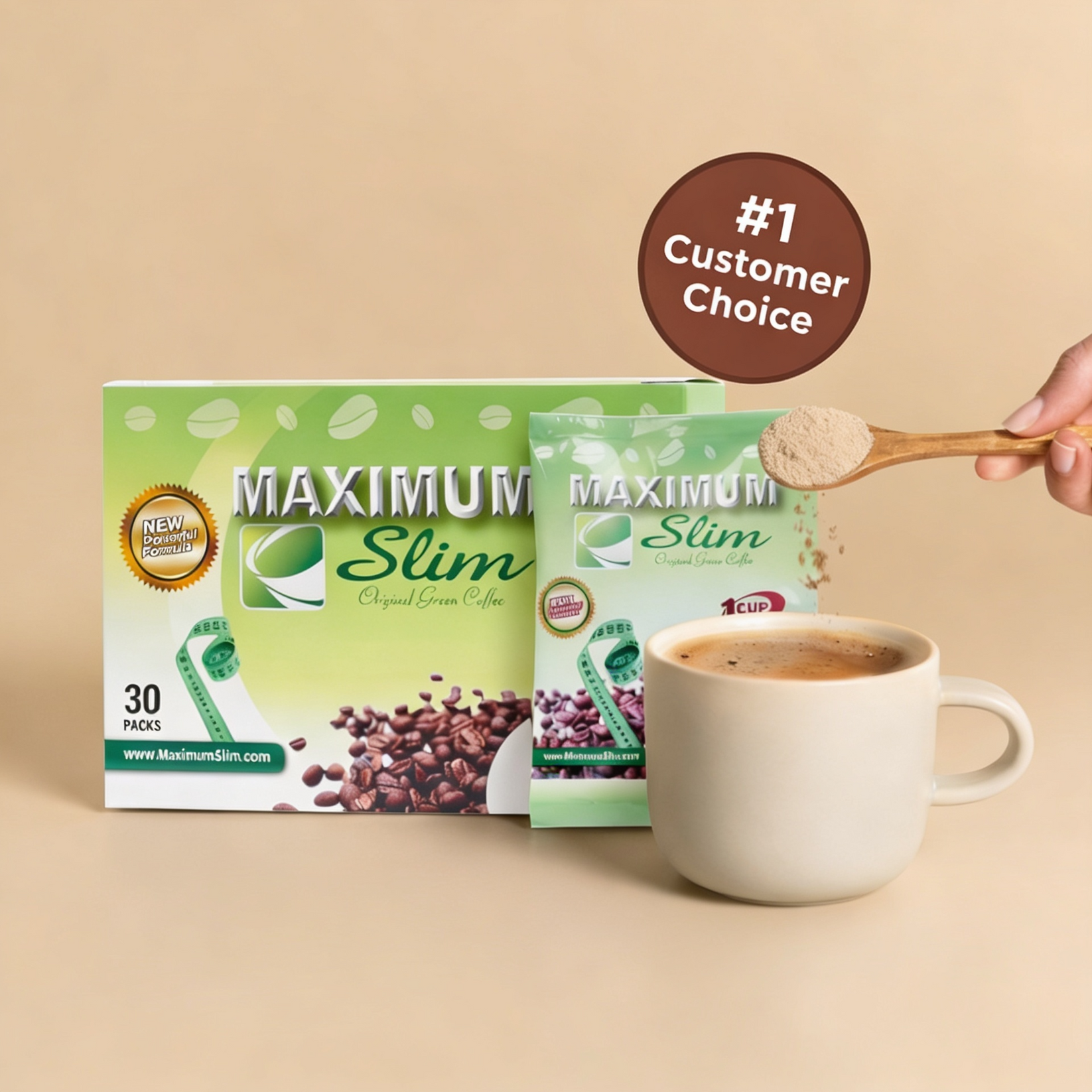
Maximum Slim Original Green Coffee
Our formula features unroasted green coffee beans combined with natural herbal extracts to create a flavorful and satisfying beverage you can enjoy every day.
Shop Now →Why Your Morning Coffee Can Feel Like a Gamble
You wake up tired, make your usual coffee, and expect the same result you got yesterday. But your digestive system doesn't always follow a script. One day your cup helps you “go” and you feel lighter. The next day, the very same drink seems to sit in your stomach like a balloon.
That unpredictability is part of why coffee and digestion feel so confusing. Coffee is hugely popular. The International Coffee Organization estimate cited in this review on coffee and the gastrointestinal tract puts global consumption at about 175 million 60-kilogram bags in the 2023/24 coffee year. That same review notes clinical evidence that coffee can worsen reflux-related upper GI symptoms in some people, with most studies reporting 10 to 20% aggravation and some reporting 30 to 40% aggravation of GERD symptoms.
GERD isn't the same thing as bloating or gas, but it helps explain why coffee can feel uncomfortable in the upper belly for some people. If coffee can increase reflux-related symptoms in a noticeable subset of drinkers, it makes sense that other digestive sensations like pressure, fullness, and bloating also show up in real life.
The same cup can create different symptoms
A lot of readers use the word “bloating” to describe several different feelings at once:
- Immediate fullness after the first few sips
- Burning or chest pressure that's more like reflux
- Gas and distention later on
- Cramping or urgency from fast gut movement
Those are not the same problem, even if they all get called bloating.
Practical rule: If you can tell whether your symptom is fullness, reflux, or gas, you're already much closer to solving it.
For a broader lifestyle-oriented breakdown, your guide to comfortable coffee sipping is a useful companion read because it frames coffee discomfort as something to troubleshoot, not just tolerate.
How Coffee Interacts With Your Digestive System
Coffee doesn't just “hit your stomach.” It interacts with several parts of digestion at once. The easiest way to think about it is this: coffee can press the accelerator on your digestive system, but every body responds to that acceleration differently.

Acid can make your stomach feel crowded
Coffee can stimulate gastric acid secretion. If your stomach lining is sensitive, or if you already deal with reflux or upper belly irritation, more acid can feel like heaviness, pressure, or a sour, swollen sensation.
People often assume acid only causes heartburn. In practice, it can also create that “my stomach feels angry and full” feeling. It's like turning up the volume on a speaker that was already a little too loud. The sound isn't new, but it becomes harder to ignore.
Motility can help or backfire
Coffee can also speed up gut motility, meaning the wave-like contractions that move food along. For some people, that's helpful. They drink coffee, their bowels wake up, and they feel less backed up.
But this effect is highly individual. As explained in this article on coffee, gut movement, and bloating, coffee can accelerate intestinal contractions and gastric emptying, yet in sensitive people, especially those with IBS, SIBO, or dysbiosis, that same stimulation can shift from improving transit to increasing gas retention, fermentation, or perceived abdominal pressure.
That's why coffee can feel like a relief one day and a trigger the next. The “faster” signal doesn't guarantee comfort.
Reflux can masquerade as bloating
There's another piece people miss. Coffee may contribute to reflux-like discomfort by affecting the valve between the esophagus and stomach. When that area is more relaxed or irritated, stomach contents can move upward more easily.
You might not label that as reflux. You might just say, “Coffee makes me feel puffed up in my chest or upper stomach.” But upper abdominal pressure, burping, and a swollen feeling after coffee can sometimes be more about reflux than gas.
If your discomfort shows up quickly after drinking and sits high in the abdomen, think beyond gas. The symptom may be coming from acid or reflux mechanics instead.
Some people also explore gut-support strategies alongside coffee changes. If you're curious how people combine coffee habits with digestive support, this overview of coffee with probiotics can help you think through that angle.
Is It the Coffee or What You Add to It
Sometimes coffee gets blamed for a problem created by everything surrounding it. The beans may play a role, but your creamer, milk, sweetener, syrup, or coffee-shop extras can be the main reason you feel bloated and gassy.

Historical research, summarized in this article on coffee and bloating triggers, found coffee caused the stomach to enlarge more than water, which can create fullness. The same source also notes that milk, creamers with lactose, and artificial sweeteners are common add-ins that can worsen bloating.
The add-ins that commonly cause trouble
Here's where coffee becomes a layered drink instead of a simple one.
| Add-in | Why it may bother you | What it can feel like |
|---|---|---|
| Milk or cream | Lactose can be hard to digest for some people | Gas, rumbling, lower belly bloating |
| Artificial sweeteners | Some are poorly tolerated and may worsen bloating | Gas, pressure, loose stools |
| Sugary syrups | Can add digestive load for some people | Fullness, heaviness |
| Large, rich coffee drinks | More volume and more ingredients at once | Upper stomach stretching and discomfort |
A simple test beats guessing
If you want a clean experiment, don't change five things at once. Try one version of coffee with the fewest variables possible. Then compare.
- Day one: Plain black coffee
- Day two: Same coffee, add milk
- Day three: Same coffee, add sweetener
- Day four: Same coffee, drink with breakfast instead of alone
That kind of comparison tells you more than switching brands every day.
Plain coffee plus symptoms suggests the coffee itself may be part of the issue. Coffee only with creamer or sweetener points toward the extras.
If dairy seems suspicious, it may help to learn more about alternatives and tolerance. This guide to lactose-free protein is useful because many of the same dairy-tolerance questions show up in coffee habits too.
Why Coffee Affects Everyone Differently
Two people can order the same drink and have opposite experiences. One feels lighter and more alert. The other feels swollen, jittery, and uncomfortable. That doesn't mean one of them is wrong. It means coffee's effects depend on your body, your gut, and the type of coffee in the cup.
Caffeine sensitivity is only one piece
If you're sensitive to caffeine, coffee may feel like flipping on too many switches at once. Your stomach gets more active, your intestines move faster, and your nervous system becomes more alert. That combination can create urgency, cramping, and a “wired but uncomfortable” feeling.
But caffeine is not the whole story. This is a common sticking point. They switch to decaf, still feel bloated, and conclude that coffee is mysterious or random.
It's not random. It's often a clue.
The decaf paradox matters
A useful point raised in this discussion of whether decaf coffee can still cause bloating is that many people assume removing caffeine solves the problem. If decaf still triggers symptoms, the issue may not be caffeine at all. It may be coffee's acids, other compounds in coffee, or what you're adding to it.
That's why decaf can be such a helpful detective tool. It separates one variable from the rest.
Think of your coffee reaction like a fire alarm. Caffeine is one possible trigger, but not the only one. If the alarm still goes off after you remove caffeine, you've learned something important. You stop blaming the wrong cause.
Your baseline gut health changes the experience
Coffee also behaves differently depending on what's already going on in your digestive system.
If you have a generally calm gut, coffee's stimulating effect may feel productive. If you have IBS, reflux, a sensitive stomach, or frequent bloating from other foods, coffee may land on top of a system that's already irritated. Then even a normal cup can feel like too much.
A few questions make this clearer:
- Do symptoms happen with all coffee, or just strong coffee?
- Does decaf still bother you?
- Do you react more when you drink it on an empty stomach?
- Is the problem worse with milk-based drinks?
- Do you already deal with IBS, reflux, constipation, or frequent gas?
Coffee type still matters, but less than your pattern
People often search for the “best” roast or brew, but your personal pattern is usually more informative than the label on the bag.
For example:
- If regular coffee bothers you but decaf doesn't, caffeine is a strong suspect.
- If both regular and decaf bother you, think about acid, coffee compounds, or add-ins.
- If coffee only bothers you without food, timing may be your biggest issue.
- If coffee triggers symptoms mostly during stressful weeks, your nervous system and gut sensitivity may be part of the picture.
Your body gives better clues than internet debates about roast color.
How to Enjoy Coffee Without the Bloat
You usually don't need a dramatic reset. Small, targeted changes work better because they help you isolate the specific trigger. If you've been asking, does coffee cause bloating and gas, the practical answer is often, “It can, but the fix depends on why.”

Start with the easiest changes
It's often best to begin with habits that don't require buying anything new.
- Drink coffee with food. If coffee on an empty stomach makes you feel shaky, acidic, or swollen, adding even a simple breakfast can buffer the impact.
- Reduce the dose. A smaller serving gives you a cleaner test than switching to a totally different beverage right away.
- Slow down. Gulping a hot drink quickly can leave you feeling overly full and uncomfortable.
- Keep the recipe simple for a few days. Fewer ingredients make patterns easier to spot.
These changes are especially useful because practical guidance on coffee-related bloating often points to reducing dose, avoiding coffee on an empty stomach, and trialing decaf or lower-acid options when symptoms cluster after coffee intake, as discussed earlier in the article.
Match the strategy to the likely cause
At this stage, troubleshooting becomes more useful.
| If this seems like your trigger | Try this first | Why it may help |
|---|---|---|
| Caffeine sensitivity | Switch to half-caf or decaf | Reduces the stimulant effect on gut motility |
| Acid or upper stomach irritation | Drink with food or test a lower-acid preparation | May reduce that sharp, irritated, overfull feeling |
| Milk or creamer intolerance | Use a plain dairy-free option or drink it black briefly | Helps separate dairy from coffee itself |
| Artificial sweetener reaction | Remove sugar-free syrups and sweeteners | Some people tolerate coffee better without them |
| Large volume issue | Have a smaller cup | Less stomach stretching can mean less fullness |
A lot of people also compare coffee with other energizing drinks when they're trying to find a gentler routine. If that's you, this piece on the health benefits of matcha or coffee offers a practical way to think about whether another caffeinated option might suit your digestion better.
Here's a visual summary you may find useful before you start experimenting:
Build a short elimination plan
You don't need a complicated protocol. A simple four-step test works well.
- Keep one coffee type consistent for several days.
- Remove add-ins and see what changes.
- Test timing, with food versus without food.
- Compare regular and decaf.
Write down what happens within the first hour and later in the day. That timing matters. Fast upper-belly discomfort points in a different direction than gas that develops later.
Best shortcut: Change one variable at a time. If you change the beans, the milk, the serving size, and the time of day together, you learn almost nothing.
If you want broader non-coffee digestive support habits while you troubleshoot, this guide on how to improve digestion naturally at home gives practical ideas that pair well with a coffee experiment.
When Your Symptoms Point to Something More
Coffee can absolutely cause digestive discomfort in some people. But coffee shouldn't become a catch-all explanation for symptoms that are severe, persistent, or clearly out of proportion to what you drank.
A good rule is this: mild bloating after a cup of coffee is one thing. Ongoing digestive distress is another.
Signs that deserve medical attention
Please check in with a healthcare professional if you have:
- Severe abdominal pain
- Persistent bloating that doesn't improve when you change your coffee habits
- Unexplained weight loss
- Blood in the stool
- A major change in bowel habits
- Frequent vomiting
- Trouble swallowing
- Regular reflux symptoms that keep returning or disrupt sleep
Coffee may be exposing an issue rather than causing it. Reflux, IBS, food intolerances, and other digestive conditions often become more obvious when the gut is stimulated.
Don't force yourself through symptoms
Some people keep trying to “tough it out” because they love coffee or rely on it for work. That's understandable, but it's not useful if your body is sending repeated distress signals.
If your symptoms are mild, self-testing is reasonable. If they're chronic, painful, or escalating, a clinician can help you sort out whether coffee is the problem, the amplifier, or just the messenger.
Your Coffee and Bloating Questions Answered
Is cold brew less likely to cause bloating?
For some people, yes. Cold brew is often chosen by people who feel that regular hot coffee is harsher on their stomach. But there isn't a universal winner. The best test is still personal tolerance. If your symptoms seem tied to acidity or upper stomach irritation, cold brew may be worth trying.
Can decaf still cause gas and bloating?
Yes, it can. As noted earlier, decaf still causes symptoms for some people, which suggests caffeine isn't always the culprit. If decaf bothers you too, think about coffee acids, other coffee compounds, or what you put in the cup.
Why does coffee sometimes help me feel less bloated?
Because not all bloating is the same. Some people feel “bloated” when they're constipated or sluggish. Coffee can stimulate bowel activity, which may make them feel better. But as explained in this article on coffee, IBS, and the paradox of bloating, coffee can feel both de-bloating and bloat-triggering depending on context, especially for those with IBS. The key is to separate immediate fullness, reflux-like discomfort, and true gas production.
What if I have IBS?
Be extra observant about pattern and timing. Coffee can stimulate motility, which may help one day and irritate the next. Keep your coffee routine consistent while testing one variable at a time. If IBS symptoms are frequent, bring your notes to a clinician or dietitian.
Is green coffee different?
It may feel different for some people, but the same logic applies. Don't assume a different coffee product will automatically solve bloating. Test it the same way you'd test any other coffee, with as few add-ins as possible and clear notes on symptoms.
What can I use for occasional discomfort while I'm figuring this out?
Some people look for short-term options for occasional digestive discomfort while they troubleshoot their triggers. If you want to see an example of that kind of product, Aero Om Duo for discomfort is one option to review with your pharmacist or healthcare provider.
If you want cleaner daily wellness support while you work on energy, digestion, and routine-friendly nutrition, explore Maximum Health Products. Their range includes coffee, tea, protein, and supplement options designed for people who want simple ingredients and practical support for feeling better day to day.

