


You're in bed, the lights are low, and your hands are wrapped around a warm mug of cocoa. The first few sips feel comforting. Your shoulders drop, your thoughts slow down, and sleep seems close. Then, later than expected, you're still awake, or you wake during the night wondering whether that innocent-looking drink had something to do with it.
So, does hot cocoa make you sleepy? Sometimes it helps you feel relaxed, but it isn't a dependable sleep-inducing food. Hot cocoa combines several different influences: warmth, routine, sugar, milk, cocoa solids, caffeine, and theobromine. Your recipe, serving size, timing, and personal sensitivity can change the result.
The same mug can calm one person and keep another person alert because the relaxing ritual and the active ingredients are working at the same time.

The easiest way to understand your response is to separate four mechanisms. First, warmth and a familiar bedtime routine can tell your nervous system that the day is ending. Second, sugar can affect energy and comfort without reliably deepening sleep. Third, milk contributes to a soothing texture and may contain sleep-related nutrients, but it isn't a sedative. Finally, cocoa contains theobromine and caffeine, compounds associated with alertness rather than classic sleepiness.
The practical answer isn't that you must give up cocoa. It's that you should match the drink to your body and schedule. A lightly sweetened mug earlier in the evening may fit comfortably into your routine, while a concentrated, sugary serving close to bedtime may be a poor choice if you're sensitive to stimulants or nighttime digestive discomfort.
How Warmth and Bedtime Rituals Quietly Prepare You for Sleep
A warm drink can make you feel sleepy without containing a powerful sleep-promoting substance. The effect often begins with context. You've finished work, put away your phone, lowered the lights, and reached for the same favorite mug. Your brain recognizes the sequence as a transition from activity to rest.
Warmth creates a cooling sequence
A warm beverage briefly raises the sensation of warmth in your mouth, throat, and stomach. Afterward, your body can release heat through the skin, contributing to the natural cooling process that accompanies sleep preparation. The important point is that the drink isn't acting like a sleeping pill. It's participating in a broader temperature and comfort sequence.
Opening a window before turning off the lights doesn't put you to sleep, but it changes the environment and supports the conditions you associate with bedtime. A warm mug can work in a similar way when the rest of your evening already signals quiet.
Repetition lowers mental activity
A consistent ritual can also reduce decision-making. If you prepare the same drink, sit in the same chair, and move through the same quiet actions each evening, you're giving your brain fewer problems to solve. Slow sipping, gentle breathing, and dim light can help shift attention away from unfinished tasks.
That shift may feel like sleepiness, but relaxation and actual sleep pressure aren't identical. You can feel peaceful while still having enough stimulation in your system to delay sleep onset. This distinction matters with cocoa because the drink's warmth may be calming while its methylxanthines remain biologically active.
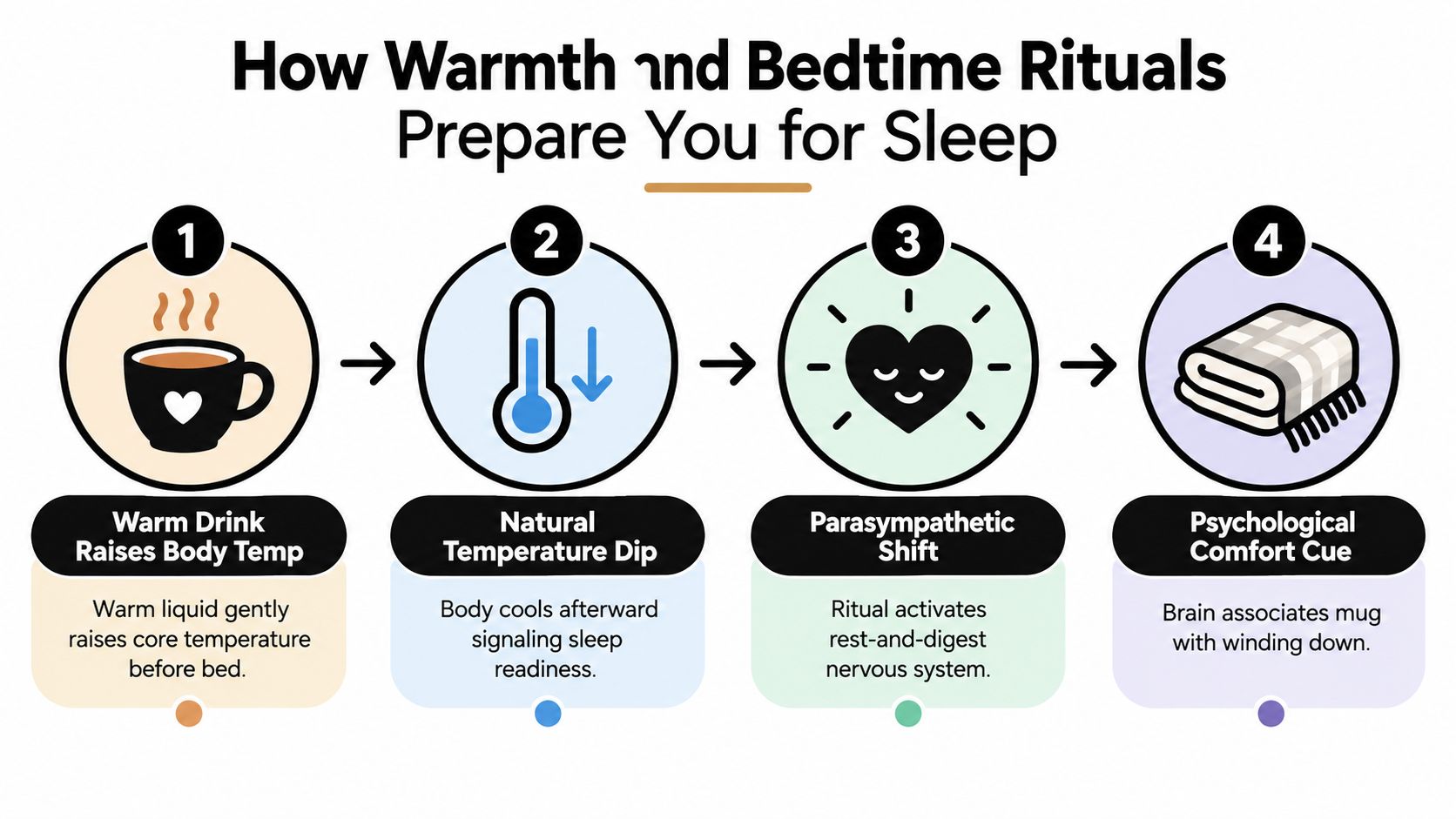
Notice what happens before the first sip. If you're already winding down, cocoa may become a useful comfort cue. If you're drinking it while answering messages, watching stimulating content, or working late, the warmth may not overcome the rest of the evening's alerting signals.
Try observing three details for several evenings:
- The setting: Are the lights dim and your tasks finished, or are you still mentally working?
- The timing: Do you drink cocoa long before bed, or immediately before getting under the covers?
- The result: Do you fall asleep more easily, stay asleep, or feel relaxed for a short time?
Your answers can reveal whether the benefit is coming mostly from the ritual. That's useful information because you may be able to preserve the calming routine while changing the cocoa recipe or moving it earlier.
Featured Product
Maximum Slim Original Classic Cocoa
is a rich and flavorful instant cocoa drink crafted for those who enjoy a balanced lifestyle. This smooth cocoa blend combines quality cocoa with carefully selected ingredients to deliver a satisfying beverage you can enjoy daily.
Shop Now →What Is Actually Inside Hot Cocoa That Affects Alertness
Cocoa isn't a classic sedative. Its main active compounds include theobromine and caffeine, both methylxanthines. These substances are related to alertness, although ordinary cocoa often feels much gentler than coffee or a strongly caffeinated drink.
A 2023 review of cocoa samples reported total methylxanthines ranging from 19.4 to 39.2 milligrams per gram, with caffeine between 5.4 and 27.1 milligrams per gram and theobromine between 8.87 and 15.1 milligrams per gram. Those figures come from cocoa samples rather than a universal mug, and the variation is important. Different powders, chocolates, serving sizes, and preparation methods can produce very different drinks. The findings are discussed in the review of methylxanthines in cocoa.
Theobromine is quieter but longer-lasting
Theobromine generally contributes more to cocoa's stimulant profile than caffeine. It doesn't always create the obvious jolt people associate with coffee, but it can remain active for a long period. One sleep-focused source estimates a six-to-ten-hour half-life for theobromine, meaning a bedtime serving may still be pharmacologically active well into the night, as described in this sleep-focused explanation of hot chocolate.
Caffeine is present in smaller amounts in many cocoa drinks, but “small” doesn't mean irrelevant for everyone. People who respond strongly to caffeine may notice a delayed mind, lighter sleep, or nighttime waking even when the drink doesn't feel stimulating at first.
A 2015 survey of cocoa beverages found about 2.66 milligrams of theobromine per gram and 0.208 milligrams of caffeine per gram in cocoa drinks. Chocolate milks had lower averages, about 0.226 milligrams of theobromine per gram and 0.011 milligrams of caffeine per gram. These results show why the label “hot cocoa” isn't enough to predict an effect. Formulation and dilution matter.
Use a stimulant spectrum, not a yes-or-no label
You can think of hot cocoa as sitting on a spectrum:
- Low-activity formulation: A diluted chocolate milk may feel mostly warm and comforting.
- Moderate-activity formulation: A cocoa drink with more cocoa solids may feel neutral or mildly alerting.
- Higher-activity formulation: Concentrated cocoa or dark chocolate prepared in a large serving may be more noticeable to sensitive sleepers.
A separate review found theobromine makes up about 4% of fat-free cocoa, while caffeine accounts for about 0.2%, reinforcing that cocoa's chemistry is more associated with active methylxanthines than with sleep-inducing compounds. The broader clinical discussion is available in this review of cacao, theobromine, and sleep-related effects.
If you're comparing cocoa formats, a recipe review such as this two-scents hot chocolate bomb review can help you think about how chocolate type, additions, and preparation change the experience. For a broader comparison of beverages, see coffee versus cacao.
Sugar Milk and Tryptophan Why They Rarely Work the Way You Expect
Sugar can make cocoa feel rewarding, but that doesn't make it a reliable sleep aid. A sweet drink may create immediate comfort, especially when paired with warmth and a familiar evening routine. Later, however, changes in energy and hunger can become distracting, particularly if you're already sensitive to sweet foods at night.
Many hot-chocolate mixes contain substantial added sugar, and one sleep-related source notes that some servings are estimated at 20 to 30 grams of sugar. The number varies by product, so the package label matters. This is one reason a homemade drink made with unsweetened cocoa can feel different from an instant mix, even if both are called hot chocolate. The broader discussion of sugar and sleep appears in this guide to hot chocolate before bed.
A sugar crash isn't the same as healthy sleepiness
Some people feel drowsy after a sweet drink because their energy rises and falls, or because the drink follows a meal. That sensation can be mistaken for the calm, stable transition into sleep. If the change leaves you hungry, thirsty, restless, or uncomfortable later, it may fragment your night rather than support restorative sleep.
The result also depends on what else you've eaten. A sugary cocoa taken after a balanced meal may feel different from a sweet drink consumed alone when you're tired and hungry. Your own response is more useful than assuming every sugary beverage affects everyone in the same way.
Milk offers comfort, not a guaranteed sedative effect
Warm milk contains tryptophan, an amino acid involved in the body's production of substances connected with sleep regulation. But a modest amount of milk in cocoa doesn't automatically send the brain into sleep mode. Tryptophan must be absorbed, transported, and used within a much larger nutritional and physiological system.
Milk may still help indirectly. Its creamy texture, familiar taste, and warmth can make the drink feel gentle and satisfying. If dairy causes bloating, reflux, or other digestive symptoms, though, the same mug can become a source of discomfort that makes sleep harder.
Warm milk may support the ritual. It shouldn't be treated as a guaranteed sleep compound.
If you're unsure whether sugar or dairy is affecting your nights, change one feature at a time. Try less sweetener while keeping the same milk, then try a dairy-free option while keeping the sweetness consistent. Keeping a simple note of the recipe, timing, sleep onset, and nighttime waking can help you identify a pattern without turning bedtime into a laboratory experiment.
For practical ideas around managing sweet cravings, this resource on how to stop sugar cravings naturally may help you build a less sugar-dependent evening routine.
Why Some People Feel Sleepy and Others Feel Wired After the Same Mug
Two people can share the same cocoa and describe completely different results. One may feel heavy-eyed after a few sips. The other may feel calm initially, then notice a busy mind at bedtime or wake later than usual. Neither response automatically means the person is imagining the effect.
The first difference is stimulant sensitivity. A person who reacts strongly to caffeine may notice a small amount in cocoa, especially when drinking it late. Someone with lower sensitivity may experience only the warmth and comfort. The dose also matters. A lightly diluted drink and a concentrated cocoa made with substantial chocolate aren't chemically interchangeable.
Theobromine adds another layer because its activity window can be long. A source estimating a six-to-ten-hour half-life shows why a drink can feel mild at first and still matter later for a sensitive sleeper. This doesn't mean every person will experience a sleep problem, but it does make timing relevant.
Read your own pattern
Use this decision path:
- You feel relaxed and sleep normally: The ritual and recipe may fit your current sensitivity. There's no need to remove a habit that consistently works for you.
- You feel relaxed but take longer to fall asleep: Keep the ritual, reduce cocoa concentration, or move the drink earlier.
- You fall asleep but wake during the night: Examine the drink's stimulant content, sugar level, serving size, and your evening meal timing.
- You feel sleepy quickly, then restless later: Sugar fluctuation, stimulant timing, or digestive discomfort may be competing with the initial comfort.
- You feel wired soon after drinking it: Choose a lower-cocoa alternative or reserve cocoa for earlier in the day.
Stress changes the equation too. When you're exhausted, warmth and sweetness may briefly feel sedating even while your nervous system remains activated by worry or unfinished tasks. When you're already calm, the same stimulant exposure may be easier to notice because there's less competing stress to mask it.
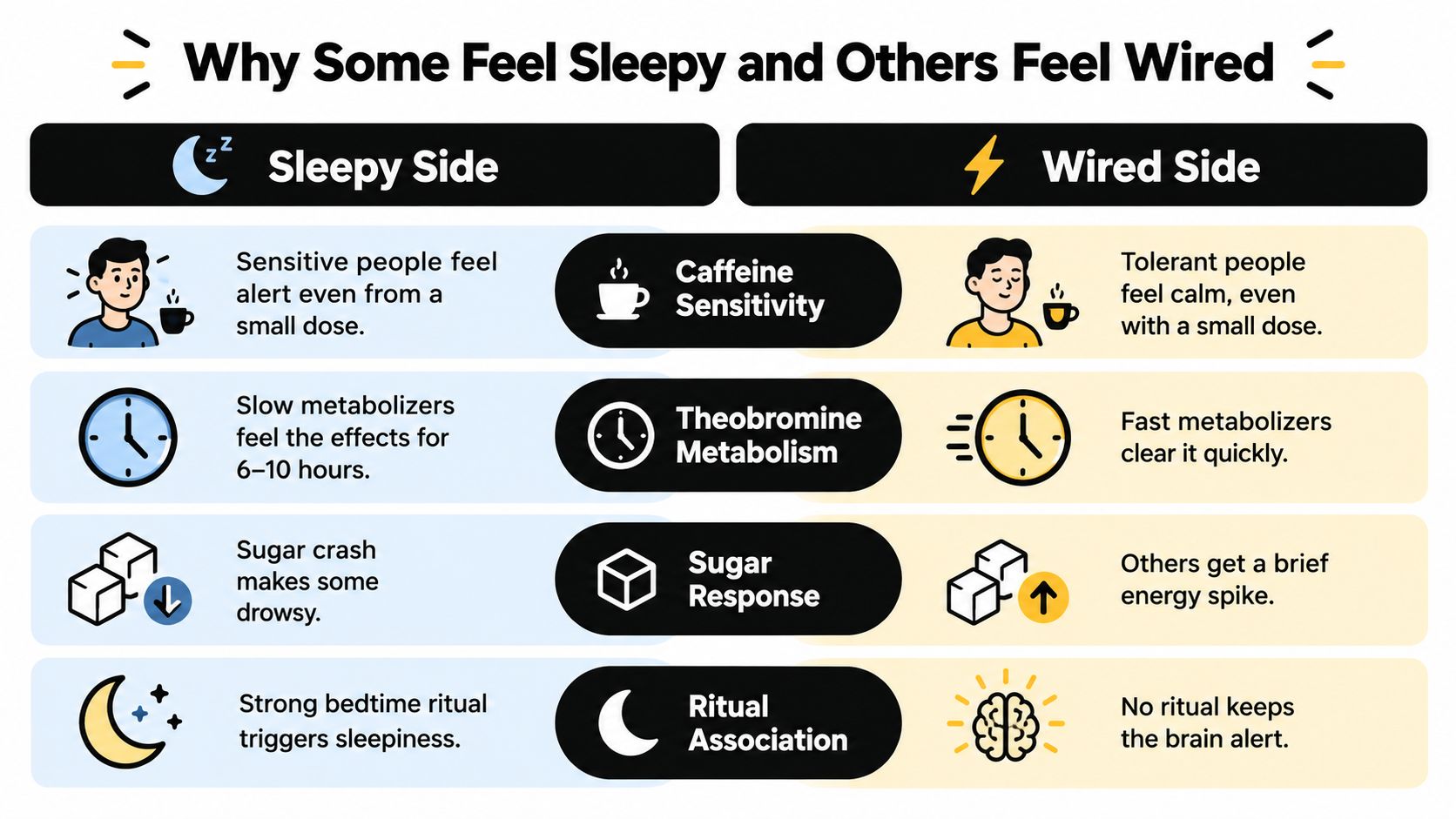
Your evening meal can influence the experience as well. Drinking a rich cocoa immediately after a heavy meal may create fullness or reflux, while drinking it alone may leave you focused on hunger or a later energy shift. These effects can look like “cocoa made me sleepy” or “cocoa kept me awake,” even though digestion and meal timing are contributing.
The most accurate conclusion is personal but not random. Warmth and routine may encourage relaxation, while caffeine, theobromine, sugar, and digestive factors can delay sleep or disturb it. Track the pattern across several comparable evenings, changing only one variable at a time.
Evening Friendly Ways to Enjoy Hot Cocoa Without Hurting Sleep
You don't have to choose between a comforting drink and better sleep. Start by reducing the factors most likely to create problems while keeping the sensory parts you enjoy, such as warmth, aroma, and slow sipping.
Adjust the recipe first
Use unsweetened cocoa powder or a lower-sugar mix so you control the sweetness. If you currently use a rich chocolate base, make the drink less concentrated and choose a smaller serving. These changes reduce the total exposure without forcing you to abandon the ritual.
Milk choice should follow your digestion as much as your taste. If dairy leaves you bloated or uncomfortable, try an unsweetened plant-based milk that you tolerate well. If milk feels satisfying and causes no symptoms, there's no reason to replace it solely because of the tryptophan myth.
A simple evening checklist can keep the experiment practical:
- Timing: Drink cocoa earlier in the evening rather than making it the final thing before sleep.
- Recipe: Lower the added sugar and avoid piling on sweet toppings.
- Concentration: Use less cocoa or chocolate if you suspect stimulant sensitivity.
- Pairing: If the drink leaves you hungry, pair it with a small food containing protein or fiber instead of adding more sugar.
- Digestion: Choose the milk that feels comfortable and avoid a large, rich serving close to lying down.
- Testing: Change one feature at a time and note sleep onset, awakenings, and next-morning energy.
Protect the ritual even when you change the drink
If cocoa itself seems to interfere with sleep, preserve the same mug, lighting, and quiet pause with a caffeine-free alternative. A warm milk drink, a mild herbal infusion, or a lower-cocoa beverage can keep the behavioral cue while removing the ingredient you suspect.
A broader bedtime guide from Willis Furniture & Mattress can complement this approach by helping you review other evening habits that may work against sleep. You're more likely to find the cause when you assess the full routine instead of blaming one ingredient automatically.
For additional strategies that support consistent rest, explore how to improve sleep quality. The goal isn't perfection. It's finding a version of the ritual that leaves you comfortable, calm, and able to sleep through the night.
Finding Your Best Cocoa Routine for Better Nights
The answer to does hot cocoa make you sleepy depends less on the word “cocoa” than on the complete mug in front of you. Cocoa is better understood as a low-to-moderate stimulant beverage with formulation-dependent effects, not as a dependable sleep aid. The soothing part often comes from warmth, familiarity, and the pause that surrounds the drink.
Use a simple personal rule. If you sleep well after a lightly sweetened serving, your routine may be compatible with cocoa. If you feel relaxed but stay awake, move it earlier or reduce the cocoa concentration. If you wake later, test lower sugar, a different portion, or a non-dairy option if digestion may be involved.
Give each change enough comparable evenings to reveal a pattern, and avoid changing every ingredient at once. Note the drink's recipe, when you finished it, how quickly you fell asleep, whether you woke, and how alert you felt the next morning.
You can keep the cozy habit. Match a gentler version to your late evening, save more concentrated cocoa for earlier hours, and let your own sleep response guide the final decision.
Maximum Health Products offers clean-label options across functional cocoa, coffee, tea, protein, supplements, and sleep-focused wellness support, designed for people building practical daily routines. Visit Maximum Health Products to explore products and guides that can help you choose a beverage routine aligned with your energy, nutrition, and evening goals.

