


You finish lunch, get back to work, and within an hour you're scanning the kitchen for chocolate, soda, cookies, or anything sweet. By evening, the urge feels louder, not quieter. A lot of people read that as a lack of discipline. It isn't always the case.
Sugar cravings can be your body asking for relief from an internal pattern. Blood sugar swings, poor sleep, stress, and even gut imbalance can all push the brain toward quick energy and fast reward. If you want lasting change, you have to work with those signals instead of fighting them all day.
That’s the difference between random tips and a real system for how to stop sugar cravings naturally. Temporary tricks can distract you for a few minutes. A better plan helps your body stop asking for sugar so often in the first place.
The Science Behind Your Sugar Cravings
At 3 p.m., the craving seldom starts in your mouth. It often starts earlier, with what happened at breakfast, how long you went without eating, how stressed you are, and whether your brain has learned to expect sugar as a fast emotional and physical lift.

The blood sugar swing
When you eat a very sugary food on its own, blood glucose rises quickly. The body responds, and that rapid rise is often followed by a drop that leaves you tired, shaky, irritable, or mentally foggy. Many individuals then reach for more sugar because it feels like the fastest fix.
That cycle is common in a food environment built around convenience. Americans consume an average of about 22 teaspoons of added sugar daily, compared with American Heart Association recommendations of no more than 6 teaspoons for women and 9 for men, according to Sutter Health’s review of sugar cravings and habit change.
A quick burst of sugar can feel helpful in the moment. It frequently makes the next craving more likely.
The dopamine loop
Sugar also affects the brain’s reward system. Sweet foods can become tied to relief, celebration, distraction, and comfort. Over time, the brain starts predicting that reward.
That’s why cravings can show up even when you aren’t physically hungry. You might feel one after a stressful email, during a late commute, or right after dinner because dessert has become part of the routine. The body remembers patterns. The brain likes efficiency. If sugar has been the shortcut to feeling better, it will keep suggesting it.
Cravings are information. They tell you something about your physiology, habits, or environment. They do not tell you that you've failed.
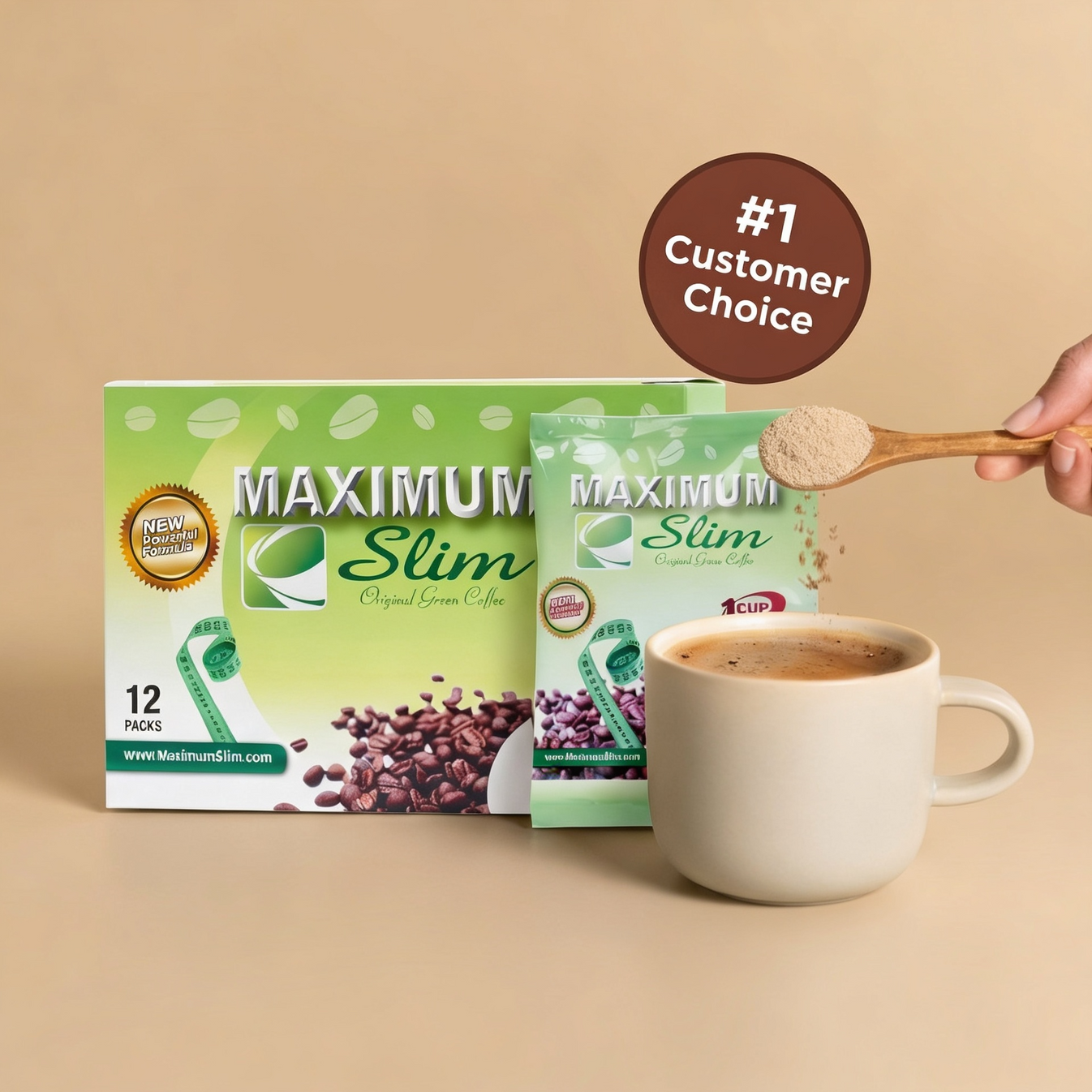
Featured Product
Maximum Slim Original Green Coffee | Premium Unroasted Arabica Blend (12 Ct)
Discover a delicious daily coffee crafted to complement your wellness routine. Enjoy one cup a day as part of a balanced lifestyle.
Shop Now →Why quick fixes often don't last
Individuals frequently try to solve sugar cravings at the moment they hit. They chew gum, use willpower, or promise to be “good” tomorrow. That can help briefly, but it doesn't change the conditions that created the craving.
The more effective approach is to reduce the drivers upstream:
- Blood sugar instability
- Reward-based eating habits
- Long gaps between meals
- Sleep and stress disruption
- A digestive pattern that leaves you chasing quick energy
If you want a practical consumer-friendly overview of how to stop sugar cravings naturally, that resource can be useful alongside a more structured nutrition plan.
For some, stopping all at once works. For others, a gradual reduction works better. What matters is consistency long enough for the brain and taste buds to adapt. Clinical guidance summarized by Sutter Health notes that breaking sugar habits often takes about 3 to 4 weeks, and the first 2 to 3 days can be the hardest as cravings peak during early deconditioning.
Many individuals who struggle with cravings also notice bloating, irregular hunger, or poor digestion. Those pieces are connected. If that sounds familiar, this guide on improving digestion may help: https://maximumhealthproducts.com/blogs/nutrition/how-to-improve-digestion-naturally-at-home
Build Your Foundation with Macronutrients
If cravings keep ambushing you, start with food structure. Not supplements. Not detox rules. Not motivation.
Sugar cravings tend to calm down when meals become more filling and more balanced. The key players are protein, fiber-rich carbohydrates, and healthy fats. Together, they slow digestion, steady energy, and reduce the “I need something sweet now” feeling that shows up after a light or overly processed meal.

Protein first changes the whole day
Protein is the macronutrient I focus on first with clients who say they “think about sugar all day.” A breakfast of coffee and toast doesn't create much staying power. Eggs with fruit, Greek-style yogurt with seeds, or lentils added to lunch tends to.
According to UCLA Health’s discussion of sugar addiction and appetite control, protein and fiber are cornerstone macronutrients, and eating protein before carbs can cut glucose spikes by 30 to 50%. That matters because flatter glucose curves usually mean fewer crashes and fewer rebound cravings.
Good practical protein choices include:
- Eggs and egg-based meals for breakfast that holds longer than cereal alone
- Lean meats like chicken or turkey when lunch tends to leave you unsatisfied
- Beans and lentils when you want protein plus fiber in one food
- Nuts and seeds for portable snacks that don't hit like candy
- Yogurt when you need something easy that still feels substantial
Fiber slows the rush
Fiber changes the speed of the meal. It slows digestion, softens blood sugar swings, and adds physical fullness. That means less urgency around snacking.
A frequent mistake involves eating carbohydrates that digest quickly but don't satisfy for long. A pastry, crackers, sweetened granola bar, or white bread snack can feel convenient, but it frequently disappears fast and leaves a craving behind.
Foods that tend to work better include:
- Berries or apples instead of sweets when you want something naturally sweet
- Beans, chickpeas, and lentils in bowls, soups, and salads
- Whole grains like oats or other minimally processed grains
- Vegetables added generously instead of treated like a garnish
Practical rule: If a meal doesn't contain protein, fiber, and some fat, don't be surprised when sugar sounds appealing a couple hours later.
Healthy fats make meals feel finished
Many individuals trying to “eat clean” unintentionally make their meals too lean. They then wonder why they’re prowling for dessert.
Healthy fats improve satiety and make a meal feel complete. UCLA Health’s review notes that sources such as avocados, olive oil, and coconut oil are commonly recommended to help with fullness and sweet cravings. In real life, that can be as simple as olive oil on vegetables, avocado with eggs, or nut butter with fruit.
This isn't about adding fat to everything. It's about avoiding meals that leave you physiologically unsatisfied.
Smart swaps to stabilize blood sugar
You don't need perfect meals. You need better defaults.
| Instead of This... | Try This Instead... | Why It Works |
|---|---|---|
| Sugary cereal by itself | Oatmeal with berries and nuts | More fiber and fat helps energy last longer |
| Afternoon candy bar | Apple slices with nut butter | Sweetness plus satiety beats a fast sugar hit |
| Toast and jam breakfast | Eggs with fruit and whole grain toast | Protein up front reduces the crash later |
| Sweet coffee and pastry | Plain coffee or lightly sweetened coffee with yogurt and seeds | Turns a sugar-only snack into an actual meal |
| Ice cream as the nightly default | Berries with yogurt or a few squares of dark chocolate after dinner | Keeps the ritual, lowers the sugar load |
| Crackers when you're stressed | Roasted chickpeas or a handful of nuts and seeds | More staying power, less rebound hunger |
What works and what doesn't
Some food strategies help immediately. Others sound healthy but backfire.
What usually works
- Build meals, don't just remove sugar. If you only cut foods out, cravings often get louder.
- Eat regularly. Long gaps make many people more vulnerable to intense sweet cravings.
- Put protein earlier in the day. Breakfast and lunch matter more than often acknowledged.
- Pair sweet foods. If you do eat something sweet, having it with protein or fat is often easier on appetite than eating it alone.
What often doesn't
- Trying to survive on salads alone. Light meals are a setup for evening cravings.
- Using fruit juice as a “healthy” substitute. It frequently doesn't satisfy the way whole fruit does.
- Saving all calories for nighttime. That pattern tends to make dessert cravings feel urgent.
- Buying “healthy sweets” in bulk. If they're hyper-palatable, individuals often still overeat them.
If you're trying to get more strategic about meal balance, this practical primer on macros is worth reading: https://maximumhealthproducts.com/blogs/nutrition/understanding-macros-for-weight-loss
The goal isn't to eat mechanically. It's to create meals that keep your biology on your side.
Balance Your Hormones Through Lifestyle Habits
Some cravings have little to do with dessert and a lot to do with exhaustion, stress load, and simple dehydration. If your sleep is poor and your nervous system is running hot, your appetite cues change.

Sleep loss makes cravings louder
When people tell me they want sugar most at night, I ask about sleep first. The body handles appetite differently when rest is short or fragmented.
The verified guidance available here notes that getting 7 to 8 hours of sleep nightly helps regulate hormones like ghrelin, and studies in sleep-deprived individuals found cravings can be reduced by up to 25% when sleep is addressed, as summarized in the Sutter Health background provided earlier. You don't need to become a perfect sleeper overnight. You do need to respect the fact that fatigue often masquerades as hunger.
Simple sleep-supportive habits include:
- Set a repeat bedtime so your body isn't guessing every night
- Eat dinner early enough that you aren't going to bed overly full
- Reduce stimulating screen time when your mind already feels wired
- Keep a wind-down ritual such as stretching, reading, or light breathing work
If sleep is the weak link in your routine, this article offers useful ideas to improve it naturally: https://maximumhealthproducts.com/blogs/lifestyle/how-to-improve-sleep-quality
Stress changes what sounds good
Under stress, individuals seldom crave steamed vegetables. They want foods that feel fast, soothing, and familiar. Sugar often checks all three boxes.
That doesn't mean you're weak. It means the body is looking for relief. The problem is that sugar solves that feeling briefly. If stress remains high, the craving returns.
A better response is to make stress interruption part of the plan. Not as a wellness performance. As a practical tool.
Try one of these when a craving arrives during an emotional spike:
- Take a short walk before deciding whether you still want the food
- Do slow breathing for a few minutes to reduce the sense of urgency
- Eat a real snack first if you haven't had enough food that day
- Change rooms if the craving is tied to a work station or TV habit
A craving that disappears after water, movement, or a proper snack was probably never just about sugar.
If hormone balance feels broader than just cravings, this guide on how to balance hormones naturally gives a helpful overview of the bigger picture.
Hydration is basic, but it matters
People frequently underestimate how often thirst gets mixed up with hunger. Mild dehydration can make you feel off, tired, or snacky. Then sugar sounds like energy.
I don't frame hydration as a magic fix. It isn't. But if someone is underhydrated, no appetite strategy works as well as it should.
A practical rhythm works better than chugging water late in the day:
- Drink soon after waking
- Have fluids with meals
- Keep water visible during work hours
- Use herbal tea in the evening if you want comfort without dessert
None of these habits are glamorous. That's exactly why they work. They lower the background noise that makes sugar feel necessary.
Advanced Strategies for Stubborn Cravings
If you've built balanced meals, cleaned up your sleep, and still feel pulled toward sugar every day, it may be time to look at a less obvious driver. Your gut.
Cravings don't start only in the brain. The gut-brain axis is a real communication system, and when the gut environment is off, appetite can get strange. People frequently describe this as “I know I’m full, but I still want something sweet.” That pattern deserves a closer look.
When gut imbalance keeps the cycle going
Dysbiosis is the term often used for an imbalanced gut microbial environment. In practice, this can show up after repeated antibiotics, chronic stress, a highly processed diet, digestive upset, or long periods of irregular eating.
When the gut is irritated or imbalanced, cravings can become more persistent and less tied to actual hunger. Sweet foods may feel especially compelling because they're easy to eat, easy to digest in the short term, and strongly rewarding.
One reason this matters is that a person can do many things “right” on paper and still feel stuck. If every craving plan focuses only on willpower or swapping candy for fruit, the root issue may get missed.
Prebiotics and probiotics as support tools
There is some emerging evidence in the verified material provided for this article that targeted gut support may help. A 2025 meta-analysis found that probiotic supplementation reduced sugar cravings by 28% over 12 weeks, and natural prebiotics such as inulin from chicory root were reported to cut cravings by 35% in a 2026 trial of 500 adults, according to the verified data linked to The Lifestyle Dietitian article on curbing sugar cravings naturally.
Those findings shouldn't be treated like a shortcut. They do suggest that for some people, gut support belongs in the conversation.
Practical ways to explore this include:
- Probiotic foods first if you tolerate them well, such as yogurt or fermented foods
- Prebiotic fibers gradually rather than suddenly loading up on large amounts
- Consistent intake instead of taking something for three days and expecting a reset
- Watching tolerance because some people with digestive sensitivity need a slower approach
Go slowly with fiber if digestion is fragile
Nuance matters here. “Eat more fiber” is often good advice, but it isn't always comfortable advice.
If someone has bloating, gas, or irregular digestion, aggressively increasing fiber can make them feel worse at first. That doesn't mean fiber is bad. It means the gut may need a gradual ramp-up. Start with tolerable foods, spread them through the day, and pay attention to the difference between healthy fullness and digestive overload.
A steadier approach might look like this:
- Add one fiber-rich food to breakfast.
- Keep lunch balanced rather than oversized.
- Introduce prebiotic support in small amounts.
- Reassess cravings after a couple of weeks of consistency.
Your gut doesn't respond well to chaos. Regular meals, tolerated fibers, and repeatable routines beat heroic overhauls.
Supplements can help, but they can't do the job alone
People often want the one pill that turns cravings off. That's not how this works.
Supportive supplements may have a place, when appetite control feels erratic or nutrition has been poor for a long time. But supplements work best when they sit on top of the basics: regular meals, enough protein, decent sleep, and a lower-stress environment.
Use them as tools, not the plan itself.
Good questions to ask before trying anything:
- Am I eating enough during the day?
- Have I stabilized meals first?
- Is digestion part of the issue?
- Am I expecting a product to fix a pattern created by my routine?
If the answer to the last question is yes, go back to the routine. That's where the durable change comes from.
A 4-Week Plan to Break the Sugar Cycle
Many individuals do not need more information. They need a sequence.
A structured approach works better than vague intentions because cravings are frequently strongest in the exact moments when decision-making is weakest. That’s one reason the Sugar Habit Hacker intervention is useful to look at. In a study reported in the verified data, this 30-day internet-delivered program lowered median weekly sugar intake from 1,662.5g to 362.5g, and its core tools were personalized goals, action plans, coping plans, and daily self-monitoring, as described in the PMC summary of the Sugar Habit Hacker intervention.

Week 1 reset the obvious triggers
The first week is not about perfection. It's about removing chaos.
Focus on three actions:
- Eat breakfast with protein
- Drink water consistently through the day
- Stop letting yourself get overly hungry
Good week 1 meal ideas:
- Breakfast eggs with fruit, or oatmeal topped with berries and nuts
- Lunch grain bowl with lentils or chicken, vegetables, and olive oil
- Snack yogurt, nuts, roasted chickpeas, or apple slices with nut butter
- Dinner fish or beans with vegetables and a whole-food carbohydrate
Your main assignment is simple. Notice when cravings happen and write them down. Time of day, what you ate before, your energy level, and your mood. That record matters more than motivation because it shows you the pattern.
Week 2 rebuild your environment
Cravings get stronger when your routine keeps cueing them. This week is about reducing friction.
Change what’s easy to grab and what you see most often.
Try this:
- Move sweets out of immediate view if you keep them in the house
- Stock fast balanced snacks so you aren't left with candy or baked goods as the default
- Plan one satisfying sweet option such as fruit with yogurt or a small portion of dark chocolate after dinner
- Create a coping plan for your predictable trigger, like the commute home or post-dinner TV time
A useful coping plan sounds like this: “If I want sugar at 4 p.m., I’ll eat my prepared snack and walk for five minutes before deciding.”
That kind of scripting sounds simple. It works because it reduces negotiation in the moment.
Week 3 train the evening hours
For many adults, nighttime is the hardest part. Decision fatigue is high, stress comes down, and the brain goes looking for reward.
This week, protect the hours when cravings are most automatic.
Use a small evening framework:
- Eat a complete dinner, not a “light” meal that leaves you hunting later
- Choose one calming activity after dinner like stretching, tea, reading, or a short walk
- Set a kitchen cutoff if grazing is your usual issue
- Go to bed earlier if you know overtired nights equal sugar-seeking nights
If you want a little extra guidance while building that evening routine, this short video can help reinforce the process.
Week 4 make it repeatable
By week four, the goal isn't to prove you can avoid sugar forever. It's to become someone with a stable system.
This is the week to refine, not restrict harder.
Ask yourself:
- Which meal change helped the most?
- When do cravings still show up?
- What situation still knocks me off track?
- What sweet foods can I include without reigniting the cycle?
Then set your personal maintenance rules. Keep them realistic.
Examples:
- I eat protein at breakfast on workdays.
- I keep one balanced afternoon snack with me.
- I don't skip lunch and expect evenings to go well.
- If I eat dessert socially, I return to normal meals at the next meal.
The best sugar plan is the one you can still follow on a busy Tuesday, not the one that only works in a perfectly controlled week.
A month of consistency frequently changes taste, appetite, and confidence. You may still want sweet foods sometimes. That's normal. The difference is that the craving stops running the day.
Troubleshooting When Cravings Persist
Even a strong plan hits friction. What matters is how you interpret it.
If you slip and eat a lot of sugar
Don't try to “make up for it” by skipping the next meal. That frequently extends the cycle.
Instead, do the boring repair work:
- Drink water
- Eat your next normal balanced meal
- Notice what triggered the episode
- Get back to routine the same day
One high-sugar moment doesn't erase progress. The overreaction after it causes more trouble than the event itself.
If cravings are worst at night
Night cravings frequently point to one of three issues. You didn't eat enough earlier, dinner was too light, or you're using sweets as a transition out of stress.
Test those one by one. Add protein at breakfast. Make lunch more substantial. Build a non-food evening ritual. Don't change everything at once or you won't know what helped.
If artificial sweeteners keep the sweet loop alive
Some people do fine with them. Others find they maintain the expectation that everything should taste intensely sweet.
If you're eating “sugar-free” products all day and still obsessing over dessert, that may be your answer. In that case, work on reducing sweetness overall instead of replacing one sweetener with another.
If cravings spike around your menstrual cycle or stressful periods
That pattern is common. The answer is typically not stricter dieting. It's more support.
Use those periods as times to be more deliberate with meals, sleep, and prepared snacks. A planned sweet option may work better than trying to white-knuckle through a biologically louder week.
If social events revolve around sweets
Go in fed, not starving. Decide in advance what matters to you.
You might share dessert, choose a favorite and enjoy it, or skip what you do not want. What helps most is making the choice before you're standing in front of a table of pastries while tired and hungry.
The goal was never to become a person who never wants sugar again. It's to become a person who isn't controlled by it.
If you're ready to turn these strategies into a simpler daily routine, Maximum Health Products offers clean-label wellness support for energy, metabolism, digestion, protein intake, and balanced daily habits. Their range includes teas, protein, greens, and targeted supplements designed for people who want practical nutrition support without added sugars, artificial colors, fillers, soy, gluten, or animal products.

