


Your first coffee is already cold.
You opened three tabs comparing mushroom coffee, skimmed a dozen reviews, and still don’t know whether Everyday Dose or RYZE is the smarter buy. One promises a smoother, more coffee-like ritual with extras such as collagen and L-theanine. The other leans into a broader mushroom blend and a lower daily cost. Both market themselves as cleaner alternatives to the overstimulating cup that leaves you wired at mid-morning and flat by lunch.
That’s why a useful everyday dose vs ryze comparison has to do more than rank flavor. The decision sits at the intersection of ingredient design, expected user experience, digestive goals, and cost per serving. If you only compare caffeine or packaging, you miss the tradeoff that matters: are you paying for a broader mushroom-focused formula, or for a more layered formula that includes non-mushroom add-ons aimed at feel and function?
Everyday Dose vs Ryze Which Mushroom Coffee Is Right for You
Your mug is cooling while you compare ingredient labels that sound similar but are built for different jobs. One formula tries to recreate a familiar coffee experience with added nootropic and beauty-adjacent ingredients. The other puts the mushroom blend at the center and asks a simpler question: how much function are you getting per daily serving?

That distinction matters because these products are not interchangeable once you look past branding. Everyday Dose combines coffee with mushrooms, collagen peptides, and L-theanine, which makes it more of a multifunction morning blend. RYZE is easier to read at a glance. It centers on a six-mushroom formula with a lower entry cost per serving and a more straightforward value case for people who care most about the mushroom component.
Here is the practical snapshot, with pricing and serving figures attributed directly to Soma Analytics' comparison of RYZE and Everyday Dose:
| Category | Everyday Dose | RYZE |
|---|---|---|
| Core positioning | Coffee-like functional blend with collagen and L-theanine | Mushroom-forward coffee alternative with six mushrooms |
| Caffeine per serving | 45 mg | 48 mg |
| Servings per purchase | 15 | 30 |
| Price per purchase | $59 | $49.95 |
| Cost per serving | $3.93 | $1.67 |
| Standout formulation detail | 4,725 mg collagen peptides | 2,000 mg six-mushroom blend |
A few implications follow from that table. The caffeine gap is small enough that it is unlikely to decide the purchase for most buyers. The bigger difference is formula design. Everyday Dose spreads its value across several categories, including calm-focus support and collagen. RYZE concentrates more of its pitch on mushroom variety and lower ongoing cost.
That is why the better choice depends less on marketing language and more on your goal. If you want a gentler coffee ritual and also care about ingredients often associated with satiety, skin, or a calmer subjective feel, Everyday Dose has a clearer rationale. If you want a lower-cost habit built around mushrooms first, RYZE is easier to justify over months of use.
For readers still sorting out whether either option fits their caffeine tolerance, this guide on does mushroom coffee have caffeine is a useful reference. For a broader outside comparison of how these products differ from standard coffee, Peak Performance's comprehensive coffee guide adds helpful context.
The useful question is not which brand tastes more like coffee on day one. It is which formula still makes sense after 30 mornings, once cost, digestion, and ingredient purpose are judged together.
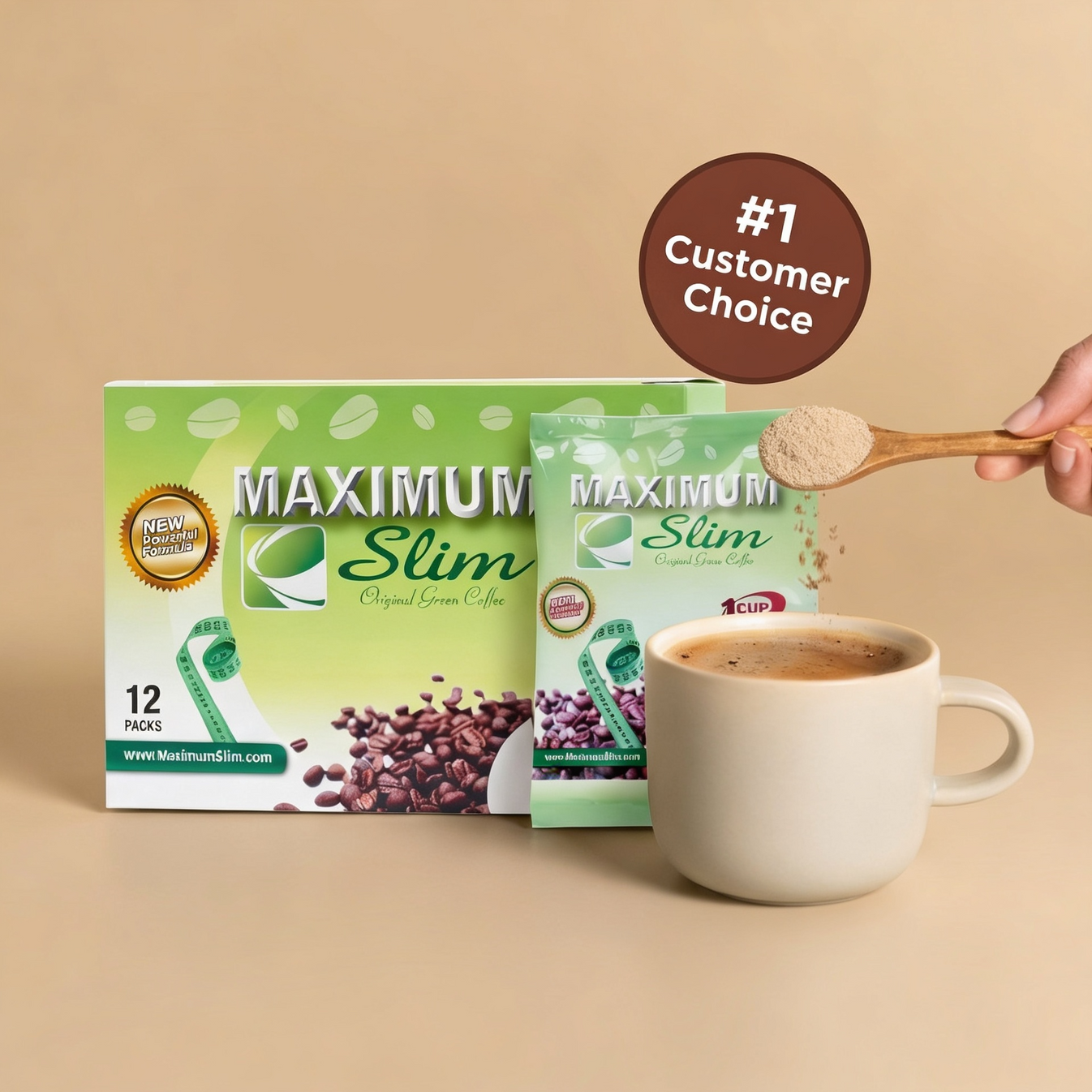
Featured Product
Maximum Slim Original Green Coffee | Premium Unroasted Arabica Blend (12 Ct)
Discover a delicious daily coffee crafted to complement your wellness routine. Enjoy one cup a day as part of a balanced lifestyle.
Shop Now →Understanding the Rise of Functional Mushroom Coffee
Functional mushroom coffee sits inside a bigger shift in how people use beverages. They’re no longer buying a drink only for caffeine. They want a drink that supports the way they work, train, think, or recover.
What functional coffee actually means
A functional coffee is a coffee or coffee-like drink that includes added ingredients chosen for a specific purpose. In this category, that usually means mushrooms, amino acids, or other compounds selected to make the beverage feel more targeted than plain coffee.
“Mushroom coffee” is a loose consumer term. In practice, these products can be very different from one another. Some are still coffee-based and add mushroom extracts. Others use the language of coffee while acting more like a wellness beverage with a coffee-style ritual.
A few terms show up often:
- Adaptogens are ingredients commonly marketed for helping the body handle stress more smoothly.
- Nootropics refers to compounds used to support focus, mental clarity, or a calmer sense of alertness.
- Functional mushrooms usually include names like Lion’s Mane, Reishi, Chaga, Cordyceps, Turkey Tail, and Shiitake.
If you want a broader primer on how these drinks differ from standard coffee, Peak Performance's comprehensive coffee guide is a useful outside reference. For a simpler question many new buyers ask first, Maximum Health Products also has a straightforward explainer on whether mushroom coffee has caffeine.
Why this category keeps pulling people in
The appeal isn’t complicated. A lot of coffee drinkers want less intensity without giving up the ritual. They still want a warm cup, a familiar morning cue, and enough stimulation to start work. They just don’t want the sharp edge.
That’s where functional blends gained traction. They offer a middle lane between regular coffee and giving caffeine up entirely.
Mushroom coffee isn’t one product type. It’s a spectrum, from lightly modified coffee to a full wellness blend that only partly resembles coffee.
The mushroom names that matter most
You’ll see certain mushrooms repeatedly because each one carries a different consumer expectation.
Lion’s Mane
Lion’s Mane usually appears in products aimed at focus and mental clarity. It has become the mushroom most associated with cognitive support in mainstream wellness marketing.
Reishi and Turkey Tail
These names show up more often in products framed around general wellness and gut-immune balance. Buyers often see them as “daily support” mushrooms rather than immediate-performance ingredients.
Cordyceps and Chaga
Cordyceps is commonly linked to energy and stamina, while Chaga is often discussed in relation to broad wellness support. In product design, they help brands widen the promise beyond simple alertness.
What matters for buyers is less the mythology around any single mushroom and more the formulation philosophy. That’s exactly where Everyday Dose and RYZE begin to separate.
A Head-to-Head Ingredient and Experience Breakdown
A useful comparison starts with product design. Everyday Dose and RYZE target different definitions of a successful coffee replacement, so the ingredient list matters less than the role each formula is trying to play in a morning routine.

Formulation philosophy
Everyday Dose builds around a smoother daily ritual
Everyday Dose is structured more like a hybrid wellness coffee. Its formula combines mushrooms with collagen peptides and L-theanine, which shifts the experience in two ways. First, the drink tends to feel closer to a coffee replacement than a mushroom tonic. Second, the non-mushroom additions broaden the intended benefit profile beyond focus alone.
That matters because collagen and L-theanine do not serve the same purpose as medicinal mushrooms. L-theanine is commonly used in lower-jitter caffeine products because it may support a calmer subjective energy profile. Collagen changes texture and also appeals to buyers who want a morning product that overlaps with beauty, joint, or digestive support goals.
RYZE builds around mushroom coverage
RYZE takes a cleaner mushroom-first approach. Instead of layering in as many adjacent wellness ingredients, it concentrates its identity around a multi-mushroom blend. For a buyer who wants mushroom diversity to be the main reason for purchase, that is easier to evaluate and easier to justify.
The practical implication is straightforward. Everyday Dose asks whether you want a broader functional beverage. RYZE asks whether you want a simpler mushroom habit.
Decision lens: Everyday Dose is a layered formula. RYZE is a mushroom-centered formula.
Ingredient depth by purpose
Reading the front label is less useful than asking what each ingredient is doing in the cup and in the body.
For focus and smoother stimulation
Caffeine is not the main separator here, as noted earlier. The more meaningful distinction is how each brand shapes the caffeine experience.
Everyday Dose includes L-theanine, which gives it a stronger argument for users who are sensitive to overstimulation or who want concentration without the sharper edge often associated with standard coffee. RYZE depends more heavily on mushrooms to define the feel of the product. That may still work well for some users, but it is a different formulation strategy and a less targeted one if calm focus is the main objective.
A small ingredient difference can produce a noticeable difference in use. Two drinks can land very differently if one is built to moderate the stimulant experience and the other is built to expand mushroom variety.
For broader mushroom exposure
RYZE has the clearer advantage for mushroom breadth. Its blend includes Lion’s Mane, Reishi, Cordyceps, Turkey Tail, Shiitake, and King Trumpet, which creates a more obvious whole-body wellness positioning.
That breadth does not automatically mean stronger effects. Mushroom blends are only as useful as the dose, extract quality, and consistency of daily use. Still, for a buyer choosing on ingredient diversity alone, RYZE presents a more direct case.
Everyday Dose is solving a different problem. It treats mushrooms as one part of a larger functional stack rather than the core story.
For beauty, joints, and gut-focused add-ons
This is one of the sharper distinctions between the two products. Once collagen is added, the comparison stops being purely about mushroom coffee. It becomes a question of whether you want your morning drink to cover additional wellness categories that have little to do with mushrooms themselves.
That can be a better fit for someone trying to reduce supplement clutter. It can also be unnecessary for a buyer who prefers to keep coffee, mushrooms, and collagen as separate decisions.
For readers comparing products that stay closer to the coffee side of the category, Maximum Health Products offers a useful guide to organic instant coffee options that fit functional wellness routines.
User experience in the cup
Ingredient quality matters. Repeat use matters more.
Taste and mouthfeel
Everyday Dose is usually the easier transition for a former coffee drinker who wants a rounder, creamier cup. Collagen contributes to that perception, and the formula reads more like a polished coffee alternative.
RYZE is more likely to appeal to users who accept an earthier profile in exchange for a mushroom-forward identity. Some buyers read that as more authentic. Others experience it as less refined and harder to make into a lasting daily habit.
Sensory fit affects adherence. A product that feels pleasant at 7 a.m. is more likely to become a stable routine than one that feels medicinal.
Mixability and routine fit
The preparation experience also points to different ideal users.
- Everyday Dose fits the buyer who wants a single-step morning beverage that feels complete on its own.
- RYZE fits the user who is comfortable adjusting texture and flavor with milk alternatives, smoothies, or extra ingredients.
- Routine preference may matter more than either brand’s headline claims. Many people are not choosing between mushrooms. They are choosing between a satisfying ritual and a functional powder.
What each brand is really selling
The core difference is not just ingredients. It is product logic.
RYZE sells mushroom variety and a more concentrated mushroom identity. Everyday Dose sells a bundled experience that combines mushrooms with texture support and added functional ingredients. Referring back to the earlier pricing comparison, that distinction also explains why the value equation is not only about daily cost. It is about what categories of support are being bundled into each serving.
Here is the cleaner way to assess the matchup:
| If you care most about... | The stronger fit is likely... | Why |
|---|---|---|
| Mushroom diversity | RYZE | It centers the formula on a six-mushroom blend |
| Added collagen support | Everyday Dose | Collagen is one of its defining formulation choices |
| Simplicity of product identity | RYZE | It is easier to evaluate as a mushroom-first option |
| A more coffee-adjacent feel | Everyday Dose | The formula is built for a smoother, more familiar cup |
| Fewer standalone supplements in a morning stack | Everyday Dose | It combines mushrooms with additional functional ingredients |
The better choice depends on your actual goal. If you want broad mushroom exposure in a simple format, RYZE makes the cleaner case. If you want a multifunctional morning drink that may replace more than one product in your cabinet, Everyday Dose has the stronger design.
Comparing Long-Term Health Benefits and Effects
Two weeks into a new morning routine, the important question is rarely flavor. It is whether the drink still feels good on your stomach, whether the energy remains predictable, and whether the formula justifies daily use over months rather than days.

Gut tolerance matters more over time than day-one energy
For long-term use, digestive tolerance is often the deciding factor. Functional coffee alternatives are taken daily, so even mild bloating, fullness, or ingredient sensitivity can outweigh a small difference in focus or taste.
The evidence base here is still limited. There are no head-to-head clinical trials showing that Everyday Dose or RYZE produces better long-term gut outcomes. That gap matters because both brands make ingredient choices that sound persuasive in theory, but theory and repeatable human outcomes are not the same thing.
A review summarized in this YouTube discussion of Everyday Dose vs RYZE and gut health makes a useful point. Interest in bloating and mushroom coffee appears to be growing, yet direct comparative evidence remains thin. That is the right frame for readers: plausible mechanisms exist, but strong comparative proof does not.
Clinical caution: ingredient logic can suggest who a product may fit, but it cannot confirm superiority without controlled trials.
Everyday Dose has the clearer digestive-use case
If the goal is feeling less weighed down after a morning drink, Everyday Dose has the more specific formulation argument. Collagen is the main reason. Some users tolerate collagen-containing beverages well, and collagen is often marketed around gut lining support, although the strength of evidence varies by use case and population.
That does not mean Everyday Dose is a proven anti-bloating product. It means the formula is built around a narrower and more noticeable consumer goal. In practical terms, someone who cares about stomach comfort, satiety, or replacing multiple wellness products with one drink may find its design easier to justify over time.
There is also a hidden tradeoff. A more layered formula can feel more targeted, but it also creates more variables if your digestion is sensitive. If a user reacts poorly, it is harder to tell whether mushrooms, collagen, coffee components, or another additive caused the problem.
RYZE makes more sense as a broad daily wellness play
RYZE’s long-term case is less about a distinct digestive effect and more about repeated exposure to a wider mushroom blend. That may appeal to readers who want a mushroom-first product and are less concerned with collagen or beauty-adjacent benefits.
The gut-health logic here is more general. Mushrooms contain fibers and bioactive compounds that may support the microbiome indirectly, but product-specific outcomes depend on dose, extraction method, and individual tolerance. Without direct trials on RYZE itself, the strongest conclusion is modest. It may suit users who want broad functional coverage, not users chasing a specific reduction in bloating.
That distinction matters because broad support is harder to feel. A product can be well designed and still deliver benefits that are subtle enough to be indistinguishable from normal day-to-day variation.
Here’s a concise video overview for readers who want a broader functional-coffee perspective before deciding:
What a realistic long-term interpretation looks like
A careful read of the evidence leads to three practical conclusions:
- Choose Everyday Dose if digestive comfort is your main priority. Its collagen-centered formula gives it a more defined rationale for users focused on bloating, fullness, or a more supportive morning beverage experience.
- Choose RYZE if you want a simpler mushroom-first daily habit. Its appeal is breadth of mushroom exposure rather than a highly targeted gut-comfort claim.
- Do not assume either one has proven long-term superiority. The current evidence supports ingredient-based reasoning, not a clinical verdict.
This is also where alternatives can become more interesting than the headline brands. If your actual goal is gut support, skin support, lower caffeine, or a formula built around a specific wellness outcome, a product designed for that narrower purpose may offer better long-term value than either of these broad lifestyle blends.
Users with mushroom sensitivities, collagen intolerance, digestive disorders, or multiple supplement interactions should be cautious. Daily compliance depends on how a product feels after repeated use, not how well the label reads on day one.
Analyzing Price Value and Subscription Models
A realistic value test happens after the first bag, not at checkout.
As noted earlier, the price gap between these two products is large. The more useful question is whether that premium changes your daily routine enough to justify paying it month after month. For a reader comparing wellness products like an analyst, value comes from three places: what the formula replaces, how easy it is to stay consistent with, and whether the added ingredients have a plausible long-term role in your goals.
What the premium actually represents
The extra spend is tied to product design, not caffeine. Everyday Dose is priced like a blended wellness formula. Its inclusion of collagen shifts the product away from a simple mushroom coffee substitute and toward a hybrid morning supplement. That matters because collagen may be relevant for readers prioritizing skin support, joint support, or a more all-in-one routine, but it does not automatically increase value for someone who only wants a lower-caffeine mushroom drink.
RYZE makes a different value proposition. It is easier to justify for buyers who want the category’s core idea, mushrooms plus coffee, without paying for added positioning around beauty or formula consolidation.
Subscription math is really behavior math
Recurring cost only feels reasonable if the product earns a stable place in your routine. A premium blend can look acceptable on paper and still become poor value if you hesitate to reorder, save it for occasional use, or start alternating it with regular coffee to control spending.
That is where user behavior matters more than label complexity.
A lower-cost option usually has an advantage in compliance because it creates less friction around repurchase. A higher-cost option can still win if it replaces another habitual purchase, such as a separate collagen powder, but that depends on your current stack. Readers who were never going to buy collagen on its own should not count that as savings.
Who gets the best value from each model
RYZE tends to offer stronger value for readers who want:
- a daily habit with less budget pressure
- a simple mushroom-first product
- an easier entry point for long-term use
Everyday Dose can make sense for readers who want:
- fewer separate products in the morning
- collagen included in the same ritual
- a formula that feels more targeted than broad
The non-obvious point is that subscription value is not just about spending less. It is about paying for the fewest ingredients you do not need. If your health goal is digestive comfort, skin support, or a specific gut-focused outcome, a more targeted formula from Maximum Health Products may produce better long-term value than either brand because the purchase is tied more closely to the result you want.
Pure cost efficiency and goal-specific value are not the same thing. RYZE usually wins the first test. Everyday Dose only closes the gap if its added formulation changes what else you buy, or meaningfully improves adherence to your routine.
Choosing Your Dose When to Pick Ryze vs Everyday Dose
Some readers don’t need more theory. They need a recommendation they can act on today. That choice gets easier when you stop asking which brand is “best” and start asking which one better fits your routine, goals, and tolerance for premium pricing.

Pick RYZE if you want the strongest value case
RYZE is the cleaner recommendation for the person who wants a daily functional drink without turning breakfast into an expensive supplement stack. It offers a broader mushroom blend, a simpler product identity, and a much lower cost per serving.
That makes RYZE the better fit for several reader types:
- The budget-conscious professional who wants a low-friction morning ritual and watches recurring costs carefully.
- The mushroom-first shopper who cares more about getting multiple mushroom varieties than about collagen or beauty-adjacent add-ons.
- The practical experimenter who wants to test the category without committing to the highest daily spend.
If your question is “Which one makes the most sense for daily use over the long haul?”, RYZE has the stronger default answer for many households.
Pick Everyday Dose if your priorities are narrower and more specific
Everyday Dose fits a different buyer. It’s for the person who doesn’t just want mushroom coffee. They want a more complete-feeling morning product that may support gut comfort in a more noticeable way and feels closer to a polished coffee ritual.
It’s a stronger match for:
- The wellness minimalist who wants one product to cover more than one morning need.
- The aesthetics-and-function buyer who likes the idea of collagen being built into a beverage they already drink.
- The reader focused on bloating and digestive comfort, especially if that concern matters more than maximizing mushroom variety.
If you already know collagen is something you actively seek out, Everyday Dose will make more intuitive sense despite the premium.
The hidden decision factor is what you want to notice
Many comparisons often stop too early. Buyers often think they’re choosing on ingredient lists, but they’re really choosing on the kind of result they hope to feel.
Choose RYZE when you want a broad, steady, lower-cost wellness habit. Choose Everyday Dose when you want a more targeted-feeling formula and you’re comfortable paying more for that specificity.
Generally, my analyst’s verdict is straightforward: RYZE is the better default buy, because it gives you a broader mushroom approach at a much lower serving cost. Everyday Dose becomes the right buy only when collagen and potential anti-bloating support are central to your goals, not just nice bonuses.
Exploring Alternatives from Maximum Health Products
The Everyday Dose versus RYZE decision assumes you want a mushroom coffee specifically. That’s not always the right starting point. Some people are looking for a different result entirely, such as metabolism support, a non-coffee morning beverage, or a cleaner caffeine source without mushrooms as the main event.
That’s where specialized alternatives can make more sense than forcing a choice between two products built around the same category.
When mushroom coffee isn’t the best fit
A person focused on weight management may not care much about mushroom diversity. They may care more about whether a product fits a calorie-conscious routine, supports appetite control, or works cleanly inside a larger nutrition plan.
Someone else may want focus without a coffee-style ritual. For that person, a functional cocoa, green coffee formula, or targeted supplement could be more aligned than either Everyday Dose or RYZE.
Maximum Health Products stands out more as a goal-specific wellness brand than as a direct mushroom coffee clone. Its catalog is organized around use cases such as energy, metabolism, focus, beauty, and family wellness rather than forcing every need through one beverage format.
Where specialized formats can be smarter
Some users do better with a narrower product brief:
- For metabolism-first routines, a green coffee product may fit more naturally than a mushroom blend.
- For caffeine-free or coffee-light habits, a cocoa-based functional drink can be easier to tolerate in the afternoon.
- For stack builders, separate powders and capsules can offer more control than an all-in-one morning sachet.
That’s the true alternative framework. Instead of asking which mushroom coffee is best, ask whether mushroom coffee is even the right tool for your main goal.
A better question than brand loyalty
There’s also a practical consumer lesson here. Brand loyalty can blur product fit. A well-formulated drink isn’t automatically the best option if it solves the wrong problem.
For readers interested in adjacent functional drink categories, Maximum Health Products has a useful explainer on mushroom matcha benefits and how different functional beverages serve different wellness goals.
That broader perspective matters because many people shopping everyday dose vs ryze aren’t comparing two favorites. They’re trying to reverse-engineer a morning routine that feels better. Sometimes the smartest answer is to leave the comparison and pick a format built for your real target.
Common Questions About Everyday Dose and Ryze
Can you drink either one in the afternoon?
Yes, many people can, because both products sit on the lower end of what coffee drinkers often expect from a standard cup. Still, caffeine tolerance is personal. If you’re sensitive to stimulation later in the day, morning use is safer.
Do they taste like real coffee?
Not exactly. Everyday Dose is generally the closer match if you want a familiar coffee-style experience. RYZE makes more sense if you’re comfortable with a more earthy, mushroom-forward identity.
Can you mix them with regular coffee?
You can, but that changes the whole point of choosing a gentler product. If you combine either one with regular coffee, expect a stronger caffeine experience and a less clean read on how the formula feels by itself.
Will stopping either one cause withdrawal?
That mostly depends on your total caffeine intake, not the mushroom ingredients alone. If these drinks replaced a much stronger coffee habit, some people may notice less of a drop than they expect.
Which one is better for gut health?
The most defensible answer is conditional. Everyday Dose has the more targeted anti-bloating argument because of its collagen inclusion. RYZE has the broader mushroom-based argument for long-term general support. Direct clinical comparisons haven’t settled the question.
Which one is the better buy for most people?
For most shoppers, RYZE is the stronger value choice. Everyday Dose is the more specialized choice for people who specifically want collagen in the mix and are willing to pay more for that design.
If you’re comparing functional drinks because you want better energy, cleaner ingredients, and a routine that fits your goals, browse Maximum Health Products for targeted options beyond mushroom coffee. Their selection covers metabolism support, functional cocoa, green coffee, protein, and wellness formulas built for specific outcomes rather than one-size-fits-all trends.

