


TL;DR: Yes. Mushroom coffee does have caffeine. In many blends, the caffeine is lower than a standard cup because the product combines coffee with mushroom extracts or powders, not because mushrooms replace coffee entirely. The part many articles skip is this: caffeine can swing widely from one brand to the next, so the label matters just as much as the front-of-bag claims.
You know that morning when coffee sounds perfect, but the aftermath feels uncertain.
One cup might leave you focused and steady. Another might push you into jitters, a sour stomach, or a quick burst of energy that fades before lunch. That uncertainty is a big reason curious coffee drinkers start looking at mushroom coffee.
The name creates confusion fast. Some shoppers assume "mushroom" means caffeine-free. Others assume every blend will feel gentler than regular coffee. Neither assumption helps you choose well, because mushroom coffee is a category, not a single formula.
A better way to look at it is like comparing granola bars. Two bars can sit on the same shelf and both look healthy, but one is built for quick energy and the other is basically dessert. Mushroom coffee works the same way. One blend may be made for a lighter lift. Another may still contain enough coffee to feel close to your usual brew. A third may add ingredients aimed at focus or calm, which can change how the caffeine feels even when the number looks similar.
That is why the primary question is not only, "Does mushroom coffee have caffeine?" It is, "How much does this brand contain, and what else comes with it?"
If your goal is gentle energy, sharper focus, or a calmer morning routine, clean labels and transparent caffeine amounts matter more than trendy packaging.
The Search for a Better Morning Buzz
Featured Product
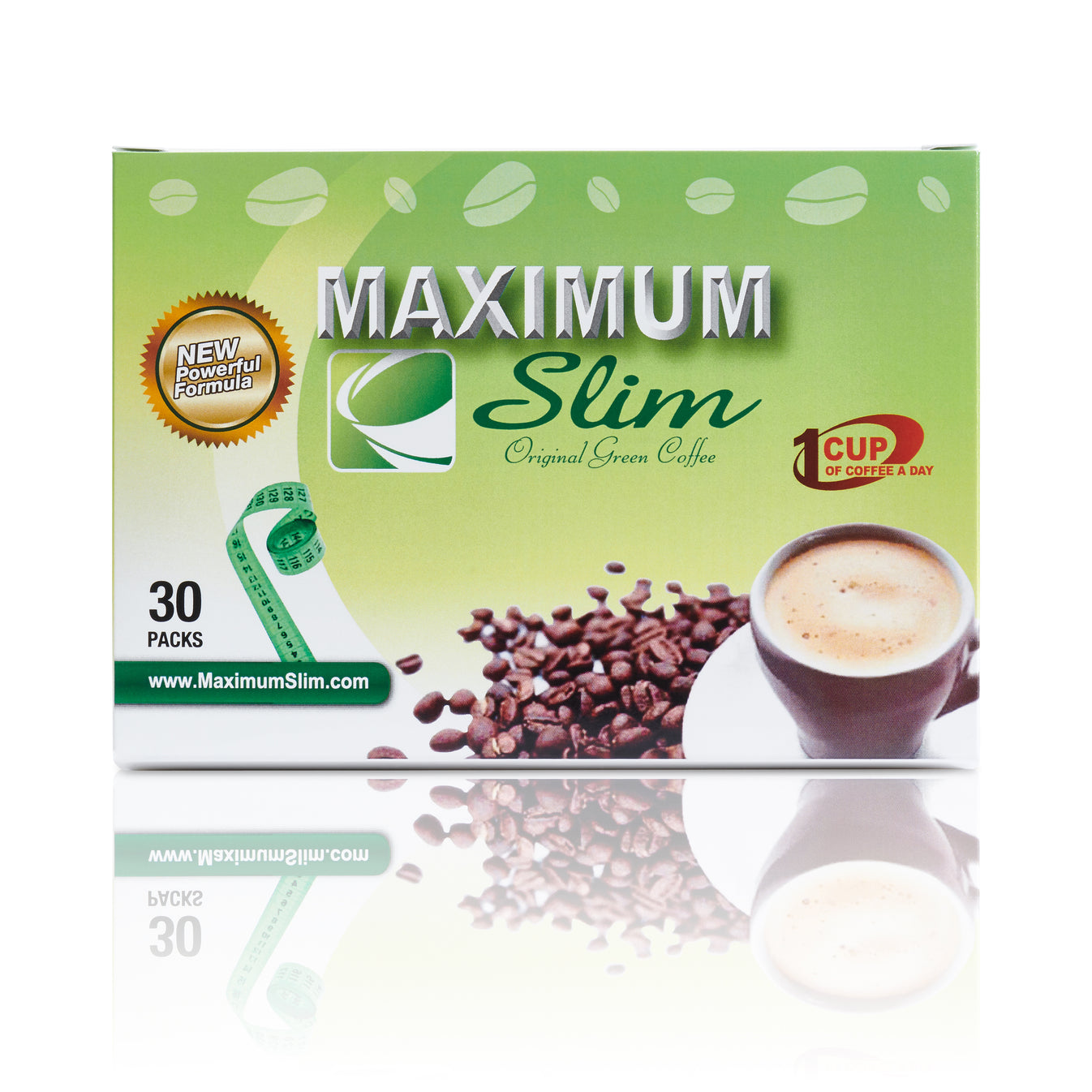
Maximum Slim Green Coffee | Premium Unroasted Arabica Blend (30 Ct)
A unique blend of unroasted Arabica green coffee and functional mushrooms, crafted to support daily energy and overall wellness. Smooth, antioxidant-rich, and easy to enjoy as part of your routine.
Shop Now →A lot of people don’t want to quit coffee. They want a version of coffee that feels easier to live with.
You might love the ritual of a hot mug in the morning but hate what happens an hour later. Your thoughts speed up. Your stomach feels off. You get a burst of motivation, then a dip that sends you back to the kitchen. That pattern is what pushes many people to look for a middle ground.
Mushroom coffee sits in that middle space. It isn’t a miracle drink, and it isn’t brewed mushrooms pretending to be espresso. It’s usually a coffee blend designed to soften the full-force effect of a standard cup while keeping the taste and routine close enough to feel familiar.
Why people get tripped up
The word “mushroom” changes expectations. Some readers assume the mushrooms create the stimulating effect. Others assume the mushrooms cancel out the coffee. In practice, neither idea is right.
What matters most is the blend. One product may aim for gentle energy. Another may lean more toward focus. A third may contain enough caffeine to feel a lot like standard coffee. That’s why “does mushroom coffee have caffeine” is the right question, but it’s only the first one.
Practical rule: Don’t ask only whether mushroom coffee has caffeine. Ask how much caffeine that specific brand contains and what else is in the blend.
If you’re cautious with stimulants, the smart approach isn’t blind trust. It’s learning how these products are built so you can choose one that fits your mornings instead of hijacking them.
What Exactly Is in a Cup of Mushroom Coffee
Mushroom coffee is usually a blend of coffee and mushroom extracts or powders. It's akin to a mixed playlist, not a solo performance. The coffee still does the energizing. The mushrooms change the overall feel and purpose of the blend.
Most products use mushrooms such as lion’s mane, chaga, cordyceps, or reishi. These mushrooms don’t supply meaningful caffeine. The caffeine comes from the coffee portion.

A simple way to picture it
Imagine you take a regular coffee recipe and replace part of it with mushroom ingredients. That swap lowers the total caffeine because mushrooms don’t add any. Many formulas work like a rough 1:1 style blend, which helps explain why the caffeine often lands below a standard cup.
That also explains why one brand can feel smooth and mild while another still hits pretty hard. The ratio, coffee extract, roast, and extras all matter.
A technical analysis found that edible mushrooms themselves contain only trace caffeine, even when grown on caffeinated material. It would take roughly 250 kg of fresh mushrooms to equal the caffeine in a single espresso, which shows that the meaningful caffeine in mushroom coffee comes from added coffee or coffee extract (PubMed study on trace caffeine in mushrooms).
What the mushrooms are doing
People often choose mushroom coffee for the personality of the blend, not just the caffeine level.
- Lion’s mane: Often chosen by people looking for a more focused workday feel.
- Cordyceps: Common in blends aimed at movement, stamina, or a more active morning.
- Reishi: Usually appears in products positioned as calmer or more grounding.
- Chaga: Often included in wellness-style blends with an earthy profile.
If you want to see how roast style can shape the overall coffee experience within this category, a dark roast mushroom coffee example can be useful for comparison. And if you’re curious how functional drinks compare more broadly, this look at mushroom matcha benefits helps show how ingredients can change the feel of your daily ritual.
Comparing Caffeine Content Mushroom Coffee vs Regular Coffee
You switch to mushroom coffee hoping for a gentler start, then one brand feels calm and steady while another feels almost like your usual drip coffee. That difference often comes down to one simple thing. The caffeine number on the label.

Mushroom coffee usually has less caffeine than regular coffee, but the gap is not always large. Some blends are built for a lighter lift. Others are only slightly lower than a standard cup. As noted earlier, the mushrooms themselves contribute almost none of that stimulant effect. The meaningful caffeine comes from the coffee, coffee extract, or both.
Caffeine at a glance
| Beverage Type | Typical Caffeine Range (mg) |
|---|---|
| Mushroom coffee | Lower than regular coffee in many blends |
| Regular coffee | Often higher than mushroom coffee |
| Decaf coffee | Much lower than both |
That table gives the general pattern, not the full story.
A better comparison is to treat mushroom coffee like a dimmer switch rather than an on or off button. The category includes lightly caffeinated blends for people who want a softer morning, but it also includes products that land close to regular coffee. Ochsner’s mushroom coffee caffeine overview highlights that spread, with examples ranging from relatively low-caffeine blends to products that approach the caffeine level of a standard cup.
That is why “mushroom coffee has less caffeine” can be true and still be incomplete.
A label that says “mushroom coffee” tells you the product type. It does not tell you how stimulating that cup will feel.
Flavor can also shape expectations. A darker, bolder cup may seem stronger even when the caffeine is moderate, while a smoother blend can feel gentler without being low in caffeine. The roast, extracts, and coffee bean quality all influence that experience.
If you are comparing alternatives for a steadier morning routine, this guide to matcha caffeine vs coffee helps put mushroom coffee in context. The useful habit here is simple. Check the caffeine amount per serving, then match it to your goal. Gentle energy, sharper focus, or a more relaxed ritual can all exist within the mushroom coffee category, but only if the brand gives you a clear label.
How Less Caffeine Can Lead to Better Energy
For some people, less caffeine works better than more. That sounds backwards until you’ve lived through the classic over-caffeinated workday.
You drink a strong cup to feel alert. Instead, your body feels revved up while your attention gets scattered. You’re awake, but not settled. Mushroom coffee can appeal to people in that situation because the lower caffeine dose may feel more manageable.

Why the energy may feel smoother
According to BodySpec’s explanation of mushroom coffee effects, the lower caffeine in mushroom coffee can reduce adenosine receptor overstimulation, which may mean fewer jitters and fewer hard crashes. The same source explains that this milder effect supports a gentler release of dopamine and norepinephrine. Some blends also include L-theanine, which may support calm focus through GABA modulation.
In plain language, that means the experience may feel less like slamming the gas pedal and more like steady acceleration.
What that can feel like in real life
A lower-caffeine blend may make sense if your goal is:
- Gentle energy: You want to feel awake without that buzzy, tight-chested feeling.
- Sharper focus: You need to work for several hours and don’t want a dramatic midmorning drop.
- A calmer coffee ritual: You still enjoy coffee, but you don’t want it to dominate your nervous system.
This short video gives a helpful visual overview of why many people prefer a more balanced stimulation profile.
The key nuance is that “smoother” doesn’t automatically mean “weaker.” For the right person, a moderate dose can create a more usable kind of alertness.
How to Read a Label and Choose the Right Blend
You’re standing in the coffee aisle at 7:15 a.m., holding two mushroom coffee bags that both promise focus, balance, and clean energy. One may give you a gentle lift. The other may feel much closer to regular coffee. The mushrooms on the front do not answer that question. The label does.

As noted earlier, caffeine levels vary a lot from brand to brand. That is why the smartest way to shop is to read the package like a map, not like an ad. Front-of-bag claims tell you the mood the brand wants to create. The supplement facts panel and ingredient list tell you what is in your cup.
The label checklist that matters
Start with caffeine per serving. This is the anchor for everything else. If a brand gives an exact number in milligrams, you can judge whether it fits your goal. If it only says "less caffeine" or "coffee alternative" without a clear amount, you are filling in the blanks yourself.
Next, check serving size. A blend may look mild until you notice the caffeine amount is for half a scoop, not the full mug you plan to drink. This is a common source of confusion. Reading only the headline number without the serving size is like checking a car’s speedometer without noticing whether you are in miles or kilometers.
Then read the ingredient list from top to bottom. If coffee extract, instant coffee, or coffee beans appear early in the list, that product may lean more stimulating. If the panel is short and plain, it is easier to understand what is driving the effect. Clean-label formulas make this easier because they do not hide behind long proprietary blends or vague "natural energy" language.
After that, look at the mushroom species and ask what role they seem to play. Lion’s mane is often included in blends aimed at focus. Cordyceps often shows up in products marketed for energy or performance. Reishi is more commonly associated with a calmer, more grounding feel. Chaga appears in many wellness-focused blends. These names can hint at the product’s intent, but they do not tell you the caffeine level on their own.
Finally, scan for add-ons such as L-theanine, adaptogens, sweeteners, or added flavors. These can change the experience a lot. A moderate-caffeine blend with L-theanine may feel steadier than a similar-caffeine blend without it.
Match the blend to your goal
Your best choice depends on what you want the cup to do.
For gentle energy, look for a clearly labeled, lower-caffeine product with a simple ingredient panel. For sharp focus, a blend with stated caffeine content plus lion’s mane or L-theanine may make more sense. For a calmer ritual, especially later in the day, you may prefer a lower-stimulation formula that is not built around a heavy coffee base.
If coffee tends to bother your stomach, label reading matters even more. A blend can still contain enough coffee to trigger symptoms, even if the mushroom branding makes it sound softer. In that case, a guide to a coffee alternative for acid reflux may help you compare gentler options.
Quick label test: If you cannot tell how much caffeine is in one serving, what the main ingredients are, and whether extras like L-theanine are included, the product is asking you to guess.
Transparent brands make your decision easier. They give you the numbers, name the ingredients clearly, and let you choose a blend that matches your real goal instead of forcing you to trust marketing language.
Understanding Potential Side Effects and Safety
Mushroom coffee is often gentler than standard coffee for some people, but “gentler” doesn’t mean risk-free.
The first thing to remember is that it still contains caffeine. If you’re sensitive to stimulants, drink it late in the day, or combine it with pre-workout, tea, or other caffeinated products, you may still feel overstimulated.
The second issue is the mushrooms themselves. According to GoodRx’s review of mushroom coffee safety, reishi and chaga may interact with blood thinners and diabetes medications. The same source notes that cordyceps can alter cortisol response, and that oxalates in chaga may pose a risk for people with kidney issues.
When extra caution makes sense
Talk with a clinician before trying mushroom coffee if any of these apply:
- You take prescription medication: Especially blood thinners or diabetes medication.
- You have kidney concerns: Chaga may not be a casual add-on for everyone.
- You have a sensitive stomach: Some people notice digestive discomfort with mushroom blends.
- You’re trying alternatives because regular coffee aggravates symptoms: In that case, this guide to a coffee alternative for acid reflux may be useful.
Start low, especially with a new blend. A half serving tells you much more than a full mug followed by regret.
If you’re pregnant, managing a health condition, or stacking supplements for energy and performance, personalized advice matters more than wellness marketing.
Is Mushroom Coffee Your New Morning Ritual
Mushroom coffee can be a smart option if you want to keep the comfort of coffee while changing the way your energy feels.
The honest answer to “does mushroom coffee have caffeine” is yes. The more useful answer is that the amount can vary enough to change your whole experience. One blend may support a calmer, more steady morning. Another may feel close to a regular brew in disguise.
That’s why the best mushroom coffee isn’t defined by the word “mushroom.” It’s defined by transparent caffeine labeling, clearly named ingredients, and a formula that matches your goal. If you want gentle energy, choose accordingly. If you want sharper focus, read for that. If you want a more relaxed ritual, don’t assume every brand will get you there.
The smartest mindset is simple. Treat mushroom coffee like a targeted tool, not a health halo product. When the label is clean and the formula is clear, you can make a decision based on how you want to feel, not on hype.
If you want clean-label wellness products that support daily energy, focus, metabolism, and better routines without unnecessary fillers, explore Maximum Health Products. Their approach centers on transparent, science-backed nutrition so you can build a simple routine around what fits your goals.

