


Most advice about wellness gets one thing wrong. It assumes you have spare time, spare money, and spare mental bandwidth.
You're told to overhaul your diet, fix your sleep, meditate daily, work out hard, reduce stress, clean up your home, and find your purpose. That's not a wellness plan. That's a second job.
A better integrated wellness guide starts with a simpler idea. Your health works like a system, and busy systems need small, repeatable inputs. Not heroic effort. Not perfect routines. Just enough structure to help you feel steadier, think more clearly, and recover faster when life gets messy.
Moving Beyond the Wellness Buzzword
The broad concept of wellness often sounds vague because people use it to describe everything and nothing at once. One person means yoga. Another means supplements. Another means cutting out half the foods in their kitchen.
That confusion is part of why many people tune out. Yet interest keeps rising. The adoption of holistic wellness guides in the United States has surged by 45% since 2015, while the global holistic wellness market reached $4.5 trillion, according to [NIH data and Global Wellness Institute statistics](https://www.ncbi.nlm.nih.gov/pmc/articles/PMC5312754/ and https://globalwellnessinstitute.org/press-room/statistics-and-facts/).

What holistic actually means in daily life
A practical wellness guide looks at the full pattern behind how you feel. Low energy might connect to poor sleep. Poor sleep might connect to late caffeine, stress, or a chaotic evening routine. Brain fog might link to skipped meals, too much screen time, or not enough movement.
That's why this integrated approach doesn't need to mean complicated. It means connected.
Think of it this way. If your phone battery drains by lunchtime, you don't just blame the battery. You check screen brightness, open apps, signal strength, and background activity. Your body works similarly. Wellness gets easier when you stop asking, “What's the one fix?” and start asking, “Which few inputs are draining me most?”
Holistic wellness works best when it becomes a decision filter. What helps my body, my mind, and my real schedule at the same time?
Why the all-or-nothing approach fails busy adults
Many wellness plans break because they ask for too much, too fast. If you work full time, care for kids, commute, or juggle shifting responsibilities, an ideal plan you can't maintain isn't useful.
A realistic plan does three things:
- Cuts the dose down: You start with smaller actions that fit ordinary days.
- Targets friction points: You improve the moments where life usually falls apart, like rushed mornings or late-night snacking.
- Builds stability first: Better sleep, steadier meals, and short resets often matter more than adding another advanced tactic.
That's the lens for the rest of this guide. Not wellness as a performance. Wellness as a support system.
Featured Product
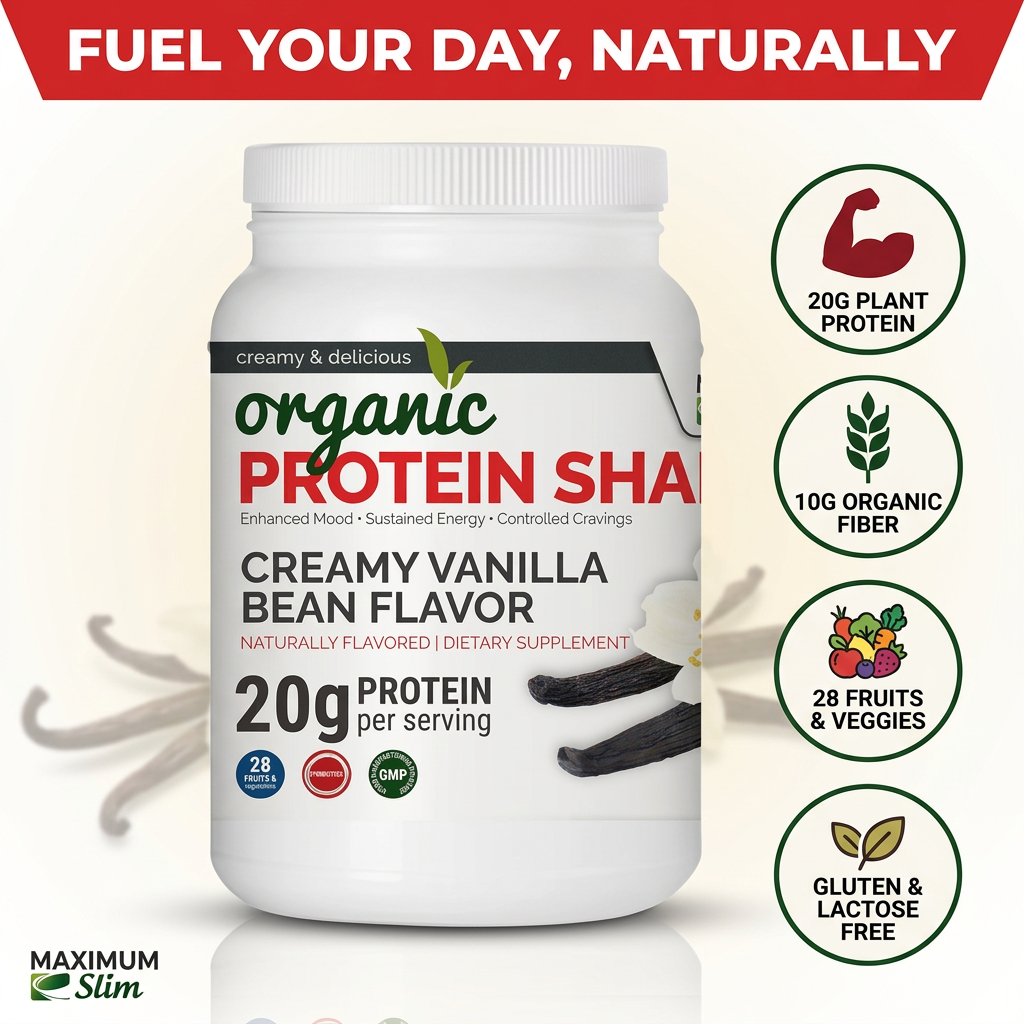
Organic Protein Shake - Maximum Slim | Nutrient Rich Drink for Muscle Recovery
This formula includes a blend of 28 fruits and vegetables and is made to fit a variety of dietary needs.
Shop Now →Your Wellness System The Five Core Domains
A strong integrated wellness guide treats health like a dashboard, not a single warning light. Authoritative frameworks describe wellness as a multi-domain control system that separates physical, emotional, nutritional, lifestyle, and environmental inputs so you can adjust the right lever over time instead of throwing generic advice at every problem, as explained in this personal wellness plan framework.

The dashboard idea
If the gas light in your car turns on, you don't rotate the tires and hope for the best. You respond to the gauge that needs attention. Your wellness system works the same way.
Here are the five gauges to watch.
- Physical health: This covers movement, recovery, body comfort, and basic stamina. Daily signs include stiffness, energy swings, headaches, and how your body feels after sitting too long.
- Emotional well-being: This is your stress load, patience, mood stability, and ability to recover after hard moments. If you snap easily, feel wired at night, or carry tension all day, this gauge may need support.
- Nutritional intake: This isn't just “eat healthy.” It includes meal timing, protein and fiber balance, hydration, and whether your food keeps you steady or leaves you crashing.
- Lifestyle choices: This domain holds your routines. Sleep habits, work boundaries, screen use, commuting patterns, and how much margin you leave in your day all matter here.
- Environmental factors: This means your immediate surroundings. Noise, clutter, light, air, social environment, and how your space affects focus or calm.
What people usually miss
Individuals often only look at the loudest symptom. They feel tired, so they reach for more caffeine. They feel stressed, so they tell themselves to “relax.” They want better focus, so they download another productivity app.
But the main bottleneck is often elsewhere.
A simple example: someone feels exhausted every afternoon. The issue might not be motivation. It might be a nutritional dip from a light breakfast, an emotional drain from nonstop meetings, or an environmental issue like working in a noisy room that taxes concentration all day.
Practical rule: Don't treat every problem as a willpower problem. First ask which domain is overloaded.
A quick self-check
Use these questions to spot your main pressure point this week.
| Domain | Ask yourself |
|---|---|
| Physical | Do I feel more restored or more depleted after a normal day? |
| Emotional | Am I carrying tension that never fully turns off? |
| Nutritional | Do my meals leave me steady, sleepy, or snack-hungry? |
| Lifestyle | Does my schedule support recovery, or only output? |
| Environmental | Does my space help me focus, or quietly drain me? |
If work is the main source of overload, a practical guide on how to maintain work life balance can help you protect time and energy without pretending your calendar is empty.
You don't need every gauge perfect. You just need to notice which one is flashing first.
Foundational Habits for Sustainable Results
Big results usually rest on boring basics. In a practical complete wellness guide, those basics are sleep, movement, food, and stress regulation.
That may sound familiar. What's different is the dose.
A landmark study found that 78% of patients following a whole-person well-being protocol had measurable reductions in chronic stress, and participants were 65% more likely to maintain a healthy BMI over two years, according to this study on holistic wellness outcomes. The takeaway isn't that you need a perfect routine. It's that structured, whole-person habits can produce measurable change.
Sleep first, because everything leans on it
When sleep slips, everything gets harder. Hunger cues get noisier. Stress tolerance drops. Focus gets brittle.
For busy adults, “improve your sleep” is too vague. A lower-friction version looks like this:
- Choose one fixed anchor: Keep either your wake time or your bedtime more consistent.
- Create a short landing strip: Spend the last part of the evening doing quieter, lower-stimulation tasks.
- Reduce decision fatigue: Set out what you need for the next morning before bed.
If you want a simple checklist approach, this guide on how to improve sleep quality breaks down practical habits you can borrow.
Movement doesn't have to look athletic
You don't need a full workout block for movement to matter. Time-poor adults often do better with short bursts attached to existing routines.
Try these examples:
- After meals: Take a short walk around the block or inside your building.
- Between tasks: Stand up, stretch, and reset your posture before opening the next email batch.
- During calls: Walk while talking when the call doesn't require note-taking.
These aren't “lesser” options. They're the versions people sustain.
A habit that fits your Tuesday is more useful than a perfect routine that only works on vacation.
Food should stabilize, not impress
A solid meal doesn't need to be photogenic. It needs to carry you through the next few hours without a crash.
A simple mental formula helps:
- Protein for staying power
- Fiber-rich carbs for steadier energy
- Color from produce
- Hydration alongside the meal
That's breakfast like eggs and fruit, lunch like a grain bowl with beans or chicken, or dinner built from a protein, a vegetable, and a simple starch.
Stress support can be brief
Many people skip stress management because they assume it requires a long meditation practice. It doesn't.
A low-dose stress reset could be:
- Three slower breaths before checking your phone in the morning
- A two-minute pause between work and home mode
- A short brain dump before bed so your mind isn't holding tomorrow's tasks overnight
If sharper focus is one of your goals, this resource on lasting cognitive enhancement is a useful companion because it connects brain performance to habits like sleep, stress regulation, and daily routine rather than quick hacks alone.
Your Realistic Weekly Wellness Routine
Most plans fail in the translation from idea to calendar. You know sleep matters, movement helps, and stress builds up. The hard part is fitting those habits into a week that already feels full.
A better routine uses small anchors. Not a giant “wellness block.” Just short actions tied to times that already exist.
Here's a visual template you can adapt.

A recent study found that a low-dose healthcare intervention improved quality of life and self-efficacy more than more demanding face-to-face programs, which supports a simple point. Smaller, sustainable changes often work better than ambitious overhauls for real-world adherence, as discussed in this low-dose intervention study.
The daily framework that fits busy lives
Use three small blocks. Morning, midday, evening.
Morning reset
The goal isn't optimization. It's stability before the day starts pulling at you.
Try this sequence:
- Drink water soon after waking
- Take a few slow breaths before opening email or messages
- Eat a simple breakfast if mornings are long or demanding
- Check your top one or two priorities for the day
This can take only a few minutes. The point is to start on purpose rather than in reaction mode.
Midday recovery
Most adults wait until they're depleted to respond. Midday is a better place to interrupt that slide.
Pick one option:
- Walk briefly after lunch
- Step outside for light and air
- Eat a real meal instead of grazing through work
- Do a short posture reset if you've been at a desk
If meal decisions wear you out, these meal planning guidelines can help you simplify your week before hunger and time pressure collide.
Here's a useful demo if you want a visual reset for building simple habits into daily life.
Evening wind-down
Evenings often decide tomorrow's energy. A chaotic final hour tends to spill into poor sleep, late snacking, or feeling behind before the next day starts.
Keep the wind-down practical:
- Lower stimulation from work, news, or endless scrolling
- Prep one thing for tomorrow, such as lunch, clothes, or a to-do note
- Choose a consistent cue that tells your body the day is ending
A sample week without perfection
This kind of routine works best when it bends around real life.
| Day type | Keep | Scale back |
|---|---|---|
| Busy workday | Water, one decent meal, short walk, evening wind-down | Long workouts, complicated recipes |
| Parenting-heavy day | Morning breath reset, portable snacks, brief stretch | Extra errands that add stress |
| Low-energy day | Restorative movement, earlier bedtime, basic meals | Intense productivity goals |
| Weekend | Meal prep, outdoor time, social connection, sleep consistency | Trying to “make up” for the whole week |
Don't build your plan around your best day. Build it around your most typical day.
A realistic weekly wellness routine doesn't ask whether you did everything. It asks whether you kept enough of the structure to stay steady.
Fueling Your Body A Sample Meal and Supplement Plan
Nutrition is where a lot of wellness advice goes off the rails. People hear “natural” and assume “effective.” They hear “detox” and assume “necessary.” They hear “root cause” and assume “proven.”
A more responsible whole-person wellness guide makes a cleaner distinction. Some strategies have stronger support. Others are more speculative. And supplements should complement, not replace conventional care when medical evaluation is needed, as emphasized in this guide to evidence-based whole-person wellness.
A simple three-day meal pattern
You don't need a perfect menu. You need repeatable meals that reduce guesswork.
Day one
- Breakfast: Greek yogurt or a plant-based alternative with fruit and seeds
- Lunch: Rice bowl with beans or chicken, vegetables, and olive oil
- Dinner: Salmon or tofu, roasted vegetables, and potatoes
- Snack idea: Apple with nut butter
Day two
- Breakfast: Eggs with toast and fruit
- Lunch: Lentil soup and a side salad
- Dinner: Stir-fry with protein, mixed vegetables, and rice
- Snack idea: Cottage cheese or a dairy-free equivalent with berries
Day three
- Breakfast: Oats with chia, cinnamon, and fruit
- Lunch: Turkey, hummus, or chickpea wrap with crunchy vegetables
- Dinner: Pasta with protein and a large side of vegetables
- Snack idea: Nuts and fruit
Where supplements can fit thoughtfully
Supplements make the most sense when they support a clear goal, fill a likely gap, or help with consistency when food alone isn't practical.
This overview of science-backed wellness products is useful if you want to compare products by intended benefit instead of buying whatever has the loudest marketing.
Here's a simple framework.
| Wellness Goal | Morning | Midday / Pre-Workout | Evening |
|---|---|---|---|
| Energy and focus | A balanced breakfast, hydration, and a targeted cognitive-support supplement if appropriate | Protein-rich lunch and water | Reduce late caffeine |
| Weight management support | Protein-forward breakfast and fiber-rich meal planning | Structured lunch to prevent afternoon grazing | Lighter evening meal if late dinners disrupt sleep |
| Exercise support | Hydration and easy-to-digest fuel | Protein and carbs around training if needed | Recovery meal |
| Relaxation and sleep support | Limit overstimulating starts to the day | Keep caffeine earlier | Calming routine and sleep-supportive habits |
How to avoid hype
Use these filters before buying any wellness product:
- Clear purpose: Know what problem you're trying to solve.
- Plain language: If the label or sales page is heavy on vague promises, pause.
- Realistic role: No supplement fixes chronic sleep deprivation, unmanaged stress, or a poor overall diet.
- Medical judgment: If symptoms are persistent, unusual, or worsening, talk with a clinician.
A smart nutrition plan starts with meals. Supplements come after that, not before it.
Tracking Your Progress and Sustaining Momentum
A wellness plan becomes useful when it creates feedback. Otherwise, you're just collecting good intentions.
Tracking doesn't need to be intense. You're not building a research lab. You're looking for patterns you can act on. A strong approach combines a few objective markers with a few personal observations, which matches the logic behind integrated monitoring systems that bring different variables into one view for longer-term tracking, as described in this guideline on holistic integrated information visualizations.

What to track without getting obsessive
Keep it light. A short daily note often works well.
Good options include:
- Sleep consistency: Did you keep roughly the same bedtime or wake time?
- Energy: How did you feel in the morning, midday, and evening?
- Stress load: Was the day manageable, tense, or overwhelming?
- Digestion: Did meals leave you comfortable and steady?
- Movement: Did you move enough to feel less stiff and more alert?
If you prefer a more structured format for exercise and habit consistency, a simple Strive Workout Log can help you spot whether your plan is happening or just sounding good in your head.
The track, assess, adjust loop
Use one weekly check-in.
- Track: Write quick notes during the week.
- Assess: Look for repeating friction points.
- Adjust: Change one variable, not five.
For example, if you keep crashing in the afternoon, don't assume you lack discipline. Check whether lunch is too light, whether you haven't moved all day, or whether your sleep drifted later than usual.
The goal of tracking isn't to judge yourself. It's to make the next week easier than the last one.
What progress really looks like
Progress often shows up before dramatic outcomes do.
You may notice:
- Fewer days where stress spills into the evening
- Better consistency with meals
- Smoother mornings
- Less reliance on “starting over Monday”
- Faster recovery after a bad day
That counts. In a realistic holistic wellness guide, momentum matters more than streaks.
Frequently Asked Questions About Holistic Wellness
How is this different from just diet and exercise
Diet and exercise are part of it, but they're not the whole picture. A holistic wellness guide also looks at stress, sleep, routines, and your environment. If your food is solid but you sleep poorly and live in constant overdrive, you may still feel unwell.
Can I really do this on a tight budget
Yes, if you keep the focus on basics. Walking is free. A bedtime routine is free. Meal planning usually saves money compared with random takeout and convenience snacks. Start with low-cost anchors like hydration, simple meals, consistent sleep timing, and short movement breaks.
What if I miss days
You will. Everyone does. The goal isn't to protect a perfect streak. The goal is to return quickly. One off day is normal. A harsh all-or-nothing response is what usually turns one off day into a lost month.
When should I see a doctor instead of following a guide
Use this approach as support, not as a replacement for medical care. If you have severe symptoms, persistent pain, major mood changes, unexplained fatigue, concerning digestive issues, or anything that feels unusual or worsening, get evaluated by a qualified clinician. A responsible approach works alongside conventional care when needed.
If you want help turning these ideas into a simple daily routine, Maximum Health Products offers clean-label nutrition, targeted supplements, and practical wellness resources designed for real life. It's a useful next step if you want support with energy, focus, metabolism, protein, or meal-planning habits without making your routine more complicated.

