


Sunday evening often starts with good intentions. You open the fridge, see half a container of cooked rice, a bag of greens that needs using, two random chicken breasts, and a drawer full of condiments. Then the week hits. By Tuesday, someone is hungry now, your calendar is packed, and dinner turns into takeout plus the quiet guilt of groceries you meant to use.
That pattern usually isn't a motivation problem. It's a systems problem.
Good meal planning guidelines don't give you a perfect menu to follow for seven days straight. They give you a repeatable way to decide what to eat, what to buy, what to prep, and what to do when life changes at noon. That's the difference between a plan that looks healthy on paper and one that still works when your child refuses the vegetables, your meeting runs late, or your budget tightens for the month.
I treat meal planning as a practical household tool. It supports energy, steadier eating habits, and less waste. It also reduces the daily mental load. When the structure is right, you stop asking “what's for dinner?” and start asking a better question: “what fits this week?”
Beyond the 'What's for Dinner' Dread
The hardest part of dinner usually happens long before cooking starts. It happens in the moment when nobody has decided anything, everyone is hungry, and the food you bought with good intentions doesn't yet resemble a meal.

That's why I don't frame meal planning as a domestic performance or a rigid wellness habit. I frame it as friction reduction. If you remove enough friction, healthy choices become easier on a busy Wednesday than they are when you rely on willpower and a crowded fridge.
A large population-based study found that 57% of participants reported planning meals at least occasionally, and meal planners had better adherence to nutritional guidelines, higher food variety, and lower odds of being overweight or obese in women and of obesity in men, according to the population-based meal planning study. That matters because it connects an ordinary habit to real-world health patterns, not just idealized advice.
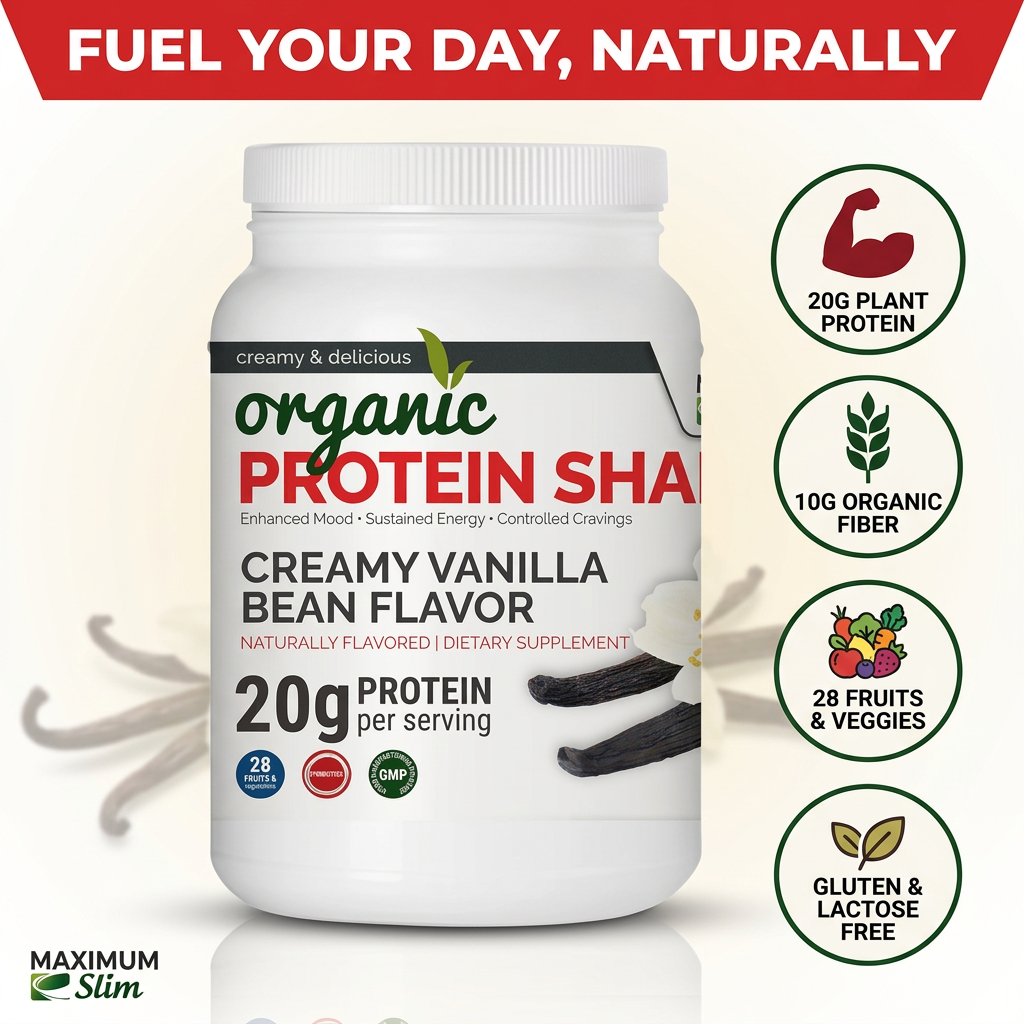
Featured Product
Organic Protein Shake - Maximum Slim | Nutrient Rich Drink for Muscle Recovery
This formula includes a blend of 28 fruits and vegetables and is made to fit a variety of dietary needs.
Shop Now →What meal planning solves in real homes
A workable plan helps with more than dinner.
- Decision fatigue drops: you stop renegotiating every meal from scratch.
- Food gets used sooner: ingredients stop aging in the back of the refrigerator.
- Nutrition becomes more consistent: balanced choices happen more often because they were considered in advance.
- Family logistics improve: people know what's available, what needs to be reheated, and what can be packed.
If you're feeding more than one person, structure matters even more. Different appetites, schedules, and preferences can make weekdays feel chaotic fast. For practical ideas that fit family life without turning every evening into a cooking project, Everblog's guide to family meals is a useful companion read.
A meal plan should lower stress, not add another standard you feel bad about missing.
When people struggle with meal planning, it's usually because they've been handed a menu instead of a system. Menus expire. Systems adapt.
Define Your Meal Planning Compass
Before you write down a single dinner idea, decide what your plan is supposed to do for you. The same meal planning guidelines won't serve everyone in the same way. A parent trying to simplify weeknights needs a different structure than someone focused on steady energy at work or someone trying to improve weight management.
Pick one primary goal
You can care about many things at once, but your plan needs one main direction. I call this your compass.
If your biggest issue is overeating later in the day, your compass may be satiety. If you fade midafternoon and rely on snacks or coffee to recover, your compass may be energy stability. If dinner feels like a nightly scramble, your compass may be family logistics.
A simple way to choose is to ask which problem creates the most fallout during the week.
| Primary goal | What to prioritize | What usually doesn't work |
|---|---|---|
| Weight management | Filling meals, regular meal timing, fewer impulsive food decisions | Skipping meals, overly restrictive menus, “starting over Monday” |
| Energy and focus | Balanced meals, predictable breakfast and lunch, steady carb choices paired with protein | Running on caffeine alone, pastry breakfasts, long gaps without eating |
| Family simplicity | Repeating meal formats, flexible components, easy leftovers | Making separate meals for everyone, too many new recipes at once |
Turn the goal into kitchen decisions
Once you know your compass, planning becomes easier because your choices narrow.
For weight management, think in terms of staying satisfied. Meals that combine protein, fiber-rich foods, and enough volume from vegetables usually hold up better than very light meals that leave you prowling the pantry an hour later.
For energy and focus, build your day so breakfast and lunch aren't accidental. A chaotic start often creates a chaotic eating pattern. You don't need a gourmet breakfast. You need one that's repeatable.
For family nutrition, accept that not every meal needs universal excitement. It needs enough flexibility that each person can build a plate they'll eat. Taco bowls, grain bowls, baked potato bars, soups with toppings, and sheet-pan dinners tend to work better than highly composed meals with no room to adjust.
Use a short weekly check-in
I like a three-question filter before planning:
- What kind of week is this? Heavy meetings, sports practices, travel, late pickups?
- Where do meals usually break down? Breakfast, packed lunch, dinner, or snacks?
- What needs support right now? Budget, convenience, variety, or a specific nutrition target?
Practical rule: Don't build a meal plan for your ideal week. Build it for the week you actually have.
When readers tell me meal planning failed, the plan itself usually wasn't the issue. The mismatch was. They planned as if they had time to cook every night, shop twice, and try new recipes. Then real life showed up.
Build Your Nutritional Framework
A good system needs a nutrition backbone. Not a pile of rules. A framework you can remember when you're shopping, cooking, ordering lunch, or assembling a quick plate from leftovers.
The easiest way to do that is to build around a balanced plate.

The World Health Organization provides measurable healthy-diet targets, including at least 400 grams of fruits and vegetables per day for adults, salt below 5 grams per day, free sugars below 10% of total energy, saturated fat below 10%, and trans fat below 1%, according to the WHO healthy diet guidance. I like this because it turns nutrition from vague intention into something you can build into meals across a week.
Think in plate parts, not nutrition jargon
Individuals don't need to calculate every detail to eat better. They need to recognize what's missing.
Here's the basic structure I use:
- Protein anchors the meal: eggs, yogurt, tofu, beans, lentils, fish, chicken, or another protein source.
- Complex carbohydrates support steadier energy: oats, potatoes, brown rice, quinoa, beans, whole grains, or fruit.
- Healthy fats improve staying power: nuts, seeds, avocado, olive oil, or foods that naturally contain fat.
- Fruits and vegetables add volume and variety: fresh, frozen, roasted, raw, cooked, blended, or tucked into soups and sauces.
- Water belongs in the framework too: hydration affects appetite cues, digestion, and how people feel during the day.
A simple way to portion without overthinking
If you don't want to count, use visual cues.
| Meal part | Handy visual guide | Why it helps |
|---|---|---|
| Protein | A palm-sized portion | Supports fullness and meal structure |
| Vegetables or fruit | A generous share of the plate | Adds fiber, color, and volume |
| Carbohydrate | A cupped-hand portion | Fuels activity and focus |
| Fat | A thumb-sized amount or a natural food source | Slows the meal down and adds satisfaction |
These aren't rigid rules. They're reality-friendly references. A smoothie breakfast won't look like a dinner plate, and a soup night may lean heavier on beans or grains. That's fine. The point is balance across the day and week.
What people often get wrong
The common mistakes are predictable.
Some people overfocus on cutting carbohydrates and end up underfed, cranky, and snacky by late afternoon. Others build meals that are technically healthy but too low in protein or too light in volume to hold them. Families often do the opposite. They center meals around one starch and try to tack on everything else at the last minute.
A better approach is to decide the protein and produce first, then add the carbohydrate and fat that fit the meal.
If you want a clearer breakdown of how protein, carbohydrates, and fats work together for body composition goals, this guide on understanding macros for weight loss is a useful next read.
Balance beats perfection. A solid lunch you'll actually eat is more useful than an ideal lunch you never prep.
On especially busy days, some people also use simple supports such as a clean protein smoothie or greens powder to round out a rushed meal. Used well, those can help fill gaps. They shouldn't replace the framework.
Design Your Weekly Meal Template
Implementing meal planning guidelines makes them practical. Instead of assigning every meal in a rigid calendar, build a weekly template with repeatable formats. You want enough structure to reduce decisions and enough flexibility to handle leftovers, schedule changes, and cravings.

Harvard's meal-prep workflow recommends choosing a fixed planning day, mapping meals around your schedule, checking what you already have, building the grocery list, and prepping the longest-cooking items first, as outlined in the Harvard meal prep workflow. That order works because it reflects real life. The calendar comes first. The kitchen follows.
Start with recurring meal formats
A template is easier to repeat than a menu. It gives your week a backbone.
Here's an example structure:
- Breakfast structure: keep two or three reliable options on rotation
- Lunch rotation: rely on leftovers, bowls, wraps, soups, or salads built from prepped components
- Dinner themes: assign broad categories to each night
- Snack strategy: pick default pairings you can prepare once and grab quickly
- Prep slot: reserve one block for washing, chopping, cooking, and packing
Dinner themes help more than is commonly expected. They reduce the blank-page problem.
| Night | Theme | What it sounds like in real life |
|---|---|---|
| Monday | Use-what-you-have night | Soup, fried rice, pasta, grain bowls |
| Tuesday | Taco or bowl night | Ground protein, beans, slaw, rice, toppings |
| Wednesday | Sheet-pan night | Protein plus vegetables, add potatoes or grain |
| Thursday | Pasta, stew, or skillet | Comfort food that reheats well |
| Friday | Fast assembly night | Wraps, eggs, flatbreads, leftovers |
| Weekend | One slower meal and one backup meal | Cook once, leave room for plans changing |
A similar template can support specific goals too. If weight support is part of your focus, effective weight management through meal prep offers useful practical ideas on how prep supports consistency.
A sample week for a busy professional
This sample isn't a prescription. It shows how an energy-and-focus week might look when the plan is flexible.
Monday
Breakfast could be overnight oats with yogurt and fruit. Lunch might be a grain bowl with roasted vegetables and a protein. Dinner fits a use-what-you-have format, such as rice, sautéed greens, and leftover chicken with a simple sauce.
Tuesday
Breakfast stays repeatable. A morning routine might include coffee, and some people choose options like Original Green Coffee as part of that routine. Lunch can be soup plus toast and fruit. Dinner becomes taco bowls with beans, lettuce, salsa, and whatever protein is already cooked.
Before building your own version, this visual can help frame the weekly flow.
Wednesday
Breakfast repeats to save time. Lunch is leftovers from taco night. Dinner is a sheet-pan meal. Roast vegetables and a protein together, then add a quick carbohydrate like potatoes or bread.
Thursday
Breakfast can shift to eggs and fruit if you want variety. Lunch becomes a salad or wrap built from components. Dinner is a skillet pasta, lentil dish, or anti-inflammatory soup-inspired meal. If that style appeals to you, this anti-inflammatory diet meal plan gives good format ideas.
Friday
Keep the landing soft. Breakfast and lunch should be easy, not ambitious. Dinner can be flatbreads, omelets, or freezer leftovers. The goal is not culinary excellence. It's avoiding the crash that leads to expensive, unsatisfying last-minute choices.
What works better than strict scheduling
Strict plans often fail for one reason. They assume your appetite and your calendar will behave exactly as expected.
A template works better because it allows swaps:
- If Tuesday's protein doesn't thaw, taco night can become bean tacos.
- If lunch out happens unexpectedly, leftovers roll forward.
- If the family is tired of rice, the same bowl becomes a baked potato bar.
Keep your meal plan in categories, not just recipes. Categories survive busy weeks better.
Streamline Your Shopping and Prep
Meal planning falls apart at the store as often as it does in the kitchen. If the list is vague, shopping gets expensive and slow. If prep is too ambitious, containers of half-finished intentions sit in the fridge until you throw them out.

The smarter approach is inventory-first planning. Recent guidance has shifted toward checking the pantry, fridge, and freezer first, then building meals around ingredients that need to be used soon and repurposing leftovers, as described in this inventory-led meal planning guide. That simple order reduces waste and usually sharpens your grocery list.
Build a list by category, not by recipe order
Recipe-by-recipe lists look organized, but they create duplicate buys and missed overlaps. Category lists are faster to shop and easier to audit against what you already own.
Try this structure:
- Produce: sturdy vegetables, salad items, fruit, herbs
- Proteins: eggs, beans, yogurt, tofu, fish, poultry, or other choices you use
- Grains and starches: oats, rice, potatoes, bread, pasta, tortillas
- Flavor builders: broth, sauces, spices, citrus, onions, garlic
- Snacks and extras: nuts, hummus, crackers, fruit, yogurt
A good list also marks which items are for immediate use and which are backups.
Prep components, not full weeks of identical meals
This is one of the biggest differences between a realistic system and an Instagram fantasy. Most households don't need seven identical containers lined up in the fridge. They need flexible components that can become several meals.
A manageable prep session might include:
| Prep item | Why it's worth doing | How it gets used |
|---|---|---|
| Roasted vegetables | Saves chopping time later | Bowls, wraps, sides, omelets |
| Cooked grain or potatoes | Builds quick lunches and dinners | Grain bowls, soups, stir-fries |
| One protein option | Creates meal anchors | Salads, sandwiches, tacos, plates |
| Washed fruit and snack items | Makes better choices easier | Lunchboxes, afternoon snacks |
| A simple sauce or dressing | Prevents bland repeat meals | Drizzles, marinades, bowls |
For another practical angle on component prep, this meal prep guide has useful ideas on setting up ingredients for faster assembly.
A weekend prep rhythm that people actually follow
Many people quit meal prep because they schedule a marathon. A shorter, targeted rhythm works better.
First block: clear the fridge, check what needs using, and write the list.
Second block: wash produce and start the longest-cooking items.
Third block: roast, simmer, or bake components while portioning snacks and storing leftovers where they're visible.
If prep takes all afternoon, you probably prepped too much.
A final note on execution: keep your healthiest defaults obvious. Put washed fruit at eye level. Store cooked grains and proteins in clear containers. Leave one shelf for grab-and-go lunch items. Environment shapes follow-through.
Adapt Your Plan for Real Life
A meal plan that only works on calm weeks isn't a real system. Real success comes from having a plan you can bend without breaking.
The most useful meal planning guidelines account for health needs, life stages, and budget pressure. Public guidance from USDA SNAP-Ed and Harvard emphasizes planning around sales, stocking staples, and using budgeting strategies to make meal planning sustainable, as noted in these meal planning, shopping, and budgeting resources.
Use swaps, not full rewrites
When someone in the house is dairy-free, gluten-free, plant-based, or picky, don't redesign the entire week. Keep the meal format and swap the component.
- For gluten-free needs: rice, potatoes, corn tortillas, and gluten-free grains can stand in for pasta or bread-based meals.
- For dairy-free meals: use avocado, olive oil dressings, tahini sauces, or dairy-free alternatives where creaminess matters.
- For plant-based eating: build around beans, lentils, tofu, or other plant proteins, then keep the same bowl, taco, soup, or sheet-pan structure.
- For picky eaters: separate components before mixing. Many children and adults eat better when they can see and choose each part.
Plan for disruption before it happens
You need backup plans for three common failures.
The first is the no-prep week. Keep a short list of low-effort meals made from staples and freezer basics. Soup and toast, eggs with potatoes, bean quesadillas, grain bowls, and simple pasta with vegetables all count.
The second is eating out. Don't treat restaurant meals as the end of the plan. Use the same framework you use at home. Look for a protein source, produce, and a carbohydrate that fits your appetite. Then move on.
The third is the tight-budget stretch. Lean harder on staples, repeat ingredients across several meals, and let sales shape the week. Expensive novelty foods rarely make a plan more sustainable.
If cooking at home is one of your biggest levers for staying consistent, this article on reasons to eat at home and support a healthy routine adds helpful perspective.
Flexible planning beats perfect planning because flexible planning survives contact with real life.
The households that do this well aren't the ones with the most discipline. They're the ones with the best recovery skills. If one meal goes sideways, they swap, reheat, simplify, or repeat. They don't abandon the whole week.
Maximum Health Products offers clean-label nutrition options for people building practical wellness routines around energy, weight support, and everyday consistency. If you want tools that can fit alongside a structured meal planning system, you can explore the full range at Maximum Health Products.

