


At 6:42 a.m., your coffee is brewing, your first meeting is approaching, and breakfast still exists as a pile of unwashed spinach, soft bananas, and frozen berries. With the right system, you can grab a labeled freezer bag, tip it into the blender, add liquid, and pour a thick smoothie before the coffee finishes. The difference isn't blending everything on Sunday night. It's choosing what to freeze, what to add fresh, and which format matches the way your mornings work.
Why Smoothie Meal Prep Actually Works
A workable smoothie routine starts with the format, not the recipe. Freezer packs keep fruit, greens, seeds, and powders portioned until blending, while milk, yogurt, kefir, citrus, and sensitive supplements go in fresh. That division protects texture and lets you adjust liquid instead of accepting a watery jar.
A pre-blended jar is faster on the morning itself, but its quality declines sooner. Air exposure encourages separation, duller flavor, and thinner texture. Refrigerated blended smoothies are generally best within 24 to 48 hours, while freezer packs avoid much of that change, as explained in this guidance on smoothie meal prep and storage. Choose the jar format when immediate convenience matters most. Choose packs when weekday speed must coexist with better texture by the end of the week.
The three practical payoffs
- Fewer daily decisions: Each pack has its portion and recipe. You can blend without deciding whether banana belongs with mango or berries.
- Less produce waste: Freeze ripe fruit and greens before they lose their useful flavor. Frozen produce also chills and thickens the drink without requiring much ice.
- Built-in portion control: One bag equals one planned serving. This helps adults tracking protein, managing breakfast portions, or preparing different combinations for several people.
The system fits early commuters, parents making different flavors for children, and lifters who want protein ready without measuring powder before sunrise. It also removes the less visible work, including washing, chopping, and cleaning every morning.
The tradeoff is front-loaded labor. Reserve 45 to 60 minutes once a week for washing, portioning, labeling, and stacking. Each weekday then becomes a brief assembly task rather than a full recipe project. For a larger household or small hospitality operation, this commercial juice machine advice can help when a home blender no longer suits the workload.
Build Your Shopping List and Packing Workflow
Start with five recipes, not five unrelated shopping trips. A practical five-day list includes five bananas, enough mixed berries for five servings, mango for several packs, and spinach for the green base. Add yogurt, milk, kefir, and citrus to the refrigerator list, then stock chia, ground flax, oats, nut butter, and protein powder in the pantry.
Optional additions can stay small and flexible: matcha for a tea-like flavor, spirulina for a concentrated green note, or ginger for sharpness. If you're comparing powdered greens, use this guide to green powder options as a way to evaluate ingredients and intended use rather than adding every powder to every bag.
Shop by storage location
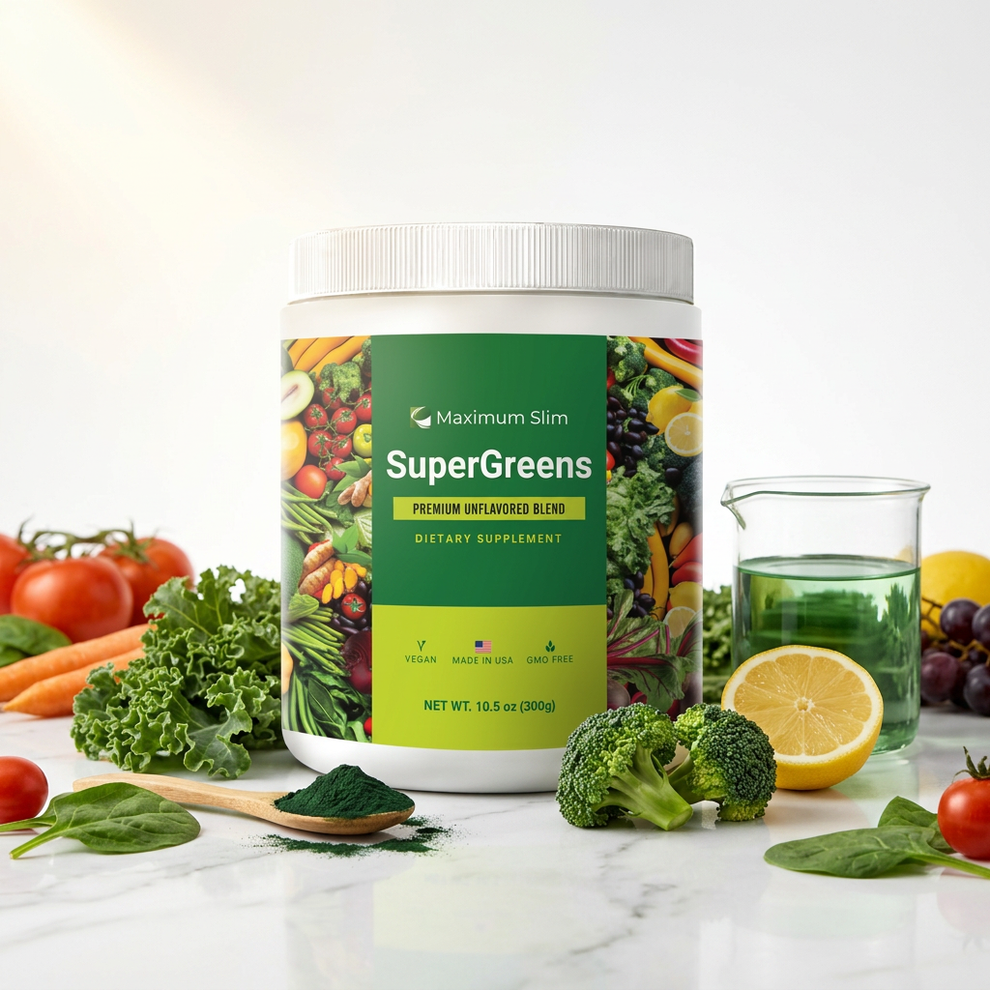
Featured Product
Maximum Slim SuperGreens Powder
A convenient greens blend featuring 27 organic ingredients in one serving, including vegetables, fruits, mushrooms, probiotics, and enzymes — designed for easy, everyday use.
Shop Now →- Freezer staples: Banana chunks, mixed berries, mango cubes, and spinach.
- Fridge add-ins: Yogurt, milk, kefir, lemons, and limes.
- Pantry boosters: Chia, flax, oats, nut butter, and protein powder.
- Optional boosters: Matcha, spirulina, ginger, cinnamon, and vanilla.
Wash fresh greens as soon as you get home, then dry them thoroughly. Damp spinach freezes into a dense block, while dry leaves remain easier to separate and blend. Slice bananas before freezing them flat on a sheet pan, then transfer the pieces to a container once firm.

Pack each bag in a consistent order
Use quart freezer bags with zip closures. Put dry ingredients in first, followed by smaller fruit, denser fruit or vegetables, and greens toward the top. This order keeps powders away from moisture, protects delicate leaves from being crushed, and places dense ingredients closer to the blades when you empty the bag.
Write three details on every bag with a marker:
- Recipe name.
- Prep date.
- Liquid type and amount to add.
A useful label might read, “Berry Recovery, Monday, almond milk plus water.” The instruction prevents guesswork when you're tired and makes it easier for another person to prepare the smoothie correctly. Keep the bags flat until frozen, then stack them upright like files so the oldest packs stay visible.
For a demonstration of the drop-in method, watch the smoothie preparation video below.
Freezer Packs Versus Pre-Blended Jars
Freezer packs and pre-blended jars solve different morning problems. A freezer pack asks you to use the blender on the day you drink it. A jar removes that step, but it asks you to accept more separation, more exposure to air, and a shorter period of peak texture.
| Factor | Freezer Packs | Pre-Blended Jars |
|---|---|---|
| Sunday labor cost | More assembly and labeling | Less weekday assembly, more finished blending |
| Weekday speed | Fast once liquid is added and blended | Fastest for grab-and-drink mornings |
| Texture after 24 hours | Blended fresh, usually thicker | May begin separating in the refrigerator |
| Texture after 48 hours | Still made fresh if pack remains frozen | More likely to need vigorous shaking |
| Texture after 72 hours | Pack remains flexible for later blending | Usually past its best quality |
| Nutrient retention | Better suited to limiting oxidation before blending | More exposure to air after blending |
| Freezer or refrigerator space | Requires freezer organization | Requires refrigerator space for finished jars |
| Recipe flexibility | Easy to swap liquid, protein, or fresh add-ins | Recipe is already fixed |
Choose based on the morning, not the container
Freezer packs win when nutrition, texture, and variety matter most. You can use almond milk one day, kefir the next, or add a different protein powder without preparing five finished drinks. The freezer format also aligns with food-safety guidance that recommends keeping perishable blended drinks at 40°F (4°C) or below and using them within 3 to 4 days, while avoiding the 40°F to 140°F danger zone for more than about 2 hours. The practical workflow is to freeze ingredient packs and refrigerate only the portion blended that day, as explained in this smoothie meal-prep storage guide.
Pre-blended jars make sense if you won't use a blender in the morning, need a bottle for a commute, or share a refrigerator with people who can't tolerate blender noise. Fill jars close to the top, seal them tightly, and expect to shake before drinking. For jar organization, choose containers that seal securely and fit your shelf. This guide to small containers for leftovers is useful when you're comparing compact storage options.
Decision rule: If you have access to a blender and a few morning minutes, freeze the ingredients. If you need to grab a bottle and leave immediately, blend the jar, refrigerate it, and drink it next day.
Three Make-Ahead Smoothie Recipes by Goal
A smoothie works better when its ingredients match the job. Protein and recovery calls for a substantial protein base and enough carbohydrate for training support. A greens blend needs freshness and brightness. A filling, lower-calorie option needs volume and fiber without relying on a heavy liquid base.
The recipes below are designed as single portions. Their protein and fiber contribution depends on the exact brands and ingredient sizes, so treat the targets as practical design goals rather than laboratory values.
Protein and recovery smoothie
Combine 1 scoop whey or pea protein, 1 frozen banana, 1 cup frozen mixed berries, 1 tablespoon ground flax, 1 cup unsweetened almond milk, and half a frozen avocado chunk. Add 4 ounces of water when blending.
This is best as a freezer pack. Put flax and protein powder at the bottom, add berries, then banana and avocado, with any greens placed above the heavier ingredients if you include them. Add the almond milk and water only at blending time. The liquid-to-solid balance is designed for a thick but moving blend, and the formula targets a meaningful protein serving with added fiber from berries and flax.
For a dairy-free version, use pea protein. For a nut-free version, replace almond milk with oat milk or water. For less sweetness, reduce the banana and add extra berries, knowing the result may be less creamy.
Greens and energy smoothie
Pack 2 cups baby spinach, half a cucumber, 1 green apple, 1 tablespoon chia seeds, the juice of half a lemon, and 1 teaspoon fresh ginger. Blend with 1 cup coconut water and ice.
Use a freezer pack for the spinach, cucumber, apple, and chia, but keep the lemon juice fresh when possible. Layer chia first, then apple and cucumber, with spinach on top. That protects the leaves from being compressed into a frozen block. The recipe targets hydration, leafy greens, and fiber, with chia providing texture and staying power.
For lower sugar, use less apple and more cucumber. For a different liquid base, use cold water. If you want more protein, add plain yogurt or a neutral protein powder on blend day, rather than forcing every functional ingredient into the freezer bag. You can also browse smoothie recipes for energy for ideas that fit an energy-focused rotation.
Lower-calorie and filling smoothie
Use 1 cup frozen cauliflower rice, half a cup frozen strawberries, 1 tablespoon hemp hearts, a splash of vanilla extract, and cinnamon. Blend with 1.5 cups water or green tea.
This formula is best as a freezer pack because the cauliflower rice and strawberries keep the drink cold and thick without requiring a large amount of sweet fruit. Layer hemp hearts first, then cauliflower rice, strawberries, and cinnamon. Keep vanilla near the top of the bag or add it with the liquid so it doesn't cling to the frozen ingredients.
The recipe targets volume and fiber rather than a high-protein result. Add protein powder on blend day if fullness and protein are both priorities. Hemp hearts provide some protein and fat, while the liquid-to-solid ratio keeps the blend moving without milk. For nut-free prep, this recipe already works without nut milk. For a sweeter result, use a small amount of banana, but that changes the flavor and carbohydrate balance.
| Recipe | Goal | Best Prep Format | Approx. Protein | Approx. Fiber | Freezer-Bag Layer Order |
|---|---|---|---|---|---|
| Berry recovery | Protein and recovery | Freezer pack | High, based on protein powder | Moderate to high | Flax and powder, berries, banana, avocado |
| Green energy | Greens and hydration | Freezer pack with fresh lemon | Moderate unless protein is added | Moderate | Chia, apple, cucumber, spinach |
| Strawberry cauliflower | Lower-calorie and filling | Freezer pack | Moderate unless protein is added | Moderate | Hemp hearts, cauliflower, strawberries, spices |
For more customizable combinations, AI Meal Planner recipes can help you build a broader rotation around the ingredients you already buy.
Storage Times and Nutrient Retention
A smoothie may still be drinkable after its best nutritional window has passed. Refrigerated blended smoothies are generally best within 24 to 48 hours. Sealed freezer packs and fully blended smoothies can last about 3 months in airtight, freezer-safe containers, according to this smoothie storage guidance.
The main trade-offs are oxidation, nutrient loss, and texture. Vitamin C declines faster than fiber, while air exposure encourages browning. Refrigeration suits next-day drinking. Freezer packs preserve weekday flexibility and avoid keeping a blended drink exposed to air for several days. A pre-blended jar is faster on serving day, but its texture and freshness usually decline sooner.
Use airtight containers, fill jars close to the top, and leave space for expansion when freezing. Less headspace reduces air contact. Frozen packs should thaw overnight in the refrigerator, then be blended and consumed promptly rather than left on the counter.

Use the container to control exposure
Choose the container based on your goal. Use a pre-blended jar when weekday speed matters most and you expect to drink it soon. Use freezer packs when you are preparing several days ahead, want better texture at blending time, or want to keep oxidation low before serving.
For a refrigerated finished smoothie:
| Time since blending | What to do |
|---|---|
| 24 hours | Drink if it has stayed cold, sealed, and smells fresh |
| 48 hours | Check color, aroma, and separation carefully. Drink only if the quality remains acceptable |
| 72 hours | Do not make this a normal prep target. Compost it if it has darkened, smells sour, or has an unpleasant texture |
Keep freezer storage below 20°F to help reduce microbial growth, following the storage guidance above. Freezing cannot rescue a smoothie that already sat warm. Add citrus close to drinking when possible. Citrus frozen inside every pack can develop bitterness after storage, particularly when peel, pith, or concentrated juice remains in contact with the other ingredients.
Choose prep format by the result you need: freezer packs for longer planning and better blend-day texture, pre-blended jars for immediate convenience.
Fixing the Most Common Prep Problems
Most failed smoothie batches don't need a more expensive blender. They need a better diagnosis. The symptom usually points to a packing or blending error.

Icy chunks
The root cause is usually too little liquid or an overloaded frozen jar. Add liquid first, then pulse to break up the pack before running a continuous blend. If the blender still struggles, let the ingredients thaw briefly. The expert packing guidance recommends 8 to 12 ounces of liquid at blending time and a 3 to 5 minute thaw for lower-powered models, as described in this frozen smoothie pack method.
Separation
Separation happens with water-heavy ingredients, low emulsification, or letting a finished smoothie sit. A jar is usually salvageable. Shake it hard, or blend again with half a frozen avocado or chia that has been soaked in liquid before blending.
Brown color
Oxygen causes browning, especially with apple, banana, and greens. Keep lemon juice out of the freezer pack if you dislike bitter notes, then add a small amount on serving day. Seal bags tightly and press out excess air before closing.
Soggy greens
Never place raw spinach beneath heavy fruit. Weight crushes the leaves, moisture encourages clumping, and the result can become a dark frozen block. Dry the greens well and place them on top of the pack so they freeze separately.
Chalky protein taste
Protein powder clumps when it meets frozen fruit before it has a chance to dissolve. Add powder to the liquid first, blend briefly, then add the frozen ingredients. If the taste remains unpleasant, change the protein type or use a smaller amount rather than masking it with excessive sweetener.
Yogurt is the ingredient I'd stop putting in freezer packs. It can separate badly after thawing and re-blending. Add it fresh when you make the smoothie.
Your Weekly Smoothie Prep Routine
A sustainable routine uses a 60-minute weekly block, split between a larger Sunday session and a short Wednesday reset. Sunday handles the work that benefits from batching. Wednesday keeps the system from becoming stale, repetitive, or buried behind unrelated frozen food.
Sunday preparation
Work through this checklist in order:
- Pull out the shopping, freezer bags, marker, sheet pan, and blender containers.
- Wash and thoroughly dry greens, cucumber, apples, and other fresh produce.
- Slice bananas and freeze pieces flat before packing.
- Measure dry ingredients, including protein powder and collagen, into each bag.
- Add fruit and dense vegetables, then place greens on top.
- Label every pack with its recipe name, prep date, and liquid instruction.
- Stack the sealed bags flat in the freezer until firm, then file them upright.
Protein powder and collagen belong in the dry layer at pack time, where they stay easier to portion. Add omega-3 oils, vitamin D, and probiotics on blend day instead. Heat, oxygen, and freezing can affect live cultures and oxidation-sensitive fats, so keeping them out of the long-storage pack is the cleaner workflow.
The same Sunday block can cover more than breakfast. Portioning, labeling, and thawing work the same way for full meals, and the Make-Ahead Freezer Meal Cookbook collects 75 recipes developed specifically for freezing and reheating, so nothing turns watery or bland on the way back out. Running one session for smoothie packs and dinners keeps the freezer on a single system instead of two competing ones.

Wednesday reset
Set aside a short midweek check. Audit the remaining packs, move the next recipe to the front, chop fresh ginger or lemon, restock liquid bases, and confirm the blender jar is clean and ready.
Use meal-planning guidelines to connect smoothie prep with the rest of your weekly meals. Rotating flavors midweek prevents fatigue by day four, while storing packs upright stops them from disappearing behind frozen chicken.
Daily, add liquid first, empty in the labeled pack, blend until smooth, and rinse the blender immediately. That small cleanup habit keeps residue from hardening and removes the most common excuse for skipping the next morning.
Maximum Health Products offers protein, SuperGreens, vitamins, and digital meal-planning resources that can fit into a structured smoothie routine. Visit Maximum Health Products to compare clean-label options and build the add-ins around your energy, recovery, or weight-management goals.

