


You’ve been consistent. Meals are cleaner. Workouts are happening. You’re checking the scale with that mix of hope and dread, and the number just sits there.
That stall can make even disciplined people start doubting everything. Am I eating too much? Not enough? Is my body broken? Should I train harder? Should I stop carbs? Should I just give up for a week and restart on Monday?
A weight loss plateau usually isn’t a sign that you’ve failed. It’s a sign that your body has responded to what you’ve been doing, and now the plan needs to evolve. That’s a very different problem from “I have no willpower,” and it’s a much more solvable one.
I see this pattern often. Someone starts strong, loses steadily, then tries to force progress with tighter calories and more cardio. That often makes the process feel worse without fixing the underlying issue. A better move is to diagnose the plateau first, then make the smallest effective adjustment.
That matters whether you’re using food and training alone or also exploring medical options. If medication is part of your thinking, a practical resource like this Wegovy Mounjaro Saxenda comparison can help you understand how different approaches fit into a broader weight-loss plan. Medication can support appetite control for some people, but it still works best inside a structured system.
The Frustration of a Weight Loss Stall Is Real
A plateau feels personal, even when it isn’t.
Individuals don’t get frustrated because the scale slowed down for one random day. They get frustrated because they’ve made real changes and expected those changes to keep producing visible progress. When that stops happening, it can feel like the rules changed without warning.
The hard part is that plateaus often show up right when motivation is already being tested. You’ve used the easy wins. Restaurant meals are less frequent. Portions are better. You’re not winging it anymore. Then the body adapts, and now the same effort gives less feedback.
Plateaus are frustrating because they blur the line between “be patient” and “change something.” Good coaching helps you tell the difference.
That’s why a generic list of tips usually falls flat. “Drink more water” isn’t wrong. “Try a new workout” isn’t wrong. But neither helps much if your main issue is inaccurate tracking, poor recovery, or a routine your body has fully adapted to.
The better question is not “What tip should I try?” It’s “What is most likely causing my stall right now?”
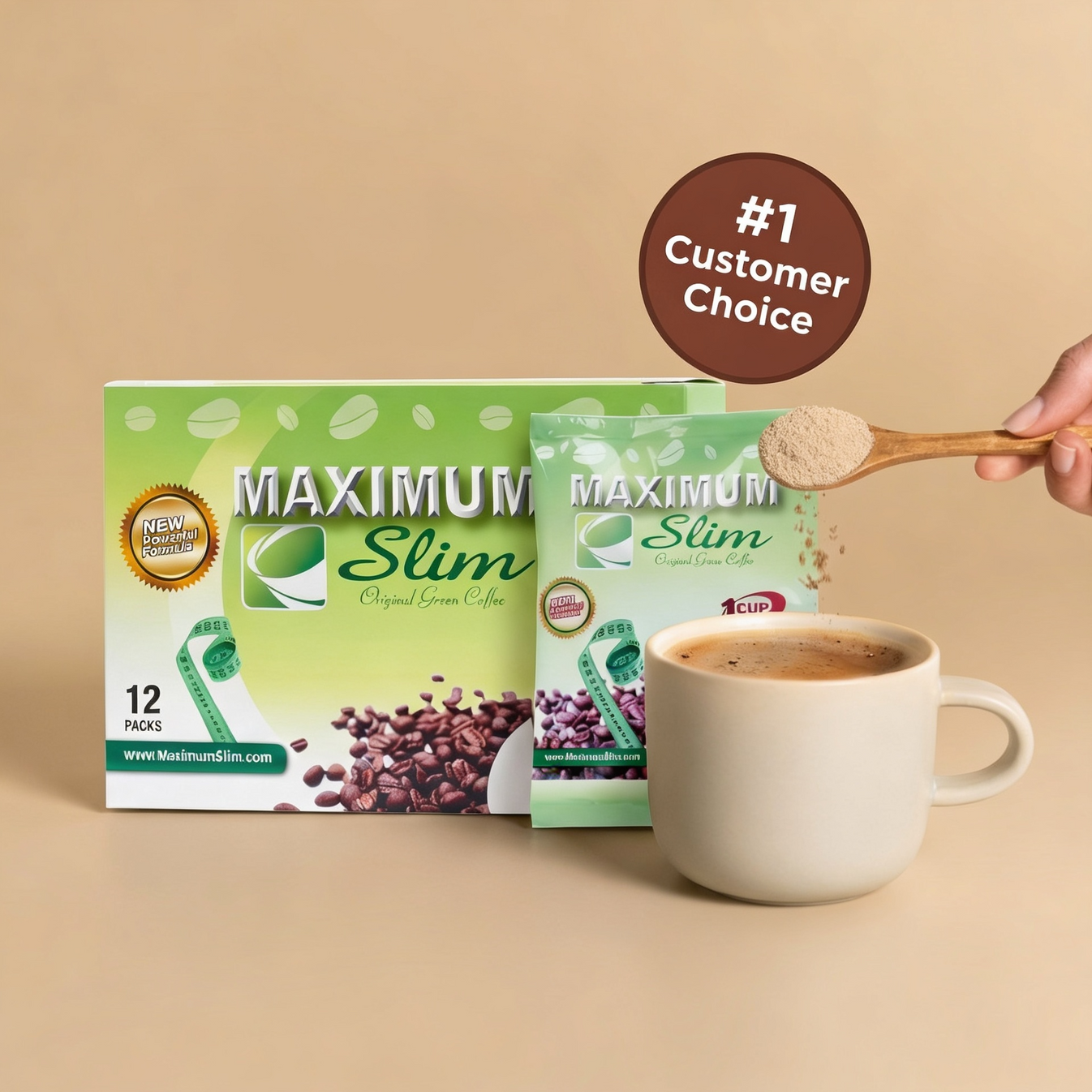
Featured Product
Maximum Slim Original Green Coffee | Premium Unroasted Arabica Blend (12 Ct)
Discover a delicious daily coffee crafted to complement your wellness routine. Enjoy one cup a day as part of a balanced lifestyle.
Shop Now →What a useful approach looks like
A practical plateau plan does three things:
- It removes blame: the goal is to identify physiology, habit drift, and training adaptation, not shame yourself.
- It narrows the cause: nutrition, training, sleep, stress, daily movement, and body-composition changes can all create a stall.
- It gives you a sequence: audit first, then adjust, then reassess instead of changing everything at once.
That’s how to overcome weight loss plateau problems without turning your routine into punishment. You need a framework, not more guilt.
Diagnose Your Plateau Why It Really Happens
Most true plateaus come from a small number of causes. The body needs fewer calories as you lose weight. Repetitive exercise gets easier. Tracking accuracy slips. Sometimes the scale also hides progress that’s still happening.

In clinical practice, after 6 to 12 weeks of initial weight loss, many individuals’ resting metabolic rate falls by about 5 to 15% below predicted values, and daily energy expenditure declines by roughly 150 to 300 kcal per day due to adaptive thermogenesis. The same clinical source also notes that many patients who appear compliant underreport intake by 15 to 30% on average, which can erase a perceived deficit (NCBI Bookshelf overview of obesity treatment).
That combination explains why a plateau can happen even when you feel like you’re still “doing the same thing.”
Cause one: your metabolism and body size changed
When you weigh less, moving your body costs less energy. Your body also becomes more efficient during a long period of dieting. This is not your imagination and not a character flaw.
If early fat loss happened on a calorie target and activity level that once worked, that exact setup may no longer create a strong enough deficit later. Many people keep chasing the old result with the old plan.
Cause two: calorie creep and tracking fatigue
This is one of the most common problems because it doesn’t feel dramatic. It looks like a bigger spoonful of peanut butter, more bites while cooking, generous pours of olive oil, weekend meals that “don’t count,” and eyeballing portions that used to be measured.
Coaching note: If your plan only works when everything is perfect, it isn’t a strong plan. The strongest plans survive normal human behavior.
A plateau often isn’t caused by one massive mistake. It’s caused by several small misses that accumulate.
Cause three: your exercise routine stopped being a new stimulus
If you’ve done the same bike ride, same treadmill session, same class, or same weights for weeks, your body gets better at it. That’s part of training. It’s also why repetitive training stops driving the same calorie burn and progress.
Research summarized by Mayo Clinic notes that the body becomes approximately 20 to 30% more efficient at its current exercise routine within 8 to 12 weeks, and that off-and-on loosening of dietary rules contributes to about 30 to 40% of plateau cases (Mayo Clinic on weight-loss plateaus).
Cause four: the scale isn’t telling the whole story
Context is key. If your waist is smaller, clothes fit differently, and your training is improving, you may be changing body composition even while scale weight is flat. If that possibility sounds familiar, this guide on understanding body recomposition is useful because it explains why inches can change before body weight does.
Use this quick diagnostic lens:
- Mostly scale stall plus looser tracking: audit food first.
- Mostly same workouts for weeks: change training variables first.
- Scale flat but measurements improving: don’t assume failure.
- High stress, bad sleep, lower energy: recovery may be the bottleneck.
Recalibrate Your Nutrition for Renewed Progress
A plateau often looks like a calorie problem, but in practice it is usually a measurement problem, a satiety problem, or a consistency problem.

Before cutting intake again, check whether your current plan still matches what you are eating. As body weight drops, your calorie needs drop with it. At the same time, portions tend to drift upward, especially with oils, snacks, restaurant meals, and healthy foods that are easy to underestimate. That combination is enough to flatten progress even when effort still feels high.
Start with a three-day audit
Use three typical days, not your cleanest days. Include one weekend day if weekends are where structure slips.
Track with more precision than usual:
- Weigh portions: oils, nut butters, cereal, rice, dressings, granola, trail mix, and cooking fats are common blind spots.
- Log bites and tastes: a few small extras repeated daily can erase a modest deficit.
- Record drinks: alcohol, juice, smoothies, creamers, and café drinks count the same as food.
- Keep your routine normal: the goal is to diagnose the plateau, not perform for the app.
I tell clients to treat this like collecting evidence, not passing a test. That mindset matters because shame makes people underreport, and underreporting keeps the plateau in place.
Raise satiety before reducing calories further
If hunger is high by mid-morning, late afternoon, or after dinner, the plan is usually too easy to overeat. Fix that first.
Build meals around three anchors:
- Protein: eggs, Greek yogurt, cottage cheese, tofu, chicken, fish, tempeh, edamame, lentils, or a protein shake that helps you hit your target.
- Fiber-rich carbohydrates: beans, oats, berries, apples, potatoes, and higher-fiber grains tend to control appetite better than low-volume snack foods.
- Volume foods: vegetables, broth-based soups, and meals that require chewing usually keep people fuller than liquid calories or grazing foods.
A simple example. Toast and fruit can fit a fat-loss plan, but many clients are hungry again an hour later. Eggs with fruit, Greek yogurt with chia and berries, or oats paired with protein usually hold much better and make the rest of the day easier to control.
If you need help setting those targets, this guide to understanding macros for weight loss can help you structure protein, carbs, and fats more deliberately.
Practical rule: If a plateau hits, make meals more measurable and more satisfying before you make them smaller.
Tighten the deficit without turning it into a punishment plan
Aggressive cuts look productive on paper and often fail in real life. Very low intake tends to raise hunger, reduce training quality, and trigger the all-or-nothing eating pattern that stalls progress for weeks.
A smaller adjustment usually works better. Trim the foods that are easy to overeat and easy to miss in tracking first. Cooking oils, restaurant meals, calorie-dense snacks, liquid calories, and weekend extras usually deserve attention before you remove staple meals that keep you full and consistent.
This is the trade-off. A larger deficit can produce faster short-term loss, but only if you can sustain it without rebound eating. A moderate deficit is slower, yet it is far more likely to survive real life.
Use a maintenance break on purpose
Sometimes the issue is not that the plan stopped working. The issue is that adherence is fraying. If food focus is high, training feels flat, and every week includes overeating after several strict days, a short maintenance phase can be the smarter move.
That only works if it is structured. Keep protein high, keep meal timing consistent, and bring calories up to maintenance deliberately for a defined period before returning to a deficit. In coaching, this often helps people regain control, reduce binge-restrict cycles, and come back with better compliance.
Nutrition adjustments break plateaus when they match the underlying cause. Audit first. Improve satiety second. Reduce calories only as much as needed.
Reignite Fat Loss with Smarter Training
If you keep giving your body the same training signal, don’t be surprised when it stops adapting.

The way out isn’t always more exercise. It’s better-designed exercise. The most useful framework here is the FITT principle, which means Frequency, Intensity, Type, and Time.
According to the verified exercise-science data provided, introducing just one new variable per week, such as adding 10 minutes of walking daily or 1 to 2 sets of compound lifts, can increase weekly energy expenditure by about 700 to 1,200 kcal. In monitored programs, 30 to 40% of plateauing clients make new progress when they systematically escalate training load while maintaining protein around 1.2 to 1.6 g/kg/day (ACSM).
Use FITT one lever at a time
Don’t change everything at once. Pick one lever and run it for a week.
- Frequency: add one extra training day or one extra walk.
- Intensity: include intervals, faster paces, steeper inclines, or heavier resistance.
- Type: swap steady cardio for circuits, rowing, swimming, hills, or a different class.
- Time: add a small amount of duration to sessions you already tolerate well.
That one-change rule matters because it keeps fatigue under control and lets you see what helps.
Prioritize resistance training
When people hit a plateau, they often default to more cardio. Cardio is useful, but resistance training deserves equal attention because it helps preserve lean mass while dieting and gives your body a stronger reason to keep muscle.
A simple strength focus can include:
- Squats or leg presses
- Rows or pulldowns
- Pressing movements
- Hip hinges such as deadlifts or Romanian deadlifts
- Loaded carries or core work
You don’t need a bodybuilder program. You do need progression. That can be an extra set, a little more load, cleaner reps, or better effort at the same load.
Here’s a useful visual primer before you change your program:
What works versus what doesn’t
A lot of plateau frustration comes from spending effort in the wrong place.
| Approach | Usually works better | Usually works worse |
|---|---|---|
| Cardio | Changing pace, mode, or duration strategically | Repeating the exact same session |
| Strength | Progressive overload and compound lifts | Random workouts with no tracking |
| Weekly planning | Adding one variable at a time | Overhauling everything at once |
| Recovery | Keeping enough rest to train well | Training hard every day until motivation crashes |
If your workouts feel familiar, comfortable, and fully predictable, they’re probably maintaining fitness more than driving new change.
A smart training reset should feel purposeful, not chaotic. More soreness is not the goal. More stimulus is.
Master the Hidden Factors Sleep Stress and Daily Movement
You can hit your calorie target, complete your workouts, and still stay stuck if the rest of your day is working against you.
I see this pattern all the time. A client says, “I’m doing everything right,” but a closer look shows short sleep, higher stress, more sitting, and less structure outside the gym. The plateau is real, but the cause is often hiding in plain sight.
These factors matter because they change behavior first. Poor sleep usually shows up as stronger hunger, lower patience, more convenience eating, and weaker training effort. Stress often does the same thing. Daily movement tends to drop unnoticed, which lowers total energy expenditure without feeling like a major change.
Sleep first, because it improves the rest of the plan
If someone is sleeping badly most nights, I do not start by making their diet more restrictive. That usually backfires. Hunger feels harder to manage, recovery gets worse, and adherence slips.
Start with the basics:
- Keep wake time consistent: getting up at the same time helps anchor your sleep rhythm.
- Build a repeatable wind-down routine: lower lights, step away from work, and put the phone down earlier than feels convenient.
- Set up the room for sleep: cool, dark, and quiet works better than trying to “push through” poor conditions.
If you need help tightening those basics, this guide on how to improve sleep quality is a useful place to start. If your fatigue is persistent, your sleep feels unrefreshing, or you snore heavily, reading about treating chronic fatigue from sleep apnea may help you decide whether it is time to get evaluated.
Stress rarely announces itself clearly
People usually do not say, “Stress is disrupting my fat loss.” They say their routine has been messy lately.
That matters. Stress changes food choices, portions, consistency, and recovery. It also narrows attention. You stop planning meals, skip walks, train with less focus, and rely on willpower more than structure. As noted earlier, plateaus often involve both metabolic adaptation and behavior drift. Stress is one of the fastest ways that drift starts.
A better response is to lower friction instead of demanding more discipline:
- Repeat a few simple meals during busy weeks
- Keep high-protein foods visible and ready
- Shorten workouts if needed, but keep the habit
- Use a short walk or breathing break to interrupt stress eating
Daily movement is often the missing variable
Exercise sessions matter. The hours around them matter too.
Many people train for 45 minutes, then sit for most of the day and wonder why progress slowed. That is not a character flaw. It is a common plateau pattern. When dieting gets harder or work gets busier, spontaneous movement often drops. Fewer steps, less standing, fewer errands on foot, less pacing, less general motion. The weekly calorie gap can shrink more than people realize.
Use simple triggers that fit real life:
- Take a 10-minute walk after one or two meals
- Stand for part of meetings or work blocks
- Use phone calls as walking time
- Carry groceries, do chores, and keep small tasks active instead of automated when practical
The goal is not to turn every moment into exercise. The goal is to raise daily output without creating a recovery problem or a plan you will not follow.
When a plateau will not budge, check these three areas like a coach would. Sleep quality. Stress load. Daily movement. They often explain why a good plan stopped working, and they give you the clearest place to adjust before making bigger changes.
Your 4-Week Plateau-Breaking Protocol
When people feel stuck, they usually do one of two things. They either change nothing and hope motivation returns, or they change everything at once and can’t tell what worked. A short protocol fixes both problems.
Use the next four weeks to gather evidence, make targeted changes, and assess response without panic. Keep it simple enough that you can follow it on a busy week.
How to use this protocol
A few ground rules make this work better:
- Keep your routine stable enough to measure: don’t add five supplements, two cheat days, and a detox at the same time.
- Track more than scale weight: include waist, energy, hunger, and training performance.
- Stay honest, not dramatic: the goal is useful information.
Small, observable adjustments beat heroic effort every time.
4-Week Plateau-Breaking Protocol
| Week | Primary Focus | Key Actions | Success Metric |
|---|---|---|---|
| Week 1 | Audit and recalibrate | Log all food and drinks for a full week. Weigh common calorie-dense items. Review weekend eating, alcohol, bites while cooking, and restaurant meals. Make meals more protein-focused and fiber-rich. Keep training the same this week so you can isolate the nutrition picture. | You have a complete food record, clearer portion accuracy, and a realistic view of where intake is drifting. |
| Week 2 | Change one training variable | Apply one FITT change only. Add a walk, extend sessions slightly, raise intensity, or introduce resistance progression. Keep nutrition structured rather than tightening calories aggressively. | Workouts feel more deliberate, and you can identify whether the new training load is manageable and repeatable. |
| Week 3 | Fix recovery and hidden friction | Set a repeatable sleep schedule, reduce late-night stimulation, and build one daily stress-management habit such as a walk, breathwork, or journaling. Add more non-exercise movement through your day. | Hunger feels steadier, energy improves, and consistency is easier instead of harder. |
| Week 4 | Consolidate and assess | Review scale trend, waist, how clothes fit, energy, and adherence. Keep the changes that were sustainable. Remove the ones that created fatigue without payoff. Decide your next smallest adjustment rather than starting over. | You finish with a personalized plan based on response, not guesswork. |
What to expect during the four weeks
The first week may feel oddly revealing. Individuals often find at least one area where their “pretty good” plan was less precise than they thought. That’s useful, not discouraging.
The second week should make training feel fresher. If the change was too large, scale it back. A plateau-breaking plan should increase stimulus, not bury you in fatigue.
The third week often improves the process more than people expect. Better sleep and lower stress don’t just help the body. They make meal choices and training consistency easier.
The fourth week is where many people make a critical mistake. They either abandon a working plan because progress wasn’t dramatic enough, or they force a harsher deficit because they’re impatient. Don’t do that. Look at trends and sustainability together.
Signs your protocol is working
Look for a mix of these:
- Scale trend starts moving again
- Waist or clothing fit improves
- Hunger becomes more predictable
- Training quality goes up
- You feel less chaotic around food
If none of those improve, that’s when it makes sense to move from self-troubleshooting to professional support.
Using Supplements and When to Consult a Professional
Supplements can support a good plateau plan. They do not rescue a bad one.
That distinction matters because many people look for a fat burner when the underlying problem is inconsistent intake, weak protein intake, poor sleep, or stale training. No product can outwork those basics. A useful supplement should make the plan easier to follow, not replace the plan itself.
Where supplements can help
A few categories can make practical sense:
- Protein powder: useful when hitting protein through meals alone is hard, especially at breakfast or after training.
- Appetite-support products: these may help some people stay more consistent with a calorie deficit, but they should sit on top of meal structure.
- Metabolism-support ingredients: these are best treated as marginal helpers, not primary drivers.
If you’re curious about options in that category, this overview of natural weight loss supplements offers a balanced starting point.
The right mindset is simple. Ask, “Will this help me execute the basics more consistently?” If the answer is no, skip it.
What doesn’t work well
The least helpful approach is chasing intensity. People stack stimulants, cut calories too hard, and train in a half-recovered state. That usually creates more hunger, worse sleep, poorer training quality, and eventually rebound eating.
Another common mistake is using supplements as permission to ignore precision. If portions are unmeasured and weekends are unstructured, the most expensive supplement on the market won’t fix the plateau.
Use supplements to support adherence, satiety, convenience, and recovery. Don’t use them as a substitute for honest tracking and smart programming.
When to stop troubleshooting on your own
It’s time to consult a professional when the pattern stops looking like a simple plateau and starts looking like a bigger issue.
Get help if:
- Your plateau persists despite a structured audit and targeted adjustments
- Your energy is crashing or training performance is deteriorating
- You’re experiencing intense hunger, binge-restrict cycles, or obsessive food thoughts
- You suspect an underlying medical issue
- You’re using or considering prescription weight-loss medication and need dose or strategy guidance
A doctor can evaluate medical contributors. A registered dietitian can tighten nutrition without guesswork. A qualified coach or trainer can adjust your program so it challenges you without overloading you.
The goal isn’t to prove you can do it alone. The goal is to get unstuck safely, efficiently, and for the long term.
If you want clean-label support for weight management, daily energy, protein intake, and overall wellness, explore Maximum Health Products. Their range includes science-backed nutrition designed to complement a solid routine, not replace it, which is exactly how sustainable progress is built.

