


You’re eating about the same way you did in your 30s. You still try to be active. But now the scale climbs faster, energy dips harder in the afternoon, and a few “healthy” days no longer seem to move the needle. That doesn’t mean you’ve lost discipline. It usually means your metabolism is asking for a different strategy.
For most adults, learning how to speed up metabolism after 40 isn’t about finding a miracle food or a punishing workout plan. It’s about working with the body you have now. That means protecting muscle, choosing foods that support metabolic work instead of just cutting calories, and getting honest about the effects of stress and sleep on appetite, recovery, and fat storage.
The good news is that metabolism after 40 is not fixed. It is responsive. With the right inputs, you can improve how your body uses energy and make healthy weight management feel less like a fight.
Why Your Metabolism Feels Different After 40
You clean up your meals for two weeks, add a few more walks, and expect your body to respond the way it used to. Instead, your energy still dips, your waistline feels less forgiving, and progress seems slower than the effort you are putting in. That experience is common in midlife, and it usually reflects real biological changes rather than a lack of discipline.

The shift is real, but it’s not random
After 40, metabolism often feels less flexible because several systems start changing at once. Muscle mass tends to decline, daily movement often drops as work and family demands increase, and recovery can become less forgiving. The result is a body that burns fewer calories at rest, handles high stress less efficiently, and reacts more strongly to inconsistent sleep, skipped meals, and long stretches of sitting.
WebMD’s review of metabolism changes after 40 notes that metabolic rate tends to decline with age, in part because people lose metabolically active muscle mass over time. That same review also points out that body weight commonly rises through midlife. Those trends matter, but they do not mean your metabolism is broken. They mean the old strategy often stops matching the body you have now.
If you have been asking why losing weight gets harder after 40, the answer usually sits at the intersection of lower muscle mass, lower resting calorie burn, and a lifestyle that puts more pressure on sleep, stress, and recovery.
Practical rule: After 40, metabolic health improves when you protect muscle, structure meals well, and treat sleep and stress as part of the plan.
Featured Product
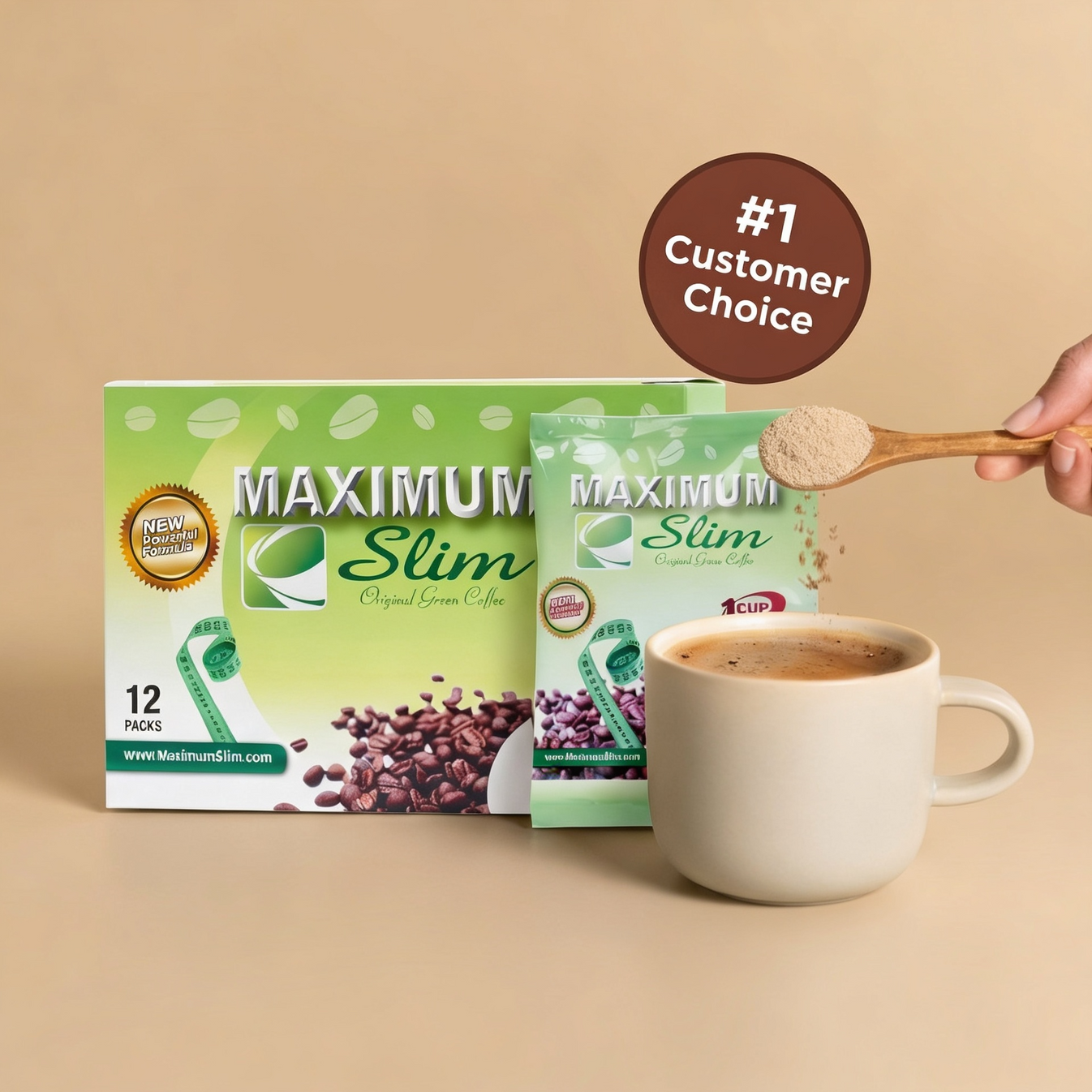
Maximum Slim Original Green Coffee | Premium Unroasted Arabica Blend (12 Ct)
Discover a delicious daily coffee crafted to complement your wellness routine. Enjoy one cup a day as part of a balanced lifestyle.
Shop Now →Muscle changes the equation
Muscle requires energy to maintain. As muscle mass decreases, resting metabolic rate often decreases with it. Muscle’s role in this process is often underestimated, especially by adults who are still relying on extra cardio or lighter eating to create results that once came easily.
Protein matters here for two reasons. It helps preserve lean mass, and your body uses more energy digesting it than it does with fats or carbohydrates. WebMD notes that protein has a higher thermic effect of food, which means meal composition can influence total daily energy burn in a meaningful way.
Blood sugar regulation also starts to matter more in this decade. Large swings in appetite and energy can make healthy habits harder to sustain, even for motivated people. If you want a clearer picture of how this works, understanding glucose, blood sugar, and metabolic health is a helpful companion resource.
Hormones and recovery matter more now
Midlife metabolism is not only about calories. It is also shaped by cortisol, insulin sensitivity, sleep quality, and recovery capacity. Poor sleep can raise hunger, increase cravings, and reduce training performance the next day. Chronic stress can push people toward convenience foods, lower daily movement, and make fat loss feel inconsistent even when they are trying hard.
This is the trade-off I often see with clients in their 40s. Pushing harder with food restriction and more exercise can backfire if sleep is poor and recovery is already stretched thin. A better approach is to send the body clearer signals. Eat enough protein. Train to keep or rebuild muscle. Keep blood sugar steadier. Get sleep into a range that supports appetite control and recovery.
That is why metabolism after 40 responds best to a systems approach. Nutrition, muscle-focused training, stress regulation, and sleep all work together. Clean-label supplements can support that process in some cases, but they work best as an accelerator of strong habits, not a substitute for them.
Fueling Your Metabolic Engine with Strategic Nutrition
A common midlife pattern looks like this: coffee for breakfast, something rushed at lunch, then a heavy dinner when energy and willpower are both low. That setup makes appetite harder to manage and gives your body poor material for preserving muscle. Strategic nutrition works better because it supports energy, recovery, and blood sugar control across the full day.

Build meals that support muscle and steadier energy
Food does more than affect calories in and calories out. It also shapes satiety, training recovery, and how stable your energy feels between meals. After 40, that matters because the goal is not just eating less. The goal is sending your body a clear signal to maintain lean mass while reducing the blood sugar swings that drive cravings.
If you want a deeper primer on how meal composition affects energy and appetite, this guide to understanding glucose, blood sugar, and metabolic health is a useful companion resource.
A practical plate usually includes four parts:
- Protein first: Eggs, Greek yogurt, cottage cheese, tofu, lentils, fish, chicken, tempeh, or a clean protein shake when time is tight.
- Fiber-rich carbohydrates: Oats, beans, berries, quinoa, potatoes, and fruit tend to support more stable energy than refined snack foods.
- High-volume produce: Vegetables help with fullness, micronutrient intake, and meal quality without making every plate heavy.
- Moderate fats: Olive oil, nuts, seeds, and avocado fit well. The trade-off is portion creep, since fats are easy to overeat without noticing.
That last point matters. Healthy fats are useful, but a meal built around protein, fiber, and produce is usually easier to sustain than one built around oils, nut butters, and convenience foods labeled as healthy.
Meal timing should reduce rebounds, not create them
I see the same pattern often with clients in their 40s. They under-eat early, stay busy, then hit late afternoon feeling drained and hungry enough to eat anything in sight. The problem is not lack of discipline. The problem is a meal pattern that sets up a rebound.
Three solid meals works well for many adults. Some do better with one planned snack between lunch and dinner, especially on training days or long workdays. The right structure is the one that keeps hunger predictable, supports your workouts, and prevents the nightly catch-up meal.
A good metabolism plan leaves you fed, clear-headed, and consistent. If your plan leaves you cold, distracted, irritable, and thinking about food all day, it needs work.
Consistency beats restriction here. Regular meals with enough protein and fiber usually outperform extreme plans that look disciplined on paper but fall apart by evening.
You can find more meal ideas in this roundup of metabolism-supportive foods if you want practical options beyond generic advice.
Hydration still affects how you feel and perform
Hydration is easy to dismiss because it is simple. It still matters.
Mild dehydration can make hunger, fatigue, and training effort feel worse than they need to. Green tea can also be a useful add-on for some adults because it offers fluid intake and a modest metabolic benefit, though caffeine tolerance varies and poor sleep will erase the upside fast.
A simple structure works well:
| Habit | Practical use |
|---|---|
| Morning water | Start the day with a full glass before coffee |
| Pre-meal water | Drink water before one or two meals if you tend to confuse thirst with hunger |
| Green tea | Use 2 to 3 cups earlier in the day if caffeine works for you |
| Portable bottle | Keep water visible during work hours so drinking stays automatic |
Protein matters more after 40
Protein is one of the clearest nutrition priorities in this decade because it supports muscle retention, satiety, and recovery from strength training. A useful target for many adults over 40 is about 1.2 grams per kilogram of body weight per day, spread across meals instead of saved for dinner.
Distribution is often the missing piece. A breakfast with almost no protein, a light lunch, and a protein-heavy dinner is common, but it is rarely the most effective pattern for appetite control or muscle maintenance. A better setup is giving each main meal a meaningful protein source.
Clean-label supplements can help here when life gets busy. A protein powder with a short ingredient list can make breakfast or a post-workout meal easier to execute. It should support your routine, not replace real meals.
Rebuilding Your Metabolism with Smarter Exercise
You finish a long cardio session, feel wrung out, and still wonder why your body is not responding the way it used to. That pattern is common after 40, especially for adults who are working, parenting, sleeping less than they need, and trying to train on top of it all.

Exercise still helps metabolism. The difference is that the best return now usually comes from training that protects muscle, supports recovery, and fits your stress load instead of fighting it.
Why endless cardio often disappoints
Steady-state cardio has a place. It improves cardiovascular health, supports mood, and adds energy expenditure. But if the goal is a stronger metabolism, cardio alone usually leaves a gap because it does less to maintain and build lean mass than resistance training does.
That matters after 40. Muscle tissue is one of the main drivers of daily energy use, and it also improves how your body handles carbohydrates, recovers from activity, and stays physically capable as the years move on. A plan built around hours of cardio can burn calories, but it often does not create the muscle-centered adaptation that keeps metabolism more resilient.
Guidance summarized by Medical News Today supports a balanced structure of regular strength training, along with limited HIIT for adults who recover well. That is a better framework than chasing sweat and soreness.
An Effective Exercise Split for Metabolism
A smart weekly plan usually combines three kinds of movement, with strength work at the center.
- Strength sessions: Train major muscle groups with squats, hinges, rows, presses, split squats, carries, and core work.
- Brief HIIT: Use short intervals on a bike, rower, incline treadmill, or hill when sleep, joints, and recovery are in a good place.
- Daily movement: Walk more, stand more, take stairs, and reduce long blocks of sitting.
This video gives a useful visual complement to that approach:
Don’t judge a workout only by calories burned during the session. Judge it by what it helps your body become better at doing tomorrow, next week, and next month.
For many clients, the best starting point is two or three full-body strength sessions each week, plus walking on most days. That approach is repeatable. It also leaves enough recovery capacity for work, family life, and sleep, which is where many metabolism plans fall apart.
HIIT works best as a supplement, not a punishment
HIIT can raise post-exercise energy use and improve conditioning in less time than long moderate sessions. It is useful. It is also easy to overuse.
I see the same mistake often. Adults in their 40s add intense intervals on top of poor sleep, high job stress, and inconsistent meals, then wonder why appetite rises, motivation drops, and soreness lingers. The workout is not the problem by itself. The mismatch between training intensity and recovery is.
A simple HIIT session might look like this:
| Phase | Example |
|---|---|
| Warm-up | Easy walk, bike, or mobility work |
| Work interval | Short hard effort |
| Recovery interval | Easy movement until breathing settles |
| Repeat | Several rounds based on fitness level |
| Cool-down | Gentle movement and slower breathing |
If your goal is body recomposition, this guide on how to burn fat and build muscle simultaneously adds useful context on how training and nutrition work together.
What works better than trying to crush every workout
Consistency beats hero workouts. That is especially true after 40.
A metabolism-friendly training week is built on progressive strength work, enough low-intensity movement to keep energy output up, and a realistic recovery plan. For some people, that means lifting three days per week and walking daily. For others, it means two strength sessions, one interval session, and a hard stop on adding more until sleep improves.
Recovery is part of the exercise plan, not separate from it. If you are under-recovered, your workouts stop sending a productive signal and start creating more fatigue. Improving sleep quality with simple, repeatable habits often does more for training results than adding another class or another cardio day.
The best workout for metabolism after 40 is the one you can recover from, repeat next week, and gradually improve over time.
Mastering Sleep and Stress for Hormonal Balance
You finish dinner, answer a few more emails, scroll to take the edge off, and tell yourself you will catch up on sleep tomorrow. Then tomorrow starts with low energy, stronger cravings, and a workout that feels harder than it should. That pattern is common after 40, and it has real metabolic consequences.

Cortisol changes the whole picture
Stress affects metabolism through behavior and physiology at the same time. Chronic stress can worsen sleep, increase impulsive eating, and make recovery from training less efficient. The Detroit Medical Center resource on moving metabolism also notes that chronic stress and cortisol can disrupt metabolism, and that B vitamins help convert food into energy.
That matters because many adults in their 40s try to solve a recovery problem with more discipline. More workouts. Fewer calories. More caffeine. In practice, that often backfires. An overloaded nervous system tends to push hunger higher, patience lower, and training quality down.
Hormones do not work in isolation. Sleep, stress, appetite, blood sugar control, and recovery all interact. If one piece is off, the rest usually get harder to manage.
Sleep belongs in the plan
Sleep is one of the strongest metabolic regulators you can improve without making your life more restrictive. Better sleep supports appetite control, insulin sensitivity, exercise recovery, and day-to-day decision-making. Poor sleep pushes all of those in the wrong direction.
Start with the basics that give the highest return:
- Keep a consistent sleep schedule: Go to bed and wake up at roughly the same time most days.
- Lower stimulation at night: Late emails, bright screens, heavy meals, and alcohol close to bed can all make sleep lighter and less restorative.
- Create a repeatable wind-down routine: Dim lights, stretch lightly, read, or take a warm shower so your body gets a clear cue that the day is ending.
- Fix the room before blaming yourself: A dark, cool, quiet bedroom often improves sleep faster than another supplement purchase.
If your sleep routine is all over the place, this guide on how to improve sleep quality with practical habits can help you tighten the fundamentals.
Better sleep makes the rest of the plan easier to follow.
Where supplements can help, and where they cannot
Clean-label supplements can support metabolic health, but they work best as an accelerator, not a substitute for meals, movement, or recovery. That is especially true with stress and sleep. A magnesium product or B-complex may help fill a gap for some people, particularly if food quality is inconsistent or a clinician has identified a deficiency. They do not erase the effects of five short nights, high stress, and irregular eating.
Food still does the heavy lifting. Regular meals with enough protein, fiber, and micronutrient-rich whole foods give your body the raw materials it needs to produce energy and recover well. Supplements are useful when they solve a specific problem. They are less useful when they are covering for a lifestyle pattern that keeps pushing hormones out of rhythm.
What I tell high-stress clients
For clients dealing with work pressure, caregiving, poor sleep, or perimenopausal changes, the first goal is usually to reduce friction. The body responds better to a plan it can recover from.
That may mean setting a real bedtime before adding another training day. It may mean eating lunch on time so evening hunger does not take over. It may mean replacing one hard session with a walk and ten minutes of breathing or daylight exposure. Those choices can look small, but they often improve hormonal balance enough for nutrition and exercise to start working the way they should.
After 40, metabolism responds best to coordination. Smart nutrition builds the foundation, strength training protects muscle, and better sleep and stress control let those efforts pay off.
Your Daily Metabolic Blueprint A Sample Schedule
What's often needed isn't more information; it's a realistic rhythm. The plan below combines meal structure, training, hydration, and recovery into something a busy adult can follow.
Sample Weekly Metabolic Reset Schedule
| Day | Morning (7 AM) | Workout (Time Varies) | Post-Workout/Lunch (1 PM) | Evening (7 PM) |
|---|---|---|---|---|
| Monday | Water, protein-forward breakfast, short walk | Strength training | Balanced meal with protein, vegetables, and whole-food carbs | Simple dinner, light stretching, regular bedtime |
| Tuesday | Water, breakfast, green tea if tolerated | Brisk walk or active recovery | Lunch built around protein and plants | Lower-stimulation evening, prep next day’s meals |
| Wednesday | Water, steady breakfast | HIIT session | Protein-rich lunch and hydration | Relaxed dinner, easy mobility work |
| Thursday | Water, breakfast, brief daylight exposure | Strength training | Balanced lunch with fiber-rich carbs | Screen-light reduction and wind-down routine |
| Friday | Water, breakfast | Walk, mobility, or lighter movement | Satisfying lunch that prevents late-day snacking | Early dinner if helpful, calm evening |
| Saturday | Water, full breakfast | Strength training | Lunch with protein and produce | Social meal without overcompensating all day |
| Sunday | Water, slow morning, regular meal timing | Optional walk or recovery day | Nourishing lunch, prep for the week | Earlier wind-down, sleep reset |
How to use the schedule without becoming rigid
Treat this as a template, not a test. If your workday explodes, keep the anchors. Eat a real breakfast, get some movement, drink water, and avoid turning one missed workout into a missed week.
For supplements, the role is supportive. A clean protein powder can help when you’re short on protein at breakfast or after training. Green tea or green coffee products may fit a routine for some people, but they’re not substitutes for meal structure, strength training, or sleep. If you have a medical condition, take medications, or suspect a nutrient deficiency, it’s smart to speak with your healthcare provider before adding targeted supplements.
The real win is repeatability
The best metabolism plan is one you can still follow on a stressful Wednesday, not just on a perfect Monday. If your routine is too complicated to repeat, simplify it until it sticks.
Frequently Asked Questions About Metabolism After 40
How long does it take to notice a difference?
Usually, the first changes are not dramatic scale drops. People often notice steadier energy, fewer cravings, better recovery, and less all-or-nothing eating before they notice major body composition changes. That’s normal. Metabolism responds to consistency, especially when you’re rebuilding muscle and improving sleep at the same time.
Do supplements really help speed up metabolism after 40?
They can help, but they’re not the main event. A protein supplement can make it easier to hit protein goals. Green tea or green coffee products may fit into a broader routine. B vitamins may be useful if a deficiency or low intake is part of the picture. But no supplement can outwork chronic sleep debt, skipped meals, or a training plan with no resistance work.
Can vegetarians or vegans follow this approach?
Yes. The principles stay the same. You still want protein at each meal, plenty of fiber-rich plants, regular meal timing, hydration, and strength training. Plant-based protein sources like tofu, tempeh, lentils, beans, edamame, and clean vegan protein powders can all support the plan. The main thing to watch is whether your meals are protein-forward or are plant-based in name but too low in total protein.
If you want clean-label support for your routine, Maximum Health Products offers practical options that fit a food-first metabolism plan, including Organic Protein shakes, green coffee, teas, and wellness formulas designed to support daily energy, weight management, and recovery. The best results come from consistent habits, but the right products can make those habits easier to maintain.

