


Any protein shake with calories will break a fast, and using one during your fasting window switches your body out of the fasted state. The smarter move is to use an intermittent fasting protein shake inside your eating window, where protein pacing has been linked to 9% body-weight loss versus 5%, 16% fat-mass loss versus 9%, and 33% visceral-fat loss versus 14% when compared with standard calorie restriction.
The wrong question is frequently asked. The focus is on whether a shake can be squeezed into the fasting hours without “ruining” the fast, when the better question concerns how to time protein so fasting works better for fat loss, muscle retention, and appetite control.
That shift matters. If your goal is body composition, then protein isn't the enemy of fasting. Poor timing is. Used at the right time, a shake can make your eating window more effective, more convenient, and easier to stick with.
Your Guide to Protein Shakes and Intermittent Fasting
The short answer is simple. A protein shake belongs in your eating window, not your fasting window.
That might feel disappointing if you were hoping for a loophole. But it's also good news, because you don't need a loophole to make an intermittent fasting protein shake work in your favor. You need a plan.
Think of intermittent fasting like setting office hours for your metabolism. During the fasting period, your body is in one mode. During the eating window, it's in another. A protein shake isn't useful because it sneaks past the rules. It's useful because it gives you a fast, reliable way to hit protein needs when it counts.
The better question to ask
Instead of asking, “Can I drink a shake while fasting?” ask this:
- When should I use protein? Usually as a first meal, after training, or when a full meal isn't realistic.
- Why use a shake at all? Because liquid protein can help you reach a meaningful protein intake without a lot of prep.
- What kind of shake works best? One with a simple ingredient list and no unnecessary extras.
Small details matter too. If texture puts you off, it's worth learning how to prevent foamy protein powder so your shake is easier to drink and more likely to become a habit.
Bottom line: Fasting and protein don't compete. They do different jobs, and your results improve when you stop mixing up the timing.
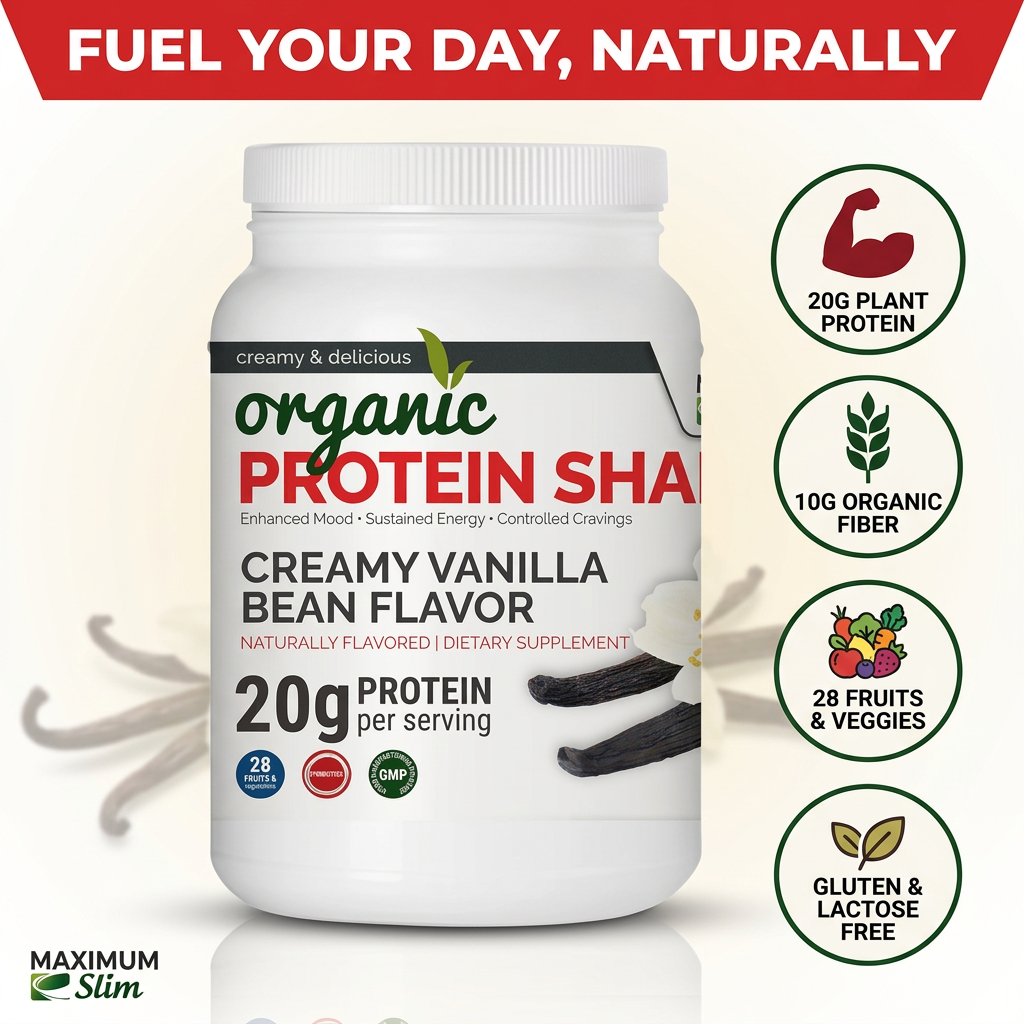
Featured Product
Organic Protein Shake - Maximum Slim | Nutrient Rich Drink for Muscle Recovery
This formula includes a blend of 28 fruits and vegetables and is made to fit a variety of dietary needs.
Shop Now →Does a Protein Shake Break Your Fast
Yes. A protein shake taken during the fasting window will generally break your fast because amino acids and calories stimulate insulin and start digestion, which turns off fasting-specific processes such as the migrating motor complex, as explained in this fasting and protein shake review.

Why the fast ends
Think of your metabolism like a switch with two settings. One setting is fasting. The other is feeding.
When you drink water, black coffee, or plain tea, you generally stay on the fasting setting. When you drink a protein shake, you add calories and amino acids. That flips the switch to feeding mode.
People often get confused, thinking, “It's just protein, not a full meal.” But your body doesn't judge food by portion size alone. It responds to the biological signal. Protein tells your system that nutrients have arrived and that digestion needs to begin.
What changes in your body
A shake during the fasting window can interrupt several things people usually want from fasting:
- Insulin rises: Protein, especially fast-digesting protein, can trigger an insulin response.
- Digestion starts: Your gut shifts from rest into active processing mode.
- Fasting-specific processes pause: Some of the “housekeeping” benefits associated with fasting are no longer prioritized.
A useful analogy is car maintenance. If fasting is the time your body uses for internal cleanup, drinking a shake is like driving the car into the shop and then immediately turning the key and pulling back onto the road. Maintenance stops because fuel and movement have resumed.
What to do instead
The practical takeaway is straightforward. Keep your protein shake for the eating window, where it can support fullness and muscle maintenance instead of working against the purpose of the fast.
A shake is not a fasting beverage. It's a feeding tool.
That distinction gives you clarity. Once you stop trying to make protein fit into fasting hours, it becomes much easier to use it strategically.
Metabolic Benefits of Strategic Protein Intake
The strongest case for an intermittent fasting protein shake isn't convenience. It's body composition.
A major 8-week clinical study published in 2023 found that combining intermittent fasting with protein pacing produced stronger outcomes than standard daily calorie restriction. The intermittent fasting plus protein group lost 9% of body weight versus 5%, total fat mass fell 16% versus 9%, and visceral fat dropped 33% versus 14%. The same study also found that the protein-paced group increased fat-free mass more than the calorie-restricted group, according to the published clinical study on intermittent fasting and protein pacing.

Why protein timing changes the outcome
The key phrase here is protein pacing. That means protein isn't dumped randomly into the day. It's distributed intentionally within the eating window.
In the study coverage from Healthline's report on intermittent fasting and protein pacing, participants used four protein-containing meals during the eating window, with 25 to 50 grams per meal and a dietary pattern of about 35% protein, 30% fat, and 35% carbohydrate. That structure appears to support more fat loss while helping the body hold onto lean tissue.
Why might that happen?
- Protein has a higher thermic effect. Your body uses more energy to digest and process it.
- Protein improves satiety. Many people find their eating window easier to manage when meals are protein-forward.
- Lean mass gets more support. That matters if you want weight loss that doesn't leave you feeling flat or weaker.
Why shakes fit the plan
A shake can help because it removes friction. If your eating window is short, cooking multiple high-protein meals can be difficult. A shake gives you a simple way to anchor one of those meals around protein.
This is also where macro planning helps. If you want a practical framework for balancing protein, carbs, and fats alongside your goals, FitCentral's guide to client macronutrients offers a useful overview. For readers also thinking about food choices that complement this approach, Maximum Health Products has a helpful article on metabolism-supportive foods.
Practical rule: Use a shake to make your eating window more structured, not more random.
That's a key advantage. A protein shake isn't a cheat code. It's a tool that helps you execute the plan you already chose.
When to Drink Protein Shakes on Intermittent Fasting
Timing is where most of the value shows up. Once the fasting window ends, you can place an intermittent fasting protein shake where it solves a real problem.
General guidance helps here. The recommended dietary allowance is about 46 to 56 grams of protein per day for many adults, while higher-protein approaches for weight loss and muscle retention often range from 1.2 to 1.6 grams per kilogram of body weight. For practical planning, research cited in this protein and intermittent fasting guide suggests the body can effectively use about 25 grams of protein at one meal.

As your first meal
This is the cleanest option for many people. After a fasting period, a shake can help you reopen your eating window with protein instead of reaching for whatever is fastest.
That matters on busy mornings or packed workdays. A protein-first meal can also make the rest of your eating window feel more controlled.
After a workout
If you train near the end of your fast, your first meal can double as recovery. A shake is useful here because it's fast to digest and easy to consume even if you don't feel like eating a full plate right away.
This doesn't have to be complicated. Protein powder, liquid, and one or two whole-food add-ins are enough.
When a full meal isn't realistic
Some schedules are messy. Travel, commuting, meetings, and parenting can turn a carefully planned eating window into chaos. A shake works well when the alternative is skipping protein or grabbing a low-quality convenience meal.
Here's a simple decision guide:
- Choose a shake first meal if you struggle with cravings when you break your fast.
- Choose a post-workout shake if your training lands close to the end of your fasting period.
- Choose a meal-replacement shake if time is your biggest obstacle.
If your schedule changes every day, use a tool to manage your fasting window so your shake timing matches your actual routine instead of an ideal one.
A note on absorption and expectations
People often worry that one shake will “go to waste” if they drink it too fast. That's usually the wrong concern. The more useful question is whether the shake helps you build a sensible pattern across the eating window.
Protein timing doesn't need to be obsessive. It needs to be repeatable.
Sample Recipes for Your Eating Window
Recipes work best when they solve different problems. One shake should keep you full. Another should support recovery. A third should fit the days when you want something lighter.

If you want a broader set of ideas beyond the recipes below, Maximum Health Products also has a useful roundup on protein powder shakes.
The break-fast berry shake
This is a good first meal when you want satiety without heaviness.
What to blend
- Protein powder: your base
- Unsweetened almond milk or water: keeps the texture light
- Frozen berries: adds flavor and a modest sweetness
- Chia or flax seeds: helps with thickness and staying power
- A handful of spinach: easy way to add volume without changing taste much
Why it works: berries tend to taste fresh after a long fast, seeds slow things down a bit, and the protein gives the meal structure.
The chocolate recovery shake
This one fits well after a workout inside your eating window.
What to blend
- Chocolate protein powder
- Water or unsweetened milk
- Half a banana
- Nut butter
- Ice
Why it works: the flavor feels more satisfying, and the combination of protein plus a small amount of carbohydrate can feel more like recovery than dieting. If you prefer a ready-to-drink option, one factual example in this category is that Maximum Health Products offers a protein shake product with 20 grams of protein per bottle.
Here's a simple video for more shake inspiration and preparation ideas:
The green satiety shake
Use this when your eating window is open but you know your next full meal may be delayed.
What to blend
- Vanilla or unflavored protein powder
- Water
- Avocado
- Spinach
- Cinnamon
- Ice
Why it works: avocado changes the mouthfeel in a helpful way. It makes the shake creamy and more meal-like, which can reduce the urge to keep snacking.
A good shake should do one clear job. Break the fast cleanly, support recovery, or buy you time until a full meal.
What to avoid
A lot of shakes fail because they become dessert in disguise. Watch for:
- Added sugars: they can turn a useful meal into a quick calorie dump.
- Long ingredient lists: more ingredients often means more fillers or sweeteners.
- Tiny protein servings: if protein is too low, hunger returns fast.
How to Choose a Clean Protein Powder
The label matters more than the marketing on the front of the tub. If you're using an intermittent fasting protein shake to support body composition, you want the formula to help the plan, not clutter it.
Healthline's coverage of protein pacing notes that intermittent fasting paired with protein pacing appears to outperform calorie restriction alone due to a synergistic effect from protein's thermic effect and improved metabolic flexibility. That same discussion supports the logic of using a clean protein without unnecessary fillers so the body can access those benefits more efficiently, as outlined in this article on protein pacing and metabolic flexibility.
What to scan on the ingredient list
Start with the shortest label you can find that still fits your needs.
Look for these basics:
- A clear protein source: whey isolate, casein, pea protein, or a plant blend.
- Minimal extras: fewer fillers, gums, and flavoring agents usually means less guesswork.
- No added sugars: especially important if your goal is appetite control.
- No artificial colors or flavors: many people prefer to keep their shake simple and easier on digestion.
Comparing common protein powder types
| Protein Type | Digestion Speed | Best For | Notes for IF |
|---|---|---|---|
| Whey | Fast | First meal after fasting, post-workout use | Convenient when you want protein quickly inside the eating window |
| Casein | Slower | Longer satiety, evening use | Can work well if you want a more sustained feel from the shake |
| Plant-based blend | Varies | Dairy-free or vegan routines | Check the ingredient list carefully for gums, sweeteners, and fillers |
A simple buying standard
You don't need a perfect powder. You need one you'll use consistently and tolerate well.
A solid checklist looks like this:
- Read the first few ingredients. If they're confusing, keep looking.
- Match the protein type to the moment. Fast-digesting protein often fits post-workout. Slower options may suit later meals.
- Choose simplicity over hype. A clean label usually beats a flashy promise.
- Pay attention to how you feel. Digestion, fullness, and taste all matter if you want the habit to last.
The best protein powder for fasting isn't the one that claims the most. It's the one that fits neatly into your eating window, supports your protein target, and doesn't add obstacles you didn't ask for.
Maximum Health Products offers clean-label nutrition for people who want practical support with weight management, protein intake, daily energy, and wellness routines. If you're looking for simple options that fit an eating-window strategy, you can explore the brand's protein, metabolism, and nutrition products at Maximum Health Products.

