


You eat lunch, feel reasonably full, get back to work, and then by mid-afternoon you're standing in the kitchen looking for something crunchy, sweet, or both. Later, you wonder why your appetite seems louder than your goals.
It's common to treat that moment like a character flaw. It usually isn’t. Appetite is a body system, not a morality test. If you understand the signals driving hunger, fullness, cravings, and portion control, non stimulant appetite control starts to feel much less mysterious.
That matters because many people want support without the jittery, wired feeling linked to stimulant-heavy products. For a long time, consumers have looked for gentler options. In a large U.S. population study published in JAMA, 7% of adults reported using nonprescription weight loss products, and among women actively trying to lose weight, use reached 18%. Notably, 58% of users in one product category chose liquid meal replacements, showing a strong preference for non-stimulant approaches over products such as PPA or ephedra, which later faced major safety concerns and, in ephedra’s case, an FDA ban in 2004 (JAMA study on nonprescription weight loss product use).
A smart approach to appetite control doesn’t start with “eat less.” It starts with asking better questions. What makes hunger rise fast? What helps fullness last? Which habits calm appetite naturally, and which ingredients deserve a closer look?
Beyond Willpower Understanding Non Stimulant Appetite Control
Non stimulant appetite control means supporting fullness and reducing overeating without relying on stimulants that push the nervous system harder. Instead of trying to force appetite down, these methods work with ordinary biology. They use volume, food structure, digestion speed, satiety hormones, and steady routines to help your body send clearer “I’m satisfied” signals.
That’s an important distinction. Stimulant-based products often aim for a more immediate effect on energy or alertness. Non-stimulant strategies take a different route. They focus on what’s happening in your stomach, intestines, and hormone signaling after you eat.
Why appetite feels so inconsistent
Many readers get confused here because appetite doesn’t always match actual energy need. You can be physically full and still want to snack. You can also be underfed and barely notice it until later, when cravings hit hard.
That happens because appetite has layers:
- Physical hunger comes from empty stomach signals and energy need.
- Reward hunger shows up when food is available, convenient, or comforting.
- Stress-driven eating can appear even when your stomach isn’t asking for food.
- Routine-based eating happens because the clock says it’s snack time.
If you only use willpower, you’re trying to fight all four at once. That rarely works for long.
Appetite is less like an on-off switch and more like a conversation between your gut, brain, habits, and environment.
Featured Product
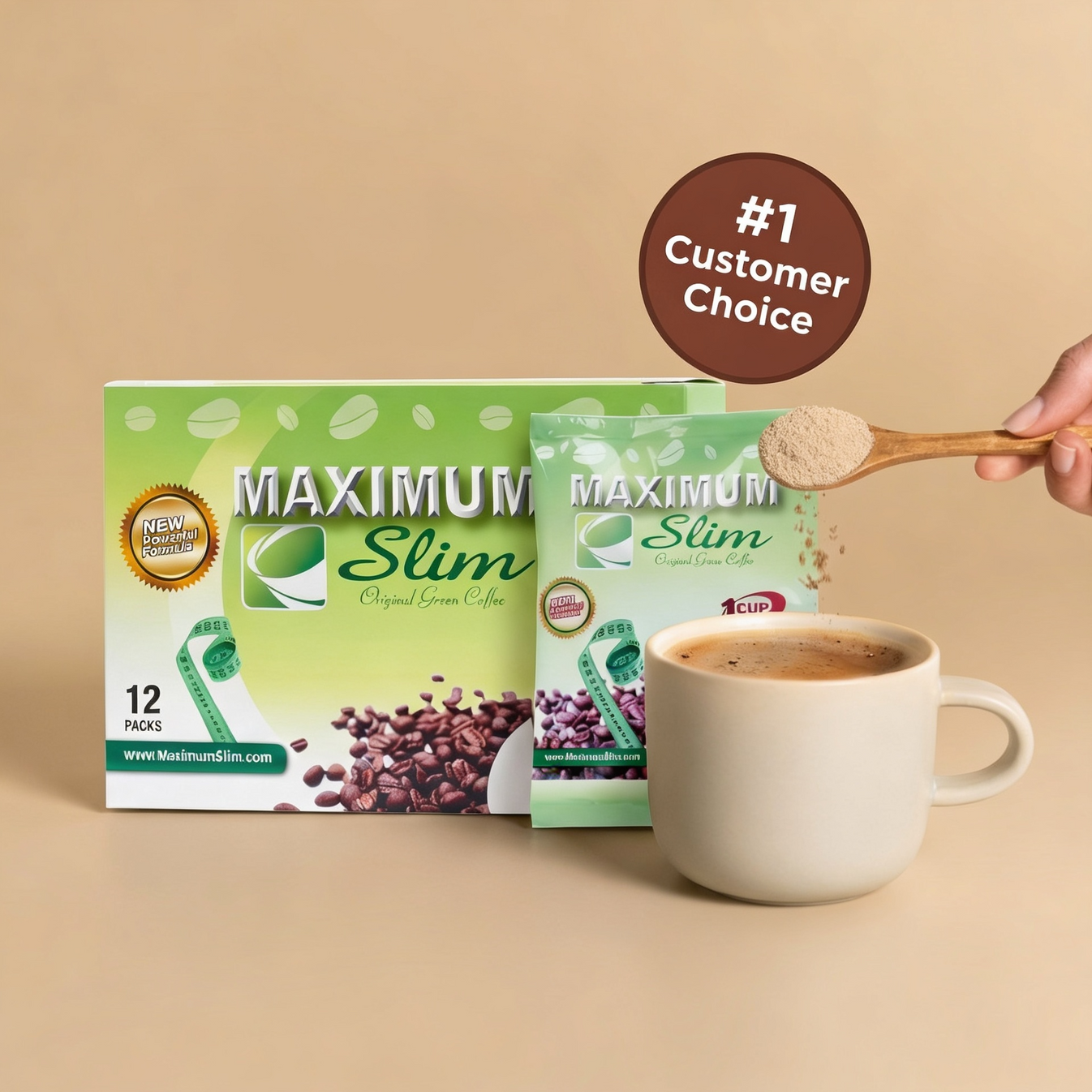
Maximum Slim Original Green Coffee | Premium Unroasted Arabica Blend (12 Ct)
Discover a delicious daily coffee crafted to complement your wellness routine. Enjoy one cup a day as part of a balanced lifestyle.
Shop Now →What non-stimulant support actually looks like
In practice, non stimulant appetite control usually includes a mix of:
- Protein-rich meals that help fullness last longer
- Viscous or non-digestible fibers that slow digestion and add satiety
- Hydration habits that make meals more satisfying
- Better sleep and lower stress load so hunger signals stay more stable
- Targeted non-stimulant ingredients that may support cravings or portion control
This approach is slower than a quick-fix promise, but it’s also more realistic. You’re not trying to overpower biology. You’re trying to guide it.
A better frame for success
Think of appetite like a car on a hill. Willpower alone is like standing behind the car with your hands on the bumper. Biology is the parking brake. If the brake works, the car doesn’t roll so easily.
That’s the promise of non stimulant appetite control. Not zero hunger. Not never wanting dessert. Just a body that feels easier to manage.
The Science of Hunger and Fullness Your Gut-Brain Axis
Your appetite is shaped by a communication network called the gut-brain axis. That sounds technical, but the idea is simple. Your digestive system and your brain are constantly sending messages back and forth about hunger, fullness, and how rewarding food feels.

Meet the main messengers
A useful way to think about appetite hormones is this:
- Ghrelin is the “go eat” signal. It rises when your body wants food.
- Leptin is more like a longer-term “we have enough stored” signal.
- CCK, GLP-1, and PYY help create meal-related fullness and satisfaction.
Ghrelin acts a bit like the gas pedal. It pushes hunger upward. Leptin and meal-related satiety hormones work more like braking systems, though they don’t all act the same way or on the same timeline.
Where people get mixed up is expecting one hormone to explain everything. Appetite is rarely one messenger acting alone. It’s a group chat.
Why some meals keep you full and others don’t
Not all calories produce the same satiety response. Food composition matters. A 2022 review in the Journal of Obesity & Metabolic Syndrome found that protein-rich meals can create a satiety state lasting 2 to 3 times longer than carbohydrate-heavy meals, and that a diet with 25% to 30% protein plus prioritized non-digestible carbs can boost hormone availability by over 50% (review on satiety hormones, protein, and non-digestible carbohydrates).
That helps explain a common experience. A breakfast of sweet cereal may disappear quickly from your hunger memory. A breakfast with protein, fiber, and some healthy fat tends to stay with you longer.
The gut doesn’t just count food. It reads it
Your digestive tract acts like a sensor system. It notices:
- how much food volume arrives
- how fast it empties from the stomach
- whether the meal is rich in protein
- whether fiber thickens and slows digestion
- how processed or rapidly absorbed the carbohydrate is
Simple carbs often move fast. Protein and viscous fiber slow things down. When digestion slows, fullness signals have more time to build.
If you’re also working on digestive comfort, this guide on natural ways to improve digestion at home pairs well with appetite work, because a calmer gut often makes fullness cues easier to notice.
Practical rule: Hunger gets louder when food is fast, light, and easy to absorb. Fullness gets stronger when food is structured, slower, and more physically satisfying.
A simple analogy that helps
Think of your gut-brain axis like a home thermostat.
If the sensor is delayed, the room overshoots the target temperature. Appetite can do the same thing. You eat quickly, choose foods that digest fast, and the fullness signal arrives late. By the time the message reaches your brain, you’ve already eaten past comfortable satisfaction.
Non stimulant appetite control works by improving the timing of that system. Better meal composition, more volume, slower digestion, and fewer blood sugar swings all help the “thermostat” respond sooner.
Everyday Lifestyle Habits for Natural Satiety
A dramatic overhaul isn’t always necessary. Instead, a few daily habits can make appetite less chaotic.

Build meals that do some of the work for you
If you want better appetite control, start with the first meal that usually goes off track. For some people that’s breakfast. For others it’s the late lunch grabbed between meetings.
A useful meal has three jobs. It should create volume in the stomach, slow digestion enough for satiety signals to build, and feel satisfying enough that your brain doesn’t keep looking for “something else.”
Try this simple structure:
- Anchor with protein such as a smoothie with clean protein powder, Greek-style yogurt if tolerated, tofu scramble, eggs, or a protein-rich soup.
- Add fiber-rich bulk from oats, chia, berries, lentils, beans, vegetables, or a viscous fiber supplement if appropriate.
- Include some texture and staying power with foods like nuts, seeds, avocado, or a higher-fiber grain.
This isn’t about making every meal perfect. It’s about making underpowered meals less common.
Use water as an appetite tool
Hydration sounds basic because it is basic. It’s also one of the clearest non-stimulant strategies.
Research summarized in the provided source notes that drinking 500 mL of water about 30 minutes before a meal can reduce caloric intake by 13% to 18%, and in obese adults this approach was associated with 1 to 2 kg of weight loss over 8 to 12 weeks. The proposed mechanism is straightforward. The water stretches gastric mechanoreceptors, which helps trigger satiety signaling and influences ghrelin suppression (overview of pre-meal water intake and appetite suppression).
A practical hydration routine
Instead of vaguely trying to “drink more water,” use it with timing:
- Before lunch, drink a full glass or bottle and wait a bit before eating.
- Before dinner, repeat the same habit.
- During snack cravings, drink water first, then reassess whether you’re physically hungry.
This won’t erase appetite. It often helps soften the edge.
If sugar cravings are part of your afternoon pattern, this article on how to stop sugar cravings naturally can help you separate true hunger from reward-seeking habits.
Don’t ignore sleep and stress
People often search for the right ingredient when the bigger issue is a nervous system that never gets a break. Poor sleep and chronic stress can make appetite feel louder, less predictable, and more emotional.
You don’t need a perfect life to improve this. You need friction-reducing routines:
- Protect a wind-down window so you’re not eating in a tired, overstimulated state late at night.
- Make lunch an actual break when possible. Fast, distracted eating tends to blur fullness signals.
- Lower decision fatigue by repeating a few reliable meals during busy weeks.
- Use movement as regulation, not punishment. A short walk after meals can help many people feel more settled and less snacky later.
Here’s a helpful visual guide to healthy eating patterns and appetite-friendly choices:
What this looks like in real life
A balanced breakfast doesn’t need to be elaborate. It might be a protein shake blended with berries and chia. Lunch might be a grain bowl with beans, vegetables, and a protein source. Dinner might be the usual family meal, but with slower eating and water beforehand.
If your appetite feels “out of nowhere,” check the earlier hours of your day first. Skipped protein, low hydration, rushed meals, and poor sleep often show up later as cravings.
Evaluating Evidence-Based Non Stimulant Ingredients
The supplement aisle makes appetite support look simpler than it is. One bottle promises cravings control. Another promises fullness. A third claims to “boost GLP-1 naturally.” The better question is whether an ingredient has a believable mechanism and at least some evidence that matches the claim.
How to judge an ingredient without getting fooled
Start with three filters.
First, ask what the ingredient is supposed to do. Is it adding bulk? Slowing digestion? Influencing taste for sweetness? Supporting satiety hormones? If the product can’t explain that clearly, the label is already weak.
Second, ask how strong the evidence is. Some ingredients have modest but plausible support. Others are mostly carried by marketing language.
Third, ask who it may suit best. The right ingredient for someone who struggles with portion size at meals may not be the right one for someone whose main issue is afternoon sweet cravings.
For readers comparing natural options with the current GLP-1 conversation, this expert analysis of GLP-1 supplements for appetite control is a useful outside resource because it frames what “GLP-1 support” claims often mean in practical terms.
A grounded look at common non-stimulant options
Below is a simplified comparison based on mechanism and the qualitative evidence described in the provided materials.
| Ingredient | Primary Mechanism | Level of Evidence | Best For |
|---|---|---|---|
| Glucomannan | Viscous fiber that absorbs water, increases fullness, and slows gastric emptying | Modest support for satiety and small weight changes | People who tend to overeat at meals and tolerate added fiber well |
| Hoodia Gordonii | Marketed for appetite support, often positioned for cravings control | Limited and inconsistent evidence | Adults who want a non-stimulant herbal option and understand the evidence is not robust |
| Fenugreek | Fiber content may support subjective fullness and hunger management | Limited but plausible support for hunger perception | People focused on mild appetite support through fiber-rich herbals |
| Gymnema sylvestre | Often discussed for cravings, especially sweet taste interest | Early or limited evidence | People whose main challenge is sweet cravings rather than meal volume |
| Protein powders | Increase meal satiety and help meals feel more complete | Strong practical rationale when used to improve meal structure | Busy adults who skip meals or under-eat protein earlier in the day |
What deserves the most confidence
If I were ranking categories rather than hype, I’d place viscous fiber and protein support ahead of trendier herbals. They fit what we know about satiety physiology. They also make sense in the context of daily behavior. A person who gets fuller from a higher-protein, higher-fiber meal often needs less “appetite suppression” from a supplement later.
Herbal ingredients sit in a more uncertain zone. That doesn’t mean they’re useless. It means they should be treated as supporting players, not miracle tools.
Some of the most effective non stimulant appetite control strategies don’t feel dramatic. That’s often a good sign.
Use ingredients to solve a specific problem
A supplement is more likely to help when it matches the situation:
- Big portions at meals may respond better to water timing and viscous fiber.
- Rushed mornings may improve with a protein shake that prevents late-morning rebound hunger.
- Sweet cravings may lead someone to explore ingredients like Gymnema, while still fixing meal composition.
- Stress eating usually needs a broader plan, not just a capsule.
If you’re comparing formulas, this guide to natural weight loss supplements can help you think through how appetite-support ingredients fit into a wider routine.
How to Choose High-Quality Clean-Label Supplements
A decent ingredient in a weak product won’t get you far. Quality matters because appetite supplements often come with long labels, vague blends, and health-halo marketing that sounds cleaner than it is.
What clean-label should mean in practice
For most shoppers, clean-label should mean the product is transparent, simple, and free from unnecessary extras. It should be easy to identify the active ingredients, understand the serving size, and see what else is included.
That matters even more in non stimulant appetite control, where people often take products daily. If a formula depends on artificial colors, heavy sweetening, or filler-loaded blends, it doesn’t match the purpose of a steady wellness routine.
A short checklist before you buy
Use this checklist when reading a label:
- Look for named amounts: Avoid formulas that hide key ingredients behind proprietary blends.
- Check the full ingredient panel: The “other ingredients” list often tells you more than the front label.
- Match the formula to the job: A fiber-focused product should clearly tell you what type of fiber it contains.
- Watch the delivery format: Powders, capsules, and meal replacements each suit different habits.
- Look for testing and manufacturing transparency: Reputable brands usually explain their quality standards clearly.
A broader understanding of FDA regulations for dietary supplements can also help you separate what labels are allowed to say from what they prove.
Red flags worth taking seriously
Some warning signs show up again and again:
- Overpromising language like “melt fat fast” or “works instantly”
- Confusing blends that make comparison impossible
- Stimulant stacking in products sold as “balanced” appetite support
- Missing usage guidance for timing, food, or hydration
- No explanation of mechanism beyond buzzwords
A strong product doesn’t need dramatic copy. It should explain what’s in it, why it’s there, and how to use it.
Building Your Daily Appetite Control Protocol
Most appetite plans fail because they rely on one lever. One tea. One capsule. One “good” meal. Appetite works better when you stack small signals in the same direction.

A useful protocol combines structure, satiety, and convenience. That matters because current content often isolates single ingredients, even though a more synergistic non-stimulant stack may make more sense in everyday life. The provided source notes that combinations such as high-viscosity fiber with protein and targeted herbals like Hoodia are a promising but underexplored area, and that no major RCTs have tested multi-ingredient non-stimulant formulas for sustained adherence (GoodRx overview of natural appetite suppressants and evidence gaps).
A sample day that makes appetite easier to manage
Morning works best when it prevents the afternoon crash. That usually means eating something with substance, not relying on coffee alone.
A simple morning could look like this:
- Wake and hydrate with water before the day gets busy
- Eat a protein-forward breakfast such as a smoothie with protein and fiber-rich add-ins, or eggs with fruit and oats
- Avoid starting with only refined carbs if you know they leave you hungry fast
Midday and afternoon strategy
Lunch is where many people under-eat protein, eat too quickly, or work through the meal. Then cravings surge later and feel random. They usually aren’t random.
Try this framework:
- Drink water before lunch and give it a little time.
- Build lunch around a protein source and fiber-rich base.
- Pause halfway through the meal to notice whether you’re still hungry or just continuing.
- Use a targeted non-stimulant supplement, if you choose one, for the time of day that usually goes off course.
For some people, that’s mid-afternoon. For others, it’s the evening drive home.
The best protocol is the one that reduces the number of times you have to “be good” when you’re tired, stressed, and hungry.
Evening without rebound eating
Dinner doesn’t need to be tiny. In fact, an underpowered dinner can backfire if it sets up late-night grazing.
A steadier evening often includes:
- A real dinner with protein, fiber, and enough volume
- A slower eating pace, especially if you tend to eat quickly after work
- A cutoff for random kitchen browsing, like tea, a walk, or brushing your teeth after the meal
- A calmer bedtime routine so the next day’s hunger signals are less erratic
The protocol is flexible, but the pattern matters. Feed fullness earlier. Use hydration on purpose. Let supplements support a plan, not replace one.
When to Seek Professional Medical Advice
Sometimes appetite struggles are mostly about meal structure and routine. Sometimes they aren’t. If hunger feels extreme, suddenly different, or resistant to every basic strategy, it’s time to zoom out.
Signs self-experimenting may not be enough
Consider professional support if:
- Your appetite changed sharply without an obvious reason
- You feel driven to eat in ways that feel compulsive or distressing
- You have a history of disordered eating
- You live with diabetes or take medications that affect appetite or blood sugar
- Digestive symptoms make eating or supplement use hard to manage
- You’ve tried steady lifestyle changes and still feel stuck
This isn’t failure. It’s good triage.
A group that especially deserves tailored guidance
One of the clearest gaps in appetite advice involves perimenopausal women. The provided source notes that current guidance rarely offers dedicated protocols for this group, even though declining estrogen can increase ghrelin and promote leptin resistance, which can make appetite feel harder to regulate. It also notes that there are no dedicated trials testing non-stimulant stacks such as fiber plus phytoestrogens for this group (Healthline discussion of natural appetite suppressants and the perimenopause gap).
That means a woman in this stage of life may be dealing with sleep disruption, changing body composition, and louder hunger cues all at once, while reading generic advice that doesn’t reflect her experience.
What professional help can add
A clinician or dietitian can help sort out whether the issue is mainly:
- meal timing and intake quality
- stress and sleep disruption
- hormonal transition
- medication effects
- a deeper metabolic or endocrine issue
If you want a starting point for guided care, a professional weight loss consultation can help you decide whether you need nutrition support, medical screening, or a more structured treatment plan.
Getting help early can save months of frustration. Appetite is biological. It deserves real assessment when it stops responding to sensible basics.
If you want clean-label support that fits a natural, non stimulant appetite control routine, explore Maximum Health Products. Their wellness lineup includes targeted options for weight management, protein, greens, and daily nutrition, built around simple formulas without preservatives, artificial colors or flavors, added sugars, soy, gluten, fillers, or animal products.

