


Most advice about protein powder without artificial sweeteners starts with a warning: artificial sweeteners are supposedly bad for everyone, in every amount, and every naturally sweetened formula is automatically better. That's lazy nutrition advice. Many lifters have used sucralose-sweetened protein for years without obvious problems, and a sweetener can make the difference between using a powder consistently and abandoning it after two unpleasant shakes.
The better question is practical: does the sweetener system suit your digestion, palate, diet, and tolerance for additives? The clean-label movement has gained force because shoppers now scrutinize sourcing, testing, and ingredient lists alongside protein content. One independent U.S. industry report placed protein powder sales at $9 billion in 2023, while a Clean Label Project survey tested 160 products from 70 leading brands representing 83% of the market, showing how commercially important ingredient transparency has become (Clean Label Project protein study).
I've tested enough formulas with clients to give you the candid answer. Unsweetened protein offers the most control. Stevia and monk fruit can deliver good flavor with a simpler label. Artificially sweetened powders usually win on immediate taste and convenience. Your best choice depends on which trade-off you're willing to make.
Why the Push Against Artificial Sweeteners in Protein Powder
Artificial sweeteners aren't universally harmful, and treating them that way creates unnecessary fear. Sucralose and acesulfame potassium help manufacturers make protein shakes sweet without adding much sugar, and many people tolerate them well. If a conventional powder tastes good, mixes quickly, and helps you meet your protein target, it can be useful.
The objection is more nuanced. Some users report bloating, gas, stomach discomfort, or a lingering aftertaste after drinking sweetened protein powders. Those reactions can come from the sweetener, the dairy base, thickeners, lactose, sugar alcohols, or the combination. You can't identify the culprit by blaming one ingredient automatically, so a controlled switch to an unsweetened formula is more useful than a dramatic internet claim.
Clean-label demand has a real commercial reason
The category has also faced scrutiny beyond flavor. A 2025 Clean Label Project analysis of 160 protein powders from 70 top-selling brands reported that 47% exceeded California Proposition 65 safety thresholds for toxic metals, while chocolate-flavored products contained 110 times more cadmium than vanilla (Clean Label Project protein survey). That finding doesn't prove every flavored powder is unsafe, but it does justify asking harder questions about testing, sourcing, and transparency.
Category purchasing is shifting too. Protein powders containing artificial sweeteners declined 14.3% to $255.6 million, while powders sweetened with stevia or stevia-based blends grew 6.4% to $223.2 million, according to the same market context (Clean Label Project protein study). Consumers aren't merely chasing “natural” language. They're looking for formulas that feel easier to understand and more compatible with whole-food eating.
My practical rule: Remove artificial sweeteners because they don't suit you, not because you've been promised that removal will magically improve muscle gain.
A powder without artificial sweeteners won't provide superior amino acids because the label is cleaner. The protein source, protein dose, total diet, and training still determine the meaningful outcome. The trade-off is taste. Artificial-free formulas may taste less intense, show more bitterness, or need fruit, cocoa, coffee, spices, or a better blender.
If you're also reducing artificial sweeteners in snacks, these low carb desserts without artificial sweeteners offer useful ideas for keeping sweetness under your control. Apply the same standard to protein: choose a formulation you'll use, then make the flavor work in your kitchen.
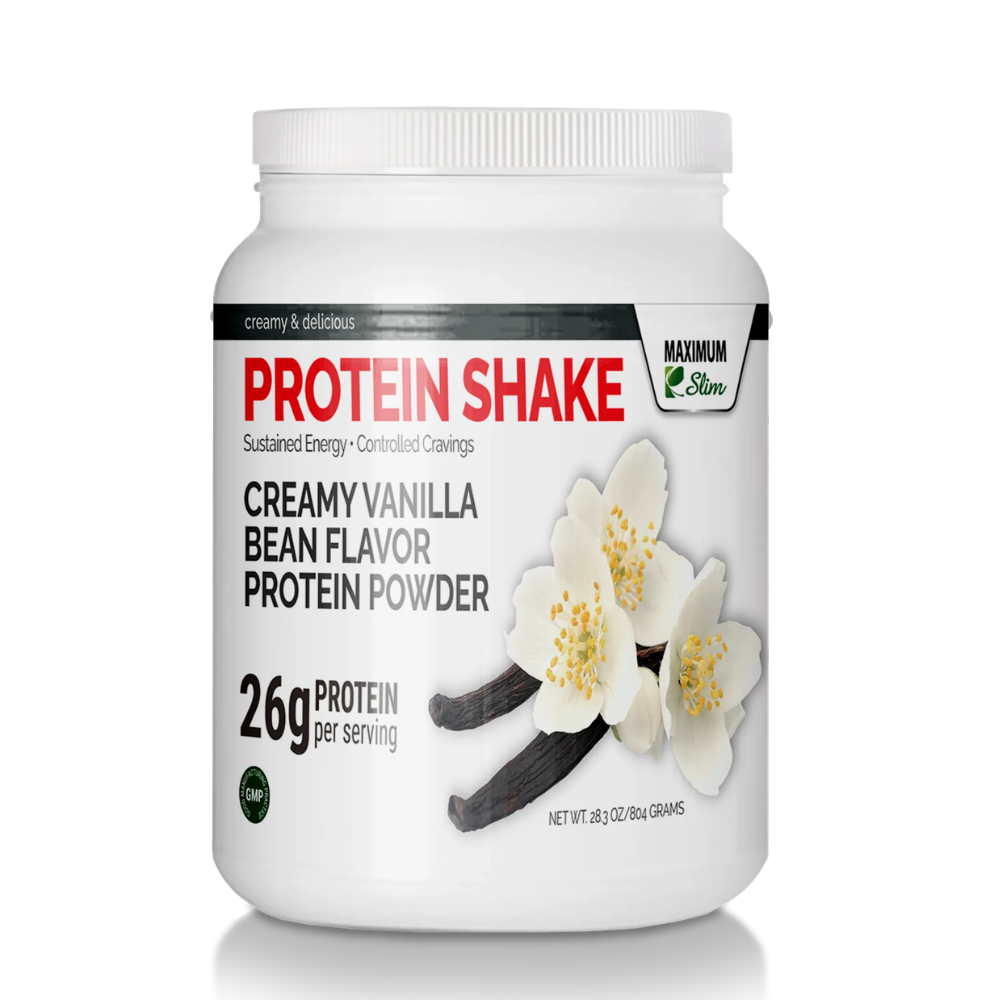
Featured Product
Organic Protein Shake - Maximum Slim | Nutrient Rich Drink for Muscle Recovery
Maximum Slim Organic Protein Powder is a delicious plant-based formula designed to support everyday nutrition and a balanced lifestyle.
Shop Now →Common Artificial Sweeteners Found in Protein Supplements
Protein powders use high-intensity sweeteners because protein itself can taste bitter, chalky, or distinctly dairy-like. The manufacturer's goal is a strong, recognizable flavor with little added sugar. That convenience explains why these ingredients appear so often, but it doesn't mean you have to accept them.
The main label names
Sucralose is one of the most familiar options. It provides intense sweetness and is often paired with other sweeteners to create a more rounded profile. The lingering sweetness can appeal to people who want dessert-like shakes, while others describe it as artificial or fatiguing after repeated use.
Acesulfame potassium, usually written as acesulfame K or Ace-K, commonly appears beside sucralose. Formulators use the pairing to balance sweetness and cover bitter notes from protein, cocoa, or botanical ingredients. If you're avoiding artificial sweeteners, scan for all versions of the name rather than relying on the front label.
Aspartame appears less often in protein powders than sucralose or Ace-K. It's heat-sensitive, which limits its usefulness in products intended for baking or hot applications. People with phenylketonuria must avoid it because labels identify the presence of phenylalanine.
Saccharin is an older high-intensity sweetener that may appear in lower-cost formulas. Its distinctive aftertaste makes it less attractive in premium products, but budget packaging and bold flavor claims still justify checking the ingredient panel.
| Sweetener | Relative sweetness versus sugar | Common pairings | Primary consumer concerns |
|---|---|---|---|
| Sucralose | High intensity | Ace-K, flavors, gums | Aftertaste, personal tolerance, desire for simpler labels |
| Acesulfame potassium | High intensity | Sucralose and flavor systems | Aftertaste and avoidance of artificial additives |
| Aspartame | High intensity | Flavor systems | Heat instability and phenylalanine warning |
| Saccharin | High intensity | Budget flavor systems | Distinctive aftertaste and label preference |
The evidence doesn't support blanket alarmism. A 2024 systematic review and meta-analysis of randomized controlled trials found that non-nutritive sweeteners did not significantly change protein intake versus sugar or water (Nutrition systematic review). In other words, artificial sweetness doesn't increase the protein's recovery value. It changes flavor and formulation, not the amino acid content.
Sugar-free isn't artificial-sweetener-free
A “sugar-free” shake may contain sucralose, Ace-K, stevia, monk fruit, or sugar alcohols. Those are different formulation choices. Erythritol and maltitol aren't artificial sweeteners in the same technical category, but they're often grouped with them because some users experience gas, cramping, or loose stools. If digestive comfort matters, assess the entire sweetener system rather than replacing one problem ingredient with another.
Natural Sweetener Alternatives and How They Compare
Natural sweeteners solve one problem and create another. They can improve label appeal and reduce reliance on artificial ingredients, but they don't automatically produce a better-tasting shake. The best system depends on whether you value zero added calories, a familiar flavor, a short label, or complete control.
Stevia is intensely sweet and contributes little energy. It works well in low-calorie formulas, but its herbal or licorice-like finish can become obvious when the product is over-sweetened. Brands often add natural flavors, acids, or masking ingredients to smooth that edge, which can make the label longer than shoppers expect.
Monk fruit extract generally offers a cleaner sweetness than stevia, especially when paired with a suitable protein and flavor base. Its limitation is cost and supply, so monk fruit formulas may command a premium. It's a sensible option for people who want a sweet shake without sugar and dislike stevia's finish.
Allulose tastes closer to sugar than many high-intensity alternatives and can provide useful bulk in certain formulations. It's less sweet than sucrose and may affect texture more like a sugar than a tiny-dose extract. Use caution if your digestion is sensitive, because tolerance varies among individuals.
Cane sugar and coconut sugar deliver familiar sweetness and a predictable mouthfeel, but they add calories and carbohydrates. That can improve taste in a recovery shake while working against a strict low-carbohydrate plan. A product with added sugar isn't automatically poor quality, but it should earn its place through flavor and usefulness.

Match the sweetener to the user
- Competitive bodybuilder: Choose unflavored or lightly stevia- or monk-fruit-sweetened whey isolate when you need tight control over taste and the rest of your nutrition.
- Casual fitness enthusiast: Monk fruit or a balanced stevia blend is usually the easiest entry point. You'll get convenience without committing to a strongly artificial sweetness profile.
- Someone managing blood sugar: Start with an unsweetened formula or a product using a non-sugar sweetener, then assess your own response with a healthcare professional. Don't assume “natural” means metabolically irrelevant.
A 2018 consumer study on ready-to-mix whey beverages found that label-conscious consumers favored natural sweetener blends such as stevia and monk fruit when the product was framed as natural, while flavor-driven consumers preferred sucralose in tasting conditions (Frontiers in Nutrition consumer study). That split matters. There's no honest reason to claim one system wins for every palate.
How to Read Protein Powder Labels Like an Expert
You can audit most protein powders quickly if you stop reading the front of the tub first. Marketing copy tells you what the brand wants you to notice. The ingredient list tells you what you're buying.
Run this label audit
- Find the protein source. Ingredients appear by weight. Whey isolate, whey concentrate, casein, pea protein, hemp protein, or another clearly named protein should appear before flavoring and sweetening ingredients. If the formula starts with a large additive system, reconsider it.
- Scan for artificial sweeteners. Look for sucralose, Splenda, acesulfame potassium, Ace-K, aspartame, and saccharin. “No added sugar” doesn't mean “no artificial sweeteners.”
- Check sugar alcohols separately. Erythritol and maltitol aren't technically artificial sweeteners, but they can still cause digestive problems for some people. A formula can pass your artificial-sweetener test and fail your personal comfort test.
- Question vague wording. “Natural flavors” may be acceptable to you, but it doesn't tell you exactly which flavor compounds the manufacturer used. The phrase isn't automatically a red flag. It is a reason to ask for more detail if ingredient transparency is a priority.

Check what the front label leaves out
Look for unnecessary colors, excessive gums, carrageenan, and proprietary blends that prevent meaningful comparison. A short list isn't proof of quality, but a clear list makes the product easier to evaluate. Third-party certification or testing can add accountability, especially for athletes concerned about contamination or banned substances.
The supplement label decoding tips from Yuve provide a useful companion reference for understanding serving information and ingredient terminology. For a broader comparison of formulation criteria, review this guide to the best clean protein powder, then apply the same audit to every brand rather than trusting a premium-looking package.
A label claim must survive comparison with the Supplement Facts panel. If “clean,” “natural,” or “sugar-free” appears prominently but the ingredients reveal a long list of sweeteners, gums, and vague flavor compounds, trust the panel.
Label test: If you can't explain why an ingredient is present, find out what it does before deciding whether it belongs in your daily shake.
Use this video as a visual refresher while you practice reading labels:
Matching Clean Protein to Your Diet and Fitness Goals
Start with the protein source, not the sweetener. A perfect monk fruit formula won't help if whey bothers your digestion, pea protein doesn't suit your texture preferences, or the product doesn't fit your daily protein needs.
For post-workout use, whey isolate is a practical choice for people who tolerate dairy and want a complete, rapidly digested protein. Whey concentrate can work too, but it generally contains more lactose and dairy components. If lactose causes trouble, try an isolate or a plant-based option rather than assuming every whey product will feel the same.
Casein suits people who want a slower-digesting dairy protein, often in an evening meal or snack. Vegans should look for plant blends, particularly combinations such as rice and pea protein, because complementary sources can produce a more balanced amino acid profile than relying on one plant source alone.
Let restrictions narrow the field
- Lactose sensitivity: Begin with whey isolate or a plant protein. Don't choose a whey concentrate solely because the flavor sounds better.
- Soy allergy: Check the source of lecithin and any emulsifier. Soy lecithin may be present even when soy protein isn't.
- Keto eating: Choose unsweetened or appropriately sweetened formulas and verify the carbohydrate panel. Watch for maltodextrin and other carbohydrate fillers.
- Paleo preferences: Consider a product whose protein source and processing fit your interpretation of paleo, such as grass-fed whey or collagen. Collagen shouldn't replace complete proteins when muscle protein synthesis is the main goal.
- Vegan eating: Select a plant blend and check for dairy-derived ingredients, not just the word “plant” on the front.
Unsweetened powder gives you the lowest level of flavoring control and makes it easier to adjust calories elsewhere in the meal. Stevia and monk fruit preserve a sweet shake with little caloric contribution, while sugar-sweetened formulas may be more satisfying for active people who can accommodate the additional carbohydrate.
| User profile | Best protein type | Ideal sweetener system | Key considerations |
|---|---|---|---|
| Dairy-tolerant lifter | Whey isolate | Unflavored or monk fruit | Protein quality, mixability, and post-workout convenience |
| Lactose-sensitive user | Whey isolate or plant blend | Unsweetened or stevia | Check digestive response and emulsifiers |
| Vegan athlete | Rice and pea blend | Monk fruit or unsweetened | Confirm complementary protein sources |
| Evening protein user | Casein | Light natural sweetness | Texture can be thicker, so blend thoroughly |
| Keto user | Low-carbohydrate isolate | Unsweetened or non-sugar sweetener | Verify carbohydrates and avoid maltodextrin |
| Paleo-focused buyer | Grass-fed whey or collagen | Unsweetened | Match the source and processing to personal standards |
Flavoring and Recipe Tips for Unsweetened Protein Powders
Unflavored protein powder tastes bland on its own. That's not a defect. It's the reason you can use it in a smoothie, oatmeal, yogurt, pancake batter, or savory dish without forcing every meal to taste like the same artificial chocolate shake.
Start with fruit and texture. Frozen banana makes a shake creamy and naturally sweet. Berries add acidity that cuts through dairy notes. Mango works especially well with plant protein, while pineapple can brighten a powder with a chalkier finish.

Three combinations that work
Chocolate peanut butter shake: Blend unsweetened cocoa powder, natural peanut butter, cold milk or a suitable alternative, and a date. Cocoa supplies bitterness and depth, peanut butter adds body, and the date lets you control sweetness instead of accepting a preset level.
Vanilla berry smoothie: Use real vanilla extract, mixed berries, your protein powder, and a small splash of maple syrup if needed. Add the syrup only after tasting. Berries vary, and you may need less sweetness than expected.
Green protein blend: Combine spinach, pineapple, fresh ginger, protein powder, and cold water or coconut water. Ginger gives the drink a sharper finish that can distract from earthy plant notes.
Beyond shakes, stir unflavored powder into oatmeal after cooking, fold it into Greek yogurt, mix it through pancake batter, or bind it into homemade energy balls. Avoid cooking the powder aggressively unless the specific product gives suitable instructions, because high heat can change texture and create clumps.
Fix texture before adding more sweetener
Use ice and less liquid for a thick smoothie bowl. Add avocado when you want creaminess without a dominant flavor. Cold brew coffee creates a strong morning base, especially with cocoa, cinnamon, or vanilla.
For clumping, blend rather than shake. Add the powder to the liquid, not liquid to powder, and give it a short rest before blending again. A shaker can handle a lightly flavored isolate, but a blender is the better tool for fruit, nut butter, ice, and unsweetened protein.
For more product-specific ideas, compare this guide to the best unflavored protein powder and choose recipes based on the powder's texture rather than forcing one formula into every use.
How Maximum Health Products Meets Clean-Label Standards
Maximum Health Products offers an Organic Protein Shake positioned without artificial sweeteners, which makes it relevant for shoppers applying the label audit above. The useful point isn't the marketing phrase. It's whether the actual product label, serving panel, allergen information, and testing details support the claim.
A clean evaluation should ask four questions. Is the protein source clearly identified? Are sucralose, Ace-K, and aspartame absent? Does the formula avoid proprietary blends that hide quantities? Can the company explain its sourcing and quality controls?
Evaluate the formulation honestly
Naturally sweetened products can taste less intense than conventional protein powders, and stevia may leave a noticeable finish for some palates. An unsweetened option gives you complete control but demands more work in the blender or kitchen. That difference matters more than a front-label promise because consistency determines whether the powder becomes part of your routine.
Maximum Health Products presents its protein collection within a broader clean-label range that emphasizes avoiding artificial colors and flavors, added sugars, soy, gluten, fillers, and animal products across relevant formulas. Those claims still deserve product-level verification, especially for allergies. If you need a dairy-free, soy-free, or gluten-free product, read the exact package information rather than assuming every item in a collection shares identical ingredients.

Use the same standards with any competitor. Compare the protein source, sweetener system, texture aids, allergen disclosures, and third-party testing. If organic sourcing is central to your decision, this guide to organic protein powders can help you define the criteria before you buy.
The brand's offering is one option, not an automatic pass. If the naturally sweetened flavor doesn't suit you, choose unsweetened and customize it. If you need absolute assurance about a specific allergen or testing protocol, contact the company and request the current product documentation.
Frequently Asked Questions About Clean Protein Powder
Do stevia and monk fruit spike insulin or break a fast?
There isn't one universal answer for every person or fasting goal. Individual responses can vary, and a strict fast may exclude anything sweet-tasting even when a product contains little or no sugar. If fasting has a medical purpose, follow your clinician's instructions rather than treating a protein powder as fasting-compatible by default.
Does unsweetened protein contain more protein per scoop?
Not automatically. Removing a sweetener can reduce formulation clutter, but the protein percentage depends on the source, serving size, flavor ingredients, and manufacturing choices. Compare the Supplement Facts panel, not the word “unflavored.”
Will clean protein mix as smoothly?
It can, but texture varies. Lecithin, gums, and other functional ingredients improve dispersion, while a very short formula may need a blender. Add powder to liquid and blend with cold ingredients for the smoothest result.
Can children or pregnant women use it?
Don't treat adult sports supplements as automatically appropriate for children or pregnancy. Review the complete ingredient list with a pediatrician, obstetric clinician, or registered dietitian, especially if the product contains botanicals, caffeine, or concentrated sweetener systems.
Is a clean formula worth a higher price?
Paying more doesn't guarantee better nutrition or better health outcomes. The measurable advantage is often ingredient control and personal tolerance, not extra muscle-building power. A 2024 review found no meaningful protein-intake advantage from non-nutritive sweeteners compared with sugar or water (Nutrition meta-analysis). Buy the simplest formula that tastes acceptable and fits your goals.
Trial a new powder with the smallest available package, check the return policy, and taste it in more than one application. Test it in water first, then in a smoothie, yogurt, or oatmeal. If the powder causes discomfort or you dislike the flavor after sensible customization, stop forcing it and choose a different protein source or sweetener system.
Maximum Health Products offers clean-label protein options, including an Organic Protein Shake presented without artificial sweeteners, alongside nutrition products for energy, weight support, and daily wellness. Visit Maximum Health Products to review the current ingredient panels and choose a protein formula that matches your taste, diet, and tolerance for additives.

