


You're standing in front of a wall of protein tubs, or scrolling through pages of them online, and every label seems to shout the same promises. Clean. Lean. Pure. Grass-fed. Advanced. Performance. Somewhere between the marketing and the ingredient panel, it gets hard to tell which one is a smart buy.
That's where unflavored protein powder can feel different. It doesn't try to win you over with dessert-like flavor names or flashy claims. It's the plain option, which is exactly why many health-conscious shoppers end up realizing it's the more useful option. When you remove the flavor system, you can see the product more clearly.
This guide treats the best unflavored protein powder as a method, not a single tub to copy from a list. If you can learn how to read the label, assess the source, and spot the hidden junk, you won't need a trend report every time you restock. You'll know how to choose for yourself.
The Search for a Truly Clean Protein Powder
A client once described the supplement aisle to me as “a grocery store version of a casino.” Bright colors. Huge claims. Tiny ingredient text. That's not far off. Protein powders often look simple from the front label and much less simple when you turn the container around.

A common inquiry begins with the question: “Which is the best unflavored protein powder?” This typically implies something more specific. The inquirer seeks a powder that helps them hit protein goals, doesn't upset their stomach, fits their macros, and doesn't sneak in sweeteners, gums, colors, or a long list of things they never intended to buy.
Featured Product
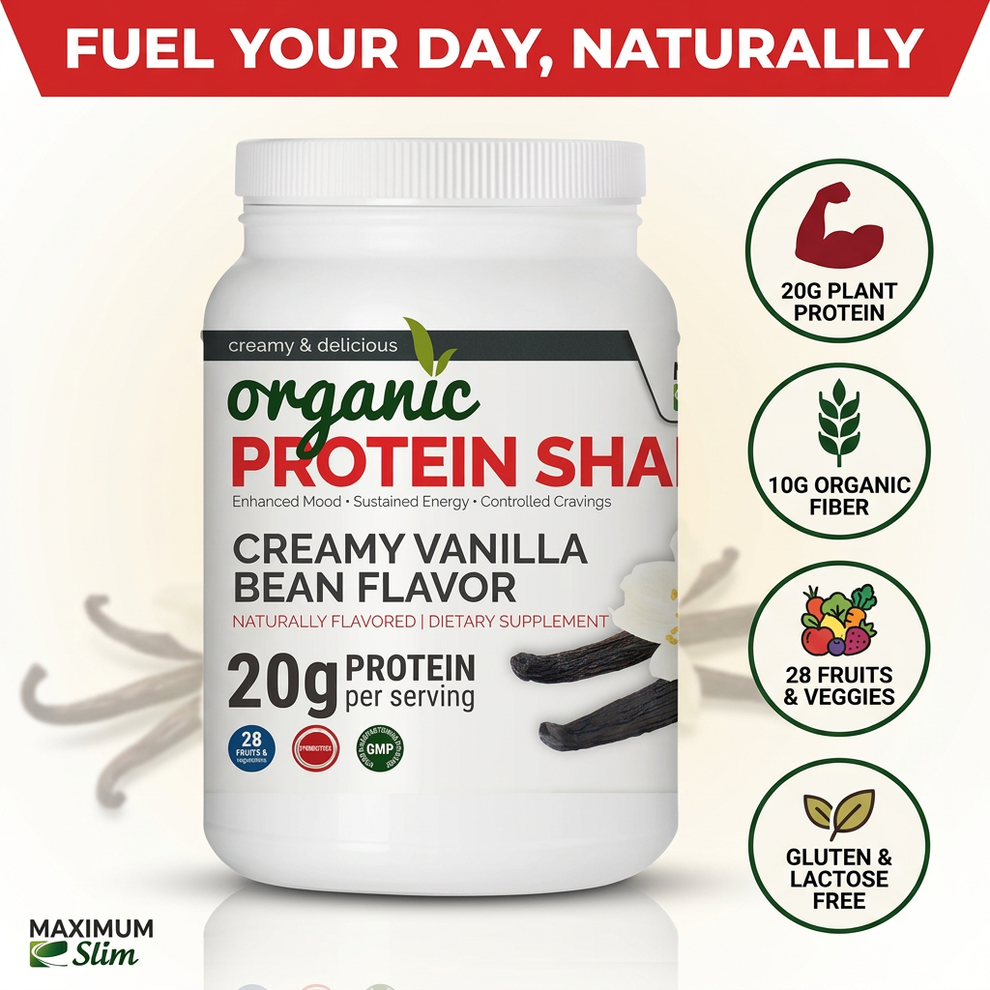
Organic Protein Shake - Maximum Slim
Maximum Slim Organic Protein Powder is a delicious plant-based formula designed to support everyday nutrition and a balanced lifestyle
Shop Now →Why the clean label part matters
A clean-label mindset keeps you focused on what the product is, not just what the branding says. With unflavored protein, that usually means you're looking for the shortest ingredient list possible, a clear protein source, and some evidence that the company checks for purity.
That matters because “unflavored” isn't automatically the same thing as “clean.” Some tubs are impressively simple. Others still contain thickeners, anti-caking agents, blends, or vague flavor-related ingredients even though the front says unflavored.
Practical rule: The front label sells the dream. The ingredient list tells the truth.
The blank-canvas advantage
Think of unflavored protein as the pantry version of a plain yogurt or a bag of oats. It's a base ingredient. You decide whether it becomes a smoothie, oatmeal booster, soup add-in, or post-workout shake. That flexibility is part of what makes it so useful for people who care about clean eating.
The best choice won't be the loudest brand. It'll be the one that holds up when you ask simple questions. What is the protein source? What else is in here? Why is each ingredient present? Has anyone tested it?
What Unflavored Protein Powder Actually Is
Unflavored protein powder isn't flavorless. That's the first point that clears up a lot of confusion.
Every protein source has some natural taste. Whey often tastes milky. Casein can feel thicker and creamier. Plant proteins may taste earthy or grain-like. “Unflavored” usually means the manufacturer didn't add flavoring agents, artificial sweeteners, or color enhancers. According to Wellbeing Nutrition's guide to unflavored protein powder, unflavored protein powder consists of a single, pure protein source such as whey concentrate, whey isolate, casein, or plant-based alternatives, without added flavoring agents, artificial sweeteners, or color enhancers.
Plain flour, not cake mix
A useful way to think about it is plain flour versus boxed cake mix.
Plain flour is a base ingredient. It gives you structure, but you control the rest. Boxed cake mix already comes with a flavor direction, sweetness, and extra components. Flavored protein powders work the same way. They often come pre-loaded with sweetness systems, texture agents, and taste-masking ingredients. Unflavored protein leaves those choices in your hands.
That's why it works so well for people with specific goals. If you're trying to keep sugar low, avoid artificial sweeteners, or use a powder in both sweet and savory foods, the plain version gives you more control.
What should be in the tub
A clean unflavored protein powder often has a very short ingredient list. Sometimes it's just the protein itself. Sometimes there's one added ingredient to improve mixing, such as a natural emulsifier.
Look for labels that feel direct and easy to understand. If the ingredient list reads like a chemistry worksheet, the product may still be effective, but it stops being the simple clean-label tool many shoppers are looking for.
Unflavored doesn't mean boring. It means the manufacturer stopped making taste decisions for you.
What people often misunderstand
A lot of shoppers assume that if a product has no vanilla, chocolate, or cookie flavor, it must taste bad. That usually isn't the right question. The better question is whether the protein's natural taste works in the foods you already make.
If you blend berries, cocoa, cinnamon, coffee, yogurt, oats, nut butter, soups, or sauces into your routine, unflavored protein becomes easier to use than many flavored powders. You're not fighting the powder's taste. You're building around a neutral base.
Decoding the Different Types of Protein
The best unflavored protein powder for one person may be the wrong one for another. The source matters because it affects digestion, texture, taste, and how you'll use it day to day.

If you want a broader primer before comparing labels, this overview of different protein powders is a helpful companion.
Whey protein
Whey is the default choice for many active adults because it's convenient, versatile, and easy to build meals around.
Whey isolate
Whey isolate is often the cleaner-feeling option for shoppers who want a more refined product. It usually has less lactose than concentrate and tends to mix well in shakes, yogurt, and light recipes. If you want a post-workout powder that disappears into a smoothie without much texture, isolate is often where people land.
This is often the best fit for:
- Post-workout use: It mixes fast and doesn't sit heavily.
- Lower-lactose preference: Some people tolerate it better than concentrate.
- Macro-focused eating: It often fits neatly into calorie-conscious plans.
Whey concentrate
Whey concentrate is less processed than isolate in some cases and can have a creamier mouthfeel. It may be a solid option if you tolerate dairy well and want a straightforward protein without paying for the most refined format.
It can be a good fit if:
- You want a richer texture: It can work well in oatmeal, baking, or thicker shakes.
- You're not highly sensitive to lactose: Some people do just fine with it.
- You care about simplicity over trend language: A good concentrate can still be a clean choice.
Casein protein
Casein digests more slowly and tends to create a thicker texture. That changes how it behaves in the kitchen and how full it leaves you feeling.
Many people prefer casein at times when they want a more substantial shake or pudding-like consistency. It's often better for spoonable recipes than for a light, quick drink. If whey feels too thin or leaves you hungry, casein may suit your routine better.
A protein powder should match your habits, not just your goals. The best one on paper isn't useful if you never want to drink it.
Plant-based protein
Plant proteins matter for people who avoid dairy, want vegan options, or prefer a non-dairy routine. The main tradeoff is usually taste and texture. Unflavored plant proteins can be more earthy, more noticeable in recipes, and sometimes grittier.
Common plant options include pea, brown rice, hemp, or blends. In real life, blends often work better than single-source products because they can balance taste and texture more effectively.
Here's a simple comparison:
| Protein type | Typical feel | Often best for |
|---|---|---|
| Pea | Thick, earthy | Smoothies, oatmeal, baking |
| Brown rice | Mild but can feel dry | Blends, lighter recipes |
| Hemp | Stronger flavor, more rustic | People who don't mind a distinct taste |
| Blends | More balanced | Daily use if you want a plant option |
Where collagen fits
Collagen often gets shelved next to protein powders, but it serves a different purpose. If your main goal is muscle-building support, collagen usually isn't the first category I'd reach for. People often choose it for skin, hair, joints, or easy mixing into drinks.
That doesn't make it bad. It just means you should buy it for the right reason.
Why Unflavored Protein Is a Smarter Choice
Unflavored protein works well for people who want fewer surprises in their food. You get more control over sweetness, fewer opportunities for hidden extras, and much more flexibility in how you use it.
That control becomes practical fast. A flavored powder may work in a smoothie but taste odd in overnight oats, plain yogurt, or a soup. Unflavored protein can go in all of them. It's easier to fit around your meals than to rebuild your meals around the powder.
Better control over what you eat
Clean-label shopping gets real. With unflavored products, there's less room for a manufacturer to hide taste-masking systems, dessert-style flavor packages, or a pile of ingredients that exist mainly to imitate a milkshake.
That matters if you're aiming for fat loss, tighter macros, or steadier eating habits. According to Forbes' review of protein powders, clinical evidence shows that protein powder supplementation enhances body composition by increasing lean muscle mass and facilitating fat loss when combined with resistance training and caloric restriction, and a 2022 systematic review confirmed whey's efficacy in improving lean mass and waist circumference.
Easier to fit into real life
The best supplement routine is the one you'll stick to. Unflavored protein makes that easier because it behaves more like a staple ingredient than a special occasion product.
For readers supporting younger athletes or building household routines around performance nutrition, this training and nutrition guide is a useful example of how protein fits into the bigger picture of consistent eating, recovery, and training habits.
Smarter for people who get bored easily
Flavor fatigue is real. A giant tub of vanilla may sound fine for the first week and exhausting by the third. Unflavored powder avoids that problem. One day it can go into banana oats. The next day it can disappear into a berry smoothie or a blended soup.
If you want the simplest version of the best unflavored protein powder question, it's this: choose the one that gives you protein without forcing extra decisions onto your body.
Your 7-Point Checklist for Choosing the Best Powder
A clean-label protein powder earns its spot by being easy to inspect. You should be able to pick up the tub, read the label in under a minute, and understand what you are buying. That is the goal of this checklist.

If you want another clean-shopping reference point, this guide to best clean protein powder pairs well with the checklist below.
1. Identify the protein source first
Start with the main ingredient, because everything else builds from there.
If the front says whey, the ingredient list should name whey isolate, whey concentrate, or a clearly labeled blend. If it says plant-based, the label should specify pea, brown rice, hemp, pumpkin seed, or another identifiable source. Clear naming matters because different proteins digest differently, mix differently, and fit different goals.
Be cautious with vague phrases like “protein blend” or “proprietary formula.” They make comparison harder and hide details you need.
2. Look for proof of testing
Clean-label shopping is not only about what is included. It is also about what should not be there.
The Clean Label Project protein study reported that many top-selling protein powders tested positive for contaminants, including heavy metals. That is why third-party testing matters. A brand does not need flashy marketing here. It needs to show batch testing, a certificate of analysis, or at least a clear explanation of how it screens for purity.
A simple rule helps. If a company spends pages talking about flavor and almost nothing about testing, keep walking.
3. Read the ingredient list like a short recipe
An unflavored powder should read more like a pantry item than a chemistry set.
Use this quick screen:
- Count the ingredients. A shorter list usually means fewer extras to sort through.
- Check for sweeteners anyway. Some “unflavored” powders still include stevia, monk fruit, or sugar alcohols.
- Scan for gums, fillers, and anti-caking agents. These are not always harmful, but they tell you the brand prioritized texture or shelf behavior over simplicity.
- Watch for “natural flavors.” In an unflavored product, that label deserves a second look.
Short does not always mean better. But for clean-label shoppers, simple is often the safer starting point.
4. Check how much of each scoop is actual protein
This is the label-reading version of checking how much fruit is in a jar of jam.
A good unflavored protein powder should devote most of the scoop to protein, not to added carbs, fats, flavor systems, or bulking ingredients. Compare grams of protein to serving size, then look at calories, sugar, and fat. If the numbers seem low for the scoop size, something else is taking up space.
You do not need a perfect formula. You want a label that makes sense.
5. Match the powder to your body, not just the marketing
“Best” changes once digestion enters the conversation.
- If dairy is a problem: a plant protein or whey isolate may fit better than whey concentrate.
- If you react to gums or sweeteners: choose a simpler formula with fewer additives.
- If you avoid soy, gluten, or specific allergens: verify it on the label and on the brand's allergen statement.
- If your stomach is sensitive: start with the fewest ingredients possible so you can tell what works.
This step saves a lot of frustration. A powder can look clean on paper and still be the wrong match for your system.
6. Expect some tradeoffs in mixability
A cleaner formula sometimes behaves less like an instant drink mix. That is normal.
Powders without emulsifiers, thickeners, or flow agents may clump a little more in water. That does not automatically mean poor quality. It often means the company left out extra processing aids. If easy mixing matters to you, check whether the product uses lecithin or another simple emulsifier, then decide whether that tradeoff fits your standards.
In other words, a perfectly smooth shake is not the only sign of a good product.
7. Compare value last
Price matters, but it should come after the label check.
Compare cost against:
- Protein source
- Ingredient simplicity
- Testing transparency
- Protein per serving
- Allergen fit
- How likely you are to use it consistently
The cheapest tub is not a bargain if it tastes off, upsets your stomach, or sits unopened in the cabinet. Clean-label shopping works best when you judge the whole product, not just the sticker.
How to Use Unflavored Protein and Make It Delicious
You buy an unflavored protein powder for one simple reason. You want clean protein without sweeteners, artificial flavors, or a label full of extras. Then you get it home, stir it into water, and wonder if you made a mistake.
That usually is not a protein problem. It is a recipe fit problem.

A clean unflavored powder is more like a plain ingredient than a finished drink. Use it the way you would use plain Greek yogurt, oats, or unsweetened cocoa. On its own, it may taste simple or neutral. Built into the right food, it adds nutrition without taking over the recipe.
That is one reason brands such as Clean Simple Eats use unflavored protein in recipes and meal ideas. The powder is meant to disappear into real food, not just live in a shaker bottle. If you want more ideas beyond basic shakes, this roundup of protein powder shakes for everyday use gives you a good starting point.
Start with foods that already have structure and flavor
Unflavored protein works best when the recipe already brings something to the table. Creaminess, natural sweetness, spices, or a savory base all help.
Good sweet options include:
- Smoothies: Banana, berries, Greek yogurt, nut butter, cinnamon, and cocoa help cover the mild dairy note that whey can have.
- Oatmeal: Stir protein into oats after cooking, once the heat drops slightly. That helps the texture stay smoother.
- Yogurt bowls: Mix thoroughly first, then add fruit, seeds, or nut butter.
- Pancake or muffin batter: Protein blends in more naturally when the recipe already includes eggs, oats, or mashed banana.
If you are new to unflavored powder, start with recipes that have a clear flavor direction. Cocoa, coffee, berries, vanilla extract, and cinnamon all make the final result taste intentional instead of improvised.
Savory recipes can work well too
This surprises many shoppers, especially if they only associate protein powder with sweet shakes.
Plain whey, egg white protein, and some plant proteins can fit into savory foods if you keep the serving modest and adjust liquid as needed. Protein powder works like a quiet add-in here. It can thicken slightly, absorb moisture, and raise the protein content without changing the meal completely.
Try it in:
- Blended soups: Tomato, squash, or creamy vegetable soups are the easiest place to start.
- Scrambled eggs: Whisk in a small amount before cooking.
- Hummus or bean dips: Blend, taste, and loosen with water or olive oil if needed.
- Savory oats: Add herbs, sauteed vegetables, and eggs for a more balanced bowl.
A half scoop often works better than a full scoop in savory dishes. That gives you room to learn how the powder behaves before you add more.
A quick visual can help if you want recipe ideas in action:
Match the protein to the recipe
Different proteins have different personalities in the kitchen. This matters more with clean-label powders because there are fewer gums, flavor systems, and texture agents covering up their natural traits.
- Whey: Mild and milky. Best in smoothies, oats, yogurt, and baked goods.
- Casein: Thicker and creamier. Good for puddings, overnight oats, and spoonable bowls.
- Pea protein: Earthier and sometimes more noticeable. Better with banana, spices, cocoa, or nut butter.
- Brown rice protein: Mild but can feel dry. It usually does better in blended recipes than in plain liquids.
- Egg white protein: Light but sometimes foamy. Useful in baking and some blended drinks.
The value of clean-label shopping becomes apparent in daily use. When you know what protein source is in the tub, you can predict how it will taste and behave in food. That makes the product easier to use consistently, which matters a lot more than having the most impressive label on the shelf.
If your first try tastes off, adjust the recipe before you blame the powder. Change the liquid, lower the amount, add a stronger flavor, or choose a recipe that suits that protein type better.
Your Path to Becoming a Confident Protein Shopper
The best unflavored protein powder isn't a universal winner. It's the one that fits your diet, your digestion, your goals, and your standards for ingredient quality.
That's why clean-label shopping matters so much here. Instead of chasing brand hype, you're looking for a clear protein source, a short ingredient list, meaningful purity signals, and a nutrition profile that makes sense for how you eat. Once you know how to check those things, the supplement aisle gets much less confusing.
Keep the process simple. Match the protein type to your needs. Use the checklist to screen out weak options. Choose a powder you can use consistently in real food, not just a product that looks impressive on a shelf.
That shift is what makes you a better buyer. You stop asking, “What's the one best tub?” and start asking, “Does this product earn a place in my routine?” That's a much stronger question, and it leads to better choices long after the current trend fades.
If you want clean-label wellness products that align with the same principles in this guide, explore Maximum Health Products for protein, metabolism support, functional beverages, and daily nutrition designed around simple formulas and ingredient transparency.

