


You finish a hard session, toss your gear in the car, and tell yourself you'll eat something later. An hour passes. Then two. By the time food finally happens, your legs feel heavier than they should, your next workout looks less appealing, and the progress you worked for starts to leak away in small, avoidable ways.
That's where a good recovery drink for athletes earns its place. Not as a trendy extra. As a practical tool for the stretch right after training, when your body is thirsty, low on fuel, and trying to repair tissue you just stressed on purpose.
Most athletes know they need protein after workouts. Fewer understand why the full nutrient mix matters, how the ratio changes by goal, or how to tell the difference between a useful product and a flashy tub with a “clean” label slapped on the front. If you understand those three things, you can recover with more purpose and buy with more confidence.
Featured Product
Maximum Slim Original Classic Cocoa (30 Ct)
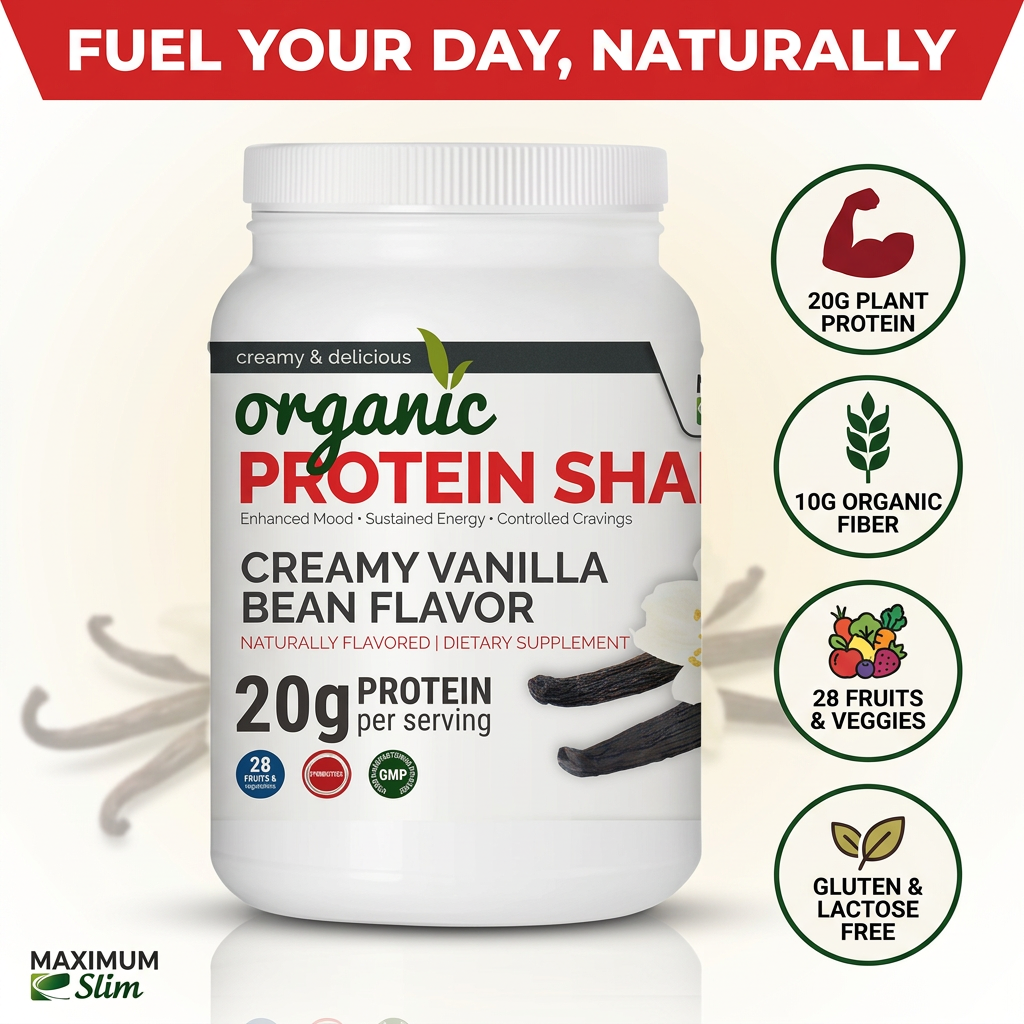
Maximum Slim Organic Protein Powder delivers 20g of organic plant-based protein and 10g of organic fiber per serving to support balanced nutrition and everyday wellness. Perfect for smoothies, shakes, or meal replacement support.
Shop Now →Why Your Post-Workout Routine Needs a Recovery Drink
Right after training, your body has a short list of priorities. It wants fluid back. It wants energy back. It wants raw materials to rebuild muscle. If those needs are delayed, recovery slows down, and the next session often feels harder than your fitness level says it should.
That's why post-workout nutrition works best when it's simple and easy to use. A recovery drink for athletes removes friction. You don't need a full meal in your gym bag. You need something your body can absorb quickly while you're driving home, heading to class, or getting on with the rest of your day.
Why the timing matters so much
Think of the post-workout period as your body's repair shift. During training, you created fatigue, used stored carbohydrate, lost fluid through sweat, and placed stress on muscle tissue. After training, your body starts the rebuild. If the right nutrients arrive early, that rebuild starts sooner.
The key point isn't magic timing. It's responsiveness. After exercise, your muscles are especially ready to take in carbohydrate and amino acids, and your circulation is primed to move those nutrients where they need to go.
Practical rule: The easier your recovery plan is to follow on your busiest day, the more effective it becomes over a full training season.
Why recovery drinks have become standard, not niche
Recovery nutrition isn't a small corner of the sports world. The Fortune Business Insights recovery drinks market analysis states that the global recovery drink market is valued at USD 34.47 billion in 2026 and is projected to reach USD 58.44 billion by 2034, with protein-based recovery drinks holding a 48% share.
That matters because it reflects a broad shift in athlete behavior. Competitive athletes, recreational runners, gym lifters, and busy adults who train before work are all treating recovery as part of performance, not an afterthought.
A drink after training won't fix poor sleep, inconsistent eating, or overtraining. But it can close the gap between a solid workout and a useful adaptation. That's a big difference. Training breaks you down. Recovery is where you cash in the benefit.
The Science of Effective Muscle Recovery
A helpful way to understand recovery is the Three R's. Rehydrate, Refuel, and Rebuild. If one is missing, the whole process gets weaker.
Think of your body like a building after a storm. Water leaked out, backup power got drained, and parts of the structure took a hit. A smart recovery drink sends in the right crew with the right supplies.

Rehydrate
Sweat loss isn't just water loss. You also lose electrolytes, especially sodium. If you replace water but ignore electrolytes after a demanding session, you may still feel flat, cramp-prone, or not fully restored.
Rehydration supports blood volume, temperature control, and nutrient delivery. It's the first job because every other step depends on fluid moving through the system properly.
A useful sports nutrition habit is matching your drink to the workout. A light lifting session in a cool gym may need less fluid support than a long run in the heat. The harder and sweatier the session, the more valuable a structured recovery drink becomes.
Refuel
Your muscles store carbohydrate in the form of glycogen. During hard training, you spend from that account. If you don't replenish it, the next workout starts with a lower balance.
Athletes often get confused. They think protein alone handles recovery. It doesn't. Protein helps repair. Carbohydrate helps reload the fuel tank.
Endurance athletes feel this quickly. Team-sport athletes feel it during repeat efforts. Even lifters notice it when later sets lose pop or the next day's session feels strangely sluggish.
Rebuild
Resistance training, sprinting, and long or intense sessions all create muscle stress. Protein supplies amino acids, which your body uses for muscle protein synthesis, the process of repairing and building tissue.
That's one reason a carb-only drink can fall short after training. It refuels, but it doesn't do much for the repair crew.
A PubMed-listed systematic review on chocolate milk and exercise recovery found that post-exercise chocolate milk significantly increased time to exhaustion and reduced serum lactate by 1.2 mmol/L. In plain language, that tells us the right nutrient mix doesn't just satisfy hunger. It can reduce metabolic stress and improve how ready you are for later effort.
Recovery works best when your drink does three jobs at once. It replaces what left, restores what was used, and repairs what was challenged.
Why ratios matter more than hype
A quality recovery drink for athletes isn't defined by protein alone. It's defined by whether the full formula fits the demand of the workout.
If you want a deeper look at the building blocks behind muscle repair, this guide to amino acids for muscle recovery is a useful companion. It helps explain why not all protein sources behave the same way once digestion starts.
Here's the big takeaway:
- Hydration supports delivery of everything else
- Carbohydrates restore readiness for the next effort
- Protein drives repair and adaptation
- The best recovery drink balances all three, rather than overloading one and neglecting the others
Essential Nutrients and Optimal Timing for Recovery
Once you know the Three R's, the next question is practical. What should be in the drink, and when should you take it?
The short answer is carbohydrate, protein, fluid, and electrolytes. The better answer is that the right mix depends on body size, training stress, and your main goal.
The most useful timing window
Recovery nutrition is most effective soon after training, when your muscles are primed to take up fuel and begin repair. According to Flow Formulas recovery drink research, athletes can combine 0.8 g of carbohydrates and 0.3 to 0.4 g of protein per kilogram of body weight within 30 minutes post-exercise for effective recovery. The same source notes that adding 480 mg of tart cherry powder can help accelerate recovery by reducing inflammation and muscle soreness.
That guideline is practical because it scales to the athlete rather than forcing everyone into the same serving size.
What each nutrient is doing
A good post-workout formula usually includes these pieces:
- Carbohydrates for refueling: Fast-digesting carbs help restore spent glycogen. This matters most when training sessions are long, intense, or close together.
- Protein for repair: Whey is popular because it digests quickly. Casein digests more slowly. Plant-based blends can work well too, especially when they provide a broad amino acid profile.
- Electrolytes for fluid balance: Sodium is especially important after heavy sweating because it helps your body retain the fluid you drink.
- Optional recovery support: Tart cherry is one example athletes use when soreness and tight turnaround times are part of the training week.
A simple way to think about ratios
The numbers above give a body-weight guide, but many athletes prefer a simpler lens: the ratio between carbs and protein.
| Training goal | Ratio emphasis | Why it fits |
|---|---|---|
| Endurance recovery | Higher carbohydrate relative to protein | You're replacing a larger fuel draw |
| Strength and hypertrophy | More balanced mix with strong protein support | You need repair plus enough fuel to recover well |
| Weight-management phase | Enough protein to protect recovery, controlled carbs matched to session demand | You want recovery without drinking calories you didn't need |
These aren't rigid boxes. They're starting points. The workout should decide the drink.
If your session emptied the tank, bias the drink toward carbohydrates. If your session beat up muscle tissue, make sure protein is prominent. Most hard sessions need both.
Match the drink to your real training life
Athletes often nail nutrition on paper and miss it in real life. If you train outdoors, commute with gear, or spend hours on trails or rides, carrying enough fluid during the session makes post-workout recovery easier too. The Kiwi adventurer's hydration bladder guide gives a practical overview of how athletes manage fluid access during longer efforts.
For a broader look at what to eat and drink after training, this article on post-workout recovery nutrition is worth reading alongside your recovery plan.
A good rule is to stop asking, “What's the best recovery drink?” and start asking, “What does this workout require?” That question leads to better choices every time.
Tailoring Your Recovery Drink to Your Sport
A marathon runner and a powerlifter both need recovery. They don't need the same drink.
The biggest mistake I see is athletes buying a product based on the word “protein” and assuming that covers everything. It doesn't. The right recovery drink for athletes depends on what your sport drains most aggressively.

Endurance athletes
Distance runners, cyclists, triathletes, and rowers usually burn through large amounts of stored carbohydrate. Their recovery drink should lean harder into carbs, while still including enough protein to support repair.
A simple example is a smoothie built around fruit, a digestible protein source, and electrolytes. For this athlete, a low-carb shake after a long session often misses the main job.
Look for:
- A carb-forward formula after long or repeated sessions
- Electrolytes that support rehydration
- Protein that helps muscle repair without making the drink heavy
Strength and power athletes
Lifters, throwers, sprinters, and athletes in explosive sports often create more muscle damage per session, even if they don't deplete glycogen to the same degree as an endurance athlete.
Their drink should still include some carbohydrate, especially after hard volume work, but protein becomes more central. The goal is to give the repair process what it needs while avoiding the common mistake of under-fueling after intense training.
Best fit:
- Protein-forward composition
- Moderate carbohydrates, adjusted to session length and volume
- Easy digestion, especially if appetite is low after training
Team-sport athletes
Football, basketball, soccer, hockey, and similar sports sit in the middle. These athletes sprint, change direction, absorb contact, and repeat efforts over and over. They need both fuel replacement and tissue repair.
That means their recovery drink should usually be the most balanced of the three. Not extreme in either direction. Just complete.
A useful checklist for team-sport athletes:
- Restore fluid first if the session was sweaty or in heat
- Include both carbs and protein because both systems took a hit
- Keep the drink portable because many team athletes recover on the move
Athletes focused on weight loss
This group often under-recovers because they're trying to stay in a calorie deficit. The result is predictable. They train hard, skip recovery fuel, then feel depleted, snack later, and wonder why performance drops while cravings rise.
The answer isn't to avoid recovery drinks. It's to use them more precisely.
For weight-management phases, choose a drink that:
- Has enough protein to support repair and fullness
- Includes carbohydrates in proportion to the session, rather than as a default large serving
- Avoids unnecessary extras that add sweetness, fillers, or calories without improving recovery
A fat-loss phase still requires recovery. You're not trying to “burn more” by skipping nutrition after training. You're trying to recover efficiently with no waste.
DIY Recovery Recipes and Commercial Options
You don't need an expensive formula to recover well. Some of the most effective options are sitting in an ordinary kitchen.
That's useful because consistency matters more than novelty. If you can make it quickly, tolerate it after training, and repeat it several times a week, you're more likely to recover well in the long run.

DIY option one with real research behind it
Chocolate milk remains one of the simplest examples of a balanced recovery drink. A Science for Sport review of chocolate milk and performance recovery describes a seven-week study in which high school athletes who drank store-bought chocolate milk after training saw strength improvements that were 71% higher than athletes who used a carbohydrate-only drink.
That doesn't mean chocolate milk is magic. It means the carb-plus-protein combination works, and sometimes a basic option beats an incomplete one.
A classic version is as simple as:
- Chocolate milk
- A pinch of salt if the workout was very sweaty
- A banana on the side if you need more carbohydrate after a long session
A fruit smoothie for endurance sessions
If your workout was long or glycogen-heavy, make the drink more carb-supportive.
Try this:
- Milk or fortified plant milk as the base
- Banana and berries
- Oats or another easy carb source
- Protein powder
- A small amount of salt or an electrolyte mix
This works well after long rides, long runs, or back-to-back training days because it covers fuel, fluid, and repair in one portable meal.
A vegan recovery shake for mixed training goals
Plant-based athletes can build a strong recovery drink too.
Use:
- Unsweetened soy or pea-protein-based milk alternative
- A plant protein blend
- Frozen fruit
- Nut or seed butter in a modest amount
- Water or ice to adjust texture
The main thing to watch is balance. If the shake is all fruit, it may refuel but not rebuild well. If it's all protein powder and water, it may repair but leave you under-fueled.
Here's a quick visual demo of how athletes build practical shakes at home:
When a commercial recovery drink makes more sense
DIY isn't always the best option. There are times when a commercial product is more useful.
Choose a ready-made or powdered recovery drink when:
- You train on a tight schedule: Convenience helps you hit the recovery window instead of missing it.
- You need repeatable nutrition: A measured serving gives more consistency than guessing at ingredients.
- Your stomach is sensitive after workouts: Some products digest more easily than whole-food blends.
- You travel often: Powders and ready-to-drink bottles are easier to pack than fresh ingredients.
A commercial product is most valuable when it solves a real problem. It should improve compliance, digestion, or precision. If it only adds marketing language, it's not helping.
How to Choose a Clean-Label Recovery Protein
“Clean-label” gets thrown around so often that it can lose meaning. For athletes, it should mean something specific. A product with ingredients you recognize, a formula that matches your training goal, and no clutter that exists only to improve shelf appeal or sweetness.
That matters because recovery is a daily habit. If you're using a drink often, small label choices add up.
What to look for on the label
A clean recovery protein should be simple to audit. Turn the tub around and read it like a coach, not like a shopper in a rush.
Use this checklist:
- Recognizable ingredients: You should be able to identify the protein source, flavor system, and sweetener choice without needing a chemistry degree.
- Protein with a purpose: The formula should make sense for recovery, not just headline a protein number while ignoring the rest of the job.
- No unnecessary fillers: Thickening agents, gums, and decorative extras aren't always harmful, but they shouldn't dominate the formula.
- No artificial colors or flavors if you want a clean product: Many athletes choose cleaner labels because they want fewer nonfunctional additives.
- No vague proprietary blends: If the label hides what's inside, that's a problem.
What to be careful with
Some products market themselves as “fitness” shakes but are really dessert powders with a sports label. Others lean so hard into low-calorie marketing that they stop being useful for recovery.
Watch for:
- Protein-only formulas marketed as complete recovery
- Overly sweet products that encourage drinking them as treats rather than targeted nutrition
- Labels that say little about ingredient quality
- Blends that don't match your sport, digestion, or goals
The cleanest recovery protein isn't the one with the loudest front label. It's the one whose ingredient list still makes sense when you read the back.
For a practical buying framework, this guide to protein powder for recovery can help you compare formulas with a more critical eye.
Here's an example of the kind of product page athletes often review when comparing clean-label options:

A strong recovery drink for athletes should do more than deliver protein. It should fit the workout you just completed, digest well, and align with the way you want to eat every day. When you understand the “why” behind the ratio, choosing a clean product gets much easier. You stop buying buzzwords and start buying fit.
If you want a clean-label protein option that fits a practical recovery routine, explore Maximum Health Products. Their approach focuses on simple formulas, plant-based nutrition, and everyday usability, which can make it easier to build a post-workout habit you'll keep.

