


You're standing in your kitchen with a tub of protein powder you bought with good intentions. Maybe the last shake left you bloated. Maybe it tasted chalky. Maybe the label said “healthy,” but the ingredient list looked like a chemistry worksheet. If you're searching for a soy free protein shake, you're probably not just looking for protein. You're looking for something your body feels good drinking.
That search makes sense. Some people need to avoid soy because of an allergy. Others feel better without it, or they want a cleaner formula with fewer common triggers. And a lot of people want a shake that helps with real life goals like staying full longer, recovering after workouts, or getting through a busy afternoon without a crash.
The tricky part is that “soy-free” alone doesn't answer the big questions. Is the protein complete enough? Will it work for weight management? Is it safe for someone with a true soy allergy? Those are the questions that matter most, and they're the ones worth slowing down and answering clearly.
Why Choose a Soy-Free Protein Shake
A soy free protein shake often becomes the next step after someone gets frustrated with standard options. You try one shake because it's convenient, then realize convenience doesn't help much if your stomach feels off, the texture is gritty, or the formula includes ingredients you'd rather avoid.
For some people, soy-free is a medical issue. For others, it's a comfort and preference issue. Both are valid. If you've noticed digestive discomfort, want to avoid common allergens, or prefer plant blends built around pea, rice, or hemp, soy-free options give you more control.

Why demand keeps rising
This isn't a niche search anymore. The global plant-based protein supplements market was valued at $2.8397 billion in 2024 and is projected to reach $5.9394 billion by 2033 at a CAGR of 8.6%, according to Grand View Research on plant-based protein supplements. That growth is tied to consumers avoiding allergens like soy and dairy, with millennials and Gen Z driving adoption for fitness and wellness goals.
That shift matters because it has improved what's available. Soy-free formulas used to feel like compromise products. Now you can find shakes designed for workout recovery, appetite support, meal replacement, and everyday nutrition, without relying on soy.
Common reasons people switch
People usually choose soy-free for one of a few practical reasons:
- Allergy concerns: They need to remove soy from their routine and want clearer ingredient lists.
- Digestive comfort: They feel better with a different protein base, especially if soy or dairy hasn't worked well for them.
- Cleaner ingredient preferences: They want fewer additives, simpler formulas, or products that align with a plant-forward lifestyle.
- Daily convenience: They need quick nutrition that fits work, training, or weight management.
Practical rule: The best shake is the one you can digest well, enjoy regularly, and use consistently enough to support your goal.
If digestive comfort is part of your search, this guide on choosing a non-bloating vegan supplement is a useful companion because it focuses on the feel of the product, not just the label claims.
A good soy free protein shake can support energy, recovery, and satiety. But “soy-free” is only the starting filter. The key value comes from understanding what's inside and whether that formula matches your body and your routine.
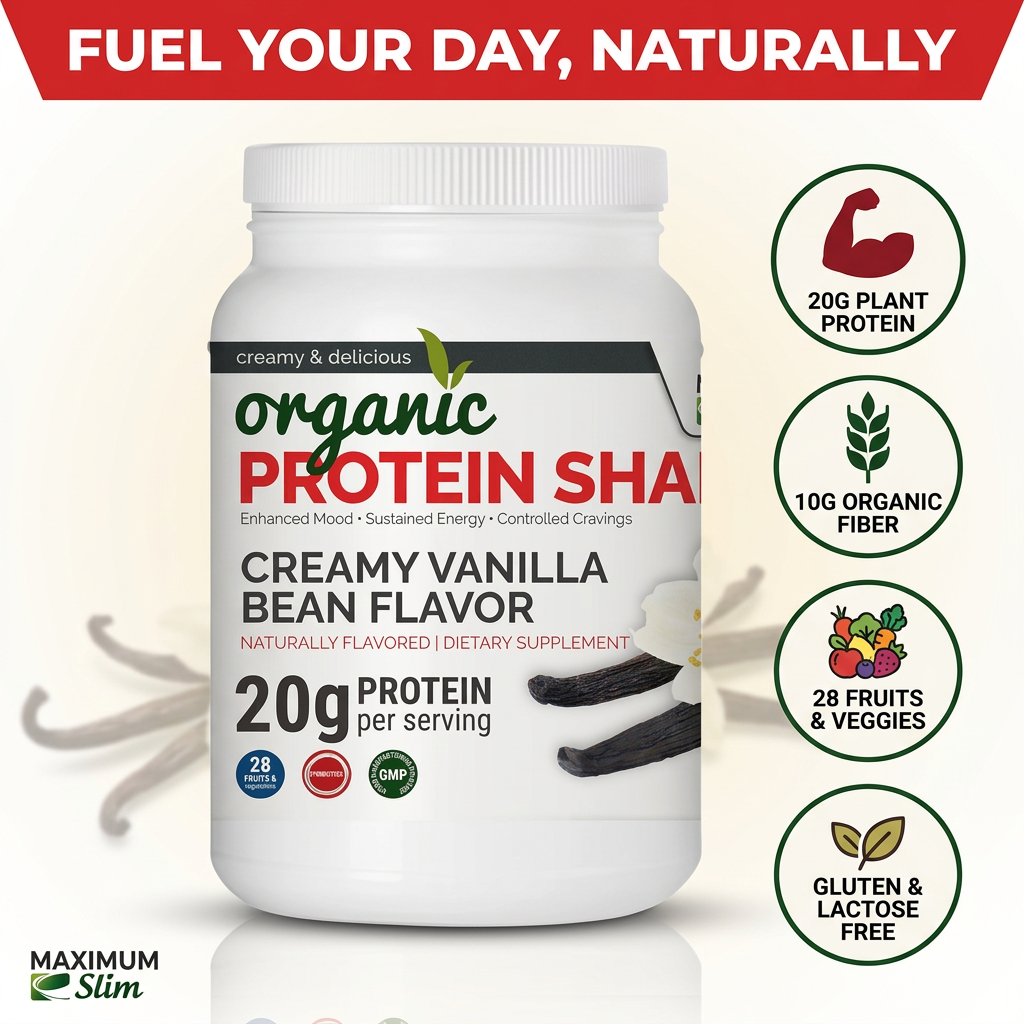
Featured Product
Organic Protein Shake - Maximum Slim | Nutrient Rich Drink for Muscle Recovery
This formula includes a blend of 28 fruits and vegetables and is made to fit a variety of dietary needs.
Shop Now →Understanding the World of Soy-Free Protein
“Soy-free” sounds simple, but it can mean different things depending on why you're shopping. If you avoid soy for general wellness, you might only care that soy ingredients aren't in the formula. If you have a true soy allergy, that standard isn't enough on its own.
Soy-free doesn't mean the same thing for everyone
A lot of confusion starts here. Some shoppers use “soy-free” as a lifestyle preference. Others need strict avoidance. That difference changes how you read labels and how cautious you need to be about manufacturing.
Soy is a recognized major allergen in some markets. But a soy-free product still might include other common triggers such as dairy, pea, or nuts. It may also be made in a facility that handles soy.
For someone with a true allergy, the most important question isn't only “Does this contain soy?” It's also “Could this have come into contact with soy during production?”
That's why the phrase soy free protein shake should never be treated as a full safety guarantee by itself.
The two big families of soy-free protein
Once soy is out, most shakes fall into one of two categories.
Animal-based options
These are usually built around whey or collagen.
Whey works well for people who want a complete protein from dairy and don't mind animal-based ingredients. Some soy-free whey products are made for exercise recovery and a creamier texture. Collagen is different. It can be useful in a routine, but it isn't usually the first choice if your main goal is complete muscle-supporting protein.
Plant-based options
These include pea, brown rice, hemp, mung bean, and blends that combine several sources. This group has grown fast because it can serve people avoiding both soy and dairy, while also fitting vegan or flexitarian eating styles.
Plant-based doesn't automatically mean incomplete. Many soy-free blends are built to improve amino acid balance and everyday usability. The quality depends on the formula, not just the category.
Why people avoid soy in the first place
The reason matters because it helps narrow your choices.
- Medical need: You have a diagnosed soy allergy and need strict label review.
- Sensitivity or comfort: You suspect soy doesn't sit well with you and want to try another base.
- Wellness preference: You're reducing common allergens or simplifying your diet.
- Product design preference: You want a formula that combines plant-based nutrition with allergen-aware choices.
If you know which camp you're in, the shopping process gets easier. You stop asking, “What's the best protein?” and start asking, “Which type of soy-free protein fits my body, my goal, and my risk level?”
That question leads to the part most labels don't explain well, which is how the actual protein sources compare.
Comparing the Top Soy-Free Protein Sources
Once you remove soy, you still have several very different protein options. They don't digest the same way. They don't taste the same. And they don't all fit the same goal.

Pea protein
Pea protein is one of the most useful soy-free bases because it's versatile and widely tolerated. According to this pea protein reference, pea protein isolate contains all nine essential amino acids and has a high concentration of arginine and glutamic acid. The same source notes that its slower absorption over 3 to 4 hours provides sustained amino acid release, which can help with post-workout recovery and steadier energy through the day.
That slower release is one reason many people like pea protein outside the gym too. It doesn't feel as fast or sharp as some proteins can. For busy professionals, that can translate into a shake that feels more satisfying between meals.
Typical texture depends on the brand. Some pea proteins are smooth and creamy. Others can taste earthy. Flavoring and blending make a big difference.
Brown rice protein
Brown rice protein is often chosen by people who want a lighter texture or a hypoallergenic option. On its own, it may not be the first pick for someone focused heavily on muscle recovery, but it works well in blends. It usually has a milder taste than hemp and can create a smoother drink when paired with pea.
This is one of those ingredients that performs better as part of a team than as a solo act.
Hemp protein
Hemp protein tends to feel more whole-food-like. It often has a nuttier flavor and a thicker, grainier texture. Some people love that because it feels hearty. Others don't want that texture in a daily shake.
Hemp can be a good fit if your priority is a less processed feel. But if you want a very creamy shake, it may work better in a blend than as the only source.
Multi-source plant blends
Many of the strongest soy-free formulas land in this category. Blends can combine pea, rice, mung bean, chia, or other plant proteins to improve amino acid balance and mouthfeel. They're often the smartest choice if you want one shake to cover exercise recovery, appetite support, and general nutrition.
If you want to compare how different plant formulas are positioned, this overview of the best plant protein powder options helps show how blends are used in practice.
Collagen and soy-free whey
These are soy-free, but they serve different shoppers.
Whey can work well if you want a complete dairy-based protein and tolerate milk. Collagen is better viewed as a specialized add-on rather than a direct replacement for a complete workout protein in most cases.
| Soy-Free Protein Source Comparison | Complete Protein? | Key Benefit | Common Texture |
|---|---|---|---|
| Pea protein | Yes | Sustained amino acid release and broad usability | Creamy to slightly earthy |
| Brown rice protein | Often used in blends for balance | Mild taste and helpful in multi-source formulas | Smooth to light |
| Hemp protein | Varies by formula | Whole-food feel | Thick or grainy |
| Multi-source plant blend | Often yes, depending on ingredients | Better amino acid balance and more rounded nutrition | Usually smoother than single-source plant proteins |
| Whey isolate | Yes | Dairy-based complete protein | Smooth and creamy |
| Collagen | Not typically used as a complete workout protein | Easy to mix and versatile | Very smooth |
A single protein source can work. A thoughtful blend often works better, especially if you want your soy free protein shake to do more than one job.
How to Read Labels and Find a Truly Clean Shake
The front of the container is marketing. The back label is the actual product.
That matters because two tubs can both say “soy-free,” while one contains a short, simple ingredient list and the other includes sweeteners, gums, fillers, and unclear allergen language. If you want a shake that feels good and fits your goals, label reading is where the decision gets real.
Start with the ingredient list
Look first at the actual protein sources. A clean formula should make it easy to identify what's doing the work. You want to know whether the shake is built from pea, rice, hemp, whey, or a blend, rather than hidden behind broad terms.
Then scan for hidden soy ingredients. Soy lecithin is the one many people overlook. If you're avoiding soy as a preference, that may matter to you. If you have a true soy allergy, it definitely deserves attention along with any facility warnings.
A short list isn't always perfect, but it's easier to evaluate.
Watch for extras that change how the shake feels
A lot of complaints about protein powders are really complaints about texture, sweetness, or digestion. Those issues often come from the supporting ingredients, not the protein itself.
Check for:
- Sweeteners: Some formulas taste pleasant without being overpowering. Others leave an aftertaste that makes daily use hard.
- Gums and thickeners: These can improve texture, but too many can make a shake feel heavy.
- Artificial flavors or colors: Some shoppers avoid them because they want a simpler formula.
- Filler ingredients: If the list reads long and confusing, ask whether each ingredient has a clear purpose.
Clean-label matters for another reason
Purity matters in this category. A Clean Label Project protein powder report found that plant-based proteins contained, on average, significantly higher levels of heavy metals like lead compared to dairy-based alternatives. That's a strong reason to favor brands that provide third-party testing and clear manufacturing transparency.
You don't need to panic about every plant protein. You do need to shop with your eyes open.
Shopping filter: If a brand talks loudly about flavor but says little about testing, sourcing, or allergen handling, slow down before buying.
A simple clean-shake checklist
Use this quick screen before you put a product in your cart:
- Confirm the protein base: Know whether it's whey, pea, rice, hemp, or a blend.
- Check for hidden soy ingredients: Don't stop at the front label.
- Read allergen statements: Especially important if your concern is safety, not just preference.
- Look for testing transparency: Third-party testing is worth prioritizing.
- Ask whether the texture ingredients fit you: Less can be easier on digestion.
If you want a broader framework for evaluating ingredient quality, this guide to the best clean protein powder is a useful next read.
The best label readers aren't obsessive. They're clear on what matters most to them, then they check for those few details every single time.
Choosing the Right Shake for Your Health Goals
There isn't one best soy free protein shake for everyone. There's the best one for your reason for using it. That could be fat loss support, a more complete breakfast, easier digestion, or post-workout recovery.

If your goal is weight management
For weight management, the smartest question isn't “Is it low calorie?” It's “Will this keep me satisfied enough to stop me from rummaging for snacks an hour later?”
A better soy-free shake for this goal usually includes a complete or complementary protein blend, some fiber, and a lower-sugar profile. Multi-source plant formulas are often useful here because they can support fullness while still fitting people who avoid soy and dairy.
Some shoppers use a soy-free shake as a true meal replacement. That can work, but the formula has to do more than provide protein. It should have enough nutritional substance to carry you through a meal gap.
If your goal is muscle support
For training and recovery, amino acid quality matters, making pea-based formulas and blended plant proteins strong choices. You want a shake that supports your workouts consistently, not one that merely checks a dietary box.
If you like to pair your shake with a recovery-focused routine, it can also help to browse NexiHerb post-workout recovery supplements and compare how different products fit around your training rather than expecting one powder to do everything.
One example in the market is Maximum Health Products' Maximum Slim, a plant-based protein shake formulated for people who want soy-free protein in a broader weight-management routine. That kind of product may appeal more to someone seeking satiety and convenience than to a person looking for a dairy-based sports formula.
If your goal is allergy safety
This is the biggest place people get misled. For consumers with true soy allergies, “soy-free” on the label isn't enough. It's critical to check for potential cross-contact warnings because many facilities process multiple allergens, as noted in GNC's soy-free protein category guidance.
That means your decision tree should look like this:
- Preference only: You may focus on ingredients, texture, and nutrition first.
- Sensitivity: You may also care about simple formulas and lower digestive burden.
- True allergy: You need to check cross-contact language and whether the product is made in a dedicated allergen-free facility.
If soy makes you uncomfortable, you're shopping for fit. If soy is an allergy, you're shopping for safety first.
That distinction can save you from buying a product that looks right online but isn't the right choice once you read the fine print.
Easy Recipes and Blending Tips for a Perfect Shake
A soy free protein shake only helps if you'll drink it. Taste and texture matter. So does convenience. The easiest way to build a habit is to make your shake feel like something you want, not something you're forcing down because it's healthy.

Three easy shake ideas
Green energy shake
Blend your soy-free powder with spinach, frozen banana, unsweetened non-dairy milk, and a spoonful of nut or seed butter if it fits your diet. This works well in the morning because the fruit softens earthy plant protein flavors.
Post-workout recovery blend
Use your protein powder, cold water or milk of choice, frozen berries, and a few ice cubes. Keep this one simple. After training, a light and easy-to-finish option is often desired.
Creamy meal-style shake
Blend protein powder with non-dairy milk, oats, cinnamon, and half an avocado or banana for a thicker texture. This version works better when you need something more filling between meetings or on a rushed afternoon.
If you want more ideas beyond smoothies, these protein powder shake recipes and mix ideas can help you get more mileage out of one tub.
How to fix chalky or clumpy shakes
Most texture problems come from mixing order, not just the powder itself.
- Add liquid first: This gives the powder room to disperse.
- Use frozen fruit carefully: Too much can overpower the flavor and make the shake pasty.
- Let it sit briefly: Some plant proteins smooth out after a minute.
- Start with less powder than you think: Especially if you're new to thicker blends.
A creamy shake usually comes from three things: enough liquid, one softening ingredient like banana, and not overloading the blender.
Here's a quick visual if you want a simple homemade option in action:
A shaker bottle can work for basic mixes, but a blender gives you more control if you're using greens, oats, or frozen fruit. If you're in a rush, pre-portion your powder and dry add-ins the night before. That one small step makes consistency much easier.
Frequently Asked Questions About Soy-Free Shakes
Will I get enough protein for muscle growth from a soy-free shake
Yes, you can. The key is choosing a formula with a strong amino acid profile. High-quality plant blends often combine sources such as pea, rice, and mung bean to provide all nine essential amino acids, which is one reason they can work well for both meal replacement and fitness goals, as reflected in Target's soy-free vegan protein listings.
Can a soy free protein shake replace a meal
Sometimes, yes. A basic protein powder mixed with water is usually just a protein drink. A more complete shake includes a better balance of protein, fiber, and a lower-sugar profile so it keeps you fuller and functions more like a meal option.
Is soy-free automatically safer for allergies
No. It may be safer for someone avoiding soy, but it isn't automatically safe for a person with a true soy allergy. Cross-contact warnings and facility information matter just as much as the ingredient list.
Are plant-based soy-free shakes complete enough
Some are, some aren't. Single-source products vary. Blended formulas are often designed to be more nutritionally complete, which is why ingredient combinations matter more than broad front-label claims.
How do I know if a shake will digest well for me
Start with the simplest formula you can find. Look for a short ingredient list, a protein source you already tolerate well, and a flavor profile you'll use consistently. If your stomach is sensitive, avoid loading the shake with too many extras at first.
Are soy-free shakes only for vegans
Not at all. Some soy-free shakes are plant-based, while others use whey or collagen. People choose them for many reasons, including allergy concerns, digestive comfort, ingredient preferences, and convenience.
If you want a soy free protein shake that fits weight management, daily energy, and clean-label priorities, Maximum Health Products is worth exploring. Their catalog includes plant-based protein options alongside broader wellness products, which makes it easier to build a routine around your actual goal instead of buying protein in isolation.

